
Menu
-
Shop All
Contact
hey@getstride.com
Stride Health Group
Stride Health Group Ltd
Company No 05158025
Lamas Road
Badersfield
Norwich
England
NR10 5FB
UK
Extra 10% Off | Enter code GIFT at checkout





HFE Gene Test (Hereditary Haemochromatosis Iron Risk)
The HFE gene test analyses DNA for variants in the homeostatic iron regulator gene that influence how your body senses iron and controls absorption from the gut. Understanding your HFE status adds genetic context to iron overload risk, transferrin saturation and ferritin patterns, and long-term liver and organ health so you can personalise monitoring, treatment, and prevention instead of guessing.
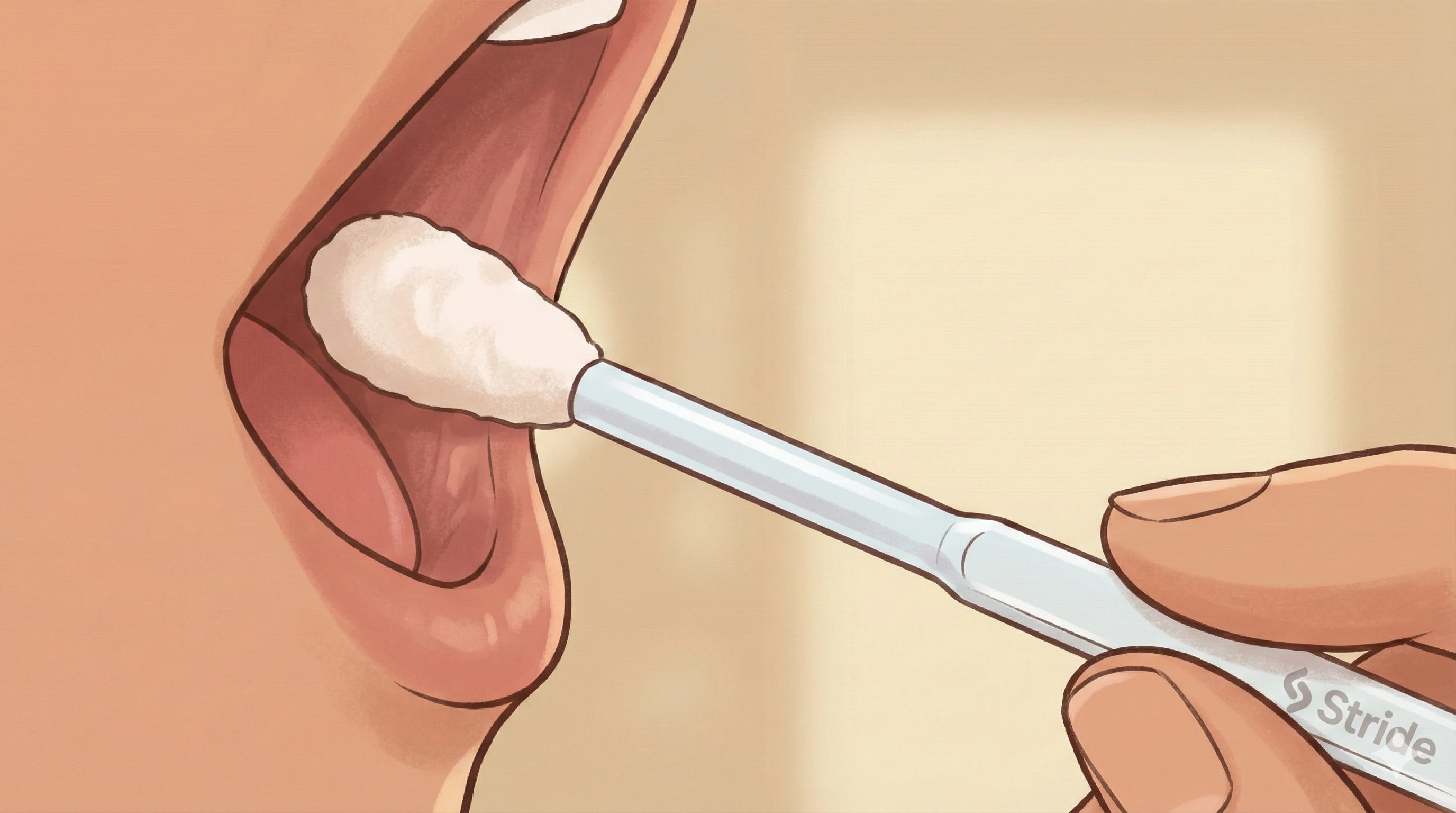

Sample type
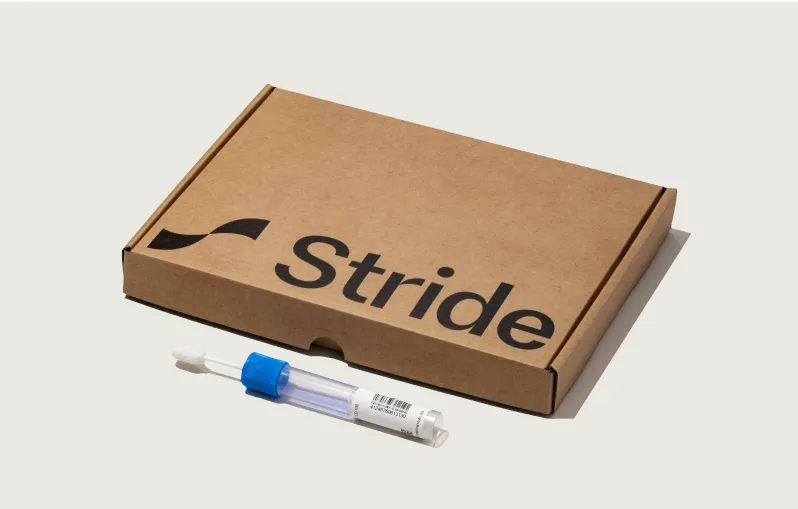
Cheek swab, Blood sample

Collection
At-home

Often paired with
Full iron panel (serum iron, transferrin saturation, ferritin, TIBC), liver enzymes, liver imaging or elastography, fasting glucose, lipids, other iron-regulation genes (TFR2, TF, TMPRSS6), inflammatory markers

Fasting required
Not required for DNA testing; follow clinical guidance for any accompanying blood tests
Key benefits of testing HFE
- Identify whether you carry key HFE variants such as C282Y, H63D, or S65C that are strongly associated with hereditary haemochromatosis and iron overload risk.
- Help explain persistently raised ferritin and transferrin saturation, or early liver changes, joint symptoms, or fatigue that are not fully accounted for by lifestyle or other conditions.
- Inform personalised strategies for iron monitoring, blood donation or therapeutic venesection, and dietary iron and alcohol intake across adulthood.
- Support early detection of hereditary haemochromatosis in families, before significant liver fibrosis, diabetes, or cardiomyopathy develop.
- Clarify your baseline iron-regulation profile alongside blood markers and imaging, so long-term prevention and performance plans can be built around your biology.
What is the HFE gene?
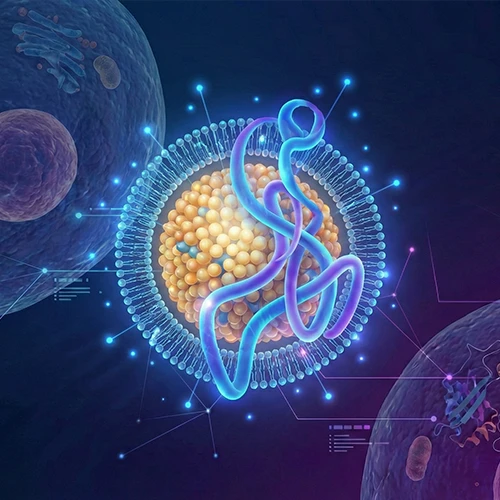
HFE encodes a protein structurally related to major histocompatibility complex class I molecules that interacts with transferrin receptor 1 and 2 on the surface of cells, particularly hepatocytes and cells in the duodenum. Through these interactions, HFE participates in the sensing of circulating iron and in the regulation of hepcidin, the central hormone that controls systemic iron homeostasis.
Loss-of-function or functionally altered variants of HFE are the main cause of type 1 hereditary haemochromatosis, the most common inherited iron overload disorder in people of northern European ancestry. The C282Y mutation is pathologically most relevant, while H63D and S65C act as modifiers, especially when combined with C282Y.
What does HFE do?
HFE sits at the interface between transferrin-bound iron and hepcidin signalling. Under normal conditions, HFE associates with transferrin receptor 1 and, in response to circulating diferric transferrin and other signals, helps the liver adjust hepcidin production to match iron levels and needs. When body iron rises, hepcidin increases, reducing iron export from enterocytes and macrophages through ferroportin, and limiting further absorption.
In classic C282Y homozygosity and some compound genotypes, HFE function is disrupted. The C282Y mutation alters a critical cysteine residue, preventing proper association with beta-2 microglobulin and cell surface expression. This impairs the signalling pathways that would normally upregulate hepcidin in response to iron, leading to inappropriately low hepcidin, excessive ferroportin-mediated iron export, and chronically increased dietary iron uptake. Over decades, iron accumulates in the liver and other organs.
Why is HFE important for health?
HFE contributes to three interconnected systems: control of iron absorption, protection of organs from iron-mediated damage, and wider metabolic and cardiovascular health. Iron is essential for haemoglobin and mitochondrial function, but excess iron catalyses reactive oxygen species that injure tissues.
In hereditary haemochromatosis, most often due to C282Y homozygosity, sustained iron loading can cause liver enlargement, fibrosis, cirrhosis, and elevated risk of hepatocellular carcinoma if not treated. Iron can also accumulate in joints, heart, pancreas, pituitary, and skin, contributing to arthropathy, cardiomyopathy, diabetes, hypogonadism, fatigue, and skin pigmentation. Even in heterozygotes or compound heterozygotes, HFE variants can modestly influence iron indices and, in the presence of other risk factors, shape susceptibility to iron-related complications.
HFE vs ferritin and iron tests
It is easy to assume that HFE genotyping and iron blood tests provide the same information, but they answer different questions. HFE genotyping shows whether you carry inherited variants that predispose to altered hepcidin regulation and iron overload, and this does not change over your lifetime.
Ferritin, serum iron, transferrin saturation, and liver enzymes reflect your current iron stores and liver status under your present diet, alcohol intake, blood loss patterns, and health conditions. People with C282Y homozygosity can have normal iron indices in early adulthood, while others without HFE mutations can develop raised ferritin due to metabolic syndrome, alcohol, inflammation, or other liver disease. Together, HFE status and serial blood and imaging data provide a much clearer picture than either alone.
Factors that modify HFE effects
The influence of HFE variants is strongly shaped by environment, lifestyle, and co-existing conditions, which is why clinical expression varies widely even among people with the same genotype. Several modifiable factors can either buffer or amplify genetic effects.
- Dietary iron and vitamin C: High haem-iron intake, especially from frequent red meat and organ meats, and high vitamin C with iron-rich meals, can accelerate iron loading in HFE risk genotypes. Moderation and timing adjustments can slow accumulation.
- Alcohol intake: Alcohol increases liver stress and, together with iron overload, amplifies oxidative damage, fibrosis, and liver cancer risk. Limiting alcohol is particularly important in those with HFE mutations and raised ferritin.
- Metabolic health and obesity: Non-alcoholic fatty liver disease and metabolic syndrome add additional liver strain and can both mask and worsen iron-related injury, making weight management and metabolic health key modifiers.
- Blood donation and therapeutic venesection: Regular blood donation or medically supervised venesection reduces iron stores and can prevent or reverse many complications of haemochromatosis when instituted early.
- Co-existing iron genes and inflammation: Variants in TFR2, TF, TMPRSS6, and other genes, as well as chronic inflammatory conditions, can shift iron indices and influence how an HFE genotype is expressed clinically.
- Sex and life stage: Men and postmenopausal women tend to show iron overload earlier than menstruating women, because monthly blood loss and pregnancies increase iron utilisation and loss. After menopause, risk in women rises.
HFE variants without symptoms
Yes. Many people who carry HFE mutations, including some C282Y homozygotes and compound heterozygotes, never develop overt symptoms or organ damage, especially if iron loading is recognised and managed early, or if overall iron intake and lifestyle are favourable.
In those who do develop problems, early features are often non-specific, such as fatigue, joint aches, low libido, or mild abdominal discomfort, and can be misattributed to stress or ageing. Without testing and monitoring, clinically significant iron overload can remain silent until more advanced liver disease, diabetes, or cardiomyopathy emerges, which is why screening at-risk individuals is valuable.
Common HFE genotypes
HFE genotypes mainly differ in how strongly they predispose to iron overload and how likely they are to lead to clinical hereditary haemochromatosis. Understanding your pattern helps tailor monitoring and management rather than relying solely on population averages.
- C282Y homozygous: Two copies of C282Y are present. This is the classic genotype for type 1 hereditary haemochromatosis and carries the highest risk of iron overload, particularly in men and postmenopausal women. Not all individuals develop clinical disease, but lifetime risk is significant.
- C282Y/H63D compound heterozygous: One C282Y and one H63D variant. This genotype can modestly increase iron overload risk compared with the general population but has lower penetrance than C282Y homozygosity. Many remain well, though raised vigilance and monitoring are reasonable.
- H63D homozygous or heterozygous and S65C variants: These genotypes usually carry low or modest risk of clinically significant iron overload by themselves but can act as modifiers, especially when combined with other iron genes or high environmental load.
- Wild-type / no pathogenic variants: Individuals without these HFE mutations have no HFE-driven haemochromatosis risk, though they can still develop iron overload or raised ferritin from other causes, and can develop iron deficiency depending on diet and blood loss.
Preparing for an HFE test
For DNA-based HFE testing, preparation is simple because your genotype does not change with diet, iron status, or recent illness. The key step is clarifying with your clinician why testing is being done, such as unexplained iron overload, family history, or part of a broader longevity and liver health strategy.
Cheek swab, saliva, or blood-based HFE genotyping does not require fasting. If HFE testing is combined with iron studies, liver enzymes, and other blood markers, you may be asked to test in the morning and to avoid iron tablets just before the draw, so that results reflect your usual baseline rather than a short-term supplement effect.
Do I need an HFE test?
An HFE test is most valuable when the result will influence monitoring, lifestyle, or treatment, rather than as a curiosity. It becomes particularly informative when combined with iron studies, liver tests, and family context.
- Raised ferritin and transferrin saturation without clear cause: If ferritin and transferrin saturation are persistently high and alcohol, inflammation, and other secondary causes do not fully explain this, HFE testing helps clarify whether hereditary haemochromatosis is contributing.
- Family history of haemochromatosis or iron-related liver disease: First-degree relatives of people with HFE-related haemochromatosis should generally be offered HFE testing to identify those who would benefit from early monitoring and, if needed, venesection.
- Early or unexplained liver, joint, or endocrine problems: Unusual combinations of liver enzyme elevation, arthropathy (especially of the hands), diabetes, or hypogonadism in midlife can prompt evaluation for iron overload and HFE status.
- Comprehensive prevention and longevity planning: For individuals investing in full DNA and blood profiling, HFE sits alongside other iron and metabolic genes to shape lifelong iron, liver, and cardiovascular strategies.
Stride tests that include HFE


Health Tests
Core DNA Methylation Test
5 reports: Methylation profile reports
From $229 $183.20
FAQs
What is the HFE gene test?
The HFE gene test analyses your DNA from blood or saliva to look for variants such as C282Y, H63D, and S65C that affect how your body senses iron and controls absorption, and that can predispose to hereditary haemochromatosis and iron overload.
What does an HFE variant mean?
C282Y homozygosity carries the highest risk of type 1 hereditary haemochromatosis. Compound C282Y/H63D genotypes and some other patterns carry intermediate risk, while isolated H63D or S65C variants usually confer lower or modest risk, often acting as modifiers.
Do HFE variants always cause health problems?
No. Many people with HFE mutations never develop clinical haemochromatosis, especially if iron loading is detected early or lifestyle is favourable. Risk reflects the combination of genotype, diet, alcohol, metabolic health, and other factors.
Is HFE testing used to diagnose haemochromatosis?
Yes. HFE testing is central to diagnosing type 1 hereditary haemochromatosis when iron studies suggest overload, and to cascade testing in families. Diagnosis also relies on ferritin and transferrin saturation, liver assessment, and clinical features.
Can HFE affect how I should manage iron intake?
Yes. Knowing your HFE status can guide how closely to monitor iron, how cautious to be with high-iron diets and supplements, how often to donate blood or discuss venesection, and how carefully to manage alcohol and liver health.
Do I need an HFE test?
You might consider an HFE test if you have raised ferritin and transferrin saturation without a clear cause, a family history of haemochromatosis or unexplained liver disease, or if you are building a detailed prevention and longevity plan where iron and liver health are key levers.
Do I need to fast for HFE testing?
Fasting is not required for DNA-based HFE testing. If iron studies or other blood tests are performed at the same time, follow the preparation guidance provided for those specific tests.
How can I optimise my health if I carry HFE variants?
Rather than trying to change the gene, focus on regular iron monitoring, moderating haem-iron intake and vitamin C with high-iron foods, limiting alcohol, protecting liver and metabolic health, considering blood donation or medical venesection where appropriate, and tracking iron and liver markers over time so you can see how small, consistent changes reshape your long-term risk.