
Menu
-
Shop All
Contact
hey@getstride.com
Stride Health Group
Stride Health Group Ltd
Company No 05158025
Lamas Road
Badersfield
Norwich
England
NR10 5FB
UK






HDL Cholesterol Blood Test
HDL cholesterol, often called the "good" cholesterol, is a blood lipid marker that reflects the amount of protective high density lipoprotein particles in your bloodstream. Healthy HDL levels help move excess cholesterol away from artery walls, supporting long term heart health alongside other markers such as LDL cholesterol, ApoB, ApoA1, and triglycerides.

Sample type
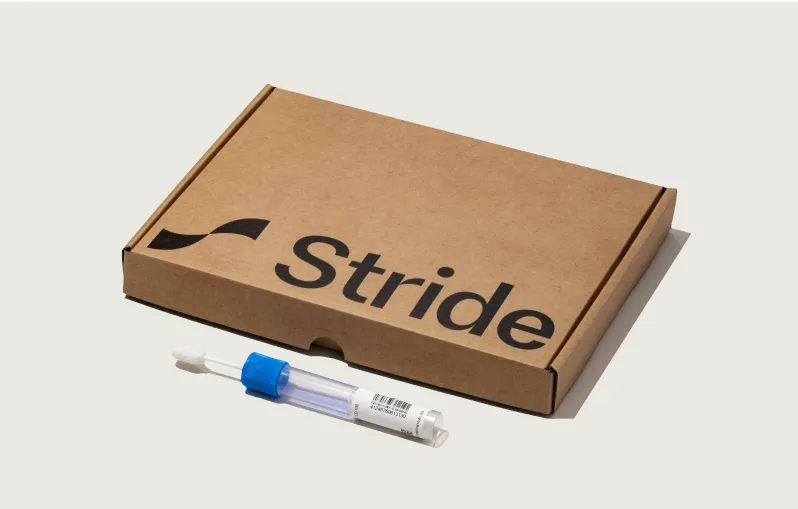
Blood sample

Collection
At-home

Often paired with
Total cholesterol, LDL cholesterol, non HDL cholesterol, triglycerides, ApoB, ApoA1, ApoB/A1 Ratio, hsCRP, HbA1c

Fasting required
1
Key benefits of testing HDL cholesterol
An HDL cholesterol blood test can help you:
- Understand how much protective "good" cholesterol you have to help clear excess cholesterol from the bloodstream.
- Refine cardiovascular risk assessment alongside LDL cholesterol, ApoB, and non HDL cholesterol.
- Identify low HDL patterns linked with higher risk of heart disease, stroke, and metabolic syndrome.
- Track the impact of lifestyle changes, such as movement, weight changes, and smoking status, on heart protective lipids.
- Guide clinician led decisions about how intensively to address cardiometabolic risk.
What is HDL cholesterol
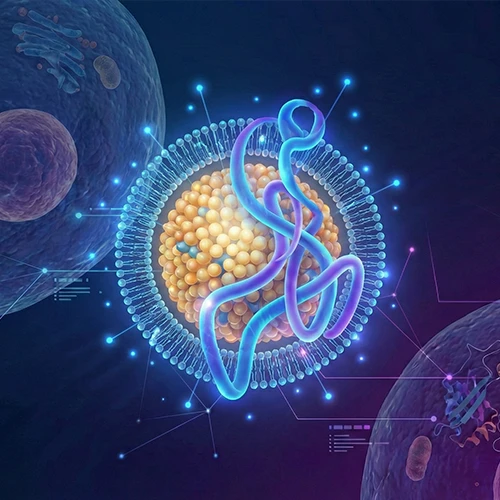
HDL stands for high density lipoprotein. It describes a class of small, dense particles that carry cholesterol and other fats through the bloodstream. HDL particles are rich in protein and contain apolipoproteins such as ApoA1 on their surface.
Unlike LDL, which delivers cholesterol to tissues and can contribute to plaque build up when present in excess, HDL is involved in reverse cholesterol transport. HDL particles pick up cholesterol from artery walls and other tissues and carry it back to the liver, where it can be reused or removed from the body.
HDL cholesterol is the portion of your blood cholesterol that is carried within these HDL particles. Higher HDL cholesterol levels, within a healthy range, are generally associated with lower cardiovascular risk, although HDL function and overall lipid balance also matter.
What does HDL cholesterol do
HDL particles and their cholesterol cargo support several interconnected processes that influence heart and metabolic health:
- Reverse cholesterol transport. HDL helps remove excess cholesterol from cells, including cells in artery walls, and transports it back to the liver for processing and elimination.
- Vascular protection. Healthy HDL particles are involved in supporting endothelial function, the health of the inner lining of blood vessels.
- Anti inflammatory and antioxidant roles. HDL can help moderate inflammatory responses and oxidative stress within the circulation, which are linked to plaque formation and instability.
- Interaction with other lipoproteins. HDL influences the way other lipoproteins, including LDL and triglyceride rich particles, move and are cleared from the bloodstream.
Because of this, HDL cholesterol is often viewed as a marker of the body's capacity to clear cholesterol and protect arteries, although the quality and function of HDL particles matter as well as the amount.
Why is HDL cholesterol important for heart health
Cardiovascular risk is shaped by both the burden of atherogenic particles and the strength of protective systems that remove cholesterol and support healthy vessels. HDL cholesterol is important because:
- Lower HDL levels are associated with a higher risk of heart attack and stroke, independent of total cholesterol and LDL cholesterol.
- Low HDL often clusters with other cardiometabolic risks such as high triglycerides, insulin resistance, abdominal obesity, and elevated ApoB.
- Higher HDL within a healthy range is generally linked with a more favourable lipid profile and lower long term cardiovascular risk.
However, very high HDL is not always protective and can be influenced by genetics, alcohol, and certain medications. This is why HDL is best interpreted in context, alongside ApoB, ApoA1, LDL cholesterol, triglycerides, hsCRP, and blood sugar markers.
HDL cholesterol vs LDL cholesterol: what is the difference
It is easy to think of HDL and LDL as simply good and bad cholesterol, but they reflect different lipoprotein particles with distinct roles.
- LDL low density lipoprotein carries cholesterol from the liver to tissues. Excess LDL, especially in small, dense forms, can enter artery walls and contribute to plaque formation. Higher LDL cholesterol and higher ApoB are generally associated with increased cardiovascular risk.
- HDL high density lipoprotein helps remove cholesterol from tissues and artery walls and return it to the liver. Within a healthy range, higher HDL cholesterol is usually associated with lower cardiovascular risk.
In practical terms:
- A pattern of high LDL or ApoB and low HDL is particularly concerning for heart risk.
- Improving LDL and ApoB often takes priority, but supporting HDL through lifestyle can further improve the overall profile.
- Ratios such as total cholesterol to HDL or non HDL cholesterol to HDL provide additional information, but particle based markers like ApoB and ApoA1 can offer even more detail.
What factors affect HDL cholesterol levels
HDL cholesterol is influenced by genetics, lifestyle, hormones, and other health conditions. These are some of the main factors that can raise or lower HDL.
1. Genetics and inherited patterns
- Some people naturally produce more HDL or have more functional HDL particles due to genetic variants.
- Others have lower baseline HDL regardless of lifestyle, which can increase risk when combined with other cardiometabolic factors.
- Rare genetic disorders can lead to extremely low or high HDL and require specialist assessment.
2. Lifestyle factors
- Smoking lowers HDL and impairs HDL function, often significantly. Stopping smoking can raise HDL and improve wider cardiovascular risk.
- Physical inactivity is linked with lower HDL, while regular aerobic exercise often raises HDL modestly and improves HDL function.
- Diets high in refined carbohydrates and trans fats tend to lower HDL, whereas whole food patterns with healthy fats can support it.
3. Weight and metabolic health
- Central abdominal obesity and insulin resistance are commonly associated with low HDL and high triglycerides.
- Improving metabolic health and losing excess abdominal fat can lead to higher HDL and a more favourable lipid profile.
- Type 2 diabetes and metabolic syndrome frequently present with low HDL as part of an atherogenic lipid pattern.
4. Alcohol and medications
- Moderate alcohol intake has been associated with higher HDL in some studies, but higher intakes can raise triglycerides and harm liver and overall health, so it is not a strategy to rely on.
- Certain medications, such as some hormone therapies, beta blockers, or anabolic steroids, can lower HDL. Others, including some lipid modifying drugs, may raise it modestly.
- Any medication effect on HDL should be considered alongside its broader impact on cardiovascular risk.
5. Hormones, age, and sex
- Oestrogen tends to support higher HDL, so women often have higher HDL levels than men before menopause. HDL patterns can change with menopause and hormone therapy.
- Ageing can shift HDL, LDL, and triglycerides, and these changes are best tracked over time rather than assumed from age alone.
Can HDL cholesterol be low if other lipids are normal
Yes. HDL cholesterol can be low even when total cholesterol and LDL cholesterol appear within the reference range. This pattern is particularly important when:
- You have other risk factors such as central obesity, high blood pressure, high triglycerides, or elevated HbA1c.
- There is a strong family history of cardiovascular disease at a younger age.
- ApoB, non HDL cholesterol, or hsCRP suggest higher risk despite "normal" standard lipids.
In these situations, low HDL highlights that protective capacity is reduced and may support a more proactive prevention strategy.
Normal vs optimal HDL cholesterol: what is the difference
Laboratories and guidelines provide reference ranges for HDL cholesterol, often with different thresholds for men and women. Broadly:
- HDL above around 1.0 mmol/L for men and 1.2 mmol/L for women is often considered a minimum healthy level.
- Higher HDL within a typical range is generally associated with lower cardiovascular risk, though exact cut offs vary between labs.
- Very high HDL, especially when unexpected, may warrant a closer look at underlying causes rather than being assumed purely protective.
From a prevention perspective, the goal is not to chase the highest possible HDL number, but to achieve a healthy, balanced lipid profile with lower ApoB, LDL, and non HDL cholesterol, while supporting HDL into a favourable range through sustainable lifestyle changes.
Do I need to fast for an HDL cholesterol test
HDL cholesterol can often be measured accurately in a non fasting sample. However:
- Lipid panels commonly include triglycerides and calculated LDL cholesterol, which are more sensitive to recent food intake.
- For this reason, fasting is still often recommended when ordering a full lipid panel, especially when results will guide treatment decisions.
Your test instructions will specify whether to fast, for how long, and how to handle fluids and medications before your blood draw.
How can HDL cholesterol be improved clinician guided
Supporting HDL cholesterol focuses primarily on lifestyle and metabolic health. Depending on your situation, clinician guided strategies may include:
- Increasing physical activity, particularly regular aerobic exercise such as brisk walking, cycling, or swimming, combined with resistance training.
- Adjusting diet to include more whole foods, healthy fats such as olive oil, nuts, and oily fish, and fewer ultra processed foods, trans fats, and refined carbohydrates.
- Supporting healthy weight and waist circumference through sustainable changes rather than extreme diets.
- Stopping smoking and reducing exposure to second hand smoke.
- Reviewing medications and considering alternatives when feasible if they are significantly lowering HDL and worsening the overall lipid profile.
In some cases, medications primarily aimed at lowering LDL and ApoB can also improve HDL function and overall lipid balance. Tracking HDL over time, along with ApoB, ApoA1, triglycerides, and hsCRP, helps show how your biology responds to these changes.
Stride tests that include HDL Cholesterol
FAQs
What is the HDL cholesterol blood test
The HDL cholesterol blood test measures the amount of cholesterol carried by high density lipoprotein particles in your bloodstream. It is part of a lipid panel used to assess heart health, because HDL helps remove excess cholesterol from arteries and return it to the liver.
What is a normal HDL cholesterol level
For many adults, an HDL cholesterol level above about 1.0 mmol/L in men and 1.2 mmol/L in women is considered a minimum healthy level. Higher HDL within the usual range is generally associated with lower cardiovascular risk, particularly when LDL and ApoB are also well controlled.
What is an optimal HDL cholesterol level for heart health
Optimal HDL depends on your overall risk profile, but in general, higher HDL within a typical range tends to be more protective. Rather than chasing a single number, the aim is to support HDL into a favourable range while also improving LDL, ApoB, non HDL cholesterol, blood pressure, blood sugar, and lifestyle factors.
Is HDL cholesterol better than LDL cholesterol
HDL and LDL are not better or worse versions of cholesterol itself, but carriers with different roles. HDL is considered "good" because it helps clear cholesterol from arteries, while LDL is considered "bad" when elevated because it contributes to plaque build up. For risk assessment, LDL and ApoB usually drive treatment decisions, with HDL providing additional context.
Can HDL cholesterol be too high
Extremely high HDL can occur in some people due to genetics, certain medications, or heavy alcohol intake. In these cases, high HDL is not always protective and may sometimes signal other underlying issues. HDL is best interpreted in context, rather than assumed beneficial at any level.
Do I need HDL cholesterol testing
Most people have HDL checked as part of a standard lipid panel for cardiovascular risk assessment. You may especially benefit from HDL testing if you have risk factors such as family history of heart disease, high blood pressure, smoking, diabetes, or metabolic syndrome, or if you are actively working to improve your heart health and want to track progress.
Do I need to fast for HDL cholesterol
You may not need to fast if your clinician is only interested in HDL, but lipid panels are often ordered fasting so that triglycerides and calculated LDL are accurate. Follow the instructions you are given so your whole panel can be interpreted reliably.
How can I raise my HDL cholesterol
You can support higher HDL by increasing regular physical activity, choosing a whole food diet with healthy fats, maintaining a healthy waist circumference, and stopping smoking. For some people, addressing metabolic conditions and reviewing medications also helps. Tracking HDL alongside other markers over time shows which changes are making the biggest difference.
Do I need an HDL cholesterol test
If you want a clear picture of your heart health and how your lifestyle is shaping your long term risk, an HDL cholesterol test as part of a comprehensive panel is a valuable step. Within StrideOne, HDL is measured alongside advanced lipids, inflammation, and metabolic markers, so you can move from guessing to understanding what truly supports your cardiovascular health.