
Menu
-
Shop All
Contact
hey@getstride.com
Stride Health Group
Stride Health Group Ltd
Company No 05158025
Lamas Road
Badersfield
Norwich
England
NR10 5FB
UK
Extra 10% Off | Enter code GIFT at checkout







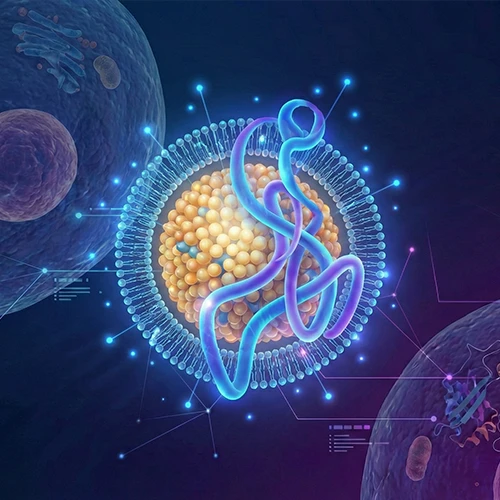

GSTM1 Gene Test (Glutathione S-Transferase Mu 1)
The GSTM1 gene test analyses DNA for a common insertion/deletion variant that determines whether you produce functional glutathione S-transferase Mu 1 enzyme or have a "null" genotype with no enzyme activity. Understanding your GSTM1 status adds genetic context to detoxification capacity, oxidative stress handling, and long-term cancer and cardiometabolic risk so you can tailor environment, nutrition, and prevention instead of guessing.

Sample type
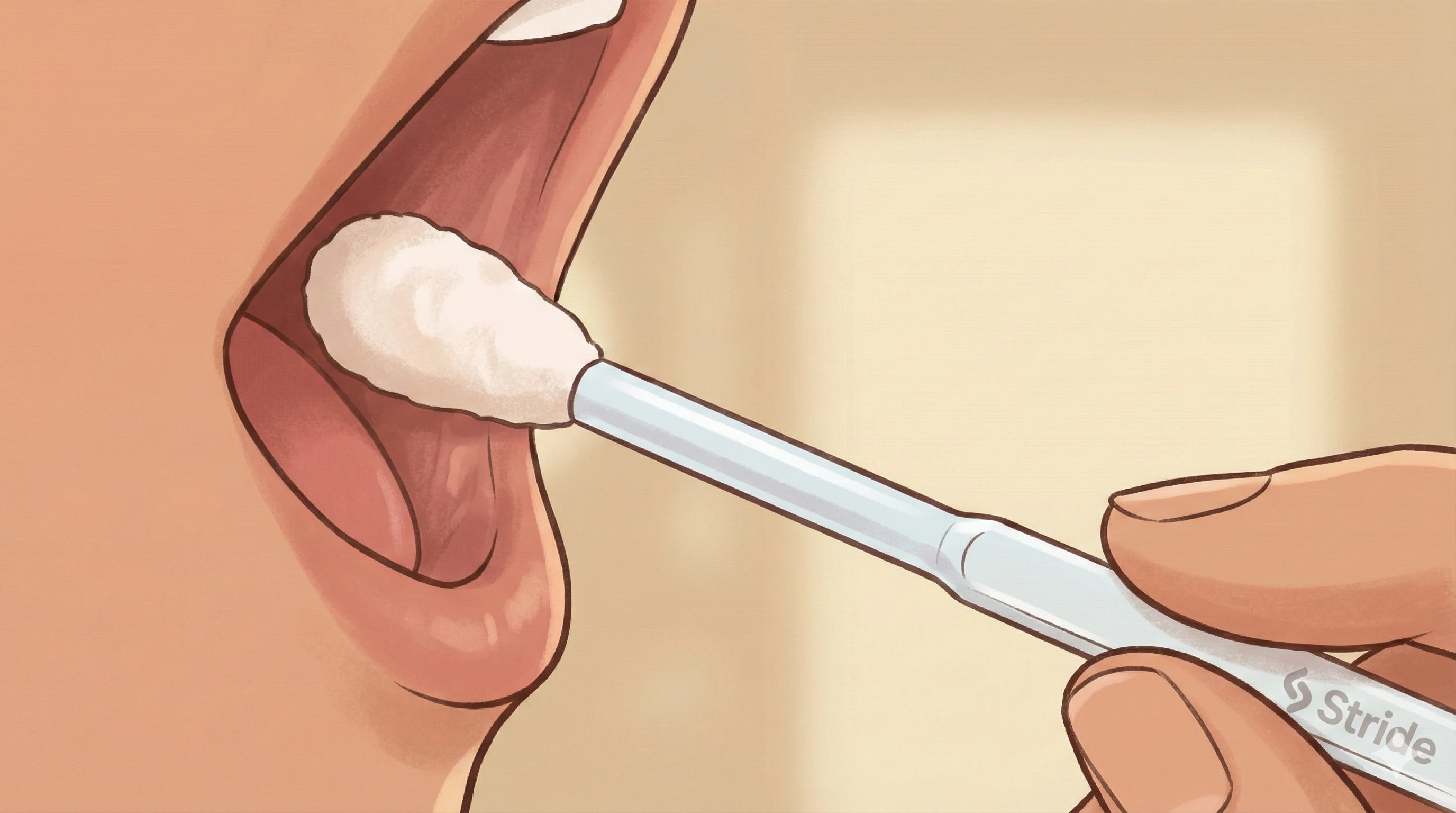
Cheek swab, Blood sample

Collection
At-home

Often paired with
Liver enzymes, inflammatory and oxidative stress markers, kidney function, cardiovascular risk markers, other glutathione and phase II detox genes

Fasting required
Not required for DNA testing; follow clinical guidance for any accompanying blood tests
Key benefits of testing GSTM1
- Identify whether you have the GSTM1 "present" genotype with functional enzyme activity or the GSTM1 "null" genotype with complete loss of GSTM1 enzyme function.
- Help explain why you may be more sensitive to smoke, pollution, solvents, pesticides, or certain drugs, or why markers of oxidative stress, kidney function, or vascular health drift despite similar lifestyles to others.
- Inform personalised strategies around cruciferous vegetable intake, antioxidant and glutathione support, and exposure reduction if you lack GSTM1 activity.
- Provide context for cancer and chronic disease risk in environments with high toxic load, particularly in combination with other detox genes, smoking, or infection.
- Clarify your baseline glutathione-conjugation capacity alongside liver, kidney, vascular, and inflammatory biomarkers, so prevention plans can focus on changes that move the needle most for your biology.
What is the GSTM1 gene?
GSTM1 encodes glutathione S‑transferase Mu 1, a cytosolic phase II detoxification enzyme in the Mu class of the glutathione S‑transferase (GST) superfamily. These enzymes catalyse the conjugation of reduced glutathione (GSH) to electrophilic and lipophilic compounds, making them more water soluble and easier to eliminate.
GSTM1 is highly polymorphic. A common homozygous gene deletion, known as the GSTM1 null genotype, results in complete absence of GSTM1 protein and enzymatic activity. People with the present genotype retain enzyme function. This structural difference has been widely studied in relation to detoxification of carcinogens, oxidative stress byproducts, and environmental toxins.
What does GSTM1 do?
GSTM1 sits at a critical junction in detoxification pathways by catalysing glutathione conjugation of a broad range of reactive compounds, including products of oxidative stress and several classes of environmental and endogenous toxins. These include reactive aldehydes such as acrolein and 4‑hydroxynonenal, nitrosamines, polycyclic aromatic hydrocarbons, some pesticides, and chemotherapeutic agents.
Beyond its catalytic role, GSTM1 also has non‑catalytic functions. It can bind and modulate signalling proteins such as ASK1, helping keep pro‑apoptotic and pro‑inflammatory kinase pathways in check under basal conditions. Loss of GSTM1 may therefore increase vulnerability not just by reducing detoxification capacity but also by weakening control of stress and cell death signalling cascades.
Why is GSTM1 important for health?
GSTM1 contributes to three interconnected systems: detoxification and oxidative stress control, vascular and kidney health, and long‑term cancer and cardiometabolic risk. By removing reactive electrophiles and products of lipid peroxidation, GSTM1 helps protect DNA, proteins, and lipids from cumulative damage, especially in tissues exposed to toxins and high oxidative stress.
The GSTM1 null genotype has been associated in various populations with increased risk of several cancers, including gastric and prostate cancer, particularly in the context of additional risk factors such as Helicobacter pylori infection or smoking. It has also been linked to higher oxidative stress, altered vascular smooth muscle signalling, and potential contributions to kidney disease and cardiovascular risk in some cohorts. The size and direction of these effects vary across studies and are strongly influenced by environment and lifestyle.
GSTM1 vs liver enzymes and detox panels
It is easy to assume that GSTM1 testing and standard liver or "detox" blood tests tell you the same story, but they answer different questions. GSTM1 genotyping asks whether you have the genetic capacity to produce this specific glutathione S‑transferase or whether the enzyme is completely absent due to a gene deletion. This result is stable throughout life.
Liver enzymes, oxidative stress markers, and general biochemistry show how your organs and antioxidant systems are coping right now with your current exposures, diet, and lifestyle. These may remain normal even in GSTM1 null individuals if exposures are low and other GSTs and antioxidant systems compensate. Conversely, they can be abnormal in people with present GSTM1 if toxic burden or other stresses overwhelm defences. Together, genotype and phenotypic markers provide a more complete picture.
Factors that modify GSTM1 effects
The influence of GSTM1 present or null genotypes is shaped far more by environment, diet, and co‑existing pathways than by the gene alone. Several modifiable factors can either buffer genetic effects or amplify them.
- Environmental and occupational exposures: Tobacco smoke, air pollution, solvents, heavy metals, pesticides, and other toxins greatly increase the burden of substrates that GSTM1 would normally help neutralise. In GSTM1 null individuals, exposure reduction and protective measures are particularly important.
- Diet quality and cruciferous vegetables: Diets rich in fruits, vegetables, and especially cruciferous vegetables enhance Nrf2 signalling and upregulate other detox enzymes, helping compensate for GSTM1 loss. Poor diet quality and low antioxidant intake amplify oxidative stress, especially when GSTM1 is absent.
- Overall glutathione status: Adequate protein, sulphur amino acids, and micronutrients that support glutathione synthesis help maintain detox capacity. Low glutathione reserve makes GSTM1 deficiency more significant and also stresses other GST family members.
- Kidney and vascular health: GSTM1 plays a role in detoxifying reactive aldehydes that damage blood vessels and kidney tissue. Hypertension, chronic kidney disease, and vascular disease can be more sensitive to oxidative stress in GSTM1 null individuals, making blood pressure control, kidney monitoring, and vascular support key.
- Other genetic factors: Polymorphisms in other GST genes (such as GSTT1 and GSTP1), antioxidant enzymes, and drug metabolising enzymes can compound or buffer GSTM1 effects. A broader view of detox genetics provides better context than GSTM1 alone.
- Lifestyle and systemic inflammation: Physical activity, healthy body composition, good sleep, and low chronic inflammation all reduce oxidative stress load. These lifestyle factors can substantially mitigate GSTM1-related vulnerability.
GSTM1 variants without symptoms
Yes, and this is the rule rather than the exception. Many people with the GSTM1 null genotype never experience clear, direct symptoms attributable solely to this gene and may only discover their status through DNA testing.
Clinical consequences of GSTM1 variation usually emerge over years as subtle differences in risk when combined with exposures and other risk factors. Symptoms such as fatigue, headaches, or "sensitivity" to chemicals are non‑specific and can reflect numerous biological and environmental influences beyond GSTM1. The gene modulates susceptibility rather than acting as a simple cause.
Common GSTM1 genotypes
GSTM1 genotypes mainly differ in whether the gene is present and functional or completely deleted, which determines whether any GSTM1 protein is produced. Understanding your pattern can help tailor exposure reduction, diet, and monitoring rather than treating detoxification capacity as fixed and mysterious.
- GSTM1 present (insertion genotype): At least one copy of the GSTM1 gene is present, and functional enzyme can be produced. Detoxification of GSTM1 substrates is available, although actual activity still depends on glutathione status, Nrf2 signalling, and overall exposures.
- GSTM1 null (homozygous deletion): Both copies of the GSTM1 gene are deleted, and no GSTM1 enzyme is produced. Detoxification of GSTM1-specific substrates depends entirely on other detoxification and antioxidant pathways. This genotype has been associated with increased risk of some cancers and higher sensitivity to oxidative stress in many, but not all, studies.
- Combined GSTM1 and other GST genotypes: The overall detox and oxidative stress profile is shaped by the combination of GSTM1 with other GST genes such as GSTT1 and GSTP1. For example, combined null genotypes in GSTM1 and GSTT1 may have a larger impact than either alone in some exposures.
Preparing for a GSTM1 test
For DNA-based GSTM1 testing, preparation is straightforward because your genotype does not change with diet, exposures, or medications. The key step is selecting a panel that interprets GSTM1 in the context of other detox genes, blood markers, and lifestyle so that results translate into actionable strategies.
Standalone GSTM1 genotyping using saliva or blood does not require fasting. If GSTM1 is bundled with liver function, oxidative stress, or kidney markers, your clinician or testing instructions may recommend specific preparation, such as avoiding intense exercise or alcohol immediately beforehand, to obtain a stable baseline.
Do I need a GSTM1 test?
A GSTM1 test is most valuable when the result will influence how you approach exposures, diet, and long‑term prevention, rather than as a curiosity in isolation. It becomes particularly informative when interpreted alongside lifestyle, environment, and organ-level biomarkers.
- Significant current or past exposure: If you smoke, have smoked, or are exposed to air pollution, solvents, pesticides, or other toxins, GSTM1 genotyping can inform how aggressively to pursue exposure reduction and antioxidant support.
- Family or personal history of certain cancers or kidney disease: In people with clustering of gastric, prostate, or other GST-related cancers, or with kidney disease and high oxidative stress, GSTM1 can add context to risk assessment and monitoring strategies.
- Unexplained oxidative stress or vascular trends: If oxidative stress markers, kidney function, or vascular health drift without clear cause, GSTM1 status can help prioritise detox support and environmental review.
- Building a detoxification and longevity roadmap: Within a broader DNA and blood testing programme, GSTM1 provides a durable anchor for long-term decisions about environment, diet, and organ monitoring.
Stride tests that include GSTM1


Health Tests
Core DNA Methylation Test
5 reports: Methylation profile reports
From $229 $183.20
FAQs
What is the GSTM1 gene test?
The GSTM1 gene test analyses your DNA from blood or saliva to determine whether the glutathione S‑transferase Mu 1 gene is present and functional or deleted (null), which in turn shows whether you can make this detoxification enzyme or not.
What does a GSTM1 null variant mean?
A GSTM1 null genotype means both copies of the gene are deleted and you produce no GSTM1 enzyme. This can increase vulnerability to certain toxins, carcinogens, and oxidative stress, particularly in high exposure environments or alongside other risk factors.
Do GSTM1 variants always cause health problems?
No. Many people with the GSTM1 null genotype never develop related diseases, especially if exposures are low and diet, lifestyle, and other detox systems are supportive. Likewise, people with present GSTM1 can still develop toxin related conditions if overall burden is high and other systems are stressed.
Is GSTM1 testing used to choose medication?
GSTM1 testing is not routinely used to select medications, but it can provide background when considering drugs and chemotherapy agents that increase oxidative stress, and when planning antioxidant and organ support with your clinician.
Can GSTM1 affect how I respond to pollution, smoke, or chemicals?
Yes. GSTM1 contributes to detoxifying many pollutants and smoke-derived toxins, so the null genotype can increase sensitivity to air pollution, tobacco smoke, and some chemicals. Reducing exposure and supporting antioxidant defences are especially important in this context.
Do I need a GSTM1 test?
You might consider a GSTM1 test if the results would change how you approach exposure reduction, antioxidant and glutathione support, or organ monitoring, particularly if you have significant environmental exposures or a family history of GST-related cancers or kidney disease.
Do I need to fast for GSTM1 testing?
Fasting is not required for DNA-based GSTM1 testing. If concurrent blood tests such as liver enzymes, kidney markers, or oxidative stress panels are done, follow the preparation guidance for those tests.
How can I optimise my health if I carry the GSTM1 null genotype?
Rather than trying to change the gene, focus on reducing avoidable exposures (especially smoke and pollutants), eating a nutrient dense diet rich in colourful and cruciferous vegetables, supporting glutathione and antioxidant status, maintaining active and balanced daily routines, and tracking key organ and inflammation markers over time so you can see how small, consistent changes reshape your long‑term risk.