
Menu
-
Shop All
Contact
hey@getstride.com
Stride Health Group
Stride Health Group Ltd
Company No 05158025
Lamas Road
Badersfield
Norwich
England
NR10 5FB
UK
Extra 10% Off | Enter code GIFT at checkout






GSS Gene Test (Glutathione Synthetase)
The GSS gene test analyses DNA for variants in glutathione synthetase, the enzyme that catalyses the final step in glutathione synthesis and helps maintain intracellular antioxidant defences and redox balance. Understanding your GSS status adds genetic context to glutathione production, oxidative stress resilience, and rare glutathione synthetase deficiency so you can personalise antioxidant, detoxification, and long term prevention strategies instead of relying solely on population guidance.


Sample type
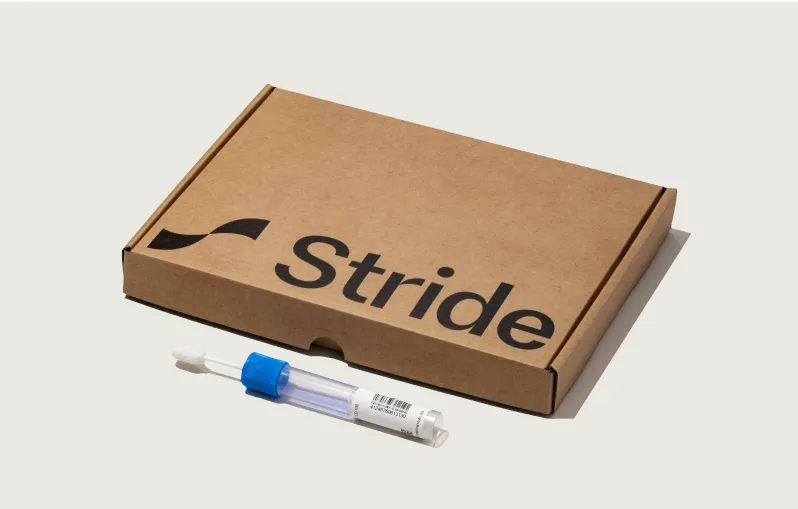
Cheek swab, Blood sample

Collection
At-home

Often paired with
Glutathione and redox markers, homocysteine and methylation panel, vitamin B2, B6 and B12, liver function tests, organic acids, haemolysis and anaemia workup

Fasting required
Not required for DNA testing; follow clinical guidance for any accompanying blood tests
What is the GSS gene?
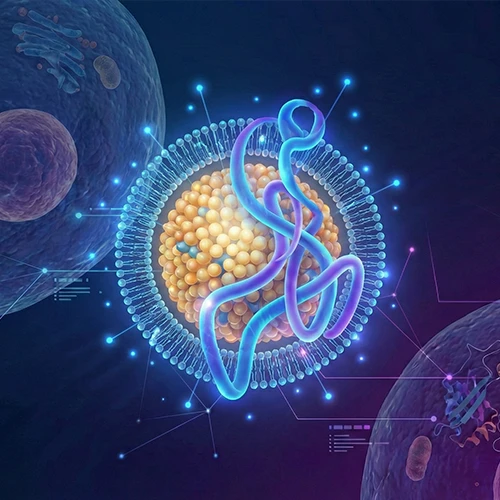
The GSS gene provides instructions for making glutathione synthetase, an ATP dependent enzyme that catalyses the second and final step of glutathione synthesis in the gamma glutamyl cycle. In this step, glutathione synthetase joins gamma glutamylcysteine with glycine to form glutathione, a tripeptide composed of glutamate, cysteine, and glycine.
Glutathione is one of the most abundant intracellular antioxidants in human cells and is required for detoxification of reactive oxygen species and xenobiotics, maintenance of protein sulfhydryl groups, amino acid transport, and as a cofactor for multiple enzymes. Pathogenic variants in GSS reduce enzyme stability or catalytic activity and cause glutathione synthetase deficiency, a rare autosomal recessive metabolic disorder with variable severity.
What does GSS do?
Glutathione synthetase functions as a homodimer and catalyses the ATP dependent condensation of gamma glutamylcysteine and glycine to form glutathione. This reaction is the final bottleneck in glutathione biosynthesis and is critical for maintaining adequate intracellular glutathione pools in red blood cells, liver, brain, and other tissues.
When GSS activity is reduced, cells produce less glutathione and accumulate gamma glutamylcysteine and 5 oxoproline (pyroglutamic acid) as part of a disrupted gamma glutamyl cycle. This can lead to metabolic acidosis, increased oxidative stress, haemolytic anaemia, and vulnerability to infections and neurological damage, depending on how much residual enzyme activity remains. In mild variants, red blood cells may be particularly affected, while more severe variants cause multi system disease.
Why is GSS important for health?
GSS sits at the heart of glutathione biosynthesis, which supports three interconnected domains: antioxidant defence, detoxification, and cellular redox signalling. Through the glutathione system, cells neutralise reactive oxygen species, detoxify electrophiles and xenobiotics, and maintain proteins in their proper redox state.
Glutathione synthetase deficiency can present in three broad forms: mild (usually limited to haemolytic anaemia), moderate (with metabolic acidosis and some neurological involvement), and severe (with profound metabolic acidosis, neurological impairment, recurrent infections, and risk of early mortality). Outside of this rare condition, glutathione production capacity influences how well an individual tolerates oxidative and toxic insults, although common GSS variation in the general population is less well characterised than in rare disease cohorts.
GSS vs "glutathione level" tests: what is the difference?
It is easy to conflate GSS genotyping with direct measures of glutathione, but they capture different aspects of the system. GSS testing looks at inherited variants that shape the activity of glutathione synthetase and therefore your baseline capacity to synthesise glutathione. Glutathione level tests, in blood or tissue, show how much reduced and oxidised glutathione is present at a given moment, reflecting both genetics and current demand.
A person with pathogenic GSS mutations will often have persistently low glutathione and elevated 5 oxoproline and may require lifelong management. Someone with normal GSS genotype but high oxidative stress, poor diet, or toxin exposure can also have low glutathione, which is usually more responsive to lifestyle and targeted support. Combining genotype with biochemical tests gives the clearest picture where rare deficiency is suspected.
What factors modify the effects of GSS variants?
The impact of GSS variants is strongly shaped by whether they are rare, severe pathogenic changes or milder alterations, and by the surrounding biochemical environment. Several modifiable factors can buffer or amplify GSS related tendencies.
- Overall oxidative stress load: Infections, inflammation, high intensity exercise without recovery, toxins, and metabolic stress all increase glutathione usage and can exacerbate symptoms in people with reduced GSS activity. Reducing avoidable oxidative stress and supporting recovery becomes especially important.
- Nutrient availability for glutathione synthesis: Adequate intake and absorption of cysteine (or precursors), glutamate, glycine, and cofactors such as vitamin B2 and B6 support the wider glutathione system. In GSS deficiency, boosting precursors and cofactors cannot fully substitute for absent enzyme, but in milder insufficiencies and normal genotypes it can support synthesis.
- Acid base balance and renal function: In moderate and severe GSS deficiency, accumulation of 5 oxoproline contributes to metabolic acidosis, and kidney function influences clearance of organic acids. Management often includes careful acid base monitoring and supportive care.
- Coexisting redox and detoxification genes: Variants in other glutathione related enzymes (such as GCLC, GCLM, GST family genes) and mitochondrial or antioxidant systems influence how GSS related changes manifest in real life. The combined pattern determines overall redox resilience.
- Infection and fever episodes in infancy and childhood: In severe GSS deficiency, intercurrent illnesses can precipitate metabolic crises. Early recognition, prompt medical care, and preventive strategies such as vaccination are key to minimising decompensation.
Can you have GSS variants without symptoms?
Yes. Many people carry benign or mild variants in GSS without ever developing glutathione synthetase deficiency or clear clinical symptoms, particularly when there is adequate enzyme activity and no major additional stressors.
Classical glutathione synthetase deficiency requires pathogenic mutations in both copies of the GSS gene and usually presents in early life. Heterozygous carriers of a single pathogenic variant are typically asymptomatic, although their redox reserve may be slightly different under extreme stress. In the general population, variation in glutathione levels is more commonly driven by lifestyle, environment, and other genes than by GSS alone.
GSS genotypes: how do common variants differ?
GSS genotypes can be divided into benign variation, carrier states for pathogenic mutations, and biallelic pathogenic variants that cause deficiency. Understanding your pattern is particularly important in rare disease contexts or when unexplained redox issues arise.
- Biallelic pathogenic variants (glutathione synthetase deficiency): When both copies of GSS carry damaging variants, individuals develop glutathione synthetase deficiency of mild, moderate, or severe type. Enzyme activity is reduced in red blood cells and other tissues, glutathione is low, and 5 oxoproline is elevated in urine, with symptoms depending on residual activity.
- Heterozygous carrier state: People with one pathogenic GSS variant and one normal allele usually have near normal enzyme activity and no clear clinical manifestations. Identification can be important for reproductive counselling when there is a family history of GSS deficiency.
- Polymorphisms and variants of uncertain significance: Other missense or non coding variants may be identified on sequencing, but many have uncertain or minimal functional impact and are interpreted in conjunction with biochemical and clinical data.
How do I prepare for a GSS test?
For DNA based GSS testing, preparation is straightforward because genotype does not change with diet or lifestyle. The main question is whether testing is being done to investigate suspected glutathione synthetase deficiency or as part of a broader preventive panel.
Standalone GSS genotyping using blood or saliva does not require fasting, since it assesses DNA sequence rather than current glutathione levels or organic acids. If GSS testing is combined with tests such as red cell glutathione, 5 oxoproline, homocysteine, liver function tests, or organic acid profiles, your clinician may suggest specific preparation so results are interpretable and comparable over time.
Do I need a GSS test?
A GSS test is most valuable in specific clinical scenarios, and less useful as a general screening tool without symptoms or abnormal labs. It is typically considered when there is suspicion of glutathione synthetase deficiency or when redox and metabolic markers raise targeted questions.
- Suspected glutathione synthetase deficiency: In infants or children with metabolic acidosis, haemolytic anaemia, neurological symptoms, or elevated 5 oxoproline, GSS sequencing is part of the diagnostic workup and helps classify severity and guide management.
- Unexplained redox and oxidative stress patterns: In individuals with unusual organic acid profiles, recurrent oxidative damage, or complex haemolytic patterns, GSS testing alongside other redox genes and biochemical assays may be considered by specialists.
- Family history of GSS deficiency: Relatives of an affected individual may undergo carrier testing and reproductive counselling, especially parents and siblings, to inform future pregnancy planning.
- Comprehensive redox and detoxification profiling: In deep preventive assessments, GSS genotyping may be included alongside other glutathione and antioxidant genes, but interpretation focuses on confirmed pathogenic variants rather than minor polymorphisms.
Stride tests that include GSS


Health Tests
Core DNA Methylation Test
5 reports: Methylation profile reports
From $229 $183.20

Health Tests
Advanced DNA & Methylation Test
29 reports: Methylation profile and nutrigenetic reports
From $349 $279.20

Health Tests
Optimal DNA & Methylation Test
46 reports: Methylation profile, nutrigenetic, fitness, sleep, stress and skin reports
From $479 $383.20
FAQs
What is the GSS gene test?
The GSS gene test analyses your DNA from blood or saliva to look for variants in the glutathione synthetase gene that influence how efficiently you synthesise glutathione in the gamma glutamyl cycle.
What does a GSS variant mean?
Pathogenic GSS variants can reduce glutathione synthetase activity and cause glutathione synthetase deficiency when present in both copies of the gene, while many other variants are benign or have mild effects that are best interpreted with biochemical and clinical context.
Do GSS variants always cause glutathione synthetase deficiency?
No. Glutathione synthetase deficiency is rare and usually requires pathogenic variants in both copies of the gene. Heterozygous carriers typically remain well, and mild or uncertain variants often have minimal clinical impact, especially when lifestyle supports redox balance.
Can GSS affect oxidative stress and detoxification?
Yes. Because GSS controls the final step of glutathione synthesis, significant reductions in its activity lower glutathione levels and increase vulnerability to oxidative stress and certain toxins. In milder cases, lifestyle and nutritional support can often bolster overall antioxidant defences.
Do I need a GSS test?
You might consider a GSS test if there is a clinical suspicion of glutathione synthetase deficiency, a suggestive family history, or complex redox and metabolic findings that a specialist feels warrant targeted genetic clarification, ideally as part of a comprehensive metabolic assessment.
Do I need to fast for GSS testing?
Fasting is not required for DNA based GSS testing, although accompanying tests such as glutathione levels, organic acids, homocysteine, or metabolic panels may have specific preparation instructions to keep results consistent and comparable over time.
How can I support GSS related pathways?
Rather than trying to change the gene, focus on reducing unnecessary oxidative stress, eating a nutrient dense diet that supplies amino acids and cofactors for glutathione synthesis, supporting liver and mitochondrial health, and working with clinicians to monitor and manage any identified deficiency so your antioxidant system can perform as well as possible over the long term.