
Menu
-
Shop All
Contact
hey@getstride.com
Stride Health Group
Stride Health Group Ltd
Company No 05158025
Lamas Road
Badersfield
Norwich
England
NR10 5FB
UK
Extra 10% Off | Enter code GIFT at checkout


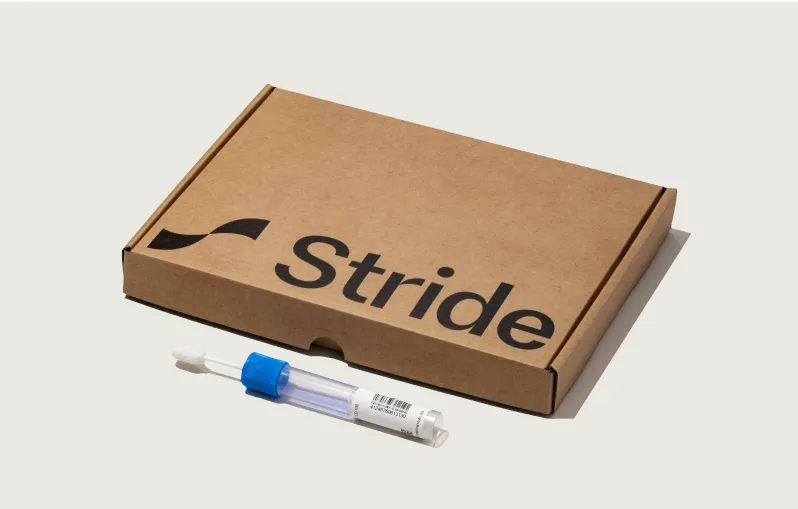





GLUT2 Gene Test (SLC2A2, Glucose Transporter 2)
The GLUT2 gene test analyses DNA for variants in SLC2A2, which encodes glucose transporter 2, a low affinity, high capacity transporter that sits at the crossroads of glucose sensing, liver glucose handling, and kidney and gut sugar transport. Understanding your GLUT2 status adds genetic context to fasting glucose, risk of type 2 diabetes, carbohydrate tolerance, and rare conditions such as Fanconi--Bickel syndrome so you can personalise metabolic health strategies instead of guessing.


Sample type
Cheek swab, Blood sample

Collection
At-home

Often paired with
Fasting glucose and insulin, oral glucose tolerance tests, HbA1c, liver function tests, kidney function, lipid profile, SLC2A2-related rare disease assessments, metformin response and other diabetes risk genes

Fasting required
Not required for DNA testing; fasting is usually recommended for accompanying metabolic blood tests and glucose tolerance assessments
Key benefits of testing GLUT2
- Identify whether you carry rare loss of function SLC2A2 variants that cause Fanconi--Bickel syndrome, a glycogen storage and renal tubular disorder with profound effects on glucose handling, or more common polymorphisms that modestly shape fasting glucose and risk of progression from impaired glucose tolerance to type 2 diabetes.
- Help explain patterns such as impaired fasting glucose, early conversion from prediabetes to diabetes, unusual glucosuria, or combinations of hepatomegaly and growth issues in rare paediatric cases when used in the right clinical context.
- Add context to carbohydrate tolerance and appetite regulation, since GLUT2 functions as a glucose sensor in liver, pancreas, gut, brain, and kidney and modulates insulin secretion, intestinal sugar absorption, and hypothalamic pathways that influence food intake and preference for high sugar diets.
- Inform personalised strategies around carbohydrate quality and quantity, meal timing, exercise, and, in specialist settings, monitoring and treatment plans for Fanconi--Bickel syndrome or higher risk of diabetes progression.
- Clarify your baseline glucose transport and sensing architecture alongside other metabolic markers, so long term glycaemic and liver and kidney health plans can be built on both genetics and real time biology.
What is the GLUT2 gene?
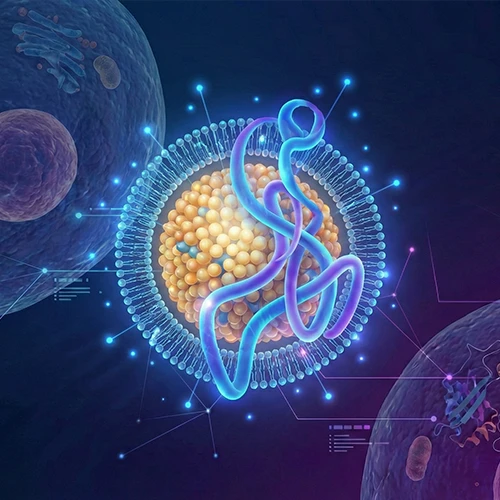
GLUT2, encoded by the SLC2A2 gene, is a facilitative glucose transporter that moves glucose and other hexoses across cell membranes down their concentration gradients. It has low affinity but high capacity, which makes it well suited to tissues that must handle large swings in glucose concentration.
SLC2A2 is expressed prominently in hepatocytes, pancreatic beta cells, intestinal enterocytes, renal proximal tubule cells, and in parts of the brain. In these tissues, GLUT2 plays a dual role: transporting glucose, fructose, and galactose when concentrations are high, and acting as a glucose sensor that helps coordinate insulin secretion, hepatic glucose output, intestinal absorption, renal reabsorption, and central regulation of appetite and energy balance.
What does GLUT2 do?
In the liver, GLUT2 sits on the sinusoidal membrane of hepatocytes and facilitates bidirectional glucose transport between blood and liver cells. After a carbohydrate‑rich meal it allows rapid uptake of glucose for glycogen synthesis and glycolysis; during fasting it allows hepatic glucose output via glycogenolysis and gluconeogenesis to enter the circulation.
In pancreatic beta cells, GLUT2 contributes to glucose entry and sensing, helping match insulin secretion to blood glucose levels, although in humans other GLUT transporters may also play significant roles. In intestinal enterocytes and renal proximal tubules, GLUT2 helps move glucose, fructose, and galactose from the lumen or filtrate into the bloodstream when luminal sugar concentrations are high, providing capacity beyond apical transporters. In the brain, GLUT2 participates in glucose sensing circuits that regulate neuropeptides such as NPY and POMC and influence appetite and preference for sweet foods.
Why is GLUT2 important for health?
GLUT2 is central to glucose homeostasis and rare but important monogenic disease. Biallelic loss of function SLC2A2 variants cause Fanconi--Bickel syndrome, a glycogen storage disease (type XI) with impaired GLUT2‑mediated glucose transport. This leads to glycogen accumulation in liver and kidney, fasting hypoglycaemia, postprandial hyperglycaemia, glucosuria, proximal renal tubular dysfunction, rickets, growth failure, and characteristic metabolic abnormalities from early infancy. Recognising this syndrome allows targeted dietary management and specialist follow up.
Beyond rare disease, polymorphisms in SLC2A2 have been associated with fasting plasma glucose, impaired insulin secretion, and conversion from impaired glucose tolerance to type 2 diabetes. In the Finnish Diabetes Prevention Study, several SLC2A2 SNPs predicted approximately threefold higher risk of progression from impaired glucose tolerance to diabetes, particularly in certain genotypes, and individuals with higher risk genotypes appeared to benefit more from lifestyle intervention. Other studies link SLC2A2 variants to fasting glucose in healthy adults, suggesting a role in fine tuning beta cell sensing and hepatic glucose handling.
GLUT2 vs glucose and metabolic markers
It is easy to assume that GLUT2 testing and current glucose or HbA1c results tell you the same story, but they capture different layers of your biology. Fasting glucose, HbA1c, insulin, and oral glucose tolerance tests show how your glucose metabolism is performing now; liver and kidney tests show current organ function; GLUT2 genotyping reveals inherited differences in a key glucose transporter and sensor that help set the baseline for how your body moves and senses glucose and related sugars over time.
This distinction matters because you can carry SLC2A2 risk polymorphisms and still maintain normal glucose with effective lifestyle and early intervention, and you can develop diabetes without high risk SLC2A2 variants due to other genes and lifestyle factors. In rare Fanconi--Bickel syndrome, SLC2A2 variants directly cause disease, but in common metabolic conditions GLUT2 sits within a network of glucose homeostasis genes.
Factors that modify GLUT2 effects
The influence of GLUT2 variants is shaped by diet, body composition, physical activity, and coexisting metabolic factors rather than by the gene alone, which means you have meaningful room to change the trajectory. Several modifiable factors can either buffer or amplify any genetic tendency.
- Carbohydrate load and quality: High intakes of rapidly absorbed sugars and refined carbohydrates increase the demands on intestinal and hepatic GLUT2 and can unmask genetic vulnerability to hyperglycaemia and impaired glucose tolerance. Diets that emphasise lower glycaemic load, fibre, and whole foods make it easier to maintain stable glycaemia.
- Body weight and insulin sensitivity: Central obesity and insulin resistance place additional stress on beta cells and hepatic glucose handling and magnify the impact of SLC2A2 risk variants on fasting glucose and diabetes progression. Weight loss and improved muscle mass and insulin sensitivity are powerful modifiers.
- Physical activity: Regular aerobic and resistance exercise improves insulin sensitivity and glucose uptake independent of GLUT2, reducing the pressure on beta cells and liver to manage high glucose loads and mitigating the practical impact of risk variants.
- Coexisting pancreatic and hepatic health: Non‑alcoholic fatty liver disease, chronic liver disease, and beta cell stress from other causes interact with GLUT2‑related glucose transport and sensing, influencing how SLC2A2 polymorphisms show up clinically.
- Early detection and intervention: In individuals with impaired glucose tolerance and higher risk genotypes, timely lifestyle changes can significantly reduce progression to diabetes, suggesting that knowing about SLC2A2 variants may be most useful when coupled to active prevention.
GLUT2 variants without symptoms
Yes, and this is typical. Many people carry SLC2A2 polymorphisms associated with higher fasting glucose or greater risk of progression from impaired glucose tolerance to type 2 diabetes but never develop diabetes, especially when diet, weight, and activity are well managed. In these settings, SLC2A2 variants are small contributors to overall risk.
Even in Fanconi--Bickel syndrome, clinical severity can vary, and milder cases may present later with more subtle features such as isolated glucosuria or less pronounced growth and bone changes. Conversely, typical SLC2A2 genotypes do not guarantee normal glucose metabolism if other genes or strong environmental risks are present.
Common GLUT2 genotypes
GLUT2 genotypes fall broadly into rare loss of function variants that cause Fanconi--Bickel syndrome when biallelic, and common polymorphisms that modestly influence glycaemic traits.
- Biallelic loss of function SLC2A2 variants: Nonsense, frameshift, or critical missense variants that severely impair GLUT2 function on both alleles cause Fanconi--Bickel syndrome. Clinical features include hepatomegaly, fasting hypoglycaemia with postprandial hyperglycaemia, glucosuria, proximal renal tubular dysfunction, rickets, and growth retardation.
- Heterozygous carriers of SLC2A2 loss of function variants: Usually asymptomatic or have mild biochemical changes, but carrier status is relevant for family planning and for understanding autosomal recessive risk when both parents carry variants.
- Common SLC2A2 polymorphisms: Several SNPs, including rs5393 and others identified in prevention and GWAS studies, are associated with higher fasting plasma glucose and increased risk of conversion from impaired glucose tolerance to type 2 diabetes. These variants alter risk probabilities but do not by themselves cause diabetes.
Preparing for a GLUT2 test
For DNA based GLUT2 testing, preparation is simple because your genotype does not change with diet or medication. The key step is deciding whether you are testing for suspected Fanconi--Bickel syndrome, for risk stratification in impaired glucose tolerance, or as part of a broader metabolic and pharmacogenetic panel, and ensuring that appropriate clinical information and lab data are available to interpret the result.
GLUT2 genotyping from blood or saliva does not require fasting. If testing is combined with fasting glucose, oral glucose tolerance tests, HbA1c, liver and kidney function, or other metabolic panels, you should follow the preparation instructions for those blood tests, usually including an overnight fast and guidance on medications and recent illness.
Do I need a GLUT2 test?
A GLUT2 test is most valuable when it will influence how you and your clinical team manage glucose, liver and kidney health, or rare disease and when it sits inside a clear clinical or prevention plan. It is less helpful in isolation without other metabolic data.
- Suspected Fanconi--Bickel syndrome: In infants or children with hepatomegaly, growth retardation, fasting hypoglycaemia, postprandial hyperglycaemia, glucosuria, metabolic acidosis, hypophosphataemia, and rickets, SLC2A2 sequencing is critical for confirming diagnosis, guiding management, and providing family counselling.
- Impaired glucose tolerance or high diabetes risk: For adults with impaired glucose tolerance, obesity, or strong family history of diabetes, SLC2A2 genotyping may add nuance to risk assessment and can help identify individuals who might benefit most from intensive lifestyle interventions, although it is not standard of care.
- Research or advanced prevention settings: In high detail metabolic prevention or research programmes, GLUT2 status can complement other glucose homeostasis genes and pharmacogenetic markers to refine plans for diet, exercise, monitoring, and potential treatment choices.
- Family planning in known Fanconi--Bickel syndrome families: Carrier testing for SLC2A2 can support reproductive decision making and early diagnosis in at risk offspring.
Stride tests that include GLUT2


Health Tests
Core DNA Methylation Test
5 reports: Methylation profile reports
From $229 $183.20
FAQs
What is the GLUT2 (SLC2A2) gene test?
The GLUT2 gene test analyses your DNA from blood or saliva to look for variants in the SLC2A2 gene that encodes glucose transporter 2, which influences glucose transport and sensing in liver, pancreas, intestine, kidney, and brain and affects glucose homeostasis and rare conditions such as Fanconi--Bickel syndrome.
What does a GLUT2 (SLC2A2) gene variant mean?
Biallelic loss of function SLC2A2 variants cause Fanconi--Bickel syndrome with glycogen storage, hepatomegaly, renal tubular dysfunction, and disordered glucose homeostasis, while more common polymorphisms can modestly raise fasting glucose and increase the risk of progression from impaired glucose tolerance to type 2 diabetes.
Do GLUT2 variants always cause diabetes or Fanconi--Bickel syndrome?
No; Fanconi--Bickel syndrome requires biallelic pathogenic SLC2A2 variants and has a distinct paediatric presentation, and common SLC2A2 polymorphisms usually shift risk rather than cause diabetes directly. Many people with risk alleles never develop diabetes, especially with strong lifestyle support.
Is GLUT2 testing recommended for routine diabetes screening?
GLUT2 testing is not part of routine diabetes screening. It is mainly used for diagnosing Fanconi--Bickel syndrome, in research and advanced prevention programmes, or occasionally for risk stratification in people with impaired glucose tolerance where genetics will inform intensity of intervention.
Can GLUT2 affect how I handle carbohydrates?
Yes; GLUT2 is an important transporter and sensor for glucose, fructose, and galactose. Variants that alter its function can influence fasting glucose, beta cell sensing, and how quickly impaired glucose tolerance progresses, particularly in the presence of high carbohydrate loads and insulin resistance.
Do I need a GLUT2 (SLC2A2) test?
You might consider a GLUT2 test if there is a clinical picture suggestive of Fanconi--Bickel syndrome, if you have impaired glucose tolerance and are taking part in high detail prevention work, or if you are part of a family with known SLC2A2 variants and need carrier or diagnostic testing as part of a clear clinical plan.
Do I need to fast for GLUT2 testing?
Fasting is not required for DNA based GLUT2 testing, although any accompanying metabolic blood tests such as fasting glucose, oral glucose tolerance, or HbA1c usually require an overnight fast or specific preparation to ensure accurate and comparable results.
How can I optimise GLUT2 related pathways?
Rather than trying to change the gene, focus on moderating total carbohydrate and sugar load, favouring high fibre, minimally processed sources, maintaining a healthy weight and waist circumference, exercising regularly, supporting liver and kidney health, and working with a clinician on early detection and management of impaired glucose tolerance so your long term metabolic risk stays as low as possible, whatever your GLUT2 genotype.