
Menu
-
Shop All
Contact
hey@getstride.com
Stride Health Group
Stride Health Group Ltd
Company No 05158025
Lamas Road
Badersfield
Norwich
England
NR10 5FB
UK
Extra 10% Off | Enter code GIFT at checkout






Gamma GT (GGT) Blood Test
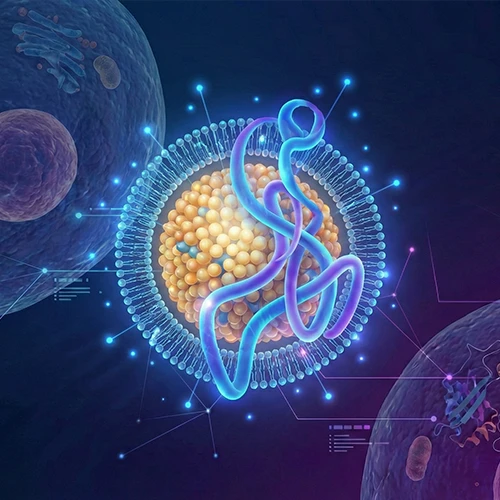
Gamma GT GGT, also called gamma glutamyl transferase, is an enzyme found mainly in your liver and bile ducts and in smaller amounts in your kidneys, pancreas, and other tissues. A GGT blood test is a sensitive marker of how your liver and bile ducts are coping with alcohol, medications, metabolic health, and bile flow, often picking up stress before other tests change.

Sample type
Blood sample

Collection
At-home

Often paired with
ALT, AST, ALP, bilirubin, albumin, full blood count, lipids, HbA1c, ferritin, ultrasound or other liver imaging

Fasting required
1
Key benefits of testing Gamma GT
A GGT blood test can help you:
- Detect early liver and bile duct stress from alcohol, fatty liver, medications, or toxins even when you feel well.
- Distinguish liver or bile duct disease from bone conditions when ALP is raised, since GGT tracks liver and bile rather than bone.
- Monitor the impact of alcohol reduction, weight loss, and metabolic improvements on liver resilience.
- Support assessment of metabolic risk, since raised GGT often travels with insulin resistance, obesity, and cardiovascular risk.
- Provide context when ultrasound or other liver tests are borderline or confusing.
What is Gamma GT
GGT is an enzyme involved in the gamma glutamyl cycle, which helps move amino acids into cells and maintain glutathione, one of your main antioxidant and detoxification systems. In practice:
- GGT is highly concentrated in the cells lining your bile ducts and in liver cells.
- When these cells are stressed, induced by toxins or alcohol, or damaged, they release more GGT into the bloodstream.
- GGT is therefore a sensitive, though not completely specific, marker of hepatobiliary stress.
What does GGT do in the body
At a biochemical level, GGT:
- Transfers gamma glutamyl groups between molecules, helping recycle glutathione and support antioxidant defences.
- Plays a role in the metabolism of drugs and environmental toxins handled by the liver.
In blood tests:
- GGT itself is not a hormone; its blood level is a sign of how hard your liver and bile ducts are working and whether they are under strain.
- Modest increases can occur as an adaptive response to regular alcohol or certain medicines, while higher levels usually indicate more significant stress or injury.
Why is GGT important for liver, bile, and metabolic health
GGT matters because:
- It rises in many types of liver and bile duct disease, including alcohol related liver disease, metabolic dysfunction associated steatotic liver disease MASLD, viral hepatitis, drug induced injury, and biliary obstruction from gallstones or strictures.
- High GGT together with high ALP points strongly to cholestatic or bile duct related patterns, while normal GGT with raised ALP suggests bone as the main source.
- Even within the "normal" range, higher GGT is consistently associated with greater metabolic risk, oxidative stress, and future cardiovascular events, particularly when combined with central obesity and raised triglycerides.
GGT vs ALT vs ALP vs bilirubin: what is the difference
These markers complement one another:
- GGT is a sensitive marker of liver and bile duct stress and responds to alcohol and toxins.
- ALT alanine transferase is more specific for liver cell hepatocellular injury.
- ALP alkaline phosphatase comes from bile ducts and bone. Raised ALP with raised GGT points to liver or bile, while raised ALP with normal GGT points to bone.
- Bilirubin reflects how well red cell breakdown products are processed and excreted and tends to rise later as bile flow or liver function become more impaired.
Common patterns:
- Raised GGT and ALP with less marked ALT and AST suggests cholestasis or bile duct problems.
- Raised GGT with ALT and AST in someone drinking regularly suggests alcohol related liver stress.
- Normal GGT with raised ALT and AST can be seen in primarily hepatocellular injury without significant cholestasis.
What factors affect GGT levels
GGT is influenced by liver health, bile flow, alcohol, medicines, and metabolic state. Key factors include:
1. Alcohol intake
- Regular alcohol intake increases GGT through enzyme induction and cell stress, even before overt liver damage.
- Heavy drinking and alcohol related liver disease can produce particularly high GGT, often with raised AST, ALT, and sometimes MCV on full blood count.
2. Metabolic health and fatty liver
- MASLD, linked to central weight gain, insulin resistance, type 2 diabetes, and high triglycerides, commonly raises GGT.
- GGT can act as a metabolic stress signal, often improving when weight, insulin resistance, and lipids are brought under better control.
3. Medications and supplements
- Anticonvulsants, some antibiotics, statins, certain antidepressants, hormone therapies, and herbal or bodybuilding supplements can increase GGT.
- Induction of liver enzymes, even without damage, can raise levels.
4. Bile duct and liver diseases
- Gallstones, bile duct strictures, primary biliary cholangitis, primary sclerosing cholangitis, and some tumors can raise GGT, especially with ALP.
- Viral and autoimmune hepatitis and drug induced liver injury can also elevate GGT to varying degrees.
5. Age, sex, and other factors
- Men tend to have higher GGT than women at baseline.
- Age, genetics, and coexisting conditions such as heart failure or pancreatic disease can influence levels.
Can GGT be high if I feel well
Yes. Mildly to moderately raised GGT is often found in people who feel well, especially when:
- Alcohol intake is above low risk guidelines, even if not perceived as heavy.
- There is early fatty liver associated with weight, waist circumference, or metabolic markers.
- Medications or supplements are inducing liver enzymes without obvious symptoms.
This silent pattern is one of the reasons GGT is valuable in health checks. It can prompt a conversation about alcohol, metabolic health, and medication review before more serious disease develops.
Normal vs high GGT: what is the difference
Reference ranges vary by lab, age, and sex, but typical adult GGT ranges are around:
- Approximately 5 to 40 U/L, with some UK labs using upper limits around 42 U/L.
- Upper limits are often higher in men than in women.
Broadly:
- Normal or low GGT makes significant hepatobiliary disease less likely, especially if other liver tests are normal.
- Mild elevation often 1 to 3 times the upper limit may reflect alcohol use, early fatty liver, medicines, or mild cholestasis.
- Higher elevations raise concern for more significant cholestasis, alcohol related disease, or other liver pathology and usually prompt further testing and imaging.
Do I need to fast for a Gamma GT blood test
You will often be asked to fast for GGT testing because:
- GGT can fall after meals, so a fasting sample makes comparisons more reliable.
- Alcohol in the 24 hours before testing can significantly raise GGT and confuse interpretation.
Common instructions include:
- No food or drink except water for at least 8 hours before the test.
- Avoid alcohol for at least 24 hours and sometimes longer.
- Discuss any medicines or supplements with your clinician, who may advise whether to pause specific items before testing.
How can raised GGT be improved clinician guided
Improving GGT is about reducing liver and bile duct stress and addressing metabolic drivers. Depending on your situation, clinician guided strategies may include:
- Reducing or stopping alcohol intake, often with noticeable GGT improvements over weeks to months.
- Supporting weight loss, waist reduction, and insulin sensitivity with personalised nutrition, physical activity, and sleep strategies to improve fatty liver.
- Reviewing and, where safe and appropriate, adjusting medicines and supplements that may be affecting GGT.
- Investigating and treating bile duct or liver diseases when patterns and symptoms suggest structural problems.
- Tracking GGT alongside ALT, AST, ALP, bilirubin, lipids, and HbA1c to monitor liver and metabolic resilience over time.
Stride tests that include GGT
FAQs
What is the Gamma GT (GGT) blood test
The Gamma GT GGT blood test measures the level of gamma glutamyl transferase, a liver and bile duct enzyme, in your blood. High GGT suggests that your liver or bile ducts are under stress from alcohol, fatty liver, medications, or other conditions, even if you feel well.
What is a normal GGT level
Normal GGT ranges differ slightly between laboratories and by sex, but many use an adult reference range of about 5 to 40 U/L, with a slightly higher upper limit in men. Your result report will show the range used and whether your level is within, slightly above, or clearly above that range.
What is an optimal GGT level for health
Optimal GGT is a stable value within the normal range, ideally toward the lower end, without an upward trend over time and with other liver and metabolic markers in healthy ranges. The best target for you depends on age, sex, body composition, alcohol intake, medications, and metabolic status.
Is GGT better than ALT for checking alcohol related liver stress
GGT and ALT provide different clues. GGT is particularly sensitive to alcohol and enzyme induction, while ALT is more specific for liver cell injury. High GGT with relatively lower ALT, especially alongside raised triglycerides, blood pressure, or waist size, can be especially suggestive of alcohol and metabolic related stress.
Can GGT be high if I drink very little or no alcohol
Yes. While alcohol is a common cause of raised GGT, levels can also increase with fatty liver, certain medicines, bile duct disease, heart failure, pancreatic disease, and other liver conditions. That is why GGT is always interpreted in context with your history and other tests.
Do I need a Gamma GT (GGT) test
You may benefit from a GGT test if you drink alcohol regularly, have risk factors for fatty liver such as central weight gain or type 2 diabetes, take medicines that affect the liver, or have abnormal ALP, ALT, AST, or bilirubin. GGT is also useful in comprehensive health checks where you want a deeper view of liver and metabolic resilience.
Do I need to fast for a GGT test
You are often asked to fast and avoid alcohol before a GGT test to reduce short term variation. Typical advice is to have only water for at least 8 hours before your blood draw and avoid alcohol for at least 24 hours, though local instructions may vary.
How can I lower a high GGT result
Lowering GGT usually means easing liver and bile duct stress. Practical steps include reducing or stopping alcohol, improving diet quality and body composition, increasing physical activity, reviewing medicines and supplements with your clinician, and addressing metabolic issues such as high triglycerides and insulin resistance. With these changes, GGT often falls over weeks to months.
Do I need a Gamma GT (GGT) blood test
If you want a clear view of how your liver is handling alcohol, weight, and metabolic load, or you already have raised liver enzymes, fatty liver, or cardiovascular risk, discussing a GGT test as part of a broader liver and metabolic panel is a sensible step. Within StrideOne, GGT is measured alongside hundreds of other biomarkers, helping you understand exactly how this enzyme fits into your liver health and long term risk profile.