
Menu
-
Shop All
Contact
hey@getstride.com
Stride Health Group
Stride Health Group Ltd
Company No 05158025
Lamas Road
Badersfield
Norwich
England
NR10 5FB
UK
Extra 10% Off | Enter code GIFT at checkout


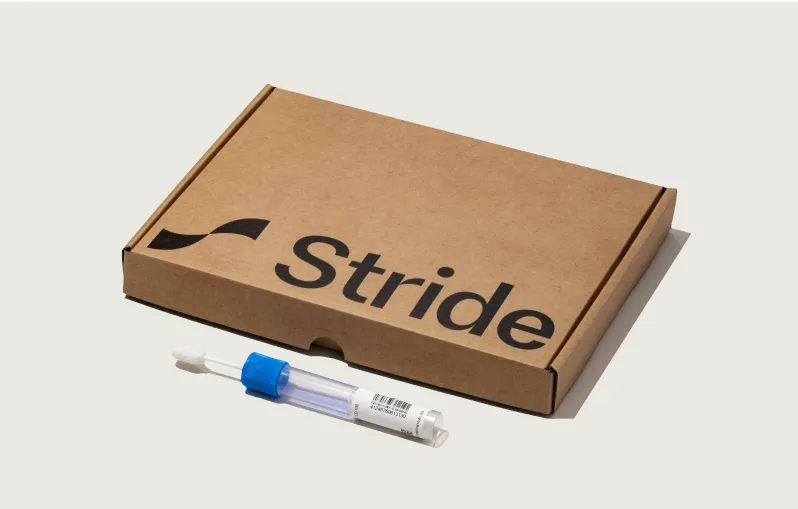





FTO Gene Test (Fat Mass and Obesity Associated)
The FTO gene test analyses DNA for common variants in the fat mass and obesity associated gene that influence appetite regulation, energy balance, and how easily you gain or lose body fat. Understanding your FTO status adds genetic context to weight tendency, eating behaviour, and metabolic risk so you can personalise nutrition and training instead of guessing.
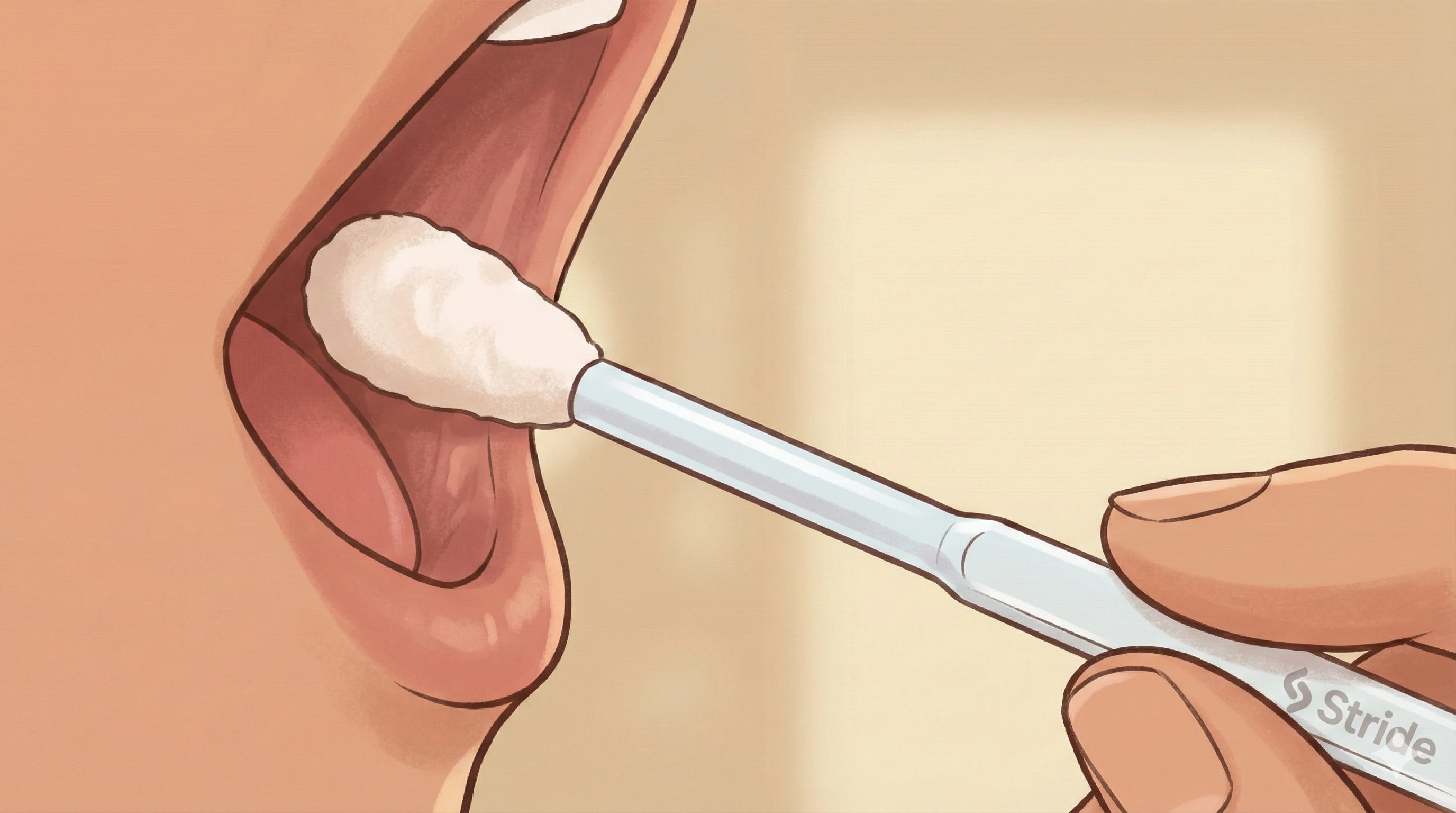

Sample type
Cheek swab, Blood sample

Collection
At-home

Often paired with
Body composition measures, fasting glucose and HbA1c, insulin and HOMA-IR, lipid panel, liver enzymes, appetite and satiety tracking, other obesity and appetite genes

Fasting required
Not required for DNA testing; follow clinical guidance for any accompanying blood tests
Key benefits of testing FTO
- Identify whether you carry FTO risk alleles, such as variants in the first intron (for example rs9939609, rs1421085), that are associated with higher body mass index, greater adiposity, and increased obesity risk in many populations.
- Help explain why you may feel hungrier, prefer energy dense foods, or gain weight more readily than others at similar calorie intakes, or why your weight responds differently to specific diet patterns.
- Inform personalised nutrition strategies, including meal structure, energy density, protein and fibre targets, and approaches to managing cravings and late eating that align with your appetite biology.
- Provide context for how strongly weight and metabolic risk respond to lifestyle changes, helping set realistic expectations and encourage earlier, more consistent interventions where risk is higher.
- Clarify your baseline inherited tendency for weight gain alongside real-time weight, body fat, and metabolic biomarkers, so prevention plans can focus on the levers that matter most for your biology.
What is the FTO gene?
FTO stands for fat mass and obesity associated and encodes a nucleic acid demethylase enzyme that is highly expressed in the brain, particularly in hypothalamic regions involved in appetite and energy homeostasis. It also appears in multiple tissues, including adipose tissue and muscle, and participates in RNA demethylation pathways that influence gene expression.
Genome-wide association studies first identified FTO as one of the most robust common genetic loci associated with body mass index and obesity, with risk alleles in intron 1 increasing odds of higher BMI and fat mass in children and adults. Additional work suggests that these intronic variants influence regulatory networks involving other genes such as IRX3 and IRX5, affecting adipocyte development and thermogenesis as well as central control of food intake.
What does FTO do?
FTO sits at the intersection of central appetite regulation, adipocyte biology, and energy balance through its role in RNA demethylation and transcriptional control. In the hypothalamus, changes in FTO expression influence hunger and satiety signals and are linked to food intake responses and preferences for energy dense foods, particularly those high in fat and sugar.
In adipose tissue, FTO-related regulatory pathways affect whether precursor cells develop into more energy-storing white adipocytes or more thermogenic, energy burning beige or brown-like cells. Risk variants at the FTO locus are associated with a shift toward energy storage, reduced mitochondrial thermogenesis in adipocytes, and a higher likelihood of positive energy balance if diet and activity are not carefully managed.
Why is FTO important for health?
FTO contributes to three interconnected systems: appetite and eating behaviour, body weight and fat distribution, and cardiometabolic risk. Variants at this locus are among the most consistently associated with higher BMI and obesity risk across many populations, especially in obesogenic environments with high-calorie, highly processed food availability.
Carriers of FTO risk alleles often show higher energy intake, preference for high fat and high sugar foods, and a greater tendency toward weight gain, which in turn increases risk for insulin resistance, type 2 diabetes, fatty liver, and cardiovascular disease. The gene does not determine destiny, but it can change how strongly lifestyle factors translate into changes in weight and metabolic markers, making early and sustained lifestyle action particularly valuable for some individuals.
FTO vs weight and BMI
It is easy to assume that FTO testing and simple measures like weight or BMI tell you the same story, but they capture different layers of your biology. FTO genotyping looks at inherited tendencies in appetite regulation and adiposity, whereas scale weight, BMI, waist circumference, and body fat measures show your current body composition under your existing diet, environment, and activity pattern.
This distinction matters because you can carry FTO risk variants and maintain a healthy weight with consistent, supportive habits and environments, just as you can gain weight without risk alleles if food quality, movement, and sleep are not well managed. FTO status helps explain why some people may need to be more deliberate about environment, food structure, and behaviour to maintain a given weight, rather than serving as a fixed verdict.
Factors that modify FTO effects
The influence of FTO variants is shaped far more by environment and daily behaviour than by the gene alone, which means you have meaningful room to change the trajectory. Several modifiable factors can either buffer genetic effects or amplify them.
- Diet quality and energy density: Diets rich in ultra-processed, energy-dense foods amplify FTO-related tendencies toward higher intake and weight gain. Patterns focused on whole foods, higher protein, fibre, and lower energy density can significantly blunt genetic risk.
- Eating structure and satiety strategies: Regular meals, a higher proportion of protein and fibre at main meals, and strategies that reduce exposure to highly palatable snacks can help individuals with FTO risk alleles feel satisfied on fewer calories and reduce loss-of-control eating.
- Physical activity and non-exercise movement: Regular aerobic and resistance training increase energy expenditure, support muscle mass, and improve insulin sensitivity, all of which buffer FTO-linked weight gain and metabolic risk. Non-exercise movement across the day also matters.
- Sleep, circadian rhythm, and stress: Short or irregular sleep and chronic stress increase appetite and preference for energy dense foods and impair metabolic regulation, which can magnify FTO-related effects on weight and eating behaviour. Protecting sleep and stress balance is particularly important in carriers of risk alleles.
- Food environment and habits: Easy access to high-calorie foods, emotional or mindless eating, and lack of planning can amplify appetite and reward-drive. Structuring your environment, planning meals, and using supportive habits can counter this, regardless of FTO status.
- Life stage and hormones: Puberty, pregnancy, menopause, and ageing change body composition and hormone balance, which can interact with FTO-related tendencies. Proactive lifestyle planning in these phases can reduce long-term weight and metabolic consequences.
FTO variants without symptoms
Yes, and that is very common. Many people with FTO risk variants maintain a healthy weight and metabolic profile, especially if they have supportive food environments, active lifestyles, and good sleep, and may never be aware of their genotype.
Feelings often attributed to "bad metabolism," such as persistent hunger, cravings for high fat or sugary foods, or difficulty losing weight, are non-specific and can reflect stress, sleep, environment, and other genes as much as FTO. The gene modulates risk rather than guaranteeing symptoms, and changes in behaviour can make a large difference even in high-risk genotypes.
Common FTO genotypes
Common FTO genotypes mainly differ in how they influence appetite, energy intake, and adiposity, particularly in environments where high-calorie foods are readily available. Understanding your pattern can help tailor nutrition and weight strategies rather than labelling your body as simply "prone to obesity."
- rs9939609 TT (reference pattern): Usually considered lower risk at this locus. Weight and metabolic outcomes still depend strongly on diet, activity, sleep, and other genes.
- rs9939609 AT (heterozygous risk): Carrying one A risk allele is associated with modestly higher BMI and weight on average and a tendency toward higher energy intake and preference for energy dense foods in many cohorts.
- rs9939609 AA (homozygous risk): Carrying two risk alleles is associated with a higher average BMI and stronger predisposition to weight gain, especially in high-calorie environments. Individuals can still maintain healthy weight, but may need to be more deliberate about diet structure and environment.
- Other intronic variants (for example rs1421085, rs17817449): Additional FTO SNPs in the same region are also associated with adiposity, appetite, and dietary preferences, often overlapping in effect with rs9939609. Panels may report one or more of these to characterise FTO-related risk.
Preparing for an FTO test
For DNA-based FTO testing, preparation is simple because your genotype does not change with meals, exercise, or sleep. The key step is choosing a panel that interprets FTO within a broader metabolic and lifestyle context so the results translate into practical changes in nutrition, activity, and habits.
Standalone FTO genotyping using blood or saliva does not require fasting, since it analyses stable DNA rather than dynamic blood levels. If FTO is bundled with metabolic panels, body composition scans, or appetite and behaviour assessments, your clinician or testing instructions may recommend standardised conditions so you can track changes in weight and metabolic markers reliably over time.
Do I need an FTO test?
An FTO test is most valuable when the result will influence how you design your weight management strategy, environment, and longer-term cardiometabolic prevention plan, rather than as a curiosity in isolation. It becomes particularly informative when interpreted alongside body composition, metabolic markers, and your lived experience of hunger and cravings.
- History of weight gain or weight cycling: If you tend to gain weight easily or regain quickly after diets, FTO genotyping can help explain part of the pattern and highlight the value of sustainable, environment-focused strategies rather than repeated short-term diets.
- Strong family history of obesity or type 2 diabetes: In families where obesity and diabetes cluster, FTO status can add context to inherited appetite and adiposity tendencies and encourage earlier, more structured lifestyle support.
- Emotional or loss-of-control eating: If cravings and food reward strongly influence your eating, FTO status can help frame this as partly biological, while still emphasising that structured habits and support make a real difference.
- Building a long-term body composition and longevity roadmap: For people investing in comprehensive DNA, blood, and microbiome testing, FTO offers a durable anchor for designing weight and cardiometabolic strategies across different life stages.
Stride tests that include FTO


Health Tests
Core DNA Methylation Test
5 reports: Methylation profile reports
From $229 $183.20
FAQs
What is the FTO gene test?
The FTO gene test analyses your DNA from blood or saliva to look for common variants in the fat mass and obesity associated gene that influence appetite, food preferences, adiposity, and obesity risk.
What does an FTO variant mean?
Common FTO variants in the first intron are associated with higher average BMI, greater body fat, stronger preferences for energy dense foods, and a higher risk of obesity and related metabolic conditions, especially in high-calorie environments.
Do FTO variants always cause health problems?
No. Many people with FTO risk alleles never develop obesity or diabetes, particularly if they maintain supportive diet, movement, sleep, and stress habits. Likewise, people without risk variants can still gain weight or develop metabolic disease if lifestyle factors are not well managed.
Is FTO testing used to choose weight-loss medication?
FTO testing is not currently used to select specific weight-loss drugs, but it can provide helpful context when designing lifestyle-first approaches, considering medication options, and setting expectations about the level of support needed to reach and maintain a healthy weight.
Can FTO affect appetite, cravings, or diet response?
Yes. FTO risk alleles are linked to higher hunger, stronger reward responses to food, preference for high fat and sugary foods, and a tendency toward greater energy intake, which can influence how you respond to different dietary strategies. Structured, supportive environments can offset much of this risk.
Do I need an FTO test?
You might consider an FTO test if the results would change how you approach weight management, environment design, and long-term cardiometabolic prevention, especially if you have strong family history of obesity, recurrent weight regain, or appetitive drives that feel unusually strong compared with peers.
Do I need to fast for FTO testing?
Fasting is not required for DNA-based FTO testing. If accompanying blood tests such as fasting glucose, HbA1c, insulin, or lipids are ordered, your clinician or testing instructions may recommend fasting to ensure results are accurate and comparable over time.
How can I optimise my health if I carry FTO variants?
Rather than trying to change the gene, focus on building a nutrient-dense, minimally processed diet with adequate protein and fibre, structuring your food environment to reduce constant exposure to energy dense snacks, maintaining regular movement and strength training, protecting sleep and stress balance, and tracking your weight and metabolic markers over time so you can see how small, consistent choices reshape your long-term health trajectory.