
Menu
-
Shop All
Contact
hey@getstride.com
Stride Health Group
Stride Health Group Ltd
Company No 05158025
Lamas Road
Badersfield
Norwich
England
NR10 5FB
UK
Extra 10% Off | Enter code GIFT at checkout


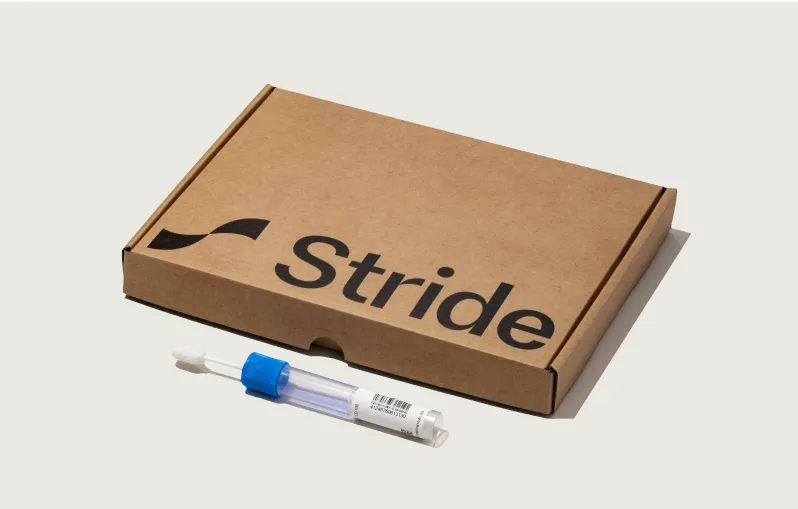





Folate (Vitamin B9) Blood Test
Folate, also known as vitamin B9, is a B vitamin that supports red blood cell production, DNA and RNA synthesis, and healthy development of the nervous system. A folate blood test checks whether you have enough folate available, helping to explain fatigue, anaemia, and pregnancy related risk and to guide nutrition and supplementation.


Sample type
Blood sample

Collection
At-home

Often paired with
Vitamin B12, full blood count, ferritin and iron studies, homocysteine, methylmalonic acid MMA, kidney and liver function tests

Fasting required
1
Key benefits of testing folate
A folate blood test can help you:
- Detect folate deficiency as a cause of macrocytic anaemia and low energy.
- Clarify confusing blood results when red blood cells are enlarged or haemoglobin is low.
- Assess folate status in pregnancy planning and early pregnancy, when demand is higher.
- Monitor folate levels if you have gut conditions, restricted diets, or take medicines that impair folate metabolism.
- Support clinician decisions on folic acid supplementation dose and duration, and whether further investigation is needed.
What is folate
Folate is the naturally occurring form of vitamin B9 found in foods such as leafy green vegetables, legumes, citrus fruits, and liver. Folic acid is the synthetic form used in many supplements and fortified foods and is converted in the body into active folate.
Folate is essential for:
- One carbon metabolism, which underpins DNA and RNA synthesis and repair.
- Red blood cell and white blood cell formation in the bone marrow.
- Methylation reactions, including those that regulate homocysteine levels.
Because the body stores only modest amounts of folate and it is water soluble, levels can fall within weeks if intake or absorption drops.
What does folate do
Folate supports several key processes:
- Cell division and growth, by providing building blocks for DNA replication.
- Red blood cell production, where deficiency leads to larger, fragile red cells and macrocytic anaemia.
- Nervous system development in the fetus, where adequate folate reduces the risk of neural tube defects.
- Homocysteine metabolism, working alongside vitamin B12 and B6 to keep homocysteine in a healthy range.
Low folate can therefore lead to:
- Anaemia with symptoms such as fatigue, shortness of breath, and paleness.
- Mouth ulcers, tongue soreness, and changes in hair and skin.
- Increased risk of complications in pregnancy when deficiency is significant and prolonged.
Why is folate important for energy, pregnancy, and long term health
Folate matters because:
- Folate deficiency is a treatable cause of macrocytic anaemia, which can significantly impact energy, exercise tolerance, and brain function.
- Adequate folate status before conception and in early pregnancy helps reduce the risk of neural tube defects in the baby and supports maternal blood and tissue expansion.
- Chronic low folate can contribute to raised homocysteine, which is associated with cardiovascular and cognitive risk, especially when combined with low B12 and B6.
Folate status is particularly important for:
- People who are or may become pregnant.
- Individuals with gut conditions that impair absorption.
- People on medicines that interfere with folate metabolism.
Folate vs folic acid vs vitamin B12: what is the difference
These terms often appear together but mean different things:
- Folate is the natural vitamin B9 form found in foods and in body tissues.
- Folic acid is a synthetic form used in supplements and fortified foods that must be converted to active folate.
- Vitamin B12 is a separate B vitamin that shares overlapping roles with folate in red blood cell production and methylation.
Clinically:
- Folate and B12 deficiencies can both cause macrocytic anaemia, so they are usually tested together.
- Treating folate deficiency without recognising an underlying B12 deficiency can correct the anaemia but leave neurological B12 damage untreated, so both vitamins need checking.
What factors affect folate levels
Folate levels are shaped by diet, absorption, metabolism, and increased demands. Key influences include:
1. Diet and cooking practices
- Diets low in fresh fruits, vegetables, legumes, and fortified grains can lead to low folate intake.
- Overcooking vegetables and prolonged food storage can reduce folate content.
- Restrictive diets and low overall calorie intake increase risk of deficiency.
2. Gut and absorption issues
- Coeliac disease, Crohn disease, small intestinal bacterial overgrowth, and other malabsorption syndromes can impair folate absorption.
- Bariatric or intestinal surgery that removes or bypasses parts of the small intestine can reduce folate uptake.
3. Increased requirements
- Pregnancy and breastfeeding increase folate needs substantially.
- Conditions with rapid cell turnover such as some haemolytic anaemias or skin disorders may increase folate use.
- Chronic inflammatory states and recovery from illness can raise requirements.
4. Alcohol and liver health
- Heavy alcohol intake reduces folate absorption and increases urinary loss, often leading to low levels.
- Liver disease can disrupt folate storage and metabolism.
5. Medications
- Some anti seizure medicines, methotrexate, and other drugs that affect folate pathways can lower folate levels or function.
- Long term use of such medicines often prompts regular monitoring and supplementation.
Can folate be low if haemoglobin is normal
Yes. Folate can be low or borderline even when haemoglobin is still within the reference range, especially early in deficiency.
Scenarios include:
- Early negative folate balance where stores have fallen but anaemia has not yet developed.
- People with mild symptoms such as fatigue, mouth ulcers, or hair changes without clear anaemia.
In these cases, checking folate (and B12) can help uncover a nutritional or absorption issue before more marked blood changes appear.
Normal vs low folate: what is the difference
Reference ranges for folate vary between laboratories and units, but serum folate is typically interpreted along these lines:
- Values above the lower reference limit usually indicate adequate folate status in otherwise healthy individuals.
- Borderline or low values suggest possible or probable folate deficiency and warrant clinical interpretation in the context of symptoms, B12, homocysteine, and full blood count.
Some labs also measure red cell folate, which reflects folate stores over the lifespan of the red blood cell and can be helpful in more complex cases.
Do I need to fast for a folate test
Some labs request a short fast, typically 6 to 8 hours, before serum folate testing to reduce short term variation from recent meals. Others do not require fasting.
If your folate test is part of a broader panel that includes markers requiring fasting, such as lipids or glucose, you will usually be asked not to eat or drink anything except water for a set period before the test. Always follow the specific instructions you are given.
How can low folate be improved clinician guided
Improving folate levels focuses on boosting intake and addressing underlying causes. Depending on your situation, clinician guided approaches may include:
- Increasing dietary folate from leafy green vegetables, beans, lentils, citrus fruits, and, where appropriate, fortified grains.
- Using folic acid or methylated folate supplements in an appropriate dose and duration, especially in deficiency or pregnancy planning.
- Addressing gut conditions that impair absorption, such as coeliac disease or inflammatory bowel disease, with targeted medical care.
- Reviewing medications that interfere with folate metabolism and adjusting them where possible.
- Monitoring folate, B12, homocysteine, and full blood count to confirm that treatment is restoring healthy folate status.
Stride tests that include Folate
FAQs
What is the folate (vitamin B9) blood test
The folate blood test measures the amount of folate vitamin B9 in your blood, usually in the serum. It helps detect folate deficiency that can cause anaemia, low energy, and pregnancy related risks, and is often done at the same time as a vitamin B12 test.
What is a normal folate level
Normal folate ranges vary by laboratory and unit, but most adult reference ranges place normal serum folate above the lower limit on your report, often equivalent to roughly 4 micrograms per litre or more. Borderline and low values suggest reduced folate stores and possible deficiency, especially when symptoms or blood changes are present.
What is an optimal folate level for health
Optimal folate sits comfortably within the normal range, with no signs of macrocytic anaemia and a healthy homocysteine level. The best target for you depends on your diet, medications, pregnancy plans, and other health conditions, and is best agreed with your clinician rather than aiming for a single number.
Is folate better than vitamin B12 for checking anaemia
Folate is not better or worse than vitamin B12 they answer different parts of the same question. Both folate and B12 deficiencies can cause macrocytic anaemia, so they are usually checked together. A full evaluation of anaemia also includes iron studies, full blood count, and sometimes other markers.
Can folate be low if I eat a healthy diet
Yes. Even with a good diet, folate can be low if you have gut absorption issues, high alcohol intake, increased requirements (such as pregnancy), or take medications that interfere with folate metabolism. This is why blood testing can be useful when symptoms or risk factors are present.
Do I need folate (vitamin B9) testing
You may benefit from a folate test if you have symptoms of anaemia or low energy, macrocytosis on a blood count, gut conditions, a history of poor diet or high alcohol intake, or you are planning a pregnancy or are already pregnant. It is also helpful for monitoring folate status in people on certain medicines that affect folate.
Do I need to fast for a folate test
Some services ask you to fast for several hours before a folate test, while others do not. If your folate test is part of a broader fasting panel for lipids or glucose, you will usually be asked not to eat or drink anything except water for a set period. Always follow the instructions given with your test.
How can I improve my folate results
You can improve low folate by eating more folate rich foods such as leafy greens, beans, lentils, and fortified grains, taking folic acid or active folate supplements when appropriate, reducing excess alcohol, and addressing any gut conditions that impair absorption. Retesting folate, B12, and blood counts over time shows whether your strategy is working.
Do I need a folate (vitamin B9) test
If you want clarity on whether your diet, gut health, or medications are leaving you short on folate, or you are planning pregnancy and want to check you are starting from a strong foundation, discussing a folate test with your clinician is a practical step. Within StrideOne, folate sits among hundreds of biomarkers, helping you see how vitamin B9 fits into your energy, cognitive, and long term health strategy.