
Menu
-
Shop All
Contact
hey@getstride.com
Stride Health Group
Stride Health Group Ltd
Company No 05158025
Lamas Road
Badersfield
Norwich
England
NR10 5FB
UK
Extra 10% Off | Enter code GIFT at checkout






Ferritin Blood Test
Ferritin is a protein that safely stores iron inside your cells and releases it when needed. A ferritin blood test gives a window into your iron stores, helping to identify both iron deficiency and iron overload long before they show clearly in standard blood counts.

Sample type
Blood sample

Collection
At-home

Often paired with
Full blood count, serum iron, transferrin, transferrin saturation, CRP, vitamin B12, folate, kidney and liver function tests

Fasting required
0
Key benefits of testing ferritin
A ferritin blood test can help you:
- Detect low iron stores before or alongside iron deficiency anaemia.
- Explain symptoms such as fatigue, shortness of breath, hair shedding, or poor exercise tolerance.
- Monitor iron status if you have heavy periods, follow a plant based diet, are pregnant, or have gut conditions.
- Check whether iron supplementation is working and when iron stores have been refilled.
- Identify raised ferritin that may signal inflammation, liver disease, metabolic syndrome, or iron overload conditions such as haemochromatosis.
What is ferritin
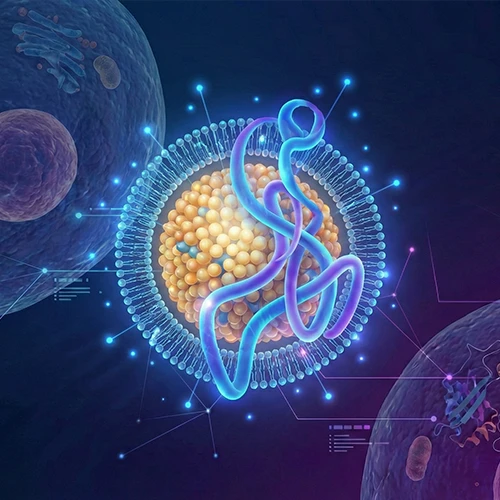
Ferritin is a hollow, spherical protein complex that stores iron atoms in a safe, soluble form inside cells, particularly in the liver, bone marrow, and spleen. It allows your body to stockpile iron and release it when needed for critical processes.
Iron is essential for:
- Making haemoglobin in red blood cells, which carries oxygen around the body.
- Supporting enzymes involved in energy production and metabolism.
- Maintaining healthy hair, skin, nails, and immune function.
A small amount of ferritin circulates in the blood. Blood ferritin levels usually reflect how much iron is stored in tissues, which is why ferritin is used as an indirect marker of body iron stores.
What does ferritin do
Ferritin's main role is iron storage and controlled release:
- When iron intake is adequate, ferritin stores surplus iron so it is available later and cannot generate excess oxidative stress.
- When iron intake is low or demand is high, ferritin releases iron back into the circulation for haemoglobin production and other uses.
If ferritin levels fall, it usually means iron stores are being depleted, often due to:
- Insufficient dietary iron.
- Increased needs, such as pregnancy or endurance training.
- Chronic blood loss, such as heavy periods or gastrointestinal bleeding.
If ferritin is raised, it can mean increased iron stores or an acute phase response, where ferritin rises in the context of inflammation, liver disease, infection, or metabolic stress.
Why is ferritin important for energy and long term health
Iron is central to oxygen transport and energy production, so ferritin and iron stores have a direct impact on how you feel day to day and on long term outcomes.
Low ferritin and low iron stores are associated with:
- Iron deficiency anaemia, causing tiredness, shortness of breath, palpitations, headaches, and reduced exercise capacity.
- Iron deficiency without anaemia, which can still cause fatigue, poor concentration, restless legs, and increased hair shedding.
High ferritin can be a marker for:
- Iron overload syndromes such as hereditary haemochromatosis, which can damage the liver, heart, joints, and pancreas over time.
- Chronic inflammation, liver disease, alcohol excess, or metabolic syndrome, where ferritin rises as part of a broader stress pattern.
Interpreting ferritin correctly helps guide safe iron supplementation, avoid unnecessary iron in people with high stores, and identify when further investigation is needed.
Ferritin vs haemoglobin vs serum iron vs transferrin saturation: what is the difference
These tests are related but capture different parts of iron biology:
- Ferritin reflects iron stores, mainly in the liver and bone marrow.
- Haemoglobin measures the oxygen carrying protein in red blood cells and is used to diagnose anaemia.
- Serum iron measures iron circulating in the blood at a single point in time.
- Transferrin and transferrin saturation measure the main iron transport protein and how full it is with iron.
In practice:
- Low ferritin is often the earliest and most specific marker of iron deficiency.
- Haemoglobin can remain normal while ferritin is low, especially early on.
- Serum iron varies during the day and with meals, so it is less reliable alone.
- A full iron panel, including ferritin and transferrin saturation, gives the clearest picture in complex cases.
What factors affect ferritin levels
Ferritin is influenced by iron balance, inflammation, liver health, and lifestyle. Key factors include:
1. Iron intake and absorption
- Low intake of iron rich foods, especially in vegetarians, vegans, and people with overall low calorie intake, can reduce ferritin.
- Gut conditions such as coeliac disease, inflammatory bowel disease, gastric surgery, or low stomach acid can impair iron absorption.
2. Blood loss and increased demand
- Heavy menstrual periods, fibroids, endometriosis, and postpartum blood loss are common causes of low ferritin in women of reproductive age.
- Gastrointestinal bleeding from ulcers, polyps, cancers, or inflammatory conditions can deplete ferritin.
- Pregnancy, growth, and high intensity endurance training increase iron requirements.
3. Inflammation and chronic disease
- Ferritin is an acute phase reactant and can rise in infections, inflammatory diseases, liver disease, and some cancers.
- In these settings, a high ferritin does not necessarily mean iron overload, and other markers such as CRP and transferrin saturation help with interpretation.
4. Genetic and metabolic factors
- Hereditary haemochromatosis and other iron loading conditions can raise ferritin over time as iron accumulates.
- Metabolic syndrome, obesity, and non alcoholic fatty liver disease are often associated with moderately raised ferritin.
5. Alcohol and liver function
- Chronic high alcohol intake and liver injury can increase ferritin, as the liver is a major site of ferritin storage and production.
Can ferritin be low if haemoglobin is normal
Yes. This is a common pattern, especially in early or mild iron deficiency.
You can have:
- Low ferritin indicating depleted iron stores.
- Normal haemoglobin and red blood cell indices on a full blood count.
In this situation:
- You may already have symptoms such as fatigue, reduced exercise tolerance, or hair shedding, even without diagnosed anaemia.
- Replenishing iron stores can prevent progression to iron deficiency anaemia and improve quality of life.
This is why ferritin is often used to investigate unexplained fatigue, especially in menstruating women, athletes, and people with restricted diets.
Normal vs low vs high ferritin: what is the difference
Reference ranges vary between laboratories and by sex and age. Typical adult ranges are often in the region of:
- Men: roughly 24 to 400 µg/L or ng/mL.
- Women: roughly 13 to 150 µg/L or ng/mL, with slightly different cut offs used by different labs.
Broadly:
- Low ferritin below the laboratory reference range almost always indicates depleted iron stores and, if low enough, iron deficiency.
- Ferritin in the low normal range may still be associated with symptoms in some people, especially if there is ongoing blood loss or high demand.
- High ferritin above the upper limit can reflect iron overload, inflammation, liver disease, or metabolic stress and requires context specific evaluation.
Do I need to fast for a ferritin test
Fasting is not usually necessary for a ferritin test. You can typically have the test at any time of day.
If ferritin is being measured as part of a broader panel that includes fasting markers such as lipids or glucose, you may be asked to fast for those tests. Follow the instructions provided so that the whole panel is reliable.
How can abnormal ferritin levels be managed clinician guided
Managing ferritin involves identifying the cause and correcting iron balance safely. Depending on your situation, clinician guided strategies may include:
- Increasing iron intake through diet, focusing on iron rich foods and combining them with vitamin C sources to enhance absorption.
- Using oral iron supplements in an appropriate dose and formulation when diet alone is insufficient, with follow up ferritin and full blood count to monitor response.
- Considering intravenous iron in certain cases, such as significant deficiency with intolerance to oral iron, malabsorption, or chronic inflammatory conditions.
- Investigating for sources of blood loss, such as heavy periods or gastrointestinal bleeding, if ferritin is low without obvious dietary causes.
- In cases of high ferritin, assessing for inflammation, liver disease, metabolic syndrome, and iron overload, and tailoring treatment accordingly, which may include lifestyle change, alcohol moderation, or venesection in iron loading conditions.
Stride tests that include Ferritin
FAQs
What is the ferritin blood test
The ferritin blood test measures the amount of ferritin, the main iron storage protein, in your blood. It gives an indirect measure of how much iron your body has in reserve and helps diagnose both iron deficiency and iron overload states.
What is a normal ferritin level
Normal ferritin ranges vary between labs and by sex, but are often around 20 to 300 µg/L for men and 10 to 150 µg/L for women. Levels below the lower limit usually indicate low iron stores, while levels above the upper limit suggest excess storage, inflammation, or metabolic or liver stress.
What is an optimal ferritin level for health
Optimal ferritin sits in a range where iron stores are sufficient for energy, cognition, and performance, but not so high that they suggest iron overload or chronic inflammation. The best target for you depends on your age, sex, symptoms, menstrual status, and conditions such as haemochromatosis or chronic disease, and should be individualised with your clinician.
Is ferritin better than haemoglobin for checking iron
Ferritin and haemoglobin answer different questions. Ferritin shows your iron stores, often dropping before anaemia develops. Haemoglobin shows whether you already have anaemia. Together with a full iron panel, they provide a more complete view of iron status than either alone.
Can ferritin be low even if my iron and haemoglobin look normal
Yes. Ferritin can be low when serum iron and haemoglobin are still within the reference range, especially early in iron depletion or when blood loss is gradual. This "low iron stores without anaemia" pattern can still cause symptoms and usually warrants attention and monitoring.
Do I need ferritin testing
You may benefit from a ferritin test if you have symptoms such as fatigue, breathlessness, hair shedding, restless legs, or poor exercise tolerance, if you have heavy periods, follow a largely plant based diet, are pregnant, have gut or autoimmune conditions, or have a family history of iron overload. Ferritin is also useful for monitoring iron supplementation and long term iron balance.
Do I need to fast for a ferritin test
Fasting is not usually required for ferritin itself. If ferritin is measured alongside fasting markers such as lipids or glucose, follow the fasting instructions provided so your whole panel is easy to interpret.
How can I improve my ferritin result
If ferritin is low, you can support improvement by increasing iron rich foods, adding vitamin C sources with meals, taking appropriate iron supplements if advised, and addressing any causes of blood loss or gut malabsorption. If ferritin is high, management focuses on identifying and treating the underlying cause, which may involve reducing alcohol, tackling inflammation or metabolic issues, or specific treatment for iron overload.
Do I need a ferritin test
If you want to move beyond guessing whether tiredness, recovery issues, or hair changes are linked to iron, or you are using iron supplements and want to avoid both deficiency and overload, discussing a ferritin test with your clinician is a practical step. Within StrideOne, ferritin is measured alongside hundreds of other biomarkers, helping you understand exactly how iron fits into your energy, performance, and long term health strategy.