
Menu
-
Shop All
Contact
hey@getstride.com
Stride Health Group
Stride Health Group Ltd
Company No 05158025
Lamas Road
Badersfield
Norwich
England
NR10 5FB
UK
Extra 10% Off | Enter code GIFT at checkout





FBXL3 Gene Test (F-box And Leucine Rich Repeat Protein 3)
The FBXL3 gene test analyses DNA for variants in an F-box and leucine rich repeat protein that helps control the stability of core clock proteins such as cryptochromes and shapes circadian period length and rhythm robustness. Understanding your FBXL3 status adds genetic context to sleep timing, light sensitivity, and how resilient your circadian system is to disruption, so you can personalise routines and long term prevention strategies rather than guessing.
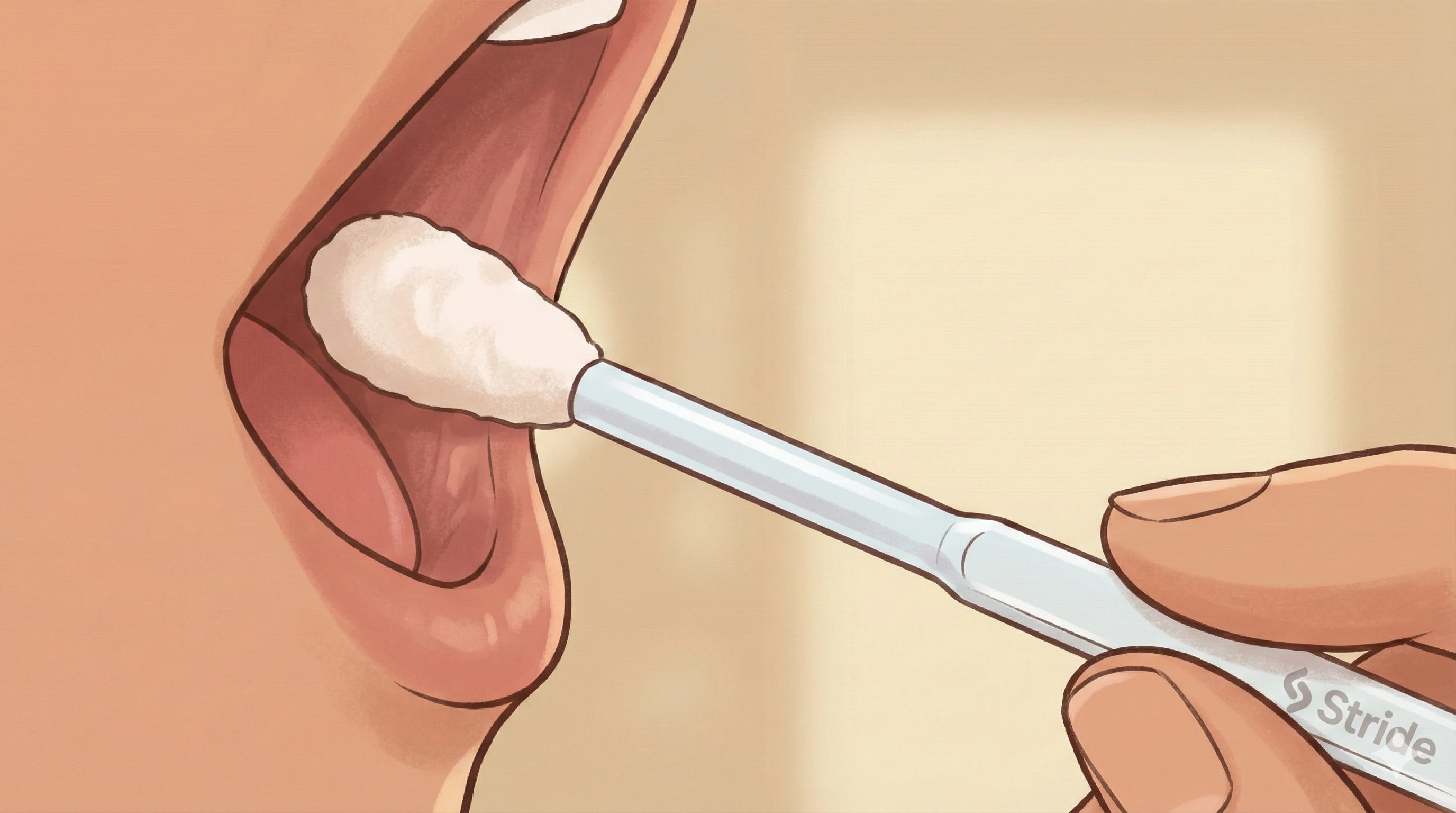

Sample type
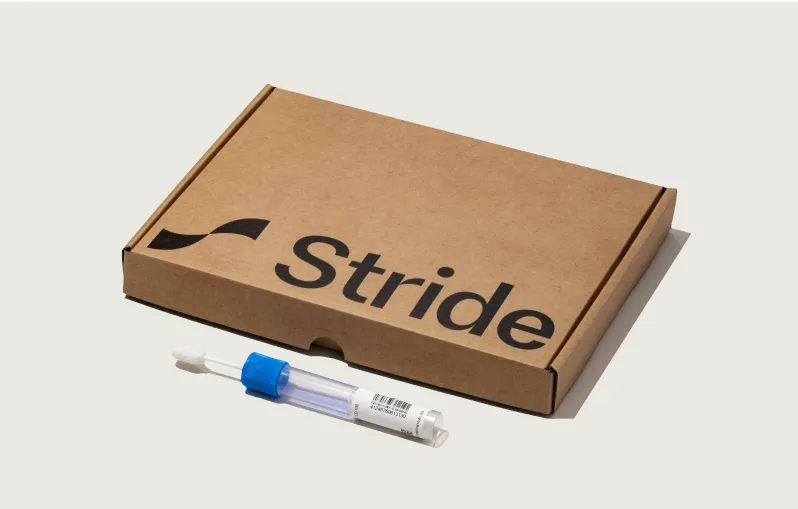
Cheek swab, Blood sample

Collection
At-home

Often paired with
PER2, PER3, CRY1, CRY2, VIP, HCRT2, melatonin and cortisol profiles, wearable sleep and activity tracking, mood and cognitive assessments

Fasting required
Not required for DNA testing; follow clinical guidance for any accompanying blood tests
Key benefits of testing FBXL3
- Identify whether you carry FBXL3 variants that may alter how efficiently cryptochrome proteins are tagged for degradation, which can influence circadian period length and the strength of your daily rhythms.
- Help explain why you might be particularly sensitive to late light exposure, irregular bedtimes, or shift work, by highlighting a genetic tendency that can be supported rather than fixed.
- Add context to chronotype and sleep timing patterns, especially when combined with PER and CRY variants, by clarifying whether your biology leans toward a slightly longer or differently phased internal day.
- Inform personalised strategies for light exposure, sleep schedule, meal timing, and training times that align more closely with your intrinsic circadian machinery.
- Clarify your baseline clockwork architecture alongside other biomarkers, so long term optimisation plans can be built on both genetics and real time physiology rather than population averages.
What is the FBXL3 gene?
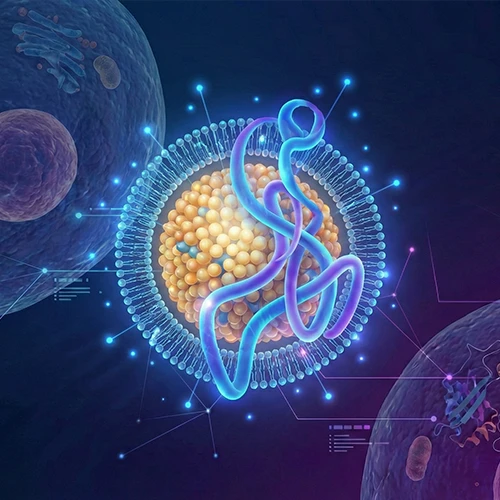
FBXL3 encodes F-box and leucine rich repeat protein 3, a component of an SCF (SKP1--CUL1--F-box) E3 ubiquitin ligase complex that tags specific proteins for proteasomal degradation. The FBXL3 protein contains an F-box domain that links it to the core SCF complex and multiple leucine rich repeats that mediate substrate recognition, particularly for cryptochromes CRY1 and CRY2.
Within the circadian system, FBXL3 primarily localises to the nucleus and is a crucial regulator of the negative feedback loop by determining when cryptochromes are removed, allowing CLOCK and BMAL1 activity to resume. Mutations in Fbxl3 in animal models such as the Afterhours and Overtime mutants lead to lengthened circadian periods and altered phase responses, underlining its importance in setting the tempo and resilience of the clock.
What does FBXL3 do?
FBXL3 forms part of the SCF(FBXL3) ubiquitin ligase complex that binds cryptochrome proteins, occupies their cofactor binding pocket, and promotes ubiquitination and subsequent degradation. By controlling CRY1 and CRY2 stability, FBXL3 plays a direct role in when the transcriptional repression phase of the circadian feedback loop ends and a new cycle begins.
Beyond CRY turnover, FBXL3 also connects to other clock components such as Rev-Erbα and HDAC3 regulated complexes, influencing transcription at RRE elements and contributing to the balance between different circadian feedback loops. Experimental work suggests that FBXL3 helps coordinate E-box driven and RRE driven transcription, shaping both period length and rhythm amplitude and helping maintain a robust, self sustaining clock.
Why is FBXL3 important for health?
FBXL3 contributes to several interconnected domains: circadian period determination, rhythm robustness, light responsiveness, and downstream regulation of metabolic and cell cycle related targets. Variants and altered activity of FBXL3 have been studied in relation to changes in circadian period, sleep-wake behaviour, phase shifting in response to light, and potential links to cell cycle control through substrates such as c-MYC in experimental models.
Because the circadian clock influences sleep quality, energy, appetite, glucose control, blood pressure, immune function, and tumour biology, small shifts in period length or rhythm robustness can have ripple effects on long term health when combined with modern light environments and social schedules. Common FBXL3 variants are usually modest modifiers rather than direct causes of disease, but they help explain why some people feel particularly sensitive to circadian disruption or respond differently to structure and light.
FBXL3 vs sleep and circadian markers
It is easy to assume that FBXL3 testing and typical sleep or hormone assessments tell you the same story, but they capture different layers of your biology. Melatonin and cortisol profiles describe your current circadian phase and stress rhythm; wearable sleep data shows how you are sleeping and moving; FBXL3 testing looks at inherited variants that help determine intrinsic circadian period, cryptochrome turnover, and rhythm resilience over the long term.
This distinction matters because you can carry FBXL3 variants and still maintain stable, high quality sleep when your light exposure and routines are well aligned with your biology. Conversely, significant sleep and metabolic issues can arise without notable FBXL3 variants if other clock genes, lifestyle factors, or medical conditions are driving misalignment, which often respond well to targeted behavioural and clinical support.
Factors that modify FBXL3 effects
The influence of FBXL3 variants is shaped more by your routines and environment than by the gene alone, which means you have meaningful room to change the trajectory. Several modifiable factors can either buffer or amplify any genetic tendency.
- Light exposure timing: Morning light, reduced bright light late at night, and consistent day-night cues help stabilise circadian timing and reduce the impact of FBXL3 related differences in cryptochrome stability and phase shifting.
- Sleep duration and regularity: Adequate, regular sleep helps your clock and downstream systems stay synchronised, limiting the potential downsides of small shifts in period length or rhythm amplitude.
- Work and social schedule: Night shifts, rotating shifts, and large weekday-weekend schedule swings can strain clock systems in anyone, but may be particularly challenging for people whose FBXL3 related patterns lengthen circadian period or alter light responsiveness. Adjusting schedules where possible often makes more difference than genotype alone.
- Meal and activity timing: When you eat and when you train affects peripheral clocks that integrate signals from central clock components controlled by FBXL3. Aligning meals and movement with your intended day and night periods supports more coherent circadian signalling.
- Stress, substances, and coexisting conditions: Chronic stress, late caffeine, alcohol near bedtime, and underlying sleep, psychiatric, or metabolic conditions can all erode rhythm robustness. Addressing these factors strengthens the overall system, cushioning any FBXL3 linked vulnerabilities.
FBXL3 variants without symptoms
Yes, and that is what most people will experience. Many individuals carry FBXL3 variants that subtly shift circadian period or amplitude in experimental settings but do not manifest as clinical sleep disorders in everyday life, especially when routines and light exposure are supportive.
Differences in preferred sleep timing and light sensitivity are part of normal variation and are influenced by multiple genes and environmental inputs. Clinical circadian rhythm sleep-wake disorders emerge when misalignment is more severe and persistent and usually require careful assessment using sleep diaries, actigraphy, and sometimes hormone phase testing; FBXL3 may contribute to the background but is rarely the sole driver.
Common FBXL3 genotypes
Common FBXL3 genotypes mainly differ in how they affect protein structure and interaction with cryptochromes and the SCF complex, which in turn can alter cryptochrome half life, circadian period length, and phase shifting behaviour. Understanding your pattern can help you fine tune routines that work with your biology.
- Reference FBXL3 pattern: Associated with typical cryptochrome degradation kinetics and circadian period length, where daily behaviour, light exposure, and lifestyle usually play a larger role in sleep timing and resilience than the gene itself.
- Variants that reduce CRY binding or degradation efficiency: Experimental mutations in Fbxl3, such as those identified in long period mouse mutants, stabilise cryptochrome proteins and extend circadian period. In humans, analogous functional changes could contribute to slightly longer intrinsic days and greater sensitivity to late light, but lifestyle still has substantial influence.
- Regulatory or expression altering variants: Polymorphisms that shift FBXL3 expression levels or timing may modulate the balance between FBXL3 and other E3 ligases such as FBXL21, influencing the net stability of CRY1 and CRY2. The real world impact of these variants is still being investigated and is likely modest in isolation.
Preparing for an FBXL3 test
For DNA based FBXL3 testing, preparation is simple because your genotype is stable and does not change from day to day. The key step is choosing a testing panel that includes FBXL3 alongside other clock and stress genes so results can be interpreted in a whole system context.
Standalone FBXL3 genotyping using blood or saliva does not require fasting, since it assesses DNA sequence rather than dynamic hormone levels. If FBXL3 is bundled with tests such as melatonin, cortisol, metabolic markers, or inflammatory biomarkers, your clinician or testing provider may recommend specific preparation so you can track changes consistently over time.
Do I need an FBXL3 test?
An FBXL3 test is most valuable when the result will influence how you personalise sleep timing, light exposure, and work or training schedules as part of a broader prevention and performance strategy. It is less helpful when pursued in isolation without considering symptoms, sleep tracking, and other biomarkers.
- Persistent difficulties with schedule alignment: If you consistently struggle to adapt to social or work schedules, or feel that even small shifts in timing or light exposure have outsized effects, FBXL3 testing, alongside core clock genes, can help frame which levers matter most.
- Sensitivity to circadian disruption: People who experience pronounced fatigue, mood changes, or performance drops after minor jet lag or shift changes may benefit from understanding their FBXL3 and broader clock gene status to plan stronger buffers and recovery windows.
- Integrating DNA into a circadian health plan: For those building a comprehensive sleep and circadian optimisation roadmap, FBXL3 complements PER, CRY, and other clock genes to give a richer view of how their internal clock is wired.
- Long term health and performance focus: Because circadian alignment influences cardiometabolic health, brain performance, and biological age, FBXL3 genotyping can support earlier lifestyle adjustments in people who want to protect health span and performance over decades.
Stride tests that include FBXL3

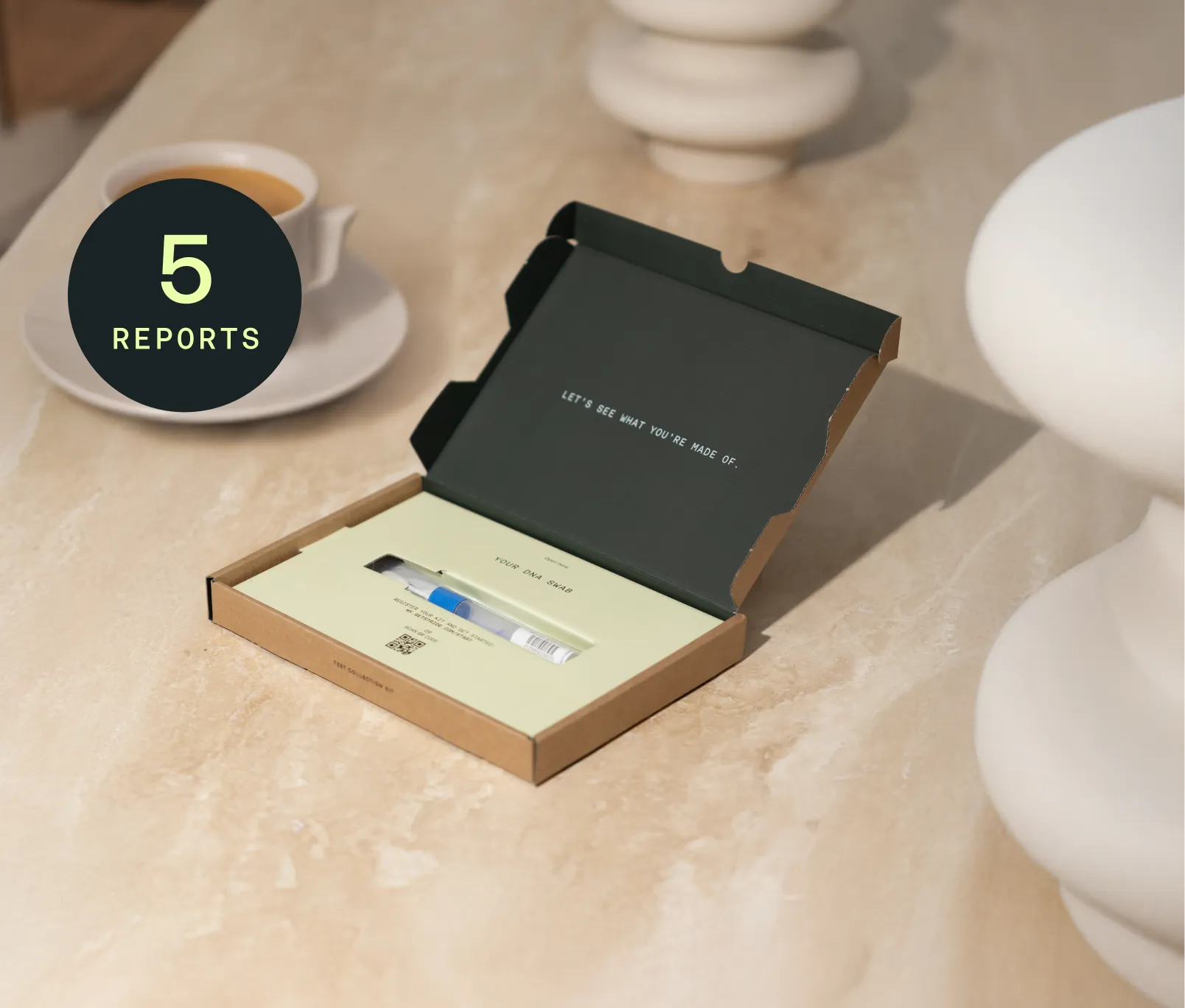
Health Tests
Core DNA Methylation Test
5 reports: Methylation profile reports
From $229 $183.20
FAQs
What is the FBXL3 gene test?
The FBXL3 gene test analyses your DNA from blood or saliva to look for variants in the F-box and leucine rich repeat protein 3 gene that can influence how efficiently cryptochrome clock proteins are degraded and how your circadian period is set.
What does an FBXL3 gene mutation mean?
Common FBXL3 variants usually act as subtle modifiers of circadian period and rhythm robustness, potentially shifting how long your internal day runs or how strongly your clock responds to light cues, rather than acting as direct causes of disease.
Do FBXL3 variants always cause sleep problems?
No; most people with FBXL3 variants do not have clinical sleep disorders. Outcomes depend far more on light exposure, sleep timing, work patterns, stress, and coexisting health conditions than on FBXL3 alone.
Is FBXL3 testing recommended for circadian rhythm sleep disorders?
FBXL3 testing can add context in complex circadian rhythm sleep-wake cases when combined with other clock genes and hormone data, but it is not used as a stand alone diagnostic test for these conditions.
Can FBXL3 affect my chronotype or response to jet lag and shift work?
FBXL3 helps set circadian period and clock robustness, so certain variants may influence how you tolerate late nights, jet lag, or shift work, but behaviour and environment remain powerful levers you can control.
Do I need an FBXL3 test?
You might consider an FBXL3 test if results would change how you structure sleep timing, light exposure, work and training schedules, or recovery plans, particularly if you already track your sleep and want to move from generic advice to a more personalised, clock aware approach.
Do I need to fast for FBXL3 testing?
Fasting is not required for DNA based FBXL3 testing, although any accompanying blood tests such as cortisol, glucose, or lipid profiles may have specific preparation instructions that are worth following for consistent tracking.
How can I optimise FBXL3 related pathways?
Rather than trying to treat the gene, focus on consistent bed and wake times, strong morning light, reduced evening light, aligned meal and activity timing, smart caffeine and alcohol use, and effective stress management so your circadian system can perform well over time, whatever your FBXL3 genotype.