
Menu
-
Shop All
Contact
hey@getstride.com
Stride Health Group
Stride Health Group Ltd
Company No 05158025
Lamas Road
Badersfield
Norwich
England
NR10 5FB
UK
Extra 10% Off | Enter code GIFT at checkout


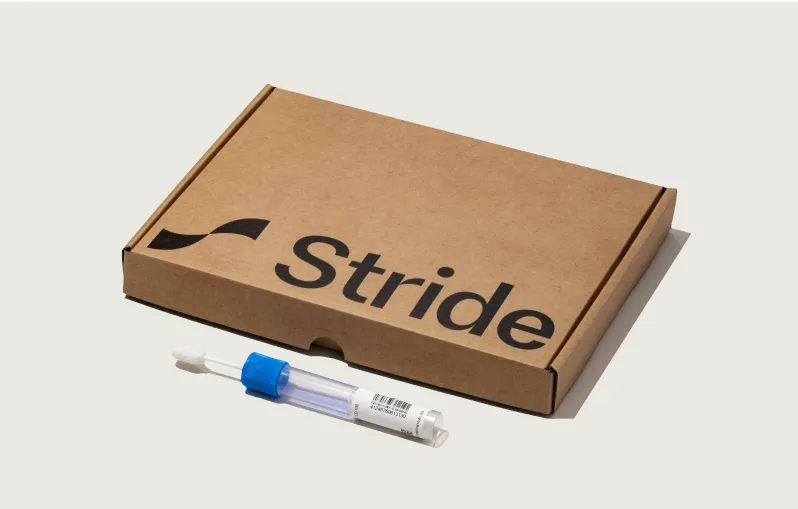




Free Androgen Index (FAI) Blood Test
The Free Androgen Index (FAI) is a hormone marker that estimates how much free, biologically active testosterone is available in your bloodstream. It helps reveal subtle androgen imbalances that total testosterone or sex hormone binding globulin (SHBG) alone can miss.
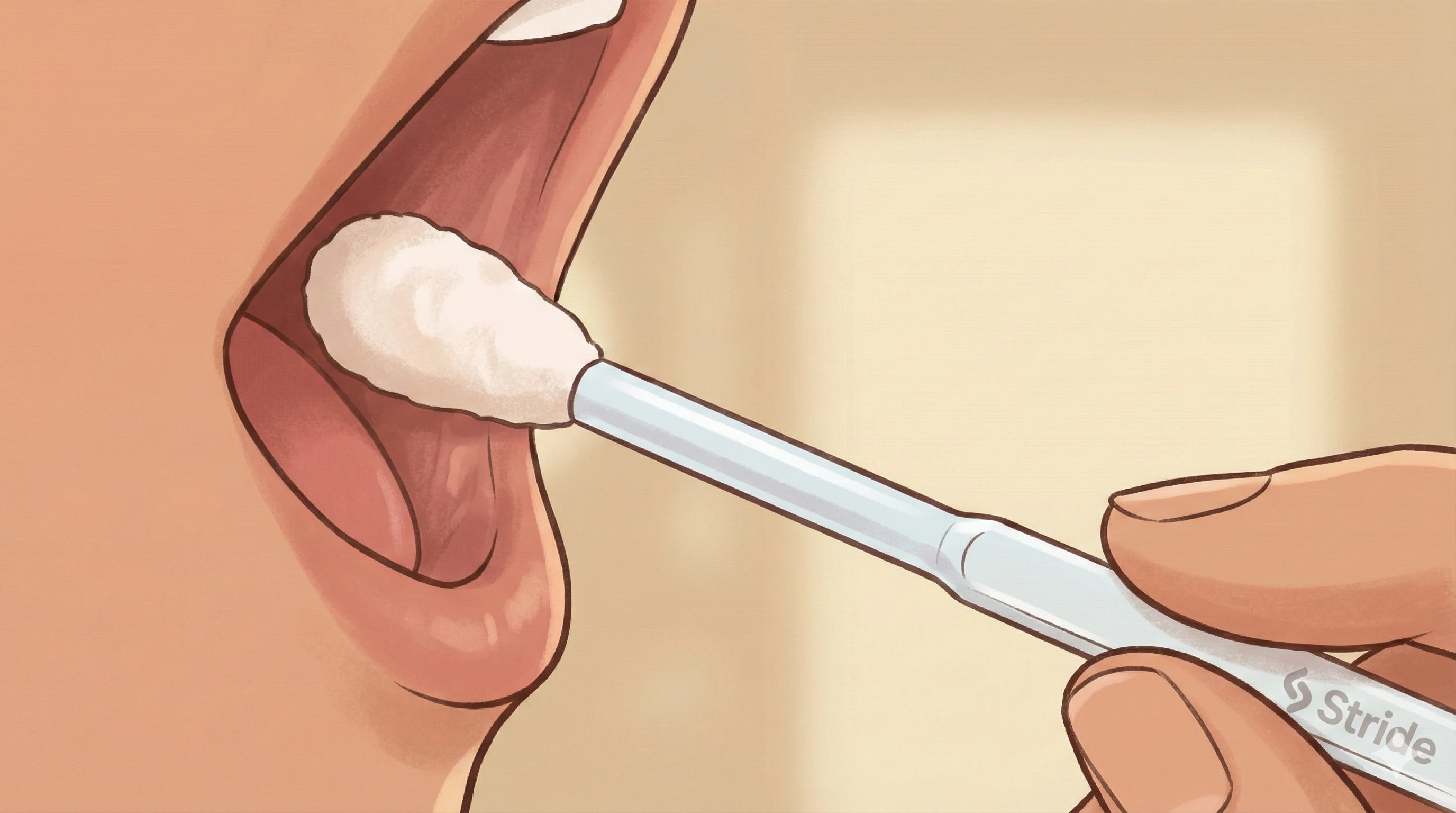

Sample type
Blood sample

Collection
At-home

Often paired with
Total testosterone, SHBG, LH, FSH, oestradiol, prolactin, thyroid panel, metabolic markers

Fasting required
Not usually required (follow your test instructions)
Key Benefits of Testing Free Androgen Index
- Estimates the active, unbound testosterone that your cells can actually respond to
- Helps uncover androgen excess in women, particularly in suspected polycystic ovary syndrome (PCOS) or unexplained acne, hair changes or cycle issues
- Supports investigation of low testosterone symptoms in men when total testosterone is borderline
- Clarifies mixed hormone results by bringing testosterone and SHBG into a single, interpretable number
- Provides a sensitive way to track how lifestyle changes, weight loss or treatment are affecting androgen activity over time
What is the Free Androgen Index (FAI)?
The Free Androgen Index is a calculated value that reflects the balance between total testosterone and SHBG in your blood. Testosterone in the bloodstream exists in three main forms: bound to SHBG, loosely bound to albumin and unbound, or "free."
Most labs do not measure free testosterone directly in routine panels. Instead, FAI uses a simple formula: total testosterone divided by SHBG, multiplied by 100. The higher the FAI, the greater the proportion of testosterone that is likely to be free and biologically active at tissue level.
What does FAI do in the body?
FAI itself is a calculation, not a hormone, but it captures how much androgen activity your body is likely experiencing. Testosterone and related androgens influence energy, mood, libido, muscle mass, fat distribution, hair growth patterns, skin oil production and menstrual regularity in women.
When FAI is elevated, the body may be exposed to more active androgens than expected, which can show up as symptoms such as unwanted hair growth, acne, irregular cycles or difficulty with ovulation in women. When FAI is low, people may experience low libido, reduced vitality, loss of muscle and changes in body composition, particularly in men.
Why is FAI important for hormone health?
Total testosterone on its own can be misleading because it does not tell you how much hormone is locked up by SHBG and therefore unavailable to tissues. FAI adjusts for this by taking SHBG into account, which makes it especially useful when SHBG is high or low.
In women, FAI is widely used as part of the workup for hyperandrogenism, including suspected PCOS. In men, it can help distinguish between low total testosterone with normal free activity and genuine low androgen availability. For prevention-focused health tracking, FAI provides a more nuanced view of hormone status than a single testosterone result.
FAI vs Total Testosterone: What is the difference?
Total testosterone measures the overall amount of testosterone in your blood without distinguishing between bound and free hormone. FAI estimates the proportion of that testosterone that is free or weakly bound and therefore able to act on cells.
Someone can have a normal total testosterone but a high FAI if SHBG is low, meaning more testosterone is free. Conversely, another person can have a normal total testosterone but a low FAI if SHBG is high, leaving less hormone available at tissue level. Looking at FAI alongside total testosterone and SHBG helps explain these patterns and can prevent over or under diagnosis.
What factors affect FAI levels?
FAI is influenced both by how much testosterone you produce and by how much SHBG you make. Key drivers include:
Sex, age and genetics: Men naturally have much higher FAI values than women. FAI tends to change with age, often declining in men and fluctuating across the reproductive years in women. Genetic differences affect how much testosterone and SHBG an individual produces at baseline.
Body weight and metabolic health: Higher body fat, insulin resistance and metabolic syndrome often lower SHBG and increase FAI, especially in women. Weight loss, improved insulin sensitivity and better metabolic health can raise SHBG and bring FAI closer to an optimal range.
Hormonal conditions and PCOS: PCOS and other androgen-excess conditions commonly raise FAI in women, contributing to symptoms such as hirsutism, acne and irregular periods. Thyroid disorders, high prolactin and other endocrine issues can also alter SHBG and shift FAI.
Medications and hormone therapy: Androgen therapy, some anabolic agents or certain progestins can raise FAI. Oestrogen-containing contraceptives and hormone therapy often increase SHBG and lower FAI. Other medications, including some anti-epileptics, steroids and liver-active drugs, can influence SHBG production.
Lifestyle factors: Chronic stress, sleep disruption and heavy alcohol intake can impact liver function and hormone balance, indirectly affecting SHBG and FAI. Dietary pattern, physical activity and rapid weight changes also modulate metabolic health and hormone binding dynamics over time.
Normal vs optimal FAI levels
Lab reference ranges for FAI differ for men and women and can vary by laboratory and method. Typically, women have low single-digit FAI values, while men have much higher values that reflect their natural androgen physiology. A result outside your lab's reference range suggests either androgen excess or deficiency, depending on direction and context.
From an optimisation standpoint, the goal is not simply to be "in range," but to have an FAI that matches your symptoms, life stage and health goals. Two people can share the same FAI result but feel very different, which is why FAI should be interpreted alongside total testosterone, SHBG, other hormones and your lived experience.
How is the FAI test done and do I need to fast?
FAI is calculated from two standard blood tests: total testosterone and SHBG. Both are usually measured from a morning blood sample, particularly in men, when testosterone is naturally at its peak.
Fasting is not always required, but some clinicians prefer a fasting sample when FAI is part of a broader metabolic workup. Women may be advised to test at a specific point in their menstrual cycle for more consistent comparisons over time. Always follow the instructions that come with your test so that your results are reliable and repeatable.
What can raise FAI levels?
Factors that can raise FAI often either increase testosterone or reduce SHBG. These can include:
- PCOS and other androgen-excess syndromes in women
- Insulin resistance, central weight gain and metabolic syndrome, which tend to lower SHBG
- Androgen therapy, certain progestins and some anabolic substances
- Very low oestrogen states or conditions that reduce SHBG production in the liver
Persistently high FAI, particularly when combined with symptoms, may warrant further investigation and clinician-guided management to address both the underlying drivers and downstream effects.
How can FAI be supported over time?
Optimising FAI is rarely about a single change. Effective strategies usually include:
- Improving metabolic health through nutrition, movement, sleep and weight management, which can increase SHBG and smooth androgen peaks
- Addressing underlying conditions such as PCOS, thyroid dysfunction or liver issues with targeted medical support
- Reviewing medications and hormone therapies that may be affecting testosterone or SHBG levels
- Monitoring FAI alongside symptoms and broader hormone panels to understand how your biology responds to these changes
In some cases, clinicians may recommend specific medications to manage androgen excess or deficiency. The focus is on building a sustainable plan that aligns your hormone profile with how you want to feel and function long term.
Stride tests that include FAI
FAQs
What is the Free Androgen Index blood test?
The Free Androgen Index blood test uses your total testosterone and SHBG results to estimate how much free, active testosterone is available to your tissues.
What is a normal FAI range?
Typical FAI ranges are low single digits for women and much higher values for men, but exact ranges depend on the laboratory and method used. Your report will show the reference interval used to interpret your result.
What does a high Free Androgen Index mean?
A high FAI suggests that a larger proportion of your testosterone is free or weakly bound, which can indicate androgen excess. In women, this is often explored further in the context of PCOS or other hyperandrogenic conditions.
What does a low Free Androgen Index mean?
A low FAI means relatively little testosterone is available in free form, which may align with symptoms such as low libido, reduced energy, changes in body composition and reduced muscle mass, particularly in men.
Do I need a Free Androgen Index (FAI) test?
You might consider an FAI test if you have symptoms of androgen imbalance, such as hirsutism, acne, irregular cycles, low libido, low energy or changes in muscle and fat distribution, or if you want a more precise view than total testosterone alone can provide. It is particularly useful when you are already measuring testosterone and SHBG and want to see how they interact.
How can I improve my Free Androgen Index results over time?
Supporting healthy FAI often involves improving metabolic health, optimising weight, prioritising sleep and stress management, and working with a clinician to address PCOS, low testosterone or other hormone conditions. Tracking FAI regularly as part of a wider hormone and metabolic panel helps you see which changes are genuinely moving the needle for your unique biology.