
Menu
-
Shop All
Contact
hey@getstride.com
Stride Health Group
Stride Health Group Ltd
Company No 05158025
Lamas Road
Badersfield
Norwich
England
NR10 5FB
UK
Extra 10% Off | Enter code GIFT at checkout


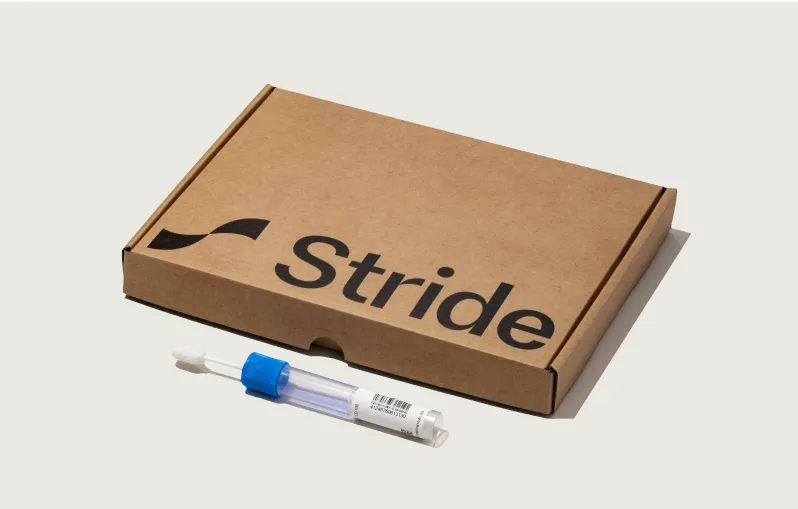





FABP2 Gene Test (Intestinal Fatty Acid Binding Protein 2)
The FABP2 gene test analyses DNA for variants in the intestinal fatty acid binding protein 2 gene that influence how your gut absorbs and traffics dietary long chain fatty acids. Understanding your FABP2 status adds genetic context to post-meal fat handling, insulin resistance risk, and triglyceride responses so you can personalise nutrition and cardiometabolic prevention instead of guessing.


Sample type
Cheek swab, Blood sample

Collection
At-home

Often paired with
Fasting glucose and HbA1c, insulin and HOMA-IR, lipid panel, liver enzymes, body composition measures, gut health assessments, other lipid and insulin resistance genes

Fasting required
Not required for DNA testing; follow clinical guidance for any accompanying blood tests
Key benefits of testing FABP2
- Identify whether you carry the functional FABP2 Ala54Thr variant or related polymorphisms that can alter affinity for long chain fatty acids and influence postprandial lipid and glucose responses.
- Help explain why you may see higher triglycerides or larger blood sugar swings after high fat or mixed meals compared with others, or why metabolic markers improve more when fat type and portion size are adjusted.
- Inform personalised nutrition strategies, including total fat intake, choice of fat types, meal composition, and timing that better match your intestinal fat transport biology.
- Provide context for insulin resistance and cardiometabolic risk when seen alongside central adiposity, triglycerides, and liver markers, especially in the presence of high-fat dietary patterns.
- Clarify your baseline gut-driven lipid handling profile alongside blood biomarkers and lifestyle data, so prevention plans can focus on the food and behaviour changes that move the needle most for your biology.
What is the FABP2 gene?
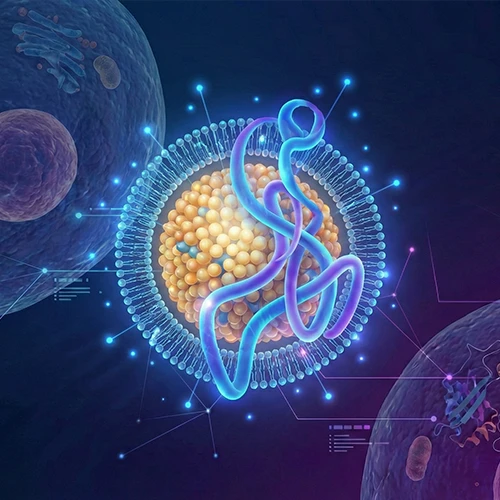
FABP2 encodes intestinal fatty acid binding protein 2, a small cytosolic lipid chaperone expressed abundantly in the enterocytes of the small intestine. It belongs to the fatty acid binding protein family, a group of intracellular proteins that reversibly bind hydrophobic ligands, particularly long chain fatty acids, and guide them through the aqueous cytosol.
Within enterocytes, FABP2 binds dietary fatty acids absorbed from the intestinal lumen and helps traffic them toward sites of esterification and chylomicron assembly. The widely studied Ala54Thr polymorphism in FABP2 changes an alanine to threonine at codon 54, altering binding affinity for long chain fatty acids and, in some studies, influencing post-meal lipid and glucose metabolism.
What does FABP2 do?
FABP2 sits at a key junction in dietary fat handling by shuttling long chain fatty acids across the enterocyte from the apical membrane to the endoplasmic reticulum. There, these fatty acids are esterified into triglycerides and packaged into chylomicrons that enter the lymphatic system and then the bloodstream.
By modulating how efficiently long chain fatty acids are bound and delivered, FABP2 influences postprandial lipid flux, free fatty acid exposure, and downstream effects on tissues such as liver and muscle. Variants like Thr54 that increase fatty acid affinity have been linked in mechanistic work to higher post-meal levels of specific fatty acids and, in some contexts, to greater fat oxidation and reduced insulin action.
Why is FABP2 important for health?
FABP2 contributes to three interconnected systems: intestinal fat absorption and postprandial lipaemia, insulin sensitivity and glucose metabolism, and broader cardiometabolic risk. Differences in how efficiently enterocytes capture and shuttle dietary fats can alter the pattern of circulating fatty acids and triglycerides after meals and may influence insulin signalling over time.
The Ala54Thr polymorphism has been associated in multiple studies with higher total and LDL cholesterol, higher triglycerides, and reduced HDL in some carriers, particularly in the presence of high-fat diets, and with greater insulin resistance in specific populations. Although effect sizes are modest, these shifts, combined with high energy intake and low activity, can contribute to elevated cardiometabolic risk over the long term.
FABP2 vs lipid and glucose testing
It is easy to assume that FABP2 testing and standard fasting lipid or glucose tests tell you the same story, but they capture different layers of your biology. FABP2 genotyping looks at inherited tendencies in intestinal fatty acid handling and postprandial metabolism, whereas fasting lipids, triglycerides, glucose, and insulin show your current metabolic state under your existing diet, body composition, and lifestyle.
This distinction matters because you can carry FABP2 variants associated with higher post-meal lipids yet maintain favourable fasting markers if you follow a supportive diet, keep weight and waist under control, and stay active. Conversely, you can develop dyslipidaemia or insulin resistance without FABP2 risk variants if dietary fat quality, calorie load, and movement patterns are not supportive, which means lifestyle remains a major lever across all genotypes.
Factors that modify FABP2 effects
The influence of FABP2 variants is shaped far more by diet and lifestyle than by the gene alone, which means you have meaningful room to change the trajectory. Several modifiable factors can either buffer genetic effects or amplify them.
- Total fat intake and quality: High total fat intake, especially saturated and trans fats, tends to amplify FABP2-related differences in postprandial lipids and insulin resistance. Shifting toward unsaturated fats, moderating total fat, and avoiding deep fried and ultra-processed foods can blunt genetic impact.
- Meal composition and timing: Large, high fat mixed meals can drive pronounced postprandial triglyceride and free fatty acid excursions. Spreading fat intake across meals, pairing fats with fibre and lean protein, and avoiding late-night heavy meals may be particularly helpful for Thr54 carriers.
- Body weight and visceral fat: Central adiposity and overall fat mass increase hepatic exposure to fatty acids and can accentuate any FABP2-linked disadvantage in lipid handling, as liver and muscle become less insulin sensitive. Weight management and waist reduction strongly support healthier outcomes.
- Physical activity and cardiorespiratory fitness: Regular aerobic and resistance training improve fatty acid oxidation and triglyceride clearance, which can counterbalance a tendency toward higher post-meal lipids and support better insulin sensitivity across FABP2 genotypes.
- Carbohydrate quality and overall energy balance: Refined carbohydrates combined with high fat intake can worsen insulin resistance and triglycerides, particularly in those with less favourable FABP2 patterns. Emphasising whole grains, legumes, and non-starchy vegetables can mitigate this effect.
- Co-existing conditions and medications: Type 2 diabetes, fatty liver, and certain medications that influence lipid metabolism can interact with FABP2-related differences, making dietary and lifestyle support even more important.
FABP2 variants without symptoms
Yes, and that is very common. Most people with FABP2 variants, including Thr54 carriers, do not experience direct, recognisable symptoms tied solely to this gene and usually discover their status only through DNA testing.
Issues such as post-meal fatigue, bloating, or "food coma" are non-specific and can reflect meal size, composition, gut health, or other metabolic and digestive factors. Early FABP2-related risk typically surfaces as patterns in blood work, such as higher postprandial lipids, gradual changes in fasting triglycerides, or insulin resistance, rather than clear-cut symptoms.
Common FABP2 genotypes
Common FABP2 genotypes mainly differ in how they influence binding affinity for long chain fatty acids and the downstream pattern of lipid and glucose metabolism, especially in the context of diet and adiposity. Understanding your pattern can help tailor nutrition and prevention strategies rather than framing your digestion as simply "good" or "bad."
- Ala54Ala (reference pattern): This genotype encodes the alanine-containing protein and is often considered the baseline form. Metabolic outcomes still depend heavily on diet, body composition, and physical activity.
- Ala54Thr (heterozygous): Carrying one Thr54 allele produces a mix of protein isoforms and has been associated in some studies with intermediate changes in fatty acid handling, postprandial lipids, and insulin sensitivity, particularly under high-fat dietary conditions.
- Thr54Thr (homozygous variant): This pattern encodes only the threonine-containing protein, which has higher affinity for long chain fatty acids. Thr54 homozygosity has been linked in meta-analyses to higher total and LDL cholesterol, higher triglycerides, lower HDL, and increased insulin resistance in certain cohorts, especially when diet and body weight are not optimised.
- Other FABP2 variants: Less common variants may alter expression or function more subtly and are generally of secondary importance in standard preventative health panels compared with the Ala54Thr polymorphism.
Preparing for a FABP2 test
For DNA-based FABP2 testing, preparation is straightforward because your genotype does not change day to day with meals or exercise. The key step is choosing a panel that integrates FABP2 with other metabolic genes, blood biomarkers, and lifestyle information so the results can guide specific, practical changes in diet and prevention.
Standalone FABP2 genotyping using blood or saliva does not require fasting, since it analyses stable DNA rather than dynamic blood levels. If FABP2 is bundled with lipid panels, glucose, or oral fat tolerance tests, your clinician or testing instructions may recommend fasting or standardised meal challenges to make the results easier to interpret and track over time.
Do I need a FABP2 test?
A FABP2 test is most valuable when the result will influence how you approach dietary fat, weight management, and cardiometabolic prevention, rather than as a curiosity in isolation. It becomes particularly informative when interpreted alongside lipids, glucose, body composition, and your usual diet pattern.
- Mixed dyslipidaemia or elevated triglycerides: If your triglycerides or mixed lipid profile remain suboptimal despite reasonable diet and exercise, FABP2 genotyping can help clarify whether postprandial fat handling and fat quality deserve extra focus.
- Early insulin resistance or metabolic syndrome: In the context of rising fasting insulin, impaired fasting glucose, or early metabolic syndrome, FABP2 status can support more precise tailoring of fat intake, meal composition, and energy balance strategies.
- Strong family history of cardiometabolic disease: For individuals with a family history of type 2 diabetes, dyslipidaemia, or early cardiovascular disease, FABP2 information can add nuance to risk assessment and justify earlier, targeted lifestyle changes.
- Building a long-term metabolic and longevity roadmap: Within a broader testing strategy, FABP2 genotyping provides a durable anchor for designing and adjusting fat-focused nutrition plans across life stages.
Stride tests that include FABP2


Health Tests
Core DNA Methylation Test
5 reports: Methylation profile reports
From $229 $183.20
FAQs
What is the FABP2 gene test?
The FABP2 gene test analyses your DNA from blood or saliva to look for variants in the intestinal fatty acid binding protein 2 gene that influence how your small intestine binds and transports dietary long chain fatty acids, with downstream effects on lipids and insulin sensitivity.
What does a FABP2 variant mean?
Common variants such as Ala54Thr can increase affinity for long chain fatty acids and have been associated in some studies with higher post-meal fatty acid uptake, greater fat oxidation, and higher total and LDL cholesterol, triglycerides, and insulin resistance in specific contexts.
Do FABP2 variants always cause health problems?
No. Many people with FABP2 variants never develop dyslipidaemia or insulin resistance, especially when diet, weight, and activity are well managed. Likewise, people without these variants can still develop metabolic problems if overall lifestyle and environment are not supportive.
Is FABP2 testing used to choose medication?
FABP2 testing is not currently used to select specific lipid or diabetes medications, but it can provide useful background when tailoring nutrition, weight-loss strategies, and, in some cases, the intensity of monitoring and preventive treatment discussions with your clinician.
Can FABP2 affect how I should eat?
Yes. FABP2 status can inform how strongly you may benefit from moderating total fat intake, choosing more unsaturated fats, pairing fats with fibre and lean protein, and managing meal size and timing, particularly if you are a Thr54 carrier with elevated triglycerides or insulin resistance.
Do I need a FABP2 test?
You might consider a FABP2 test if results would change how you approach dietary fat, triglyceride and glucose monitoring, and cardiometabolic prevention, especially if you have a family history of metabolic disease, early changes in lipids or insulin, or a diet pattern that is high in fat.
Do I need to fast for FABP2 testing?
Fasting is not required for DNA-based FABP2 testing. If accompanying blood tests such as fasting lipids, glucose, or insulin are ordered, your clinician or testing instructions may recommend fasting to ensure results are accurate and comparable over time.
How can I optimise my health if I carry FABP2 variants?
Rather than trying to change the gene, focus on choosing higher quality fats and moderating total fat intake, pairing fats with fibre and protein, maintaining or moving toward a healthy waist and body composition, staying physically active, protecting sleep and stress balance, and tracking your lipids and glucose over time so you can see how small, consistent nutrition and lifestyle changes reshape your long-term metabolic risk.