
Menu
-
Shop All
Contact
hey@getstride.com
Stride Health Group
Stride Health Group Ltd
Company No 05158025
Lamas Road
Badersfield
Norwich
England
NR10 5FB
UK
Extra 10% Off | Enter code GIFT at checkout


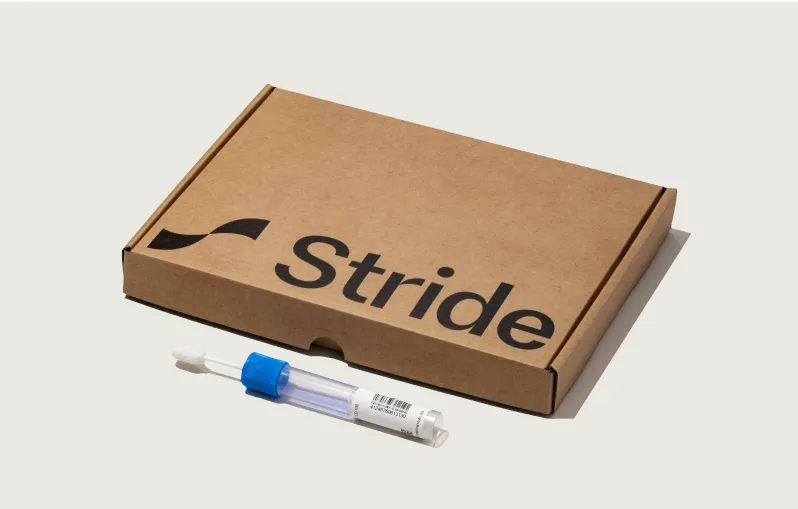




EPHX1 Gene Test (Microsomal Epoxide Hydrolase 1)
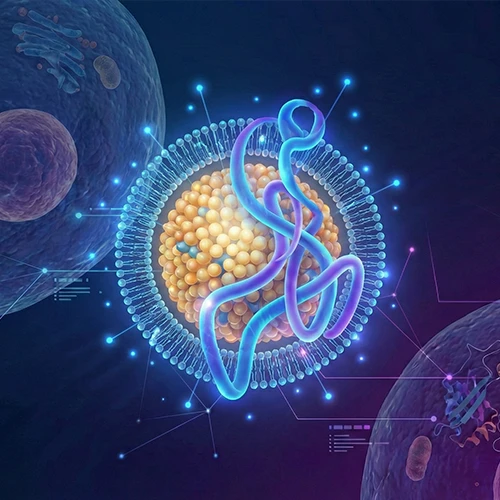
The EPHX1 gene test analyses DNA for variants in the microsomal epoxide hydrolase 1 gene that influence how effectively your body converts reactive epoxides from pollutants, tobacco smoke, drugs, and endogenous compounds into safer diols. Understanding your EPHX1 status adds genetic context to detoxification capacity, lung and liver vulnerability, and response to certain environmental exposures so you can shape prevention strategies instead of guessing.
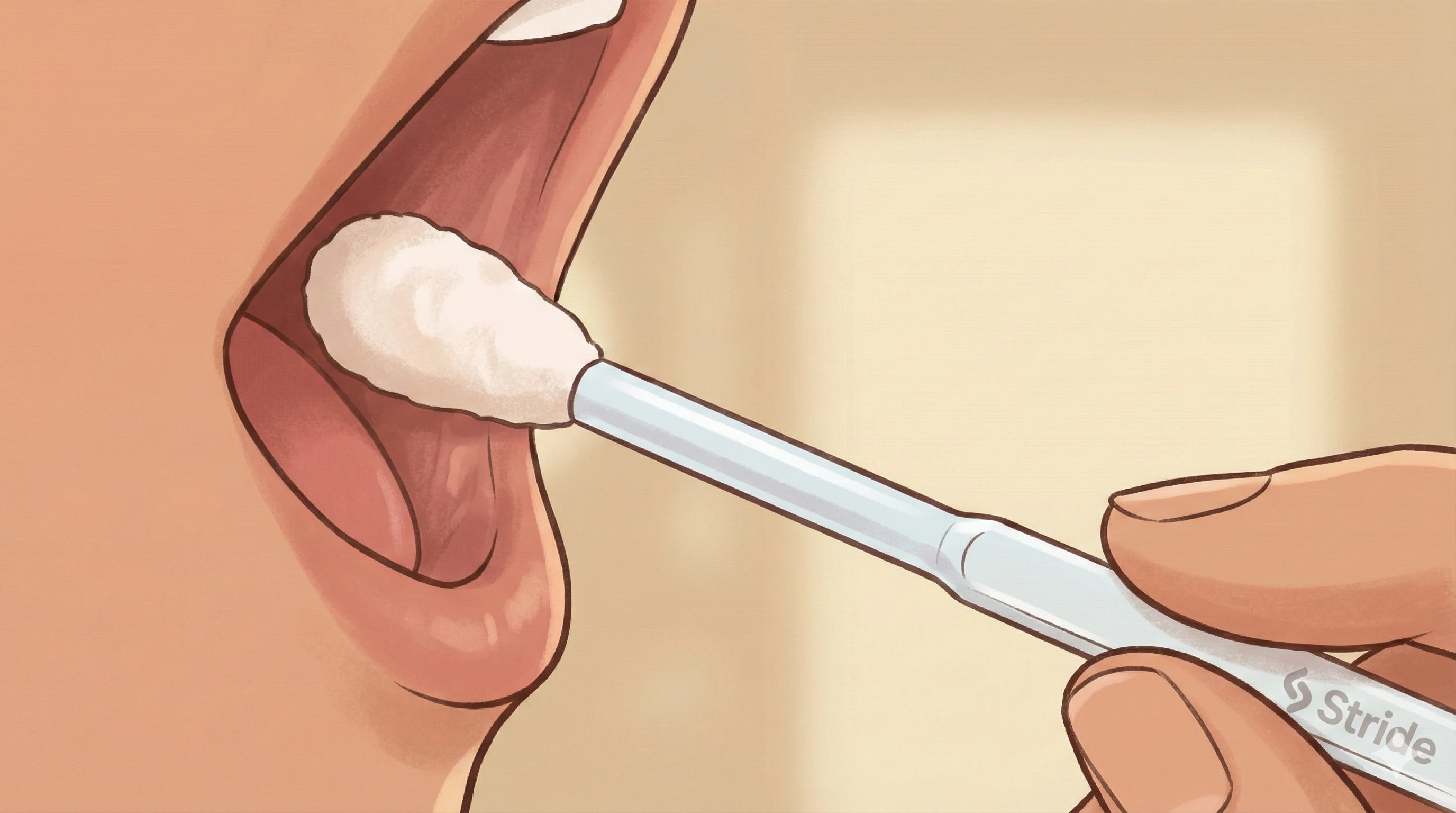

Sample type
Cheek swab, Blood sample

Collection
At-home

Often paired with
Liver enzymes, oxidative stress and inflammation markers, lung function tests, cardiovascular risk markers, other xenobiotic metabolism and antioxidant genes

Fasting required
Not required for DNA testing; follow clinical guidance for any accompanying blood tests
Key benefits of testing EPHX1
- Identify whether you carry functional EPHX1 variants that alter microsomal epoxide hydrolase activity, influencing how rapidly reactive epoxides are detoxified or, in some cases, bioactivated.
- Help explain why you may be more sensitive to tobacco smoke, air pollution, or certain medications than peers, or why lung, liver, or cardiovascular markers drift despite similar lifestyle patterns.
- Inform personalised strategies for exposure reduction, antioxidant and liver support, and monitoring frequency if you live or work in higher exposure environments.
- Provide context for risk of conditions linked to xenobiotic exposure, such as chronic lung disease and certain cancers, especially in the presence of smoking or high pollutant load.
- Clarify your baseline epoxide-processing capacity alongside liver, lung, and inflammatory biomarkers, so prevention and longevity plans can be built around both genetics and real-time data.
What is the EPHX1 gene?
EPHX1 encodes microsomal epoxide hydrolase 1, a phase I/II biotransformation enzyme located mainly in the endoplasmic reticulum of liver, lung, and other tissues that are regularly exposed to xenobiotics. It belongs to the alpha/beta hydrolase family and catalyses the conversion of highly reactive epoxide intermediates into more polar trans dihydrodiols.
These epoxides arise from the metabolism of polycyclic aromatic hydrocarbons, industrial solvents, components of tobacco smoke, certain drugs, and some endogenous lipids and steroids. EPHX1 has broad substrate specificity, and its activity is influenced by common polymorphisms in exons 3 and 4, as well as regulatory variants that modify expression in specific tissues.
What does EPHX1 do?
EPHX1 sits at a critical junction in detoxification pathways by hydrolysing epoxides that are often the most reactive and potentially toxic metabolites of many environmental chemicals and drugs. By converting these epoxides to trans dihydrodiols, EPHX1 usually reduces their reactivity and prepares them for further phase II conjugation and excretion.
However, its role is dual. In some cases, epoxide hydrolysis can generate metabolites that are themselves reactive or can be further activated by other enzymes, contributing to tissue damage or carcinogenesis. The balance between detoxification and bioactivation depends on the specific substrate, co-expressed enzymes, and overall metabolic context, which is why EPHX1 variation can be linked to either increased or decreased disease risk across different exposures.
Why is EPHX1 important for health?
EPHX1 contributes to three interconnected systems: detoxification of xenobiotics and environmental toxins, lung and liver health, and long-term cancer and cardiometabolic risk. In the lung, for example, EPHX1 is highly expressed in bronchial epithelium and helps neutralise epoxides generated from tobacco smoke and air pollutants, influencing susceptibility to chronic obstructive pulmonary disease and lung cancer in the context of smoking.
In the liver, EPHX1 participates in first-pass metabolism of drugs and environmental chemicals, modulating the burden of reactive intermediates that can damage hepatocytes or vascular tissues. Genetic polymorphisms such as Tyr113His and His139Arg alter enzyme activity and have been associated with changes in risk for several malignancies and lung diseases, particularly when combined with high levels of exposure. Real-world effects are modest and highly dependent on environment, but they become important at the margins of heavy exposure or existing vulnerability.
EPHX1 vs liver enzymes and exposure
It is easy to assume that EPHX1 testing and standard blood tests or exposure histories tell you the same story, but they capture different aspects of your biology. EPHX1 genotyping looks at inherited differences in a key epoxide hydrolase that shapes how your body processes certain toxins and drug metabolites, whereas liver enzymes, lung function, and clinical history show the current impact of exposures and other factors on organs.
This distinction matters because you can carry EPHX1 variants associated with reduced or increased activity and yet have normal liver and lung markers if exposures are low and other defences are strong. Conversely, significant environmental or occupational exposure, heavy smoking, or concurrent disease can cause damage in people with "average" EPHX1 activity if other detoxification and repair systems are overwhelmed. Together, genotype and phenotypic markers provide a more complete picture of risk and resilience.
Factors that modify EPHX1 effects
The influence of EPHX1 variants is shaped more by environment, co-expressed enzymes, and lifestyle than by the gene alone, which means you have meaningful room to change your trajectory. Several modifiable factors can either buffer genetic effects or amplify them.
- Tobacco smoke and air pollution: Smoking and significant air pollution exposure greatly increase epoxide load in the lungs. Low-activity EPHX1 variants may heighten risk for chronic lung disease and cancer in this context, while high-activity variants can sometimes increase formation of certain downstream carcinogens. Reducing exposure is powerful across genotypes.
- Occupational and environmental chemicals: Work with solvents, combustion products, or specific industrial chemicals increases epoxide burden. Protective equipment, ventilation, and, where possible, role adjustment are key if EPHX1 variants or other factors increase vulnerability.
- Liver health and alcohol use: Chronic alcohol intake, fatty liver, and other hepatic stressors reduce reserve capacity for detoxification and can amplify any EPHX1-related imbalance between detoxification and bioactivation. Supporting liver health through alcohol moderation, weight management, and diet is particularly important.
- Other detoxification and antioxidant pathways: Enzymes such as glutathione S transferases, NQO1, and PON1, as well as antioxidant systems, interact with EPHX1. Variants across these pathways can combine to increase or reduce overall resilience, and lifestyle interventions that boost antioxidant capacity help across genotypes.
- Medication use: Some drugs are metabolised via epoxide intermediates. EPHX1 activity can influence how long these intermediates persist, potentially affecting drug response or toxicity in specific contexts. Medication decisions should always be made with a prescribing clinician.
- Diet, inflammation, and overall lifestyle: Diets rich in colourful plants, adequate protein, and healthy fats, along with regular movement and good sleep, support liver and vascular health and help buffer the impact of unavoidable exposures, regardless of EPHX1 status.
EPHX1 variants without symptoms
Yes, and that is very common. Most people with EPHX1 polymorphisms never notice any direct symptoms and are unaware of their genotype unless they undergo DNA testing.
Health issues linked to EPHX1 variation, such as higher risk of certain cancers or chronic lung disease, usually appear only after years of cumulative exposure and in combination with other risk factors. Early changes tend to show up in subtle clinical trends, like slowly shifting lung function, liver markers, or cardiovascular risk, rather than in symptoms that can be clearly attributed to EPHX1 alone.
Common EPHX1 genotypes
Common EPHX1 genotypes mainly differ in how they influence enzyme activity toward key substrates, which can change the balance between detoxification and bioactivation for specific epoxides. Understanding your pattern can help tailor exposure reduction and monitoring, rather than treating your detoxification capacity as fixed and opaque.
- Tyr113His (rs1051740): This exon 3 polymorphism replaces tyrosine with histidine and is associated with reduced enzyme activity, often described as a "slow" or "low" activity variant. Carriers may have reduced detoxification of some tobacco-related epoxides and, in some populations, altered risk of lung disease or certain cancers.
- His139Arg (rs2234922): This exon 4 variant can increase activity for some substrates and is sometimes referred to as a "fast" activity variant. It may confer different patterns of risk for cancers or lung disease depending on exposure type and intensity.
- Predicted slow, normal, and fast activity genotypes: Combinations of exon 3 and exon 4 variants are often used to categorise individuals into slow, normal, or fast EPHX1 activity groups. Slow activity may increase risk from some toxins by allowing epoxides to persist, while high activity may increase formation of reactive diols from certain carcinogens.
- Regulatory variants and promoter polymorphisms: Variants in EPHX1 promoter regions can alter tissue-specific expression, potentially modifying susceptibility to xenobiotic injury in organs such as liver or lung, though these are less commonly reported in standard panels.
Preparing for an EPHX1 test
For DNA-based EPHX1 testing, preparation is straightforward because your genotype does not change with recent diet, exposures, or medications. The key step is selecting a panel that situates EPHX1 within a wider detoxification, oxidative stress, and cardiometabolic context so the results lead to clear behavioural and monitoring strategies.
Standalone EPHX1 genotyping using blood or saliva does not require fasting. If EPHX1 is bundled with liver enzymes, oxidative stress markers, or lung function tests, your clinician or testing instructions may recommend specific preparation, such as avoiding strenuous exercise or alcohol shortly beforehand, to support clean baseline measurements.
Do I need an EPHX1 test?
An EPHX1 test is most valuable when the result will influence how you approach exposure reduction, detoxification support, and long-term monitoring, rather than as a curiosity in isolation. It becomes particularly informative when interpreted alongside lifestyle, occupational exposures, liver and lung markers, and other detox genes.
- Current or past smoking and high pollution exposure: If you smoke, have smoked, or live or work in polluted or high-exposure environments, EPHX1 genotyping can add context to lung and cancer risk and highlight the importance of exposure reduction and monitoring.
- Occupational exposure to solvents or combustion products: In work settings with significant xenobiotic exposure, EPHX1 status can support discussions about protective measures, role design, and health surveillance.
- Unexplained lung or liver trends: If lung function, liver enzymes, or inflammatory markers drift without a clear cause, detoxification gene context, including EPHX1, may help guide lifestyle and exposure investigations.
- Building a detoxification and longevity roadmap: For those engaging in comprehensive DNA and blood testing, EPHX1 provides a durable anchor for understanding how your body handles certain toxins and for planning long-term environment and lifestyle decisions.
Stride tests that include EPHX1


Health Tests
Core DNA Methylation Test
5 reports: Methylation profile reports
From $229 $183.20
FAQs
What is the EPHX1 gene test?
The EPHX1 gene test analyses your DNA from blood or saliva to look for variants in the microsomal epoxide hydrolase 1 gene that influence how your body converts reactive epoxides from environmental toxins, smoke, drugs, and endogenous compounds into more water-soluble diols.
What does an EPHX1 variant mean?
Common EPHX1 variants in exons 3 and 4 alter enzyme activity, classifying people as having slow, normal, or fast epoxide hydrolase activity. These differences can modestly change risk of lung disease, certain cancers, or drug toxicities in the presence of relevant exposures.
Do EPHX1 variants always cause health problems?
No. Many people with EPHX1 variants never develop related diseases, especially if smoking, pollution, and toxic exposures are low and liver and lung health are supported. Conversely, heavy exposure can cause harm even in people with average activity if other defences are stressed.
Is EPHX1 testing used to choose medication?
EPHX1 testing is not routinely used to select medications, but it can provide useful background when considering drug regimens that rely on epoxide intermediates, or when investigating unusual sensitivity to certain drugs or environmental toxins. Any medication decisions must be made with a prescribing clinician.
Can EPHX1 affect how I respond to smoke or pollution?
Yes. Because EPHX1 processes epoxides derived from tobacco smoke and air pollutants, variants that reduce or increase activity can influence how your lungs handle these exposures and may contribute to differences in COPD or lung cancer risk when exposure is high. Reducing exposure remains the most important step.
Do I need an EPHX1 test?
You might consider an EPHX1 test if results would change how you approach exposure reduction, lung and liver monitoring, or detox-supportive lifestyle strategies, especially if you smoke or have smoked, live in a polluted environment, or have significant occupational exposures.
Do I need to fast for EPHX1 testing?
Fasting is not required for DNA-based EPHX1 testing. If accompanying blood tests such as liver enzymes, inflammatory markers, or oxidative stress panels are ordered, follow the preparation guidance provided with those tests.
How can I optimise my health if I carry EPHX1 variants?
Rather than trying to change the gene, focus on avoiding or minimising smoke and pollutant exposure, supporting liver and lung health with a nutrient-dense diet and regular movement, limiting alcohol, protecting sleep and stress balance, and tracking key biomarkers over time so you can see how small, consistent changes reshape your long-term risk profile.