
Menu
-
Shop All
Contact
hey@getstride.com
Stride Health Group
Stride Health Group Ltd
Company No 05158025
Lamas Road
Badersfield
Norwich
England
NR10 5FB
UK
Extra 10% Off | Enter code GIFT at checkout


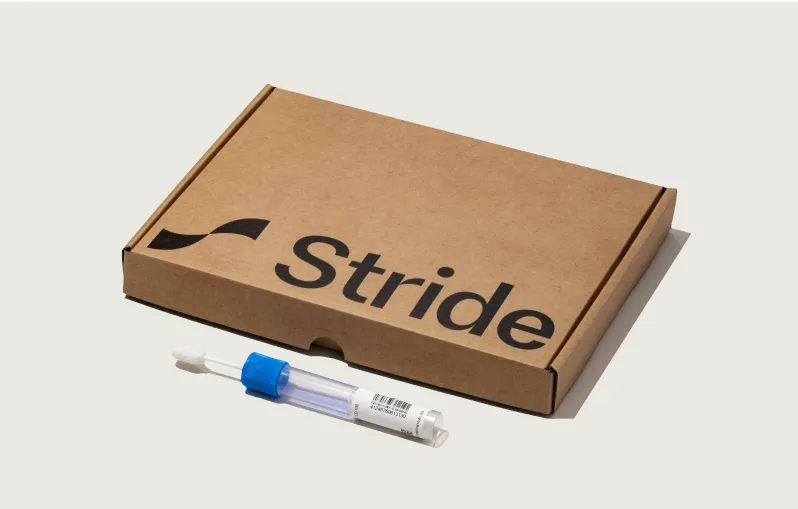





Eosinophils (count and %) Blood Test
An eosinophils blood test measures how many eosinophils you have in your blood, reported as both a percentage of white blood cells and as an absolute count. Eosinophils are specialised white cells involved in allergy, asthma, parasite defence, and some autoimmune and inflammatory conditions, so changes in their level can give important clues about what is driving symptoms in your lungs, gut, skin, and more.

Sample type
Blood sample

Collection
At-home

Often paired with
Full blood count FBC with differential, basophils, neutrophils, lymphocytes, monocytes, CRP, ESR, total IgE, specific allergy tests, stool tests for parasites, liver and kidney function, vitamin B12 and folate

Fasting required
0
Key benefits of testing eosinophils
An eosinophils blood test can help you:
- Identify eosinophilia raised eosinophils that may be linked to asthma, allergies, skin disease, gut inflammation, parasites, or blood and bone marrow disorders.
- Recognise eosinopenia very low eosinophils in the context of acute infection, high steroid levels, or severe stress.
- Provide context for symptoms such as wheeze, breathlessness, chronic cough, sinus problems, rashes, itching, abdominal pain, and diarrhoea.
- Guide when more focused tests such as allergy panels, stool tests, imaging, or bone marrow studies are needed.
- Monitor response to treatments for asthma, eosinophilic gut disease, autoimmune disease, or hypereosinophilic syndromes.
What are eosinophils
Eosinophils are a type of granulocyte white blood cell made in the bone marrow. In healthy adults:
- They usually make up less than about 5 percent of circulating white blood cells.
- Their absolute count normally ranges from roughly 0.05 to 0.5 × 10⁹/L or 50 to 500 cells per microlitre.
Eosinophil results are typically reported as:
- Eosinophil percentage: proportion of eosinophils among all white blood cells.
- Absolute eosinophil count: actual number per unit volume, which is more important when assessing eosinophilia or eosinopenia.
What do eosinophils do in the immune system
Eosinophils play several important roles:
- Parasite defence: they attach to and damage parasites such as some worms using toxic granule proteins.
- Allergy and asthma: they release mediators that drive airway inflammation, mucus, and tissue damage in conditions like eosinophilic asthma and allergic rhinitis.
- Tissue inflammation and repair: they accumulate in tissues, particularly in the airways and gut, and release cytokines that shape chronic inflammation, scarring, and repair.
Because eosinophils mainly act in tissues rather than blood, blood levels give a rough indication of how active these pathways are across the body.
Why are eosinophils important for allergy, asthma, gut, and systemic health
Eosinophils matter because:
- Eosinophilia raised eosinophils is seen in many common conditions including asthma, hay fever, eczema, chronic sinusitis, and drug allergies, and in less common conditions like eosinophilic oesophagitis and inflammatory bowel disease.
- Significant or sustained eosinophilia can cause organ damage in the heart, lungs, nervous system, skin, and gut, particularly in hypereosinophilic syndromes and some vasculitides.
- Very high eosinophil counts, especially with weight loss, fever, night sweats, or abnormal imaging or blood tests, can point to blood cancers or bone marrow disorders that need specialist review.
Eosinophils vs other white cells: what is the difference
A full blood count with differential includes:
- Neutrophils mainly antibacterial defence.
- Lymphocytes virus defence and immune memory.
- Monocytes tissue cleanup and chronic inflammation.
- Basophils allergy and histamine release.
- Eosinophils allergy, asthma, parasites, and some autoimmune patterns.
Compared to the others:
- Eosinophils are more specialised for allergic and parasitic responses and for particular inflammatory syndromes.
- Both eosinophil percentage and absolute count are reported, but absolute count is the key value to define eosinophilia or eosinopenia.
What factors affect eosinophil count and percentage
Eosinophil levels are shaped by immune activation, hormones, medicines, and bone marrow activity. Key influences include:
1. Allergies and asthma
- Hay fever, perennial rhinitis, asthma, eczema, nasal polyps, and certain food or drug allergies commonly raise eosinophils.
- Some asthma phenotypes are specifically driven by eosinophils and respond to therapies that target eosinophilic inflammation.
2. Parasites and infections
- Parasitic infections especially helminths and some fungal and bacterial infections can cause eosinophilia.
- Travel history, exposure risk, and stool tests help clarify this cause.
3. Autoimmune and inflammatory diseases
- Conditions such as eosinophilic oesophagitis, eosinophilic gastroenteritis, inflammatory bowel disease, vasculitis, and some forms of myocarditis and lung disease can be associated with raised eosinophils.
4. Blood and bone marrow disorders
- Myeloproliferative neoplasms, eosinophilic leukaemias, and hypereosinophilic syndromes can lead to very high eosinophil counts and organ damage if untreated.
5. Hormones, stress, and medicines
- Corticosteroids whether produced in excess Cushing or taken as medication and acute stress responses often lower eosinophils eosinopenia.
- Some medicines including certain antibiotics, anti seizure drugs, and others can cause drug reactions and eosinophilia.
Normal vs high vs low eosinophils: what is the difference
Ranges vary between labs, but typical adult values are:
- Eosinophil percentage: about 0 to 5 percent of white cells.
- Absolute eosinophil count: about 0.05 to 0.5 × 10⁹/L or up to 500 cells per microlitre.
Interpretation:
- Eosinophilia is usually defined as an absolute eosinophil count above about 0.5 × 10⁹/L or 500 cells per microlitre. Higher bands mild, moderate, marked are often considered as counts rise.
- Hypereosinophilia often describes counts of 1.5 × 10⁹/L or more, especially when sustained and associated with organ involvement.
- Eosinopenia generally refers to absolute eosinophils below the lower limit of normal, often very close to zero, particularly when persistent and confirmed.
Do I need to fast for an eosinophils blood test
Fasting is not usually required for an eosinophil count.
You may be asked to:
- Fast if your eosinophils are being measured as part of a fasting metabolic or lipid panel.
- Avoid unusual acute stress, new medications, or infection at the time of routine monitoring where possible, as they can transiently alter white cell patterns.
How can abnormal eosinophil results be managed clinician guided
Managing eosinophils is about understanding and addressing the cause rather than treating the number alone. Depending on your situation, clinician guided steps may include:
- Reviewing history of asthma, allergies, skin disease, sinus issues, gastrointestinal symptoms, travel, medications, and systemic symptoms such as fever, weight loss, and night sweats.
- Repeating the full blood count with differential and checking CRP, ESR, total IgE, stool tests, autoimmune markers, and imaging where indicated.
- Using targeted treatments such as inhaled or biologic therapies for eosinophilic asthma, dietary and medical approaches for eosinophilic gut disease, and appropriate anti parasitic, autoimmune, or oncological treatments where needed.
- Monitoring eosinophil counts over time to track disease activity and treatment response.
Stride tests that include Eosinophils
FAQs
What is the eosinophils (count and %) blood test
The eosinophils blood test measures how many eosinophils you have in your blood, reported both as a percentage of your white blood cells and as an absolute count. It helps investigate allergies, asthma, skin and gut conditions, parasitic infections, autoimmune diseases, and some blood and bone marrow disorders.
What is a normal eosinophil count and percentage
In most adults, eosinophils usually make up less than about 5 percent of white blood cells, and the absolute eosinophil count typically ranges from around 0.05 to 0.5 × 10⁹/L up to about 500 cells per microlitre. Your lab report will show the exact range used for your result.
What is an optimal eosinophil level for health
Optimal eosinophil levels are stable within the normal range, without rises that mirror flares of asthma, allergy, or unexplained inflammation. The best target for you is a pattern where eosinophils, other white cells, and inflammatory markers fit your clinical picture and remain steady over time.
Is eosinophil percentage or absolute count more important
Absolute eosinophil count is usually more important than percentage, because the percentage can change when other white cell counts change even if the absolute number of eosinophils hardly moves. Both are reported, but absolute count is used to define eosinophilia or eosinopenia.
Can eosinophils be high if I only have mild asthma or hay fever
Yes. Even mild asthma, hay fever, or eczema can be associated with slightly raised eosinophils, especially during flare seasons or uncontrolled periods. However, marked or persistent eosinophilia, particularly with systemic symptoms, always warrants a broader search for other causes.
Do I need an eosinophils (count and %) test
You are likely to have an eosinophil count whenever you have a full blood count with differential, which is a very common test. It is especially useful if you have asthma, allergies, chronic rashes, gut symptoms, unexplained cough or wheeze, travel exposures, or signs of autoimmune or haematological disease.
Do I need to fast for an eosinophil test
Fasting is not usually necessary for an eosinophil count. If it is part of a fasting panel, you will follow those fasting instructions, and eosinophils will be measured at the same time.
How can I improve my eosinophil result
Improving eosinophil levels means addressing what is driving them. This may include better control of asthma and allergies, treating parasitic or other infections, optimising autoimmune or inflammatory disease management, adjusting medications, and supporting overall immune balance through sleep, nutrition, stress management, and gut health. As the underlying issues settle, eosinophil levels often move closer to your baseline.
Do I need an eosinophils (count and %) blood test
If you want a clearer understanding of how your immune system is behaving, especially around allergies, asthma, rashes, gut problems, or unexplained inflammation, discussing a full blood count with differential including eosinophils with your clinician is a practical step. Within StrideOne, eosinophil count and percentage sit alongside hundreds of other biomarkers, helping you see exactly how this immune cell type fits into your respiratory, gut, and long term health story.