
Menu
-
Shop All
Contact
hey@getstride.com
Stride Health Group
Stride Health Group Ltd
Company No 05158025
Lamas Road
Badersfield
Norwich
England
NR10 5FB
UK
Extra 10% Off | Enter code GIFT at checkout








ELN Gene Test (Elastin)
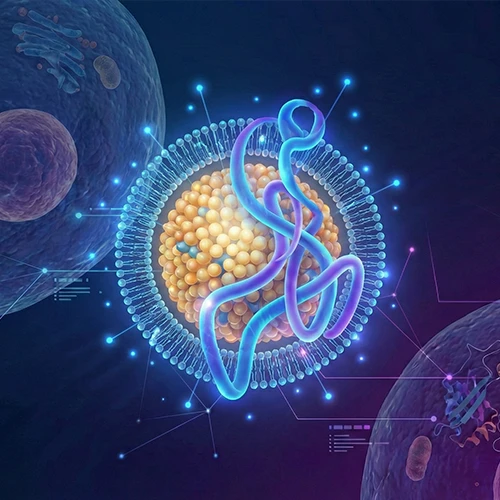
The ELN gene test analyses DNA for variants in elastin, the core protein that gives large arteries, lungs, and skin their elastic recoil. Understanding your ELN status adds genetic context to arterial stiffness, congenital vessel narrowing, lung and skin elasticity, and connective tissue resilience so you can take a more informed approach to cardiovascular and longevity planning.

Sample type
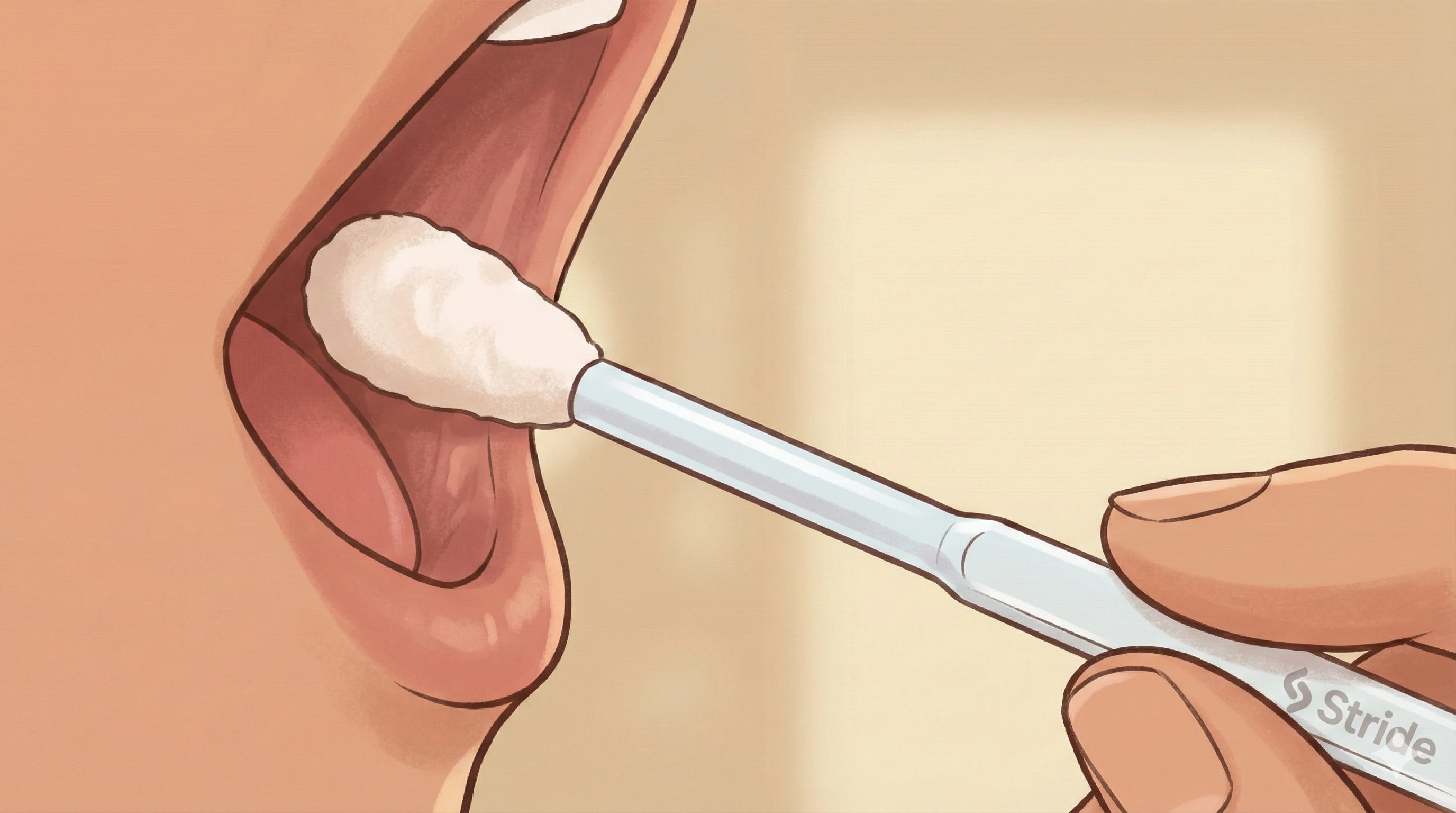
Cheek swab, Blood sample

Collection
At-home

Often paired with
Echocardiogram and detailed cardiac imaging, blood pressure and pulse wave velocity, lipid and cardiometabolic panels, lung function tests, skin and connective tissue assessment, family history review

Fasting required
Not required for DNA testing; follow clinical guidance for any accompanying blood tests
Key benefits of testing ELN
- Identify whether you carry pathogenic or likely pathogenic ELN variants that cause elastin haploinsufficiency or abnormal tropoelastin, which can lead to supravalvular aortic stenosis, peripheral pulmonary stenosis, thoracic aortic aneurysm, or autosomal dominant cutis laxa.
- Help explain patterns such as congenital or early life narrowing of the ascending aorta or pulmonary arteries, unexplained arterial stiffness and high systolic blood pressure at a young age, or loose, inelastic skin with associated pulmonary or vascular findings.
- Add context to vascular mechanics and long term arterial ageing, since elastin is a key determinant of large artery compliance, wall thickness, and lumen calibre and interacts with smooth muscle cell proliferation and matrix composition.
- Inform personalised strategies around cardiac imaging frequency, blood pressure targets, exercise and pregnancy planning in affected families, and screening of at risk relatives, in conjunction with specialist care.
- Clarify your baseline elastic fibre architecture alongside blood pressure, imaging, and lifestyle, so long term heart, vessel, lung, and skin health plans can be built on both genetics and current biology.
What is the ELN gene?
ELN encodes tropoelastin, the soluble precursor of elastin, a long lived extracellular matrix protein that is the main component of elastic fibres. These fibres provide stretch and recoil to tissues that undergo repeated deformation, including large arteries, the heart, lungs, skin, and ligaments.
The ELN gene on chromosome 7q11.23 consists of multiple exons and produces a protein rich in hydrophobic amino acids like glycine and proline, interspersed with domains containing lysine residues that form cross links. After secretion, tropoelastin molecules self assemble and are cross linked to form insoluble elastin within elastic fibres. Structural or quantitative defects in elastin disrupt these fibres and alter the mechanics of elastic tissues.
What does ELN do?
Tropoelastin is secreted into the extracellular space, where it undergoes coacervation and cross linking to form mature elastin fibres. These fibres, together with microfibrillar components, integrate into the extracellular matrix and create elastic lamellae in arteries and elastic networks in skin, lung, and other tissues.
In the arterial wall, elastin forms lamellar units with smooth muscle cells that allow vessels to stretch with each cardiac cycle and recoil to maintain diastolic blood pressure and smooth flow. Adequate elastin content and architecture are essential for normal lumen calibre, wall thickness, and compliance. In skin, elastin allows tissue to stretch and then return to shape. In the lungs, elastic fibres support normal alveolar expansion and recoil for efficient ventilation.
Why is ELN important for health?
ELN is fundamental to cardiovascular and connective tissue integrity. Pathogenic ELN variants that reduce elastin production or create abnormal tropoelastin cause elastin driven genetic diseases. These include supravalvular aortic stenosis, a congenital narrowing of the ascending aorta that may extend to other arteries, and ELN related autosomal dominant cutis laxa, characterised by loose, inelastic skin, pulmonary emphysema, aortic root dilatation, and peripheral pulmonary artery stenosis. Many cases are familial, but de novo variants and variable expressivity are common.
Haploinsufficiency of ELN, such as from deletions or truncating variants, leads to reduced elastin in arterial walls, increased smooth muscle cell proliferation and elastic lamellae, smaller calibre vessels, increased wall thickness, and elevated systolic blood pressure. This pattern has been seen in ELN mutation carriers and in related mouse models and underlies the vascular phenotype in conditions such as nonsyndromic supravalvular aortic stenosis and Williams Beuren syndrome. ELN related cutis laxa involves abnormal elastic fibres in skin and lungs and may involve altered TGFβ signalling. These disorders highlight how changes in a single structural protein can reshape artery mechanics, blood pressure, and tissue elasticity over a lifetime.
ELN vs cardiovascular markers
It is easy to assume that ELN testing and routine blood pressure or echocardiogram results tell you the same story, but they capture different layers of your biology. Blood pressure and imaging show current vessel calibre, stiffness, and valvular function; skin exams and lung function show present tissue behaviour; ELN genotyping reveals inherited defects in elastin quantity or quality that drive congenital and lifelong changes in vessel and tissue architecture.
This distinction matters because you can have an ELN pathogenic variant and relatively subtle findings early in life that evolve over time, and you can have hypertension or arterial stiffness without ELN variants due to acquired vascular disease. ELN status is particularly relevant in families with congenital vascular lesions, characteristic skin or lung findings, or known elastin related syndromes, where it guides diagnosis, prognosis, and family screening.
Factors that modify ELN effects
The influence of ELN variants is shaped by haemodynamic load, coexisting genetic changes, and systemic health rather than by the gene alone, which means there is scope to modify risk and outcomes even in genetically driven disease. Several modifiable factors can either buffer or amplify any genetic tendency.
- Blood pressure and haemodynamic stress: Elevated systolic blood pressure increases stress on already elastin deficient or altered arteries, accelerating wall thickening, stiffness, and risk of complications. Aggressive blood pressure control is particularly important in ELN related vasculopathies.
- Coexisting structural heart and vessel abnormalities: Valve disease, collateral vessel patterns, or other congenital anomalies interact with elastin deficiency in determining symptoms and intervention thresholds. Regular specialist imaging helps guide decisions.
- Smoking and lung exposures: In ELN related cutis laxa and elastin sensitive lung phenotypes, smoking and other inhaled insults can worsen emphysema and lung function decline and should be avoided completely.
- Systemic inflammation and metabolic health: Chronic inflammation and metabolic syndrome adversely affect vessel walls and connective tissues more generally and can add to the burden created by elastin defects. Healthy weight, diet, and movement support vascular and tissue resilience.
- Pregnancy, exercise intensity, and surgery: In people with significant aortic or arterial disease, pregnancy, high intensity strength training, and some surgeries carry additional risk and require expert planning. Good information about ELN status helps teams tailor advice.
ELN variants without symptoms
Yes. There is variable expressivity and incomplete penetrance in ELN related conditions. Some individuals with ELN pathogenic variants may show only mild arterial narrowing, subtle blood pressure elevation, or modest skin findings, particularly early in life, while relatives with the same variant can have more severe disease. Some deletions and point variants are discovered incidentally on genetic testing performed for other reasons.
Conversely, individuals with normal ELN sequences can still develop hypertension, arterial stiffness, aneurysms, or skin laxity from acquired causes, other genetic conditions, or environmental factors. ELN status is therefore best interpreted within a full clinical and family context.
Common ELN genotypes
ELN genotypes can be grouped into those that cause loss of function and elastin haploinsufficiency, those that produce abnormal tropoelastin and dominant negative effects, and those where ELN is intact and variants are benign.
- Loss of function variants and deletions causing haploinsufficiency: These include frameshift, nonsense, splice site variants, and deletions of part or all of ELN, as seen in nonsyndromic supravalvular aortic stenosis and in Williams Beuren syndrome where ELN lies within a larger microdeletion. They lead to reduced elastin expression, fewer elastic lamellae, smaller calibre arteries, and elevated systolic blood pressure and arterial stenosis.
- Missense or in frame variants associated with ELN related autosomal dominant cutis laxa: These variants often affect tropoelastin structure and its incorporation into elastic fibres. They can impair fibre assembly and stability in skin and lung, leading to loose, redundant skin, pulmonary emphysema, aortic root dilation, and peripheral pulmonary artery stenosis, with variable effects on TGFβ signalling.
- Benign and likely benign variants: Many ELN changes detected on broad genetic panels do not affect protein function and have no known clinical impact. Distinguishing pathogenic variants from benign ones requires careful variant interpretation using population frequency, functional data, and clinical correlation.
Preparing for an ELN test
For DNA based ELN testing, preparation is straightforward because your elastin genotype does not change with time. The crucial step is ensuring the test is ordered in an appropriate context, usually when there is clinical suspicion of ELN related disease such as supravalvular aortic stenosis, unexplained arterial stenoses, ELN related cutis laxa, or a family history of these conditions.
ELN genotyping from blood or saliva does not require fasting. However, you should gather information about personal and family cardiovascular and connective tissue history, prior imaging reports, and any skin or lung diagnoses before meeting a clinician or genetics team. This context helps determine which variants are clinically meaningful and how to translate results into imaging schedules, treatment plans, and family cascade testing.
Do I need an ELN test?
An ELN test is most valuable when there is a realistic possibility of an elastin related disorder and when results will change imaging, management, or family testing. It is less useful as a general cardiovascular risk test in people without suggestive features.
- Suspected supravalvular aortic stenosis or peripheral pulmonary stenosis: ELN sequencing and copy number analysis are key investigations in infants, children, or adults with these lesions, particularly when they are not fully explained by known syndromes or when there is a family history.
- Clinical features of ELN related cutis laxa: Loose, redundant skin, early onset emphysema, arterial involvement, and a family pattern suggest ELN related cutis laxa, where targeted ELN testing guides diagnosis, prognosis, and family counselling.
- Known ELN pathogenic variant in the family: Predictive testing in at risk relatives supports early cardiac imaging, blood pressure management, and lifestyle planning, and can help clarify reproductive risks.
- Vascular abnormalities where ELN involvement is suspected: In some cases of unexplained arterial narrowing, thoracic aortic aneurysm in a pattern consistent with elastin disorders, or in Williams Beuren syndrome workups, ELN testing forms part of a broader genetic approach.
Stride tests that include ELN


Health Tests
Core DNA Methylation Test
5 reports: Methylation profile reports
From $229 $183.20
FAQs
What is the ELN gene test?
The ELN gene test analyses your DNA from blood or saliva to look for variants in the elastin gene that influence how much elastin you produce and how well your elastic fibres function in arteries, lungs, skin, and other connective tissues.
What does an ELN pathogenic variant mean?
A pathogenic ELN variant can reduce elastin production or alter tropoelastin structure, leading to disorders such as supravalvular aortic stenosis, peripheral pulmonary artery stenosis, ELN related autosomal dominant cutis laxa, or related vascular and connective tissue phenotypes with variable severity.
Do ELN variants always cause heart or skin problems?
No; ELN variants show variable expressivity and penetrance. Some carriers have significant vascular or skin disease, while others have milder or subclinical findings. Blood pressure control, imaging, and lifestyle still heavily influence outcomes.
Is ELN testing recommended for routine cardiovascular screening?
ELN testing is not used for routine screening in the general population. It is recommended when there is clinical or family evidence of supravalvular aortic stenosis, ELN related cutis laxa, Williams Beuren syndrome related features, or other suggestive elastin associated vascular abnormalities.
Can ELN affect blood pressure and arterial stiffness?
Yes; elastin content and organisation in large arteries are major determinants of arterial compliance and systolic blood pressure. ELN haploinsufficiency can lead to smaller calibre, stiffer arteries and higher systolic pressures, especially in the ascending aorta and major branches.
Do I need an ELN test?
You might consider an ELN test if you or a close relative have supravalvular aortic stenosis, unexplained narrowing of large arteries, ELN related cutis laxa, features of a Williams Beuren spectrum disorder, or if a known pathogenic ELN variant exists in your family and you want to clarify your own status and screening plan.
Do I need to fast for ELN testing?
Fasting is not required for DNA based ELN testing, although any accompanying cardiometabolic blood tests may have their own preparation requirements that are important for accurate and comparable results.
How can I optimise ELN related pathways?
Rather than trying to change the gene, focus on tight blood pressure control, not smoking, maintaining a healthy weight and fitness, working with cardiology and genetics teams on appropriate imaging and follow up, avoiding unnecessary haemodynamic extremes where advised, and supporting overall vascular, lung, and skin health so your elastic tissues are protected as much as possible, whatever your ELN genotype.