
Menu
-
Shop All
Contact
hey@getstride.com
Stride Health Group
Stride Health Group Ltd
Company No 05158025
Lamas Road
Badersfield
Norwich
England
NR10 5FB
UK
Extra 10% Off | Enter code GIFT at checkout


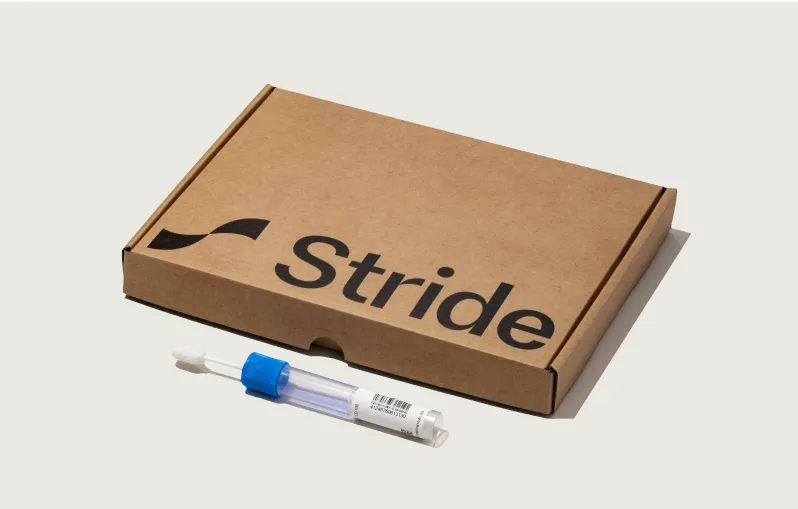






DHFR Gene Test (Dihydrofolate Reductase)
The DHFR gene test analyses DNA for variants in dihydrofolate reductase that can alter how efficiently you recycle folate into its active forms to support DNA synthesis, cell division, and methylation. Understanding your DHFR status adds genetic context to folate handling and response to antifolate drugs so you can personalise nutrition, prevention, and treatment strategies rather than relying only on population guidance.
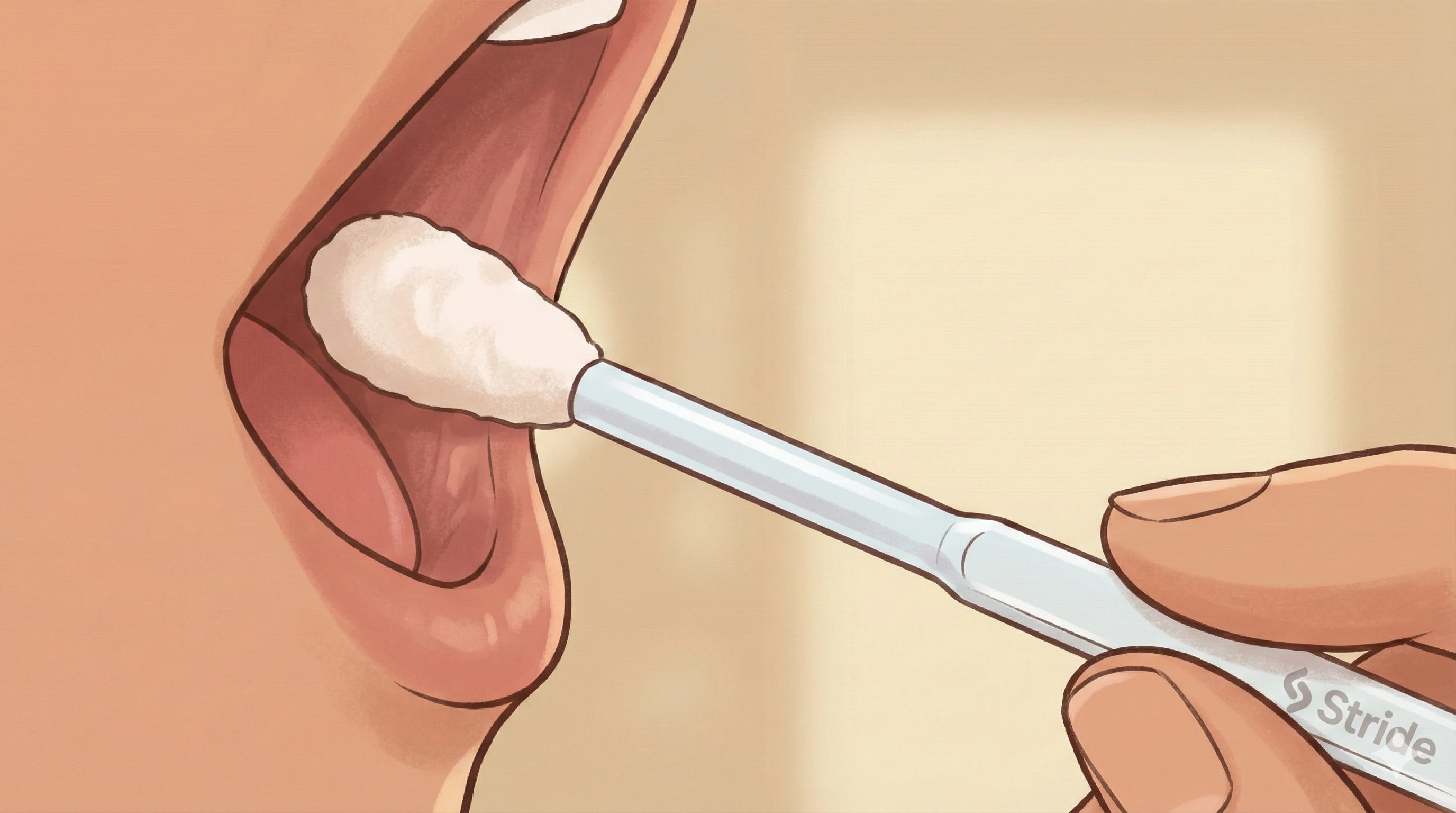

Sample type
Cheek swab, Blood sample

Collection
At-home

Often paired with
MTHFR, MTR, MTRR, homocysteine, folate, vitamin B12, full blood count, methylmalonic acid, liver and kidney function

Fasting required
Not required for DNA testing; follow clinical guidance for any accompanying blood tests
What is the DHFR gene?
The DHFR gene encodes dihydrofolate reductase, a key enzyme in folate metabolism that reduces dihydrofolate to tetrahydrofolate using NADPH as a cofactor. Tetrahydrofolate and its one carbon derivatives support de novo synthesis of purines and thymidylate, and the interconversion of amino acids such as glycine, serine, and methionine, which underpins DNA replication and methylation.
DHFR is expressed in all proliferating tissues and is highly conserved, reflecting its central role in cell growth. Rare, severe loss of function in DHFR can cause megaloblastic anaemia and neurodevelopmental issues, while more common promoter and intronic polymorphisms mainly influence subtle differences in enzyme expression, response to folic acid, and sensitivity to antifolate therapies like methotrexate.
What does DHFR do?
DHFR sits at an upstream checkpoint in the folate cycle, regenerating tetrahydrofolate from dihydrofolate produced during thymidylate synthesis and from folic acid reduction. By maintaining adequate tetrahydrofolate pools, DHFR keeps folate dependent enzymes supplied for purine and thymidylate synthesis and for one carbon transfer reactions that support methylation.
When DHFR activity is reduced by genetics, drug inhibition, or nutrient imbalances, tetrahydrofolate availability can fall, slowing DNA synthesis and repair and straining methylation capacity. This can contribute to macrocytosis, megaloblastic changes, elevated homocysteine, or treatment related toxicity in people receiving antifolate therapies, especially when other folate and B12 related genes or lifestyle factors add extra pressure.
Why is DHFR important for health?
DHFR contributes to three interconnected systems: folate recycling, DNA synthesis and repair, and methylation and homocysteine handling. These pathways influence cardiovascular risk, neurodevelopment, cancer biology, reproductive health, and how you respond to specific medications.
Research has explored associations between DHFR polymorphisms and susceptibility to neural tube defects, certain cancers, and variation in methotrexate efficacy and toxicity. In practice, common DHFR variants usually have modest, context dependent effects, with folate intake, B12 status, kidney and liver function, and concurrent medications exerting a stronger influence on day to day outcomes than genotype alone.
DHFR vs MTHFR: what is the difference?
It is easy to confuse DHFR and MTHFR because both sit in the folate and methylation network, but they play distinct roles. DHFR regenerates tetrahydrofolate from dihydrofolate and contributes to the activation of folic acid, ensuring there is sufficient substrate for downstream folate dependent enzymes. MTHFR, by contrast, converts 5,10 methylenetetrahydrofolate into 5 methyltetrahydrofolate, the form used to remethylate homocysteine to methionine.
This distinction matters because you can carry a DHFR variant and still have typical MTHFR activity, or vice versa, and each combination will respond differently to folate forms and doses. Looking at both genes, alongside homocysteine, folate, and B12, gives a more complete picture of how your folate system operates than focusing on a single enzyme.
What factors modify the effects of DHFR variants?
The influence of DHFR variants is shaped more by environment, medications, and nutrient status than by the gene alone. Several modifiable factors can buffer or amplify DHFR related tendencies.
- Folate intake and form: Total folate intake from food and supplements, and the balance between folic acid and reduced or methylated folate forms, can offset or expose DHFR related limitations. High folic acid intake in the context of reduced DHFR activity may lead to more unmetabolised folic acid, while natural food folate and active folate forms may be better tolerated in some individuals.
- Vitamin B12 and methylation status: B12 sits downstream in the folate and methylation network. B12 deficiency can mimic or compound folate related problems and can raise homocysteine even when DHFR activity is adequate. Supporting both folate and B12 often matters more than genotype labels.
- Antifolate medications (for example methotrexate): Methotrexate and related drugs directly inhibit DHFR, and polymorphisms in the DHFR promoter or intronic regions can modulate sensitivity and toxicity risk. Genotype information can support more tailored dosing, folate rescue strategies, and monitoring under specialist care.
- Kidney and liver function: Clearance of methotrexate and handling of folate and its metabolites depend on kidney and liver function. Impairment can magnify the impact of DHFR inhibition or genetic variants, increasing the importance of careful dosing and monitoring.
- Dietary patterns, alcohol, and lifestyle: Diets low in natural folate, high alcohol intake, smoking, and low physical activity can all push homocysteine upward and strain the folate network, making DHFR related effects more visible. Conversely, nutrient dense diets, regular movement, and good sleep support healthy folate and methylation pathways in most genotypes.
Can you have DHFR variants without symptoms?
Yes, and this is very common. Many people carry DHFR promoter or intronic polymorphisms without any obvious symptoms, normal blood counts, and healthy homocysteine levels, especially when diet and B vitamin status are in a good place.
Symptoms often attributed to "folate issues," such as fatigue, low mood, hair changes, or poor concentration, are non specific and can arise from iron deficiency, thyroid conditions, sleep problems, psychological stress, or other nutrient deficiencies. Severe DHFR deficiency causing megaloblastic anaemia and neurodevelopmental issues is rare and distinct from the common variants reported on standard DNA panels.
DHFR genotypes: how do common variants differ?
Common DHFR genotypes mainly differ in how they affect enzyme expression and regulation, particularly in promoter and intronic regions, and how strongly they influence folate handling under stressors such as drug treatment. Understanding your pattern can help fine tune folate support and monitoring.
- Reference or "typical" DHFR genotypes: Individuals without function altering DHFR variants generally have full enzyme capacity, so folate status and homocysteine depend more on intake, B12 status, organ function, and lifestyle than on DHFR itself.
- Promoter length and insertion/deletion variants (for example 63/91 polymorphisms, 19 bp insertion/deletion): These polymorphisms can modulate DHFR expression and have been linked in some studies to differences in methotrexate toxicity or dose requirements. Their effect on everyday folate status is usually modest when diet and B12 are adequate.
- Rare pathogenic variants: Rare loss of function mutations can cause DHFR deficiency with megaloblastic anaemia and neurological involvement. These are usually detected in specialised settings and are not the focus of typical preventive health panels.
How do I prepare for a DHFR test?
For DNA based DHFR testing, preparation is straightforward because genotype does not change from day to day. The focus is on choosing a panel that includes relevant DHFR regions and aligns with your clinical or preventive goals, such as methotrexate treatment planning or comprehensive methylation mapping.
Standalone DHFR genotyping using blood or saliva does not require fasting, since it targets stable DNA sequence rather than dynamic blood levels. If DHFR is bundled with tests like homocysteine, folate, B12, full blood count, lipids, or glucose, your clinician or testing provider may recommend specific fasting windows or collection times to ensure results are comparable over time.
Do I need a DHFR test?
A DHFR test is most valuable when the result will influence how you personalise folate support or approach antifolate medication decisions as part of a broader strategy. It is less helpful when ordered in isolation without homocysteine, folate, B12, and clinical context.
- Use of methotrexate or other antifolates: If you are using or may need methotrexate for conditions such as rheumatoid arthritis, psoriasis, or certain cancers, DHFR genotyping can contribute to individualised dosing, toxicity risk assessment, and folate rescue strategies, alongside other pharmacogenetic and clinical markers.
- Unexplained macrocytosis or folate related patterns: When blood counts, homocysteine, or folate patterns are difficult to interpret, DHFR testing alongside MTHFR, MTR, MTRR, folate, and B12 can help clarify whether upstream folate recycling capacity might be contributing.
- Preconception and pregnancy planning: For people planning pregnancy, particularly where there is a history of neural tube defects or folate related complications, DHFR testing can add nuance to decisions around folate dose and form while still following standard folate recommendations.
- Comprehensive methylation and cardiovascular profiling: In preventive health settings, DHFR genotyping combined with homocysteine, methylation panels, and cardiometabolic markers provides a more integrated picture of folate and methylation capacity over the long term.
Stride tests that include DHFR


Health Tests
Core DNA Methylation Test
5 reports: Methylation profile reports
From $229 $183.20

Health Tests
Advanced DNA & Methylation Test
29 reports: Methylation profile and nutrigenetic reports
From $349 $279.20

Health Tests
Optimal DNA & Methylation Test
46 reports: Methylation profile, nutrigenetic, fitness, sleep, stress and skin reports
From $479 $383.20
FAQs
What is the DHFR gene test?
The DHFR gene test analyses your DNA from blood or saliva to look for variants in the dihydrofolate reductase gene that influence how efficiently you recycle folate into its active forms to support DNA synthesis and methylation.
What does a DHFR variant mean?
Common DHFR variants, especially in promoter and intronic regions, may modestly change enzyme expression and influence folate handling or sensitivity to antifolate drugs, but they rarely act as a diagnosis on their own and are best understood alongside blood tests and clinical context.
Do DHFR variants always cause folate problems or anaemia?
No. Many people with DHFR variants maintain healthy folate status, homocysteine, and blood counts when diet, B12, and overall health are well supported. Severe DHFR deficiency that causes megaloblastic anaemia is rare and usually identified in specialist settings.
Can DHFR affect methotrexate response or toxicity?
Yes. DHFR is the primary target of methotrexate, and some promoter polymorphisms have been associated with differences in methotrexate dose requirements or toxicity in conditions such as rheumatoid arthritis and acute lymphoblastic leukaemia. Treatment decisions should always be made with a specialist using full clinical and laboratory information.
Is DHFR testing recommended for everyone taking folic acid?
Routine DHFR genotyping is not currently recommended for everyone using folic acid. It becomes more relevant when there are unexplained folate related issues, complex methotrexate treatment, or when a detailed methylation profile is being used to guide long term prevention.
Do I need a DHFR test?
You might consider a DHFR test if results would change how you and your clinician approach folate form and dosing, plan or monitor antifolate therapy, or interpret persistent homocysteine or macrocytosis as part of a comprehensive assessment.
Do I need to fast for DHFR testing?
Fasting is not required for DNA based DHFR testing, although accompanying blood tests such as homocysteine, folate, B12, lipids, or glucose may come with specific preparation instructions that help keep results comparable over time.
How can I support DHFR related pathways?
Rather than focusing only on the gene, prioritise sufficient folate and B12 intake from food and, where appropriate, supplements, support metabolic and cardiovascular health, moderate alcohol, and maintain regular movement and sleep so your folate and methylation network can perform well over the long term, whatever your DHFR genotype.