
Menu
-
Shop All
Contact
hey@getstride.com
Stride Health Group
Stride Health Group Ltd
Company No 05158025
Lamas Road
Badersfield
Norwich
England
NR10 5FB
UK
Extra 10% Off | Enter code GIFT at checkout


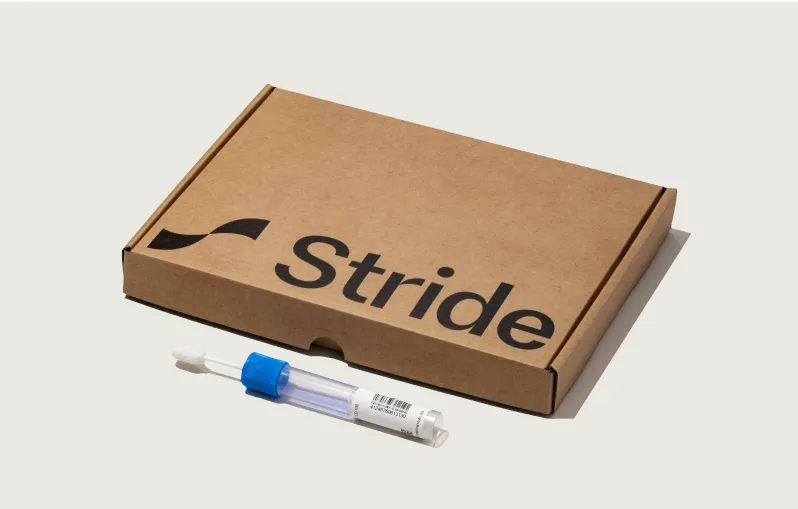




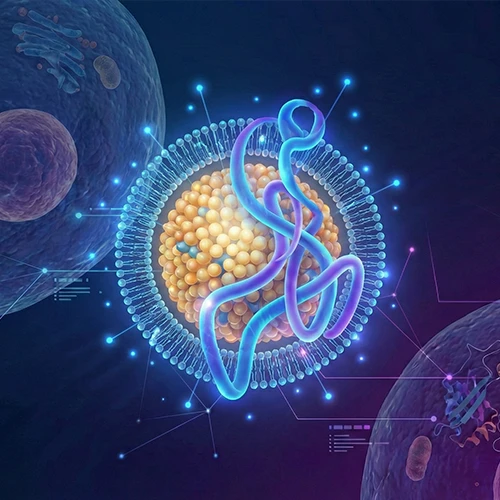

CYP1A2 Gene Test (Cytochrome P450 1A2)
The CYP1A2 gene test analyses DNA for common genetic variants that influence how actively your liver enzyme CYP1A2 metabolises caffeine, many prescribed medicines, and specific environmental compounds. Understanding your CYP1A2 status adds genetic context to caffeine sensitivity, drug handling, and long-term prevention strategies so you can personalise choices rather than guessing.
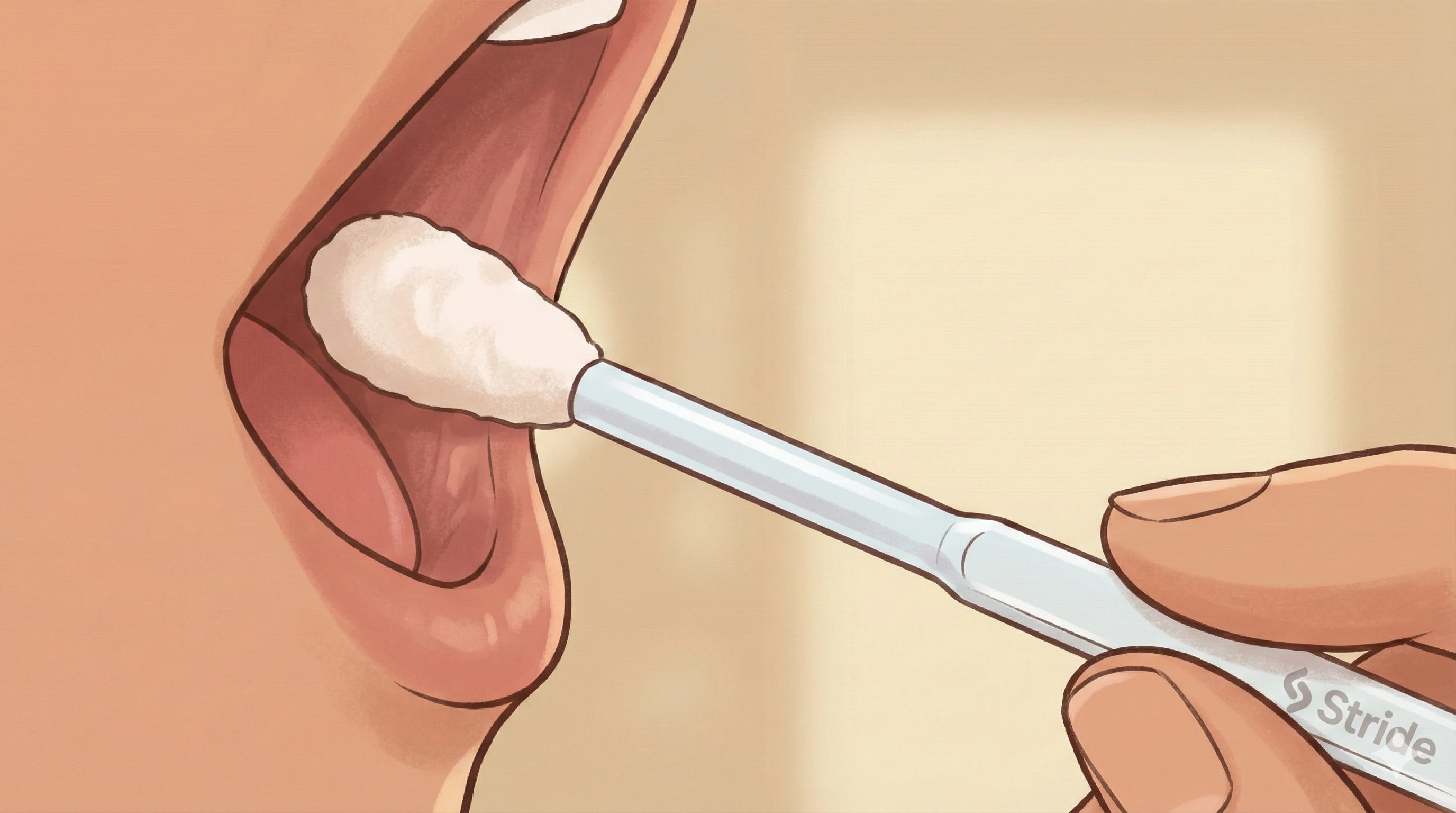

Sample type
Cheek swab, Blood sample

Collection
At-home

Often paired with
Caffeine intake assessment, liver enzymes, kidney function, lipid panel, fasting glucose and HbA1c, blood pressure, other CYP pharmacogenetic markers

Fasting required
Not required for DNA testing; follow clinical guidance for any accompanying blood tests
Key benefits of testing CYP1A2
- Identify whether you carry CYP1A2 variants such as rs762551 that are associated with faster or slower enzyme activity, helping to clarify whether you are likely to be a "fast," "intermediate," or "slow" caffeine metaboliser.
- Help explain why caffeine leaves you wired at modest doses, or why you can tolerate higher intakes with fewer subjective effects, and how that interacts with blood pressure, sleep, and long-term cardiovascular risk.
- Inform personalised caffeine and coffee strategies around exercise, productivity, sleep, and cardiovascular or kidney health, especially if you have a history of hypertension, palpitations, or anxiety with stimulants.
- Provide pharmacogenetic context for medications metabolised by CYP1A2, supporting dose selection, side-effect monitoring, and drug--drug interaction checks in partnership with your prescribing clinician.
- Clarify your baseline detoxification capacity for certain environmental compounds and procarcinogens, so you can build long-term prevention plans that integrate nutrition, lifestyle, and medication choices.
What is the CYP1A2 gene?
CYP1A2 is a member of the cytochrome P450 enzyme family that is highly expressed in the liver and contributes a meaningful fraction of total hepatic P450 content. It plays a central role in phase I metabolism, introducing oxidative changes that prepare drugs, caffeine, and other chemicals for further processing and elimination.
One of the best-characterised variants in CYP1A2 is rs762551 (also known as −163C>A), which alters gene expression and inducibility and is used in many studies as a marker of enzyme activity. Different alleles at this site and across the gene form haplotypes that contribute to large between-person differences in caffeine clearance and drug response.
What does CYP1A2 do?
CYP1A2 is responsible for the majority of caffeine metabolism in the liver, carrying out the demethylation reactions that convert caffeine into paraxanthine, theobromine, and theophylline. It also metabolises a wide range of clinical drugs, including certain antidepressants, antipsychotics, pain medications, and cardiovascular drugs, as well as some toxins and procarcinogens present in tobacco smoke and food.
When CYP1A2 activity is high, caffeine and other substrates are cleared more quickly, which can shorten the duration of stimulant effects but can also increase the rate at which some procarcinogens are activated before phase II detoxification clears them. When activity is lower, caffeine and susceptible drugs remain in the system longer, which can intensify side effects, disturb sleep, or change the benefit--risk profile at standard doses.
Why is CYP1A2 important for health?
CYP1A2 contributes to three interconnected systems: stimulant and caffeine responses, drug metabolism and safety, and long-term cardiometabolic and cancer risk in the context of specific exposures. Differences in enzyme activity help explain why some people experience more pronounced blood pressure rises, palpitations, or sleep disturbance at relatively low caffeine intakes, while others tolerate higher doses with fewer acute effects.
Large cohort and case--control studies suggest that CYP1A2 genotype can modify the association between coffee intake and risks such as myocardial infarction, hypertension, impaired fasting glucose, kidney dysfunction, and some performance outcomes, typically in a dose-dependent way. CYP1A2 is also involved in the activation or detoxification of procarcinogens from smoke and diet, which can influence cancer risk over decades in combination with lifestyle and other genes.
CYP1A2 vs caffeine tolerance
It is easy to assume that CYP1A2 testing and your subjective caffeine tolerance tell you the same story, but they capture different aspects of your biology. CYP1A2 genotyping looks at inherited variation in a key enzyme that drives caffeine clearance and drug metabolism, whereas tolerance reflects a blend of genetics, habitual intake, sleep, stress, receptor-level adaptation, and co-existing conditions.
This distinction matters because you can carry a "fast" CYP1A2 genotype yet feel jittery if you consume caffeine in large boluses, have poor sleep, or are sensitive at the receptor level. Conversely, someone with a "slow" genotype may not feel dramatically affected by caffeine but could still experience more subtle impacts on blood pressure, vascular health, or sleep architecture at higher intakes that only show up on longer-term tracking.
Factors that modify CYP1A2 effects
The influence of CYP1A2 variants is shaped more by environment and habits than by genotype alone, which means you have meaningful room to change your trajectory. Several modifiable factors can either buffer genetic effects or amplify them.
- Caffeine dose and timing: Total daily intake, pattern of consumption, and how close to bedtime you consume caffeine strongly influence symptoms and cardiovascular impact across all genotypes.
- Smoking and environmental inducers: Tobacco smoke and some environmental exposures can induce CYP1A2 activity, increasing enzyme levels and accelerating metabolism in susceptible individuals.
- Concomitant medications and inhibitors: Many drugs inhibit or induce CYP1A2, which can raise or lower the effective dose of co-administered medicines or caffeine, especially in individuals already at the extremes of enzyme activity.
- Liver and kidney function: Hepatic and renal health affect how well CYP1A2 substrates are processed and cleared, so organ function tests are important companions when interpreting genotype.
- Metabolic and cardiovascular health: Hypertension, metabolic syndrome, and obesity can alter the risk profile of higher caffeine intakes and interact with CYP1A2 genotype in shaping outcomes such as blood pressure and kidney function.
- Habitual diet and lifestyle: Overall diet quality, alcohol intake, stress, and sleep patterns modulate how caffeine and medications are experienced in real life, even at the same CYP1A2 genotype.
CYP1A2 variants without symptoms
Yes, and that is very common. Many people with CYP1A2 variants never notice dramatic differences, particularly if their caffeine intake is modest and they are not taking multiple CYP1A2-metabolised medications.
Symptoms often attributed to "caffeine intolerance" such as anxiety, palpitations, or sleep disturbance can also stem from psychological stress, poor sleep hygiene, or other health conditions, and are not specific to any particular genotype. Similarly, side effects from medicines metabolised by CYP1A2 usually reflect a combination of drug dose, co-medications, liver function, and broader pharmacogenetic profile, not CYP1A2 in isolation.
Common CYP1A2 genotypes
Common CYP1A2 genotypes mainly differ in how they influence enzyme activity and inducibility, particularly for caffeine metabolism, and how strongly they modify risk when combined with lifestyle and clinical factors. Understanding your pattern can help tailor caffeine use, drug choices, and monitoring rather than labelling you as having a "good" or "bad" genotype.
- Fast or high-activity patterns: Certain ancestral or inducible haplotypes show higher CYP1A2 activity, with more rapid caffeine clearance and faster metabolism of many substrates at a given dose. Individuals in this group may feel less subjective stimulation per cup but, at high intakes, may still experience increased risk for some outcomes depending on broader context.
- Intermediate patterns: Heterozygous or mixed haplotypes typically show intermediate enzyme activity, with moderate caffeine clearance and balanced drug handling. For many people here, lifestyle patterns and co-medications drive more of the risk profile than genotype itself.
- Slow or reduced-activity patterns: Derived alleles such as certain rs762551 combinations and specific rare haplotypes can be associated with lower CYP1A2 activity and slower caffeine and drug metabolism. In these individuals, higher caffeine intakes may be more likely to disturb sleep or raise blood pressure, and some medicines may require more careful dosing and monitoring.
- Rare, markedly altered function: Less common CYP1A2 variants with larger functional effects exist and are usually characterised in specialist pharmacogenetic or research settings, where they can significantly alter drug exposure and toxicity risk.
Preparing for a CYP1A2 test
For DNA-based CYP1A2 testing, preparation is straightforward because your genotype does not change from day to day with meals, caffeine intake, or sleep. The key step is selecting a panel that interprets CYP1A2 alongside other pharmacogenes, liver and kidney markers, and lifestyle context so that results translate into practical decisions.
Standalone CYP1A2 genotyping using blood or saliva does not require fasting, since it analyses stable DNA rather than dynamic blood levels. If CYP1A2 is bundled with caffeine challenge tests, metabolic panels, or organ function tests, your clinician or testing instructions may suggest specific preparation, such as standardising caffeine intake or short-term abstinence beforehand, to improve interpretability.
Do I need a CYP1A2 test?
A CYP1A2 test is most valuable when the result will influence how you approach caffeine use, medication decisions, and long-term cardiovascular or metabolic prevention, rather than as a stand-alone curiosity. It becomes particularly informative when integrated with blood pressure readings, metabolic markers, and a full medication list.
- Caffeine sensitivity and performance: If caffeine strongly affects your sleep, anxiety, or exercise response, or if you use it strategically for performance, CYP1A2 status can guide timing, dosing, and whether heavy use is advantageous or counterproductive.
- Cardiometabolic or kidney risk: For individuals with hypertension, kidney concerns, or cardiovascular risk, CYP1A2 genotype can help refine safe caffeine ranges and monitoring strategies when combined with blood pressure and kidney function data.
- Complex medication regimens: If you are taking multiple CYP1A2-metabolised drugs, or drugs that induce or inhibit this pathway, pharmacogenetic information can support more precise prescribing and monitoring under medical supervision.
- Long-term prevention and detoxification: For those focusing on prevention, CYP1A2 status can add context to how your body processes certain environmental compounds and procarcinogens, helping prioritise lifestyle and exposure reduction strategies.
Stride tests that include CYP1A2


Health Tests
Core DNA Methylation Test
5 reports: Methylation profile reports
From $229 $183.20
FAQs
What is the CYP1A2 gene test?
The CYP1A2 gene test analyses your DNA from blood or saliva to look for common variants in the cytochrome P450 1A2 gene that influence how efficiently your liver metabolises caffeine, many prescribed drugs, and specific environmental compounds.
What does a CYP1A2 variant mean?
CYP1A2 variants, including rs762551 and related haplotypes, can increase or decrease enzyme activity, classifying people broadly as fast, intermediate, or slow metabolisers for key substrates such as caffeine. These differences can subtly alter stimulant effects, blood pressure responses, and drug exposure at standard doses.
Do CYP1A2 variants always cause health problems?
No. Most people with CYP1A2 variants do not develop clear health problems purely because of this gene, and many tolerate typical caffeine intakes and standard medication regimens well when guided by clinical advice. Issues usually arise when higher-risk genotypes combine with heavy caffeine use, complex drug regimens, or underlying conditions such as hypertension.
Is CYP1A2 testing recommended for medication choice or mental health treatment?
CYP1A2 testing can be useful as part of a pharmacogenetic panel when you are using medicines heavily dependent on this pathway, particularly certain psychiatric and cardiovascular drugs. It should support, not replace, clinical judgement and careful monitoring.
Can CYP1A2 affect sports performance or training responses to caffeine?
Yes, CYP1A2 genotype can influence how quickly you clear caffeine and may modify ergogenic responses, with some studies suggesting that certain genotypes gain more performance benefit from pre-exercise caffeine than others. Training status, dose, and timing still play major roles, so protocols should be tested and adjusted individually.
Do I need a CYP1A2 test?
You might consider a CYP1A2 test if results would change how you approach caffeine use, medication planning, or cardiovascular and kidney risk management, particularly if you have a strong reaction to caffeine, complex prescriptions, or a family history of cardiometabolic disease.
Do I need to fast for CYP1A2 testing?
Fasting is not required for DNA-based CYP1A2 testing. If your clinician orders accompanying blood tests or caffeine challenge protocols, they may advise specific preparation to support consistent interpretation.
How can I optimise my health if I carry CYP1A2 variants?
Rather than trying to change the gene, focus on matching caffeine intake and timing to your enzyme profile, reviewing medication choices with your clinician, supporting liver and metabolic health, and tracking blood pressure, sleep, and key biomarkers over time so you can see how your biology responds to small, consistent changes.