
Menu
-
Shop All
Contact
hey@getstride.com
Stride Health Group
Stride Health Group Ltd
Company No 05158025
Lamas Road
Badersfield
Norwich
England
NR10 5FB
UK
Extra 10% Off | Enter code GIFT at checkout


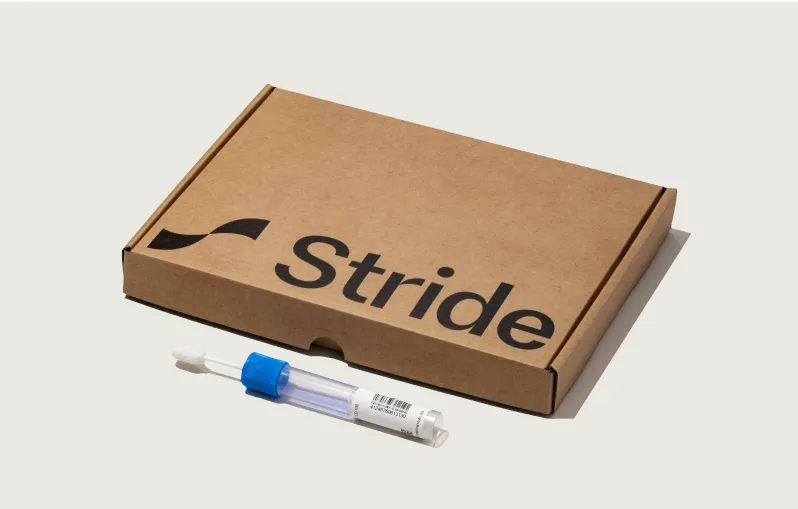





Creatinine Blood Test
A creatinine blood test measures the level of creatinine, a waste product from normal muscle activity, in your bloodstream. Because healthy kidneys filter creatinine out into urine, creatinine is a core marker of kidney function and is used to estimate your eGFR the number that describes how well your kidneys are filtering.

Sample type
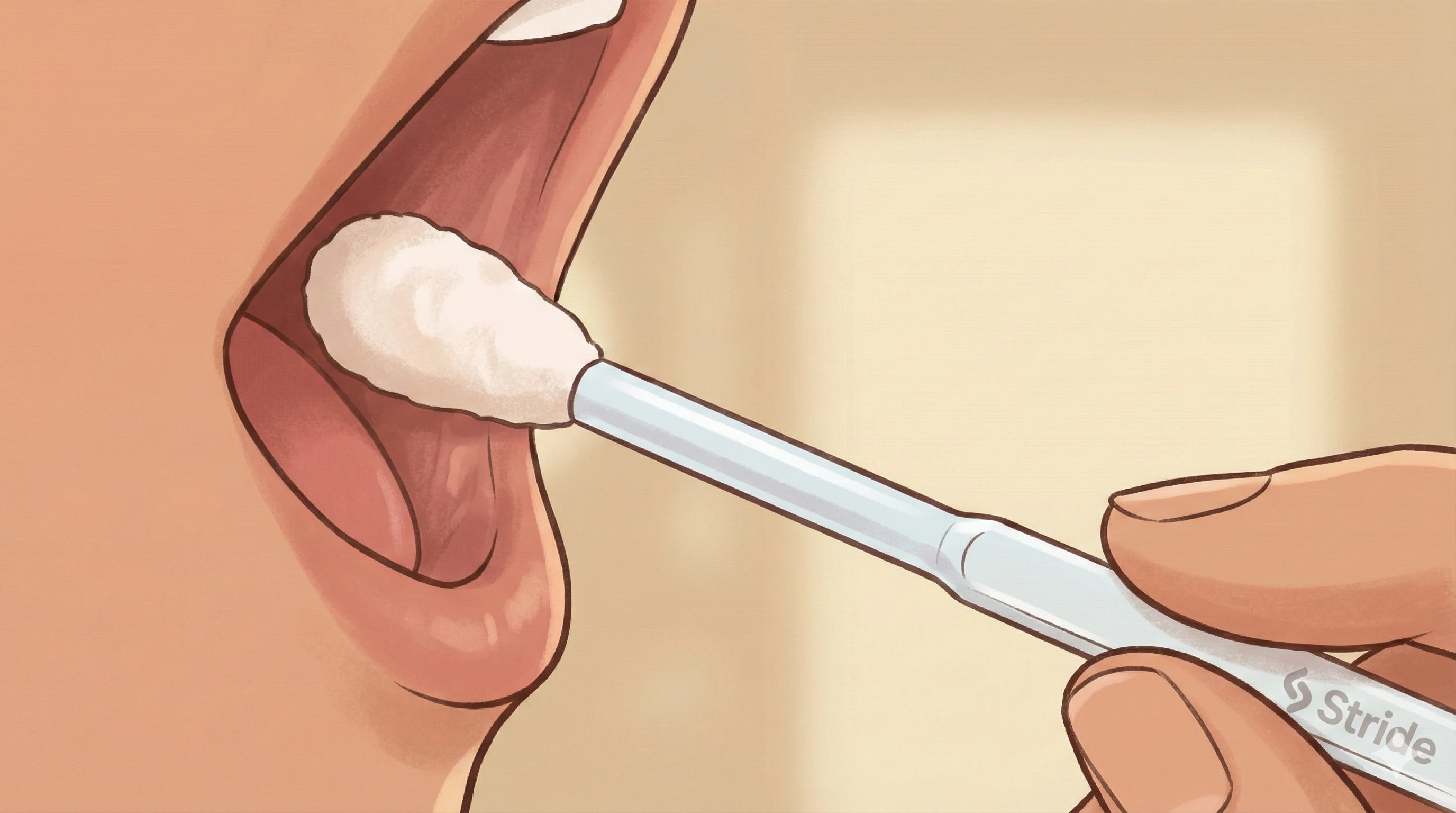
Blood sample

Collection
At-home

Often paired with
eGFR, urea BUN, electrolytes sodium, potassium, bicarbonate, urine albumin creatinine ratio ACR, full blood count, blood pressure readings, HbA1c, lipids

Fasting required
0
Key benefits of testing creatinine
A creatinine blood test can help you:
- Check how well your kidneys are filtering waste as part of an eGFR estimate.
- Detect early or established chronic kidney disease CKD, especially in people with diabetes, high blood pressure, or cardiovascular disease.
- Monitor kidney function over time if you take medicines that can affect the kidneys.
- Help distinguish acute kidney injury from stable chronic changes in hospital or urgent settings.
- Provide important context for blood pressure, electrolyte, and cardiovascular risk management.
What is creatinine
Creatinine is a breakdown product of creatine and creatine phosphate, compounds that store energy in your muscles. It is:
- Produced at a relatively steady rate each day, largely proportional to your muscle mass.
- Released into the bloodstream and removed almost entirely by the kidneys.
- Filtered by the glomeruli and excreted into urine, with only a small amount secreted by kidney tubules.
Because of this, creatinine is widely used as a convenient marker of kidney filtration function.
What does creatinine do in the blood and urine
Creatinine itself does not play an active physiological role it is mainly a waste product.
In blood:
- Serum creatinine concentration reflects the balance between how much creatinine is being produced by muscles and how well the kidneys are clearing it.
- High creatinine usually means reduced kidney filtration, but can also be influenced by muscle mass, hydration, and recent diet or exercise.
In urine:
- Creatinine excretion is used to calculate creatinine clearance, a more direct estimate of filtration rate, from blood and 24 hour urine samples.
- Creatinine in urine is also used as a reference in the albumin creatinine ratio ACR to gauge how much protein is leaking into urine.
Why is creatinine important for kidney and cardiovascular health
Creatinine is central to kidney and cardiovascular risk assessment because:
- The estimated glomerular filtration rate eGFR is calculated from serum creatinine together with age, sex, and sometimes ethnicity and body size. eGFR provides a staging system for CKD.
- Chronic kidney disease is strongly linked with higher risks of heart attack, stroke, heart failure, and premature mortality. Detecting changes early creates a window to slow progression.
- Acute rises in creatinine can signal acute kidney injury, which may be reversible if recognised and treated promptly.
Creatinine vs eGFR vs urea vs ACR: what is the difference
These tests are related but answer different questions:
- Creatinine is the measured waste level in blood, influenced by kidney function and muscle mass.
- eGFR is a calculated number that uses creatinine and demographic factors to estimate overall kidney filtration ability.
- Urea or BUN is another waste product that reflects protein metabolism and kidney clearance but is more affected by diet and hydration than creatinine.
- Urine albumin creatinine ratio ACR measures how much albumin protein is leaking into urine, which is an early sign of kidney damage, especially in diabetes and hypertension.
In practice:
- Creatinine plus eGFR show how well the kidneys are filtering.
- ACR shows whether there is structural damage or leakiness in the kidney filters.
- Urea adds context, particularly in acute illness and hydration questions.
What factors affect creatinine levels
Creatinine levels are affected by kidney function and by factors that influence creatinine production or distribution. Key influences include:
1. Kidney function
- Chronic kidney disease of any cause diabetic nephropathy, hypertensive nephrosclerosis, glomerulonephritis, polycystic kidney disease gradually raises creatinine as filtering units are lost.
- Acute kidney injury due to dehydration, severe infection, medicines, obstruction, or major surgery can cause a rapid rise.
2. Muscle mass and activity
- People with higher muscle mass such as young men, bodybuilders, or very active individuals have higher baseline creatinine.
- Muscle wasting, older age, and frailty reduce creatinine and can mask kidney impairment if eGFR is not calculated carefully.
3. Diet and supplements
- Recent large meals, especially with cooked meat, can raise creatinine temporarily.
- High dose creatine supplements and intense resistance exercise may modestly increase creatinine without structural kidney disease in some people.
4. Hydration and circulation
- Dehydration can concentrate creatinine in the blood and mimic or worsen kidney impairment.
- Heart failure, low blood pressure, and other circulation issues can reduce kidney perfusion and raise creatinine.
5. Medicines and toxins
- Non steroidal anti inflammatory drugs, some antibiotics, contrast dyes, certain blood pressure drugs in specific situations, and some chemotherapy and herbal products can impair kidney function and increase creatinine.
Can creatinine be high if I feel well
Yes. Many people with mildly elevated creatinine and reduced eGFR feel well, especially in early CKD.
Common scenarios include:
- Long standing high blood pressure or type 2 diabetes with early kidney changes.
- Age related decline in kidney function where creatinine has risen slightly without symptoms.
However, even symptom free reductions in eGFR are important, because they influence medication choices, blood pressure targets, and cardiovascular risk management.
Normal vs high creatinine and eGFR: what is the difference
Reference ranges for serum creatinine vary by lab, sex, and age, but commonly:
- Adult men: roughly 60 to 110 µmol/L or 0.7 to 1.3 mg/dL.
- Adult women: roughly 45 to 90 µmol/L or 0.6 to 1.1 mg/dL.
For eGFR, broad categories include:
- 90 mL/min/1.73m² or higher with no other abnormalities is generally considered normal.
- 60 to 89 can be normal with age, but may indicate early CKD if other markers such as ACR are abnormal.
- 30 to 59 suggests moderate CKD and calls for more active monitoring and risk management.
- Below 30 indicates advanced CKD, with higher risk of complications and need for specialist care.
Do I need to fast for a creatinine blood test
Fasting is not usually required for creatinine alone. You can typically eat and drink as normal.
You may be asked to:
- Avoid very large meat heavy meals and intense exercise in the 24 hours before testing, to reduce short term influences.
- Follow fasting instructions if creatinine is measured as part of a fasting metabolic or lipid panel.
How can creatinine and kidney health be improved clinician guided
Improving creatinine is about protecting and supporting kidney function, especially in CKD or high risk states. Depending on your situation, clinician guided strategies may include:
- Tight control of blood pressure, often with ACE inhibitors or ARBs, which both protect kidney filters and lower cardiovascular risk.
- Optimising blood sugar control in diabetes to reduce ongoing kidney damage.
- Reviewing medicines and supplements and avoiding or adjusting those that strain the kidneys.
- Managing weight, waist circumference, and lipids to improve cardio renal health.
- Stopping smoking, moderating alcohol, and staying adequately hydrated.
- Using regular creatinine, eGFR, and urine ACR checks to monitor progression and impact of lifestyle and treatment changes.
Stride tests that include Creatinine
FAQs
What is the creatinine blood test
The creatinine blood test measures the level of creatinine, a waste product from muscle activity, in your blood. Because kidneys normally filter creatinine out into urine, this test is used to assess how well your kidneys are working and to calculate your eGFR.
What is a normal creatinine level
Normal creatinine levels depend on sex, muscle mass, age, and lab ranges, but are typically around 60 to 110 µmol/L for adult men and 45 to 90 µmol/L for adult women. Your lab report will show the exact reference range and where your result sits within it.
What is an optimal creatinine and eGFR level for health
Optimal creatinine is a stable level that corresponds to an eGFR above 60 mL/min/1.73m² without evidence of kidney damage, and ideally above 90 in younger adults. The ideal range for you depends on age, muscle mass, and health conditions and is best interpreted by looking at both creatinine and eGFR together over time.
Is creatinine better than eGFR for checking kidney function
Creatinine is the measured value, while eGFR is the calculated estimate of kidney filtering capacity based on creatinine and personal factors. For decision making, eGFR is usually more informative than creatinine alone, but both are needed to understand how your kidneys are performing.
Can creatinine be high if my kidneys are normal
Yes. Creatinine can be modestly high in very muscular people, after intense exercise, with dehydration, or with high meat intake, even when kidney structure and function are otherwise normal. That is why eGFR, repeated testing, urine ACR, and context are used to confirm whether there is real kidney disease.
Do I need creatinine testing
You may benefit from a creatinine test if you have high blood pressure, diabetes, cardiovascular disease, a family history of kidney disease, or take medicines that can affect the kidneys, or as part of a comprehensive health check. It is also important if you have symptoms such as swelling, tiredness, changes in urination, or persistent high blood pressure.
Do I need to fast for a creatinine test
Fasting is not usually required for creatinine itself. If your creatinine test is part of a fasting metabolic or lipid panel, you will follow those fasting instructions and avoid large meat heavy meals and intense exercise beforehand to get a cleaner baseline.
How can I lower a high creatinine result
Lowering high creatinine typically means protecting and supporting kidney function. Practical steps can include improving blood pressure control, optimising blood sugar, adjusting medicines with your clinician, maintaining a moderate protein, lower salt diet, staying hydrated, avoiding smoking, moderating alcohol, and using regular monitoring to track trends rather than a single value.
Do I need a creatinine blood test
If you want clarity on how well your kidneys are coping with your current lifestyle, medications, blood pressure, and blood sugar or you have known kidney risk factors, discussing a creatinine blood test with your clinician is a practical step. Within StrideOne, creatinine and eGFR sit alongside hundreds of other biomarkers, helping you see exactly how kidney function fits into your heart, metabolic, and long term health strategy.