
Menu
-
Shop All
Contact
hey@getstride.com
Stride Health Group
Stride Health Group Ltd
Company No 05158025
Lamas Road
Badersfield
Norwich
England
NR10 5FB
UK
Extra 10% Off | Enter code GIFT at checkout


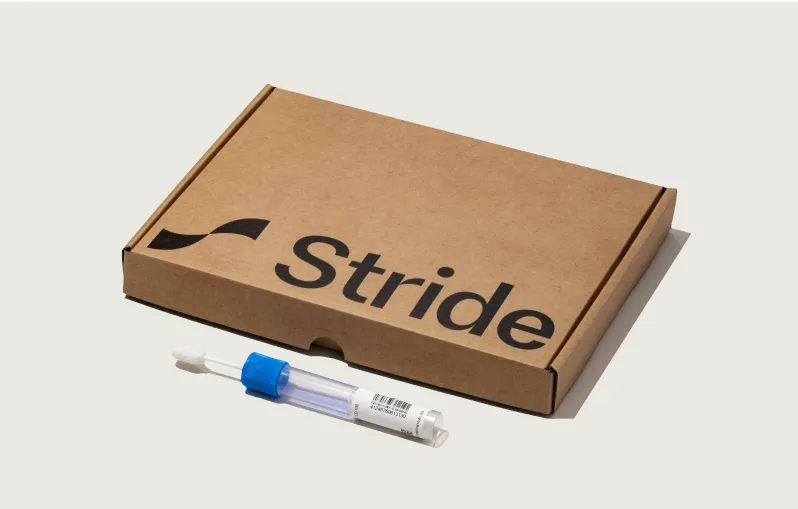
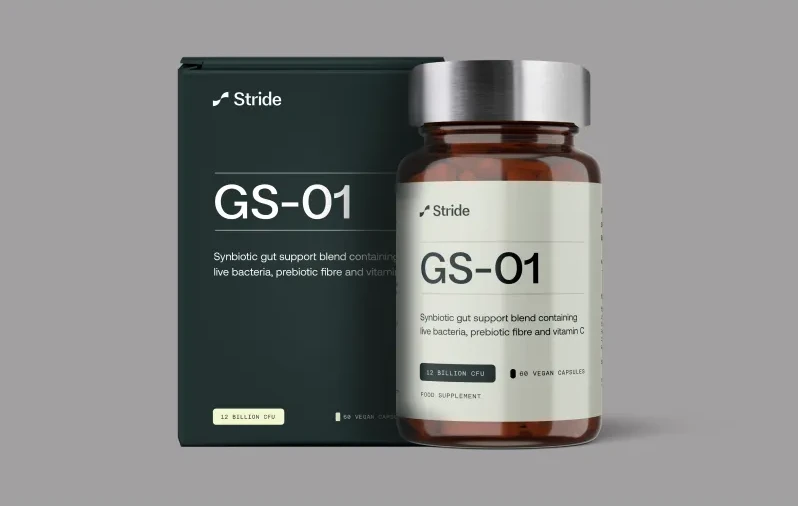



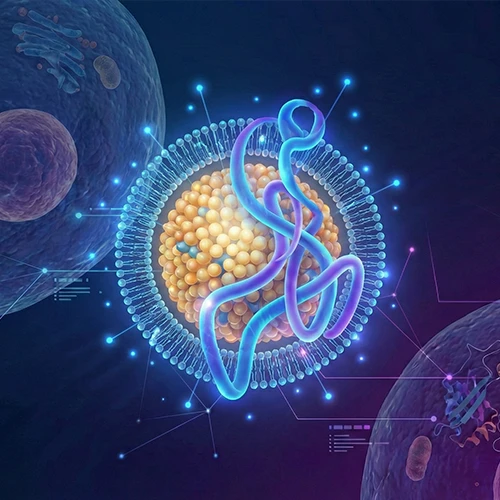

COMT Gene Test (Catechol-O-Methyltransferase)
COMT (catechol O methyltransferase) is a gene that helps your body break down key neurotransmitters and stress hormones such as dopamine, norepinephrine, and epinephrine, especially in the prefrontal cortex and liver. Common COMT variants, particularly Val158Met, can influence how efficiently you clear these catecholamines, which may nudge traits like stress sensitivity, pain perception, cognition, and response to certain medications without acting as a diagnosis on their own.
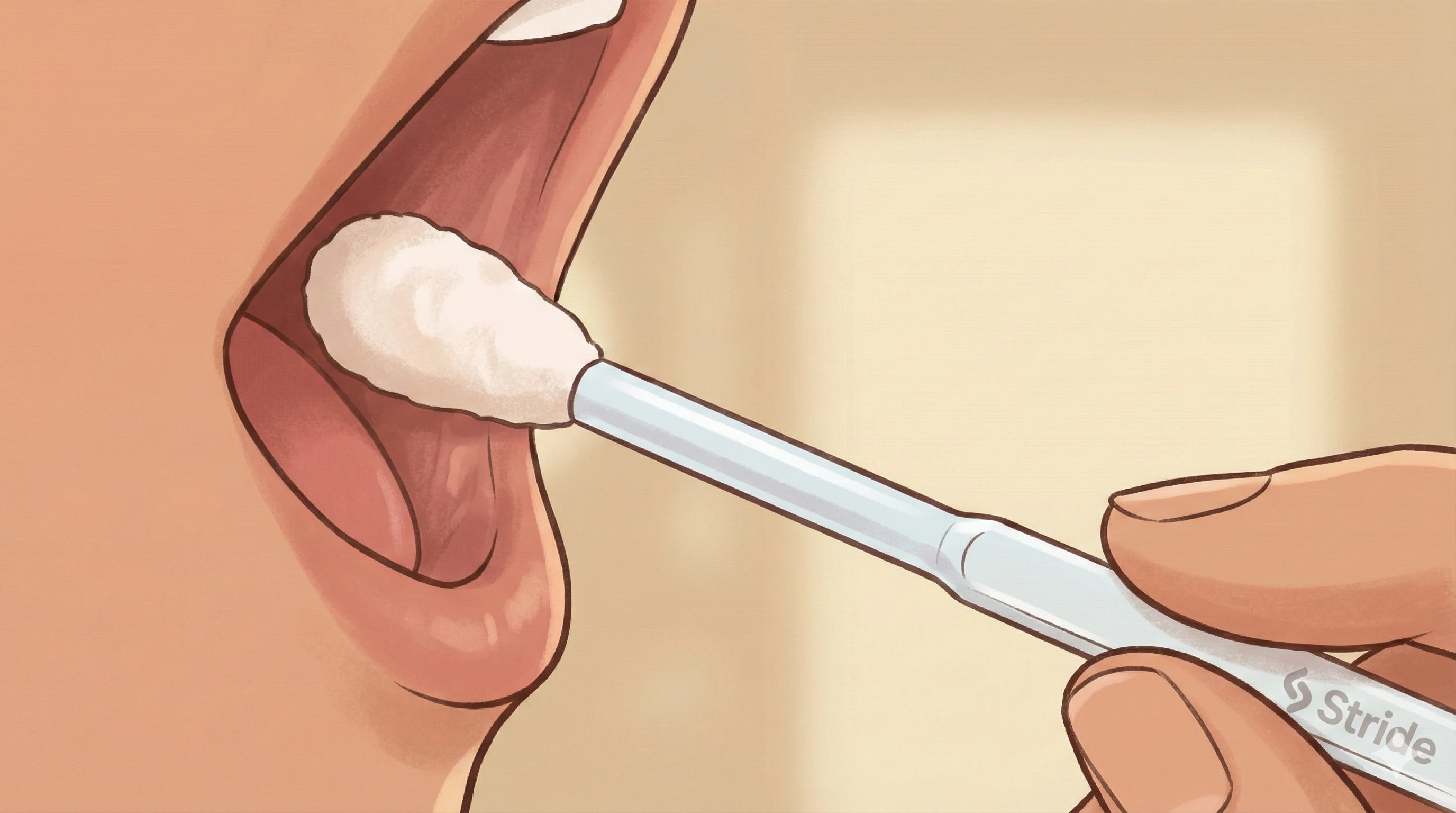

Sample type
Cheek swab, Blood sample

Collection
At-home

Often paired with
Dopamine and serotonin pathway genes, methylation markers, homocysteine, oestrogen metabolism markers, adrenal and stress panels

Fasting required
Not required for DNA testing; follow clinical guidance for any accompanying blood tests
What is the COMT gene?
COMT (catechol O methyltransferase) is a gene on chromosome 22q11 that encodes an enzyme responsible for adding a methyl group to catecholamines and related compounds, using S adenosylmethionine as a methyl donor. Two main forms of the enzyme are produced: a membrane bound form that is abundant in the brain, especially the prefrontal cortex, and a soluble form expressed in tissues such as liver and kidney that helps clear circulating catecholamines and hormones.
Common COMT variants, most notably the Val158Met single nucleotide polymorphism (SNP), change the amino acid sequence of the enzyme and shift its activity, with Val/Val usually associated with higher activity (faster catecholamine breakdown) and Met/Met with lower activity (slower breakdown), and heterozygous Val/Met typically sitting in between. These polymorphisms are frequent in the general population and do not by themselves cause disease, but they can move the needle on dopamine tone, cognitive performance under stress, pain perception, and risk patterns when combined with environment, hormones, and other genes.
What does COMT do?
COMT catalyses the O methylation and inactivation of catecholamine neurotransmitters including dopamine, norepinephrine, and epinephrine, as well as catechol oestrogens and certain drugs, helping to regulate their levels and half lives in the brain and periphery. In the prefrontal cortex, where dopamine transporters are relatively sparse, COMT plays a particularly important role in shaping dopamine tone, which influences working memory, attention, and executive function, especially during cognitively demanding tasks.
When COMT activity is relatively low, dopamine and other catecholamines may remain elevated for longer, which can support cognitive persistence and focus in some contexts but may also increase sensitivity to stress, pain, or emotional stimuli when other systems are out of balance. When COMT activity is relatively high, catecholamines are cleared more quickly, which may protect against "overload" states but can also predispose some people to feeling under stimulated, craving stimulation, or relying more on external input to maintain drive when stress, sleep, or nutrition are not well supported.
Why is COMT important for health?
COMT sits at the intersection of three interconnected systems: catecholamine metabolism, stress response and mood regulation, and the handling of catechol oestrogens and certain medications. Variation in COMT can influence traits such as emotional resilience, pain sensitivity, cognition, and cardiovascular stress responses, particularly when combined with other factors like sex hormones, early life experiences, and current lifestyle patterns.
Research has linked COMT polymorphisms, especially Val158Met, to differences in risk profiles for conditions including mood and anxiety disorders, ADHD, schizophrenia, fibromyalgia, and pain syndromes, although effect sizes are often modest and highly context dependent. COMT is also involved in metabolising catechol oestrogens and may interact with cardiometabolic and cancer risk pathways, again in combination with hormones, environment, and other genes rather than acting as a stand alone cause.
COMT vs dopamine and stress testing: what is the difference?
It is easy to assume that COMT genotyping and functional testing for stress or neurotransmitter related markers are interchangeable, but they capture different layers of your biology. COMT testing looks at inherited variants that influence enzyme activity and your baseline tendency to clear catecholamines and catechol oestrogens, whereas real time biomarkers such as cortisol patterns, heart rate variability, inflammatory markers, or symptom tracking show how your stress response is behaving right now.
This distinction matters because you can carry a COMT variant associated with lower enzyme activity and still feel emotionally balanced and resilient when sleep, nutrition, hormone balance, and recovery are well supported. Conversely, stress sensitivity, low mood, or pain can be prominent in someone with higher activity COMT genotypes if other systems such as HPA axis regulation, methylation, thyroid function, or trauma history are not in a good place.
What factors modify the effects of COMT variants?
The impact of COMT variants is shaped more by your environment, hormones, and behaviours than by the gene alone, which means you have meaningful scope to influence outcomes over time. Several modifiable factors can buffer or amplify COMT related tendencies.
- Stress load and recovery habits: Chronic psychological stress, sleep disruption, and limited recovery opportunities can keep catecholamine and cortisol signalling elevated, making COMT related differences in clearance more noticeable in how you feel day to day. Practices that build stress resilience, such as structured movement, breath work, boundaries on work hours, and consistent sleep, often move the needle more than genotype alone.
- Sex hormones and oestrogen metabolism: Because COMT also helps metabolise catechol oestrogens, shifts in oestrogen exposure across the menstrual cycle, pregnancy, perimenopause, or hormone therapy can interact with COMT variants to influence mood, vascular responses, and tissue level effects. Supporting liver health, gut function, and overall hormone balance can help distribute this load more evenly.
- Nutrient status and methylation support: COMT uses S adenosylmethionine as a methyl donor, and sits within the wider methylation network that depends on nutrients such as folate, vitamin B12, vitamin B6, and magnesium, meaning that low intake or absorption of these cofactors can change how COMT operates in real time. Aligning methylation support with DNA, blood biomarkers, and homocysteine can be more effective than focusing on COMT alone.
- Medications and substances: Drugs that act on catecholamine pathways, including stimulants, L DOPA, some antidepressants, and nicotine replacement, may interact with COMT genotype to influence efficacy, side effects, and optimal dosing windows. Caffeine and other stimulants can also feel very different in slow versus fast COMT metabolisers when stress and sleep are not well supported.
- Early life experiences and psychological context: Exposure to adversity, trauma, or chronic stress earlier in life can shape neural circuits and stress reactivity, potentially interacting with COMT related dopamine tone to influence risk for certain psychiatric or pain conditions. Psychological safety, social connection, and access to supportive therapies remain critical levers, regardless of genotype.
- Lifestyle patterns, movement, and environment: Regular physical activity, time outdoors, structured cognitive challenges, and nourishing nutrition patterns can all help modulate dopamine and stress pathways, making COMT differences less limiting and more a piece of self knowledge you can work with over time.
Can you have COMT variants without symptoms?
Yes, and that is common. Many people with COMT variants such as Val158Met never experience clear, gene specific symptoms and only discover their status through consumer DNA reports or comprehensive preventive health panels.
Traits often linked to COMT, like feeling "wired but tired," being more or less sensitive to stimulants, or noticing stronger emotional responses under pressure, are non specific and can arise from a wide range of factors including sleep, thyroid function, nutrient status, mental health, and life context. Rare, severe COMT deficiency is a distinct metabolic condition involving marked catecholamine disruption and neurological symptoms; it is different from the common polymorphisms discussed in standard COMT reports.
COMT genotypes: how do common variants differ?
Common COMT genotypes differ in how much they change enzyme activity and how strongly they shape catecholamine levels, especially under stress or when other systems are not well supported. Understanding your pattern can help you tailor strategies for focus, stress management, and recovery rather than labelling yourself as a "good" or "bad" genotype.
- Higher activity genotypes (for example Val/Val at Val158Met): These patterns are associated with more rapid catecholamine breakdown, which may support emotional stability under acute stress but can be linked to lower tonic dopamine levels in prefrontal circuits when demands are high. People with this profile sometimes benefit from strategies that support drive, reward, and stimulation in sustainable ways, especially when workload is heavy.
- Intermediate activity genotypes (for example Val/Met): Heterozygous patterns often sit between the extremes, with flexible responses that may lean towards either side depending on sleep, stress load, hormone status, and nutrition. Environment and routine tend to matter more than the genotype label itself.
- Lower activity genotypes (for example Met/Met): These patterns are linked to slower catecholamine clearance and higher synaptic dopamine tone in prefrontal regions, which can support certain aspects of cognition but may also be associated with greater emotional intensity, stress sensitivity, or susceptibility to pain when recovery is not prioritised. Many people in this group do well with structured routines that protect sleep, create decompression time, and avoid stacking multiple stimulants on top of high stress.
How do I prepare for a COMT test?
For DNA based COMT testing, preparation is usually straightforward because your genotype does not change from day to day with meals, movement, or sleep. The priority is choosing the right panel and aligning sample collection with any paired blood biomarkers you plan to track over time.
Standalone COMT genotyping using blood or saliva does not require fasting, as the test targets stable DNA sequence rather than dynamic hormone or neurotransmitter levels. If COMT is bundled with tests such as cortisol, lipids, glucose, or methylation related blood markers, your clinician or test provider may recommend specific timing or fasting windows so results are easier to compare at repeat testing points.
Do I need a COMT test?
A COMT test is most valuable when the result will change how you personalise stress support, cognitive load, medication choices, or methylation related nutrition as part of a broader preventive strategy. It is less helpful when ordered in isolation without access to stress biomarkers, mood and pain history, and wider clinical context.
- Unexplained sensitivity to stress or stimulants: If you consistently feel "overwired," anxious, or slow to wind down after caffeine, intense work, or emotional events despite solid fundamentals, COMT testing can add useful context on catecholamine clearance alongside HPA axis and sleep assessments.
- Complex mood, attention, or pain patterns: When mood, focus, and pain fluctuate in ways that do not fully align with standard tests, COMT genotype can inform how you and your clinician think about dopamine tone, medication choices, and behavioural strategies while still prioritising comprehensive assessment.
- Medications that interact with catecholamine pathways: If you are using, or may need, treatments that act on dopamine or norepinephrine such as stimulants, L DOPA, or certain antidepressants, COMT testing can contribute to more personalised dosing and monitoring under specialist care.
- Building a stress and cognition roadmap: For people investing in preventive testing, COMT genotyping alongside methylation markers, adrenal testing, and cognitive baselines provides a durable piece of information that can be revisited at key life stages and treatment decisions.
Stride tests that include COMT


Health Tests
Core DNA Methylation Test
5 reports: Methylation profile reports
From $229 $183.20

Health Tests
Advanced DNA & Methylation Test
29 reports: Methylation profile and nutrigenetic reports
From $349 $279.20

Health Tests
Optimal DNA & Methylation Test
46 reports: Methylation profile, nutrigenetic, fitness, sleep, stress and skin reports
From $479 $383.20
FAQs
What is the COMT gene test?
The COMT gene test analyses your DNA from blood or saliva to look for common variants, such as Val158Met, that influence how efficiently you break down catecholamines including dopamine, norepinephrine, and epinephrine.
What does a COMT variant mean?
Common COMT variants are polymorphisms that alter enzyme activity and can modestly shift stress sensitivity, cognition, and response to medications, especially when combined with lifestyle, hormone, and environmental factors, rather than acting as a diagnosis on their own.
Do COMT variants always cause health problems?
No; many people with COMT variants never develop clear health problems, and traits often linked to COMT can usually be influenced more by sleep, movement, nutrition, mental health support, and broader medical care than by genotype alone.
Is COMT testing recommended for mental health or pain conditions?
Some clinicians use COMT testing as part of pharmacogenetic or preventive assessments, but most guidelines emphasise that COMT genotype should not be used as a stand alone screen or diagnosis for psychiatric or pain conditions, and should always be interpreted in context.
Can COMT affect stress and mood?
COMT variants can influence how long catecholamines stay active in the brain, which may shape stress reactivity, mood, and cognitive performance under pressure, but these effects are typically modest and interact with many other biological and life factors.
Do I need a COMT test?
You might consider a COMT test if the results would change how you and your clinician approach stress support, stimulant or dopamine related medications, cognitive load, or methylation focused nutrition, ideally as part of a comprehensive assessment rather than as a single data point.
Do I need to fast for COMT testing?
Fasting is not required for DNA based COMT testing, although accompanying blood tests such as cortisol, lipids, glucose, or methylation markers may have specific preparation instructions that help you track changes consistently over time.
How can I work with my COMT status?
Rather than trying to "fix" the gene, focus on aligning sleep, stress management, movement, and nutrition with your context, and use COMT as one lens among many to personalise how you structure work, recovery, and treatment plans over the long term.