
Menu
-
Shop All
Contact
hey@getstride.com
Stride Health Group
Stride Health Group Ltd
Company No 05158025
Lamas Road
Badersfield
Norwich
England
NR10 5FB
UK
Extra 10% Off | Enter code GIFT at checkout


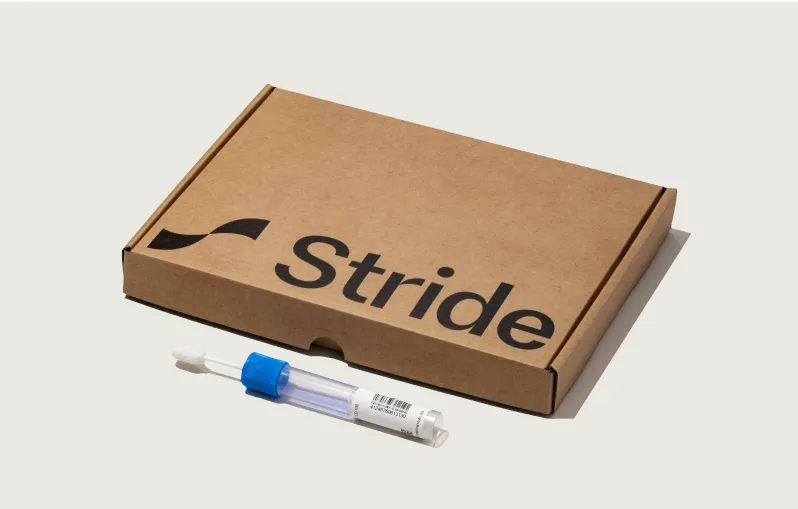




COL5A1 Gene Test (Collagen Type V Alpha 1)
The COL5A1 gene test analyses DNA for variants in the collagen type V alpha 1 gene that influence the structure and organisation of collagen fibrils in tendons, ligaments, skin, and other connective tissues. Understanding your COL5A1 status adds genetic context to joint stability, flexibility, soft-tissue injury risk, and classical Ehlers-Danlos syndrome in the right clinical setting, so you can personalise training, recovery, and prevention strategies.
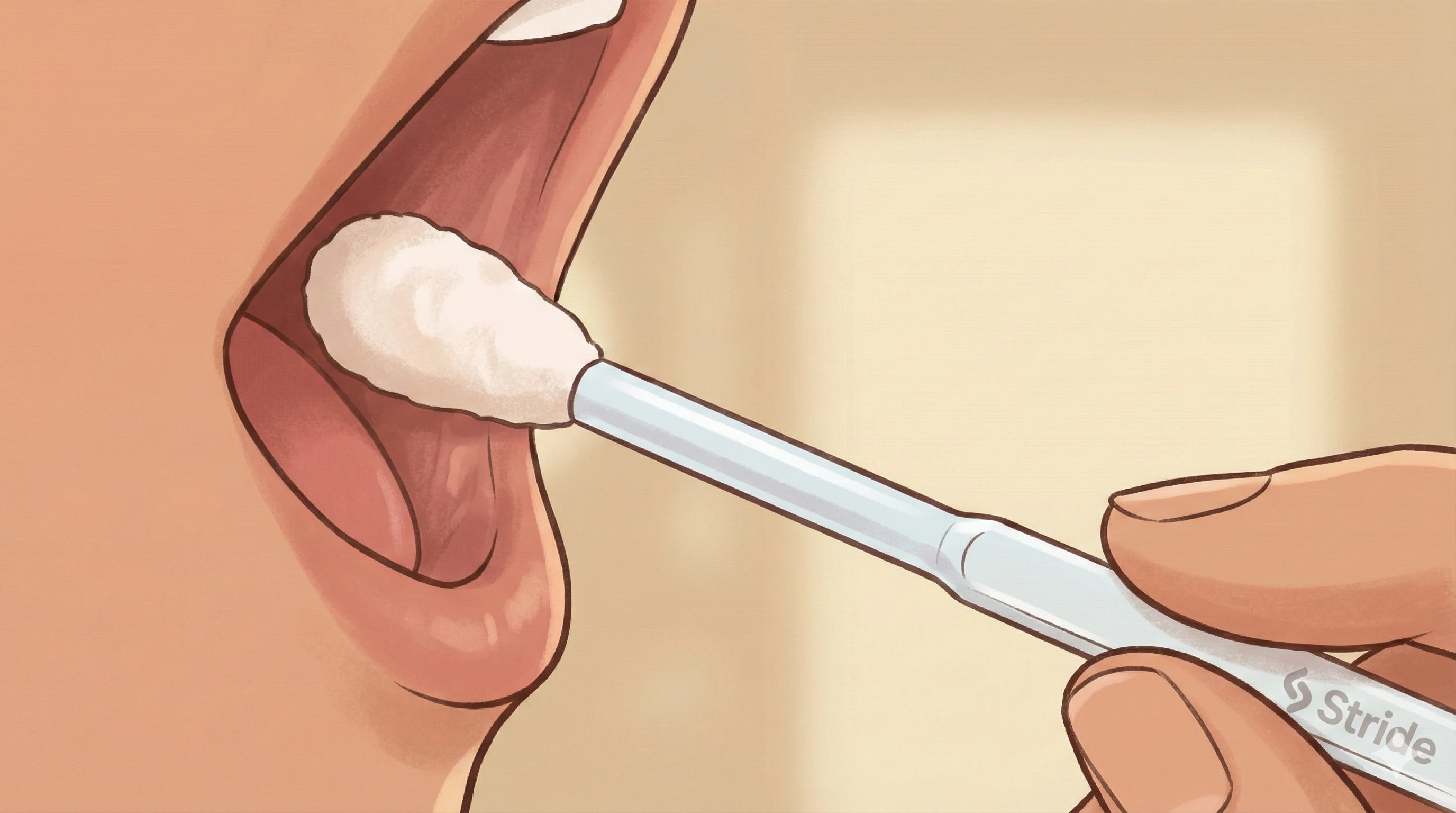

Sample type
Cheek swab, Blood sample

Collection
At-home

Often paired with
Joint laxity and hypermobility assessments, physiotherapy or biomechanics review, tendon and ligament imaging where indicated, bone and collagen markers, vitamin C and general nutrition panels, other collagen and extracellular matrix genes

Fasting required
Not required
Key benefits of testing COL5A1
- Identify whether you carry COL5A1 variants, including rare pathogenic changes linked to classical Ehlers‑Danlos syndrome and common polymorphisms such as rs12722 that have been studied in relation to joint flexibility and soft‑tissue injury risk.
- Help explain a tendency toward hypermobility, recurrent sprains or soft‑tissue injuries, or, conversely, stiffer connective tissues and reduced range of motion, when interpreted with clinical assessment.
- Inform personalised strategies around training loads, sport selection, warm‑up and mobility work, strength and stability programmes, and recovery to protect tendons and ligaments.
- Provide context for skin, vessel, and connective tissue fragility in people with suspected heritable disorders of connective tissue and guide when to seek specialist evaluation.
- Clarify your baseline connective tissue architecture alongside joint exams, strength and gait analysis, and injury history, so long‑term musculoskeletal health and performance plans can be tailored to your biology.
What is the COL5A1 gene?
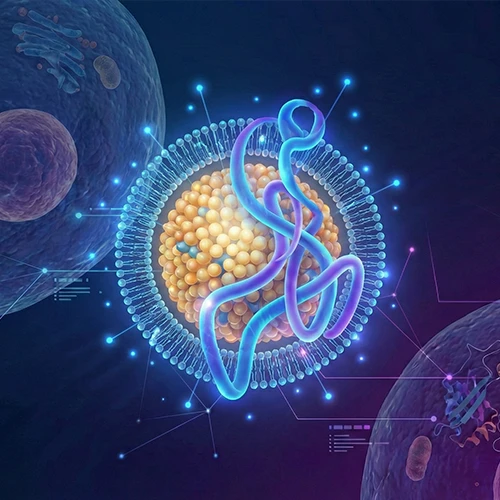
COL5A1 encodes the pro‑alpha 1(V) chain of type V collagen, a quantitatively minor but structurally important fibrillar collagen. Type V collagen co‑assembles with type I collagen in many tissues and plays a key regulatory role in collagen fibril nucleation, diameter, and organisation.
More than one hundred COL5A1 mutations have been identified in people with classical Ehlers‑Danlos syndrome, where haploinsufficiency or structural disruption of type V collagen leads to disorganised and abnormally large collagen fibrils. This weakens connective tissues throughout the body and gives rise to characteristic features such as hyperextensible skin, joint hypermobility, and poor wound healing. Common COL5A1 variants are also studied as modifiers of tendon and ligament properties in the general population.
What does COL5A1 do?
COL5A1 sits at the heart of collagen fibrillogenesis. Cells such as fibroblasts and tenocytes synthesise the pro‑alpha 1(V) chain, which combines with other type V and type I collagen chains to form heterotypic fibrils. Type V collagen is present on the fibril surface and regulates fibril initiation and diameter, effectively setting how tightly packed and organised collagen fibres become.
When COL5A1 function is reduced, as in classical Ehlers‑Danlos syndrome, type V collagen content falls and type I collagen fibrils become larger and irregular, weakening tissues and increasing extensibility. Even modest changes in COL5A1 expression or regulation can influence tendon and ligament structure, passive stiffness, and joint range of motion, which in turn affect movement patterns and injury susceptibility.
Why is COL5A1 important for health?
COL5A1 contributes to three interconnected systems: connective tissue integrity and mechanical properties, joint stability and flexibility, and risk of inherited and acquired soft‑tissue conditions. At one end of the spectrum, pathogenic COL5A1 mutations are a primary cause of classical Ehlers‑Danlos syndrome, with generalised tissue fragility.
At the other end, common COL5A1 polymorphisms in healthy populations have been linked in some studies to differences in joint flexibility and risk of tendinopathy, ligament rupture, and muscle injuries, particularly in athletes exposed to high loads. These effects appear to stem from changes in type V collagen content and collagen matrix organisation, which influence how tendons and ligaments handle repetitive strain. Understanding COL5A1 can therefore support both clinical care in suspected connective tissue disorders and performance and injury‑prevention planning in active individuals.
COL5A1 vs clinical hypermobility scoring and imaging
It is easy to assume that COL5A1 genotyping and hypermobility scores or imaging measure the same thing, but they address different questions. COL5A1 genotyping looks at underlying instructions for type V collagen synthesis and structure, illuminating inherited susceptibility to generalised tissue fragility or subtle differences in connective tissue stiffness.
Hypermobility scores, such as Beighton scoring, measure current joint range of motion, which reflects not only collagen but also muscle tone, training, and acquired changes. Imaging of tendons and ligaments shows structural consequences such as thickening, partial tears, or degenerative changes. Someone can carry a COL5A1 variant associated with hypermobility but appear relatively stable if well trained and conditioned, while another person may show hypermobility on exam due to other genetic or acquired factors without a COL5A1 variant. Together, genetics and clinical evaluation provide a more complete picture.
What factors modify the effects of COL5A1 variants?
The influence of COL5A1 variants is shaped by training load, movement quality, hormonal and nutritional status, and the presence of other connective tissue genes and conditions. Several modifiable factors can either buffer genetic risk or magnify it.
- Training volume, intensity, and type: High volumes of plyometrics, sprinting, or change‑of‑direction work increase load on tendons and ligaments. In people with COL5A1‑related susceptibility, careful periodisation, gradual progression, and deload weeks are particularly important.
- Strength, stability, and neuromuscular control: Strong muscles, good trunk and hip control, and efficient technique reduce peak loads on passive tissues. Poor control and weakness place more strain on ligaments and tendons and can unmask COL5A1‑related vulnerability.
- Flexibility and mobility practices: Very aggressive stretching in hypermobile individuals can worsen instability, while appropriately dosed mobility work combined with strength can help those with stiffer connective tissues move more efficiently.
- Hormonal and sex‑related factors: Sex hormones influence ligament laxity and injury risk patterns. For example, some ligament injuries show sex‑specific incidence peaks that interact with connective tissue properties.
- Recovery, sleep, and load management: Inadequate recovery, sleep deprivation, and high stress impair tissue repair and increase injury risk for any genotype, especially when connective tissue is inherently more fragile.
- Nutrition and micronutrient status: Adequate protein, vitamin C, copper, and other cofactors support collagen synthesis and repair. Poor nutrition can exacerbate COL5A1‑related tissue weaknesses.
Can you have COL5A1 variants without symptoms?
Yes. Many people carry COL5A1 variants, including rs12722 and even some changes detected on gene panels, without obvious symptoms or diagnosed connective tissue disorders. In such cases, COL5A1 acts as a background modifier of tissue properties rather than a dominant cause of disease.
Subtle differences may appear only under high training loads or after a series of injuries, for example as recurrent sprains or tendinopathies in specific sports. Pathogenic variants causing classical Ehlers‑Danlos syndrome usually present with recognisable features, but even then there can be a wide range of severity among carriers in the same family, reflecting the impact of other genes and environment.
COL5A1 genotypes: how do common variants differ?
COL5A1 genotypes mainly differ in rare coding and splice‑site mutations that cause classical Ehlers‑Danlos syndrome and common regulatory or untranslated region variants that subtly modulate type V collagen production and tissue properties.
- Pathogenic COL5A1 mutations: Heterozygous loss‑of‑function or missense variants that disrupt the pro‑alpha 1(V) chain cause classical Ehlers‑Danlos syndrome, with hyperextensible skin, atrophic scarring, joint hypermobility, and tissue fragility. These variants typically require clinical genetic evaluation and are interpreted in the context of diagnostic criteria.
- rs12722 polymorphism: A C to T change in the 3′ untranslated region that has been associated in some studies with joint flexibility and risk of musculoskeletal soft tissue injuries, especially in athletes. Its precise effect on tendon properties remains complex and may differ across populations and injury types.
- Other regulatory variants: Additional polymorphisms can influence COL5A1 expression and may modestly shift tendon and ligament stiffness, although their clinical impact is generally smaller than that of rare pathogenic variants.
- Combined collagen gene patterns: The overall behaviour of connective tissues reflects the combined effects of COL5A1 with other collagen and matrix genes such as COL1A1, COL3A1, COL5A2, and tenascin and elastin genes.
How do I prepare for a COL5A1 test?
For DNA‑based COL5A1 testing, preparation is simple because your genotype does not change with training status, age, or medications. The key step is clarifying whether you are testing in a clinical context (for example suspected classical Ehlers‑Danlos syndrome) or in a performance and injury‑risk context, as this will shape interpretation and follow‑up.
Cheek swab, saliva, or blood‑based COL5A1 genotyping does not require fasting. If you are having additional tests, such as general blood work or imaging, follow the preparation guidance for those investigations, which may include fasting, avoiding intense exercise beforehand, or specific timing relative to training or symptoms.
Do I need a COL5A1 test?
A COL5A1 test is most useful when the result will change how you manage connective tissue health, training, or clinical evaluation, rather than as a curiosity. It becomes particularly informative when interpreted alongside clinical examination, injury history, and activity profile.
- Suspected classical Ehlers‑Danlos syndrome or other heritable connective tissue disorders: If you or a close relative have marked skin hyperextensibility, atrophic scarring, generalised joint hypermobility, or unexplained tissue fragility, COL5A1 testing is relevant as part of a specialist assessment.
- Recurrent tendon, ligament, or soft‑tissue injuries: Athletes and active individuals with repeated sprains, tendon problems, or soft‑tissue injuries may benefit from COL5A1 and related gene testing to inform load management and support strategies.
- Hypermobility with pain or instability: For people with symptomatic hypermobility, knowing whether COL5A1 and other connective tissue genes are involved can guide physiotherapy, strength work, and monitoring.
- Comprehensive performance and longevity planning: For those building broad DNA‑based plans, COL5A1 anchors the connective‑tissue and soft‑tissue injury‑risk dimension of long‑term musculoskeletal strategy.
Stride tests that include COL5A1


Health Tests
Core DNA Methylation Test
5 reports: Methylation profile reports
From $229 $183.20
FAQs
What is the COL5A1 gene test?
The COL5A1 gene test analyses your DNA from blood or saliva to look for variants in the collagen type V alpha 1 gene that influence how your body builds and organises type V collagen, with implications for joint stability, tendon and ligament strength, and connective tissue fragility.
What does a COL5A1 variant mean?
Pathogenic COL5A1 mutations can cause classical Ehlers‑Danlos syndrome with generalised connective tissue weakness, while common polymorphisms such as rs12722 may modestly influence joint flexibility and soft‑tissue injury risk in active populations. The impact depends on the specific variant and context.
Do COL5A1 variants always cause hypermobility or injuries?
No. Many people with COL5A1 variants never develop symptomatic hypermobility or recurrent injuries, especially if they manage training loads well, build strength and stability, and support tissue repair. Conversely, soft‑tissue problems can arise in people without COL5A1 variants when loads and recovery are poorly matched.
Is COL5A1 testing used to diagnose Ehlers‑Danlos syndrome?
COL5A1 testing can support the diagnosis of classical Ehlers‑Danlos syndrome when combined with a detailed clinical assessment and, if needed, broader connective tissue gene panels. It is not used as a stand‑alone diagnostic test, and a normal result does not rule out other Ehlers‑Danlos subtypes.
Do I need a COL5A1 test?
You might consider a COL5A1 test if you have features suggestive of classical Ehlers‑Danlos syndrome, a history of recurrent tendon or ligament injuries, symptomatic hypermobility, or if you are building a detailed performance and healthy‑ageing plan where connective tissue integrity and injury prevention are central.
Do I need to fast for COL5A1 testing?
Fasting is not required for DNA‑based COL5A1 testing. If blood tests such as nutrient, inflammatory, or hormone panels are done at the same time, follow the preparation guidance for those specific tests.
How can I optimise my connective tissue health if I carry COL5A1 variants?
Rather than trying to change the gene, focus on smart load management, progressive strength and stability work, appropriate mobility rather than extreme stretching, adequate protein and collagen‑supportive nutrition, good sleep and recovery, and early physiotherapy input for injuries, so you can see how consistent, targeted changes reshape your long‑term joint stability, injury risk, and performance.