
Menu
-
Shop All
Contact
hey@getstride.com
Stride Health Group
Stride Health Group Ltd
Company No 05158025
Lamas Road
Badersfield
Norwich
England
NR10 5FB
UK
Extra 10% Off | Enter code GIFT at checkout





CLOCK Gene Test (Circadian Locomotor Output Cycles Kaput)
The CLOCK gene test analyses DNA for variants in the circadian clock gene that regulates your 24-hour biological rhythm and controls the timing of sleep, wakefulness, metabolism, hormone release, and energy expenditure. Common polymorphisms such as the rs1801260 (3111 T/C variant) can shift your natural sleep-wake preference (chronotype), influence how you respond to meal timing, and shape risks for obesity, metabolic syndrome, and sleep disorders — particularly when circadian timing conflicts with work, school, or lifestyle demands.
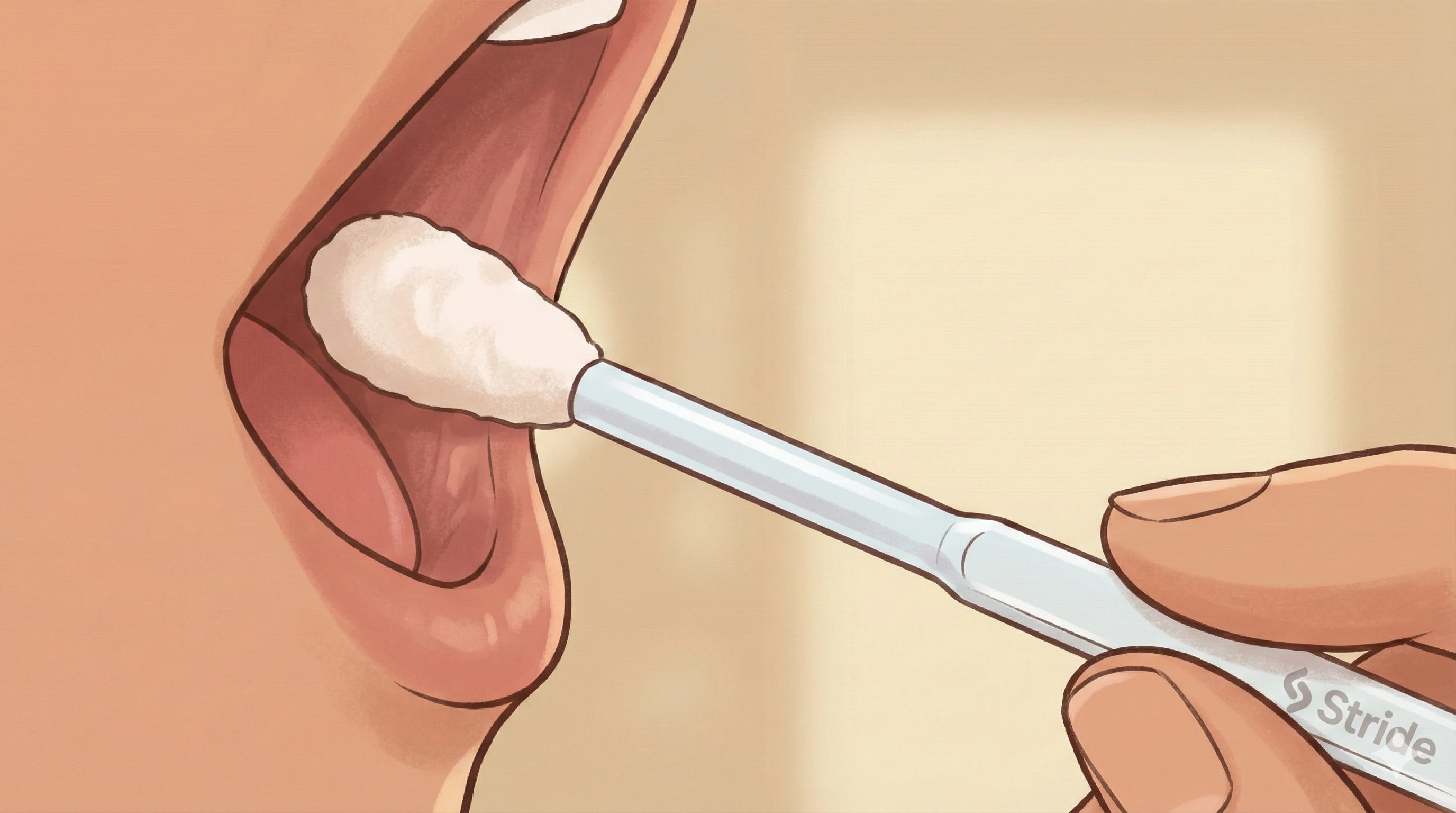

Sample type
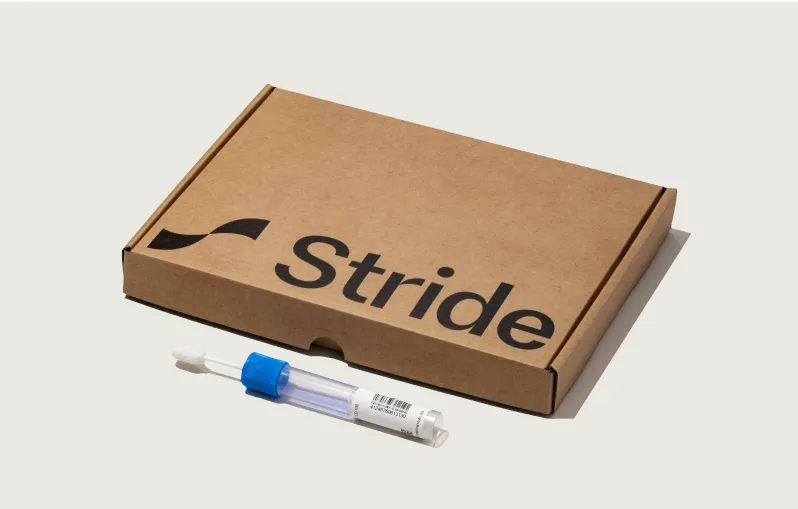
Cheek swab, Blood sample

Collection
At-home, At-home nurse visit

Often paired with
Sleep quality and duration assessments, chronotype questionnaires, glucose and insulin markers, lipid profiles, inflammatory markers, body composition metrics, meal timing and eating pattern diaries, and other circadian-related genes such as PER1, PER2, PER3, BMAL1, and CRY1.

Fasting required
Not required for DNA testing (follow your provider's guidance for any accompanying blood tests)
Key Benefits of Testing CLOCK
- Identify whether you carry the CLOCK 3111 T/C polymorphism (rs1801260) or other circadian variants that can shift your chronotype towards a "morning person" or "evening person" preference and sleep timing across the lifespan.
- Clarify why you may struggle to wake early or feel alert in morning hours, or conversely find it hard to fall asleep at typical bedtimes, when your CLOCK genotype nudges you towards a later or earlier biological rhythm.
- Provide context for how your food timing, appetite patterns, and metabolism interact with circadian timing, since CLOCK variants have been linked to eating jetlag (variability in meal timing across days), energy intake, and ghrelin/GLP-1 response.
- Inform long-term risk for obesity, metabolic syndrome, and type 2 diabetes in the context of chronotype-environment mismatch — for example, when an evening-chronotype genotype is forced into early morning work schedules without accommodation.
- Support personalised sleep, feeding, and recovery strategies that align your behaviour and environment with your genetic circadian baseline, rather than forcing a "one-size-fits-all" schedule.
What is the CLOCK gene?
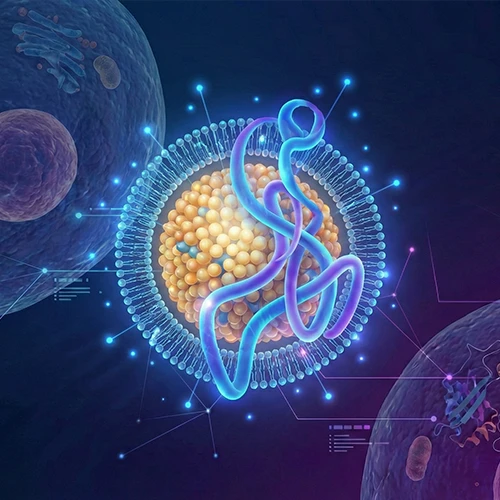
The CLOCK gene encodes a core transcription factor that sits at the heart of the mammalian circadian oscillator. The CLOCK protein forms a heterodimer with BMAL1, and together they activate the transcription of Period (PER) and Cryptochrome (CRY) genes, which in turn feed back to inhibit the CLOCK/BMAL1 complex — creating a self-sustained 24-hour oscillation.
This transcription-translation feedback loop, often called the circadian "clock," is located in the suprachiasmatic nucleus (SCN) of the hypothalamus, but clock genes and similar rhythms operate in nearly every tissue and cell of the body. CLOCK-controlled genes regulate the timing of:
- Sleep and wakefulness.
- Release of hormones such as melatonin, cortisol, and growth hormone.
- Feeding behaviour, appetite hormones, and glucose metabolism.
- Body temperature and immune responses.
- Gene expression in the liver, adipose tissue, and other metabolic organs.
The most well-studied CLOCK polymorphism is the 3111 T/C variant (rs1801260), a common nucleotide substitution in the CLOCK gene. This variant can subtly alter the timing and amplitude of CLOCK expression, which in turn influences the timing of the entire circadian system.
What does CLOCK do?
At a molecular level, CLOCK acts as a "master timer" for physiology.
The CLOCK protein:
- Forms a transcription factor complex with BMAL1, binding to E-box DNA sequences in the promoter regions of hundreds of circadian-regulated genes.
- Activates the transcription of genes encoding the Period and Cryptochrome proteins, which accumulate and eventually inhibit CLOCK/BMAL1 activity — creating a negative feedback loop that maintains a 24-hour period.
- Influences the timing of the SCN's output signals to the rest of the body, particularly through regulation of melatonin (which promotes sleep) and cortisol (which promotes wakefulness and metabolism).
At a systems level, CLOCK determines:
- Your chronotype — the innate preference for sleep and wake times. Variations in CLOCK affect whether you are a natural "morning person" (advanced sleep phase) or "evening person" (delayed sleep phase).
- Your metabolic rhythm — when your body is optimised for eating, energy storage, and glucose regulation. CLOCK controls daily patterns of insulin sensitivity, lipid mobilisation, and hepatic glucose output.
- Your feeding behaviour — appetite signalling and the timing of hunger and satiety are tightly coupled to circadian timing. Misalignment between CLOCK-driven appetite and actual meal times can promote overeating and weight gain.
- Your resilience to shift work and circadian disruption — some CLOCK variants confer greater flexibility and faster re-entrainment to shifted schedules, while others make you more vulnerable to the metabolic and cognitive costs of chronotype-environment mismatch.
The rs1801260 (3111 T/C) polymorphism may alter how quickly or efficiently CLOCK is expressed and how strongly it drives circadian gene expression, subtly shifting the overall timing of your rhythm.
Why is CLOCK important for health?
CLOCK is foundational to health because circadian rhythm disruption is now recognised as a major driver of modern illness. The three primary domains where CLOCK matters are:
Sleep disorders and circadian rhythm disorders
CLOCK variants have been linked to differences in sleep timing, insomnia, and circadian rhythm sleep disorders. The rs1801260 (3111 T/C) variant, in particular, has been associated with:
- Evening chronotype (delayed sleep phase), where the C allele may push individuals toward later sleep and wake times.
- Sleep initiation and maintenance difficulties in some cohorts, particularly when sleep schedules are misaligned with chronotype.
- Reduced total sleep time in some populations, linked to behavioural (forced early waking) or genetic (altered CLOCK expression) factors.
Even small shifts in sleep timing can cascade into poor sleep quality, daytime dysfunction, and heightened risk of accidents and mistakes.
Metabolism, obesity, and metabolic syndrome
Circadian disruption and CLOCK polymorphisms have been strongly linked to weight gain, abdominal obesity, insulin resistance, and type 2 diabetes.
The mechanism involves multiple pathways:
- Eating behaviour and meal timing: CLOCK variants influence appetite signalling (ghrelin and GLP-1) and eating patterns. The rs1801260 variant has been associated with higher energy intake, increased dietary carbohydrate and fat, and greater eating "jetlag" (variability in meal timing across weekdays and weekends) in some populations. Eating at circadian-misaligned times (for example late-night meals when your clock signals fasting mode) impairs glucose tolerance and promotes fat storage.
- Metabolic rate and energy expenditure: CLOCK controls the timing of metabolic rate, fat oxidation, and sympathetic activation. Evening-chronotype individuals forced into early morning routines often show blunted metabolic flexibility and increased adiposity.
- Lipid and glucose metabolism in tissues: CLOCK/BMAL1 regulate the expression of hundreds of metabolic genes in the liver, adipose tissue, and pancreatic beta cells. Polymorphisms that alter circadian timing of these genes can shift insulin sensitivity, glucose disposal, and triglyceride clearance across the day.
In studies, carriers of the CLOCK rs1801260 C allele (associated with evening chronotype and later eating times) have shown higher odds of overweight and obesity, particularly when combined with frequent late-night eating, early skipping of breakfast, or other circadian-disruptive behaviours.
Cardiometabolic disease and ageing
Circadian disruption, whether genetic or behavioural, has been linked to hypertension, dyslipidemia, inflammation, and accelerated cardiovascular ageing. This may occur through:
- Dysregulation of cortisol and sympathetic tone throughout the day.
- Chronic low-grade inflammation due to mistimed melatonin and altered immune gene expression.
- Accumulation of metabolic damage from repeated meals at circadianally suboptimal times.
Because the CLOCK gene operates in virtually all tissues and controls the timing of energy, immune, and hormonal systems, its variants have potential impact across physiology — but real-world consequences depend heavily on how well your environment aligns with your chronotype.
CLOCK chronotype vs sleep disorder diagnosis: what's the difference?
It is easy to conflate CLOCK genotype with a sleep disorder diagnosis, but they measure distinct aspects of your sleep biology.
- CLOCK genotyping identifies inherited variants that may shift your natural sleep-wake preference or the timing of circadian-controlled processes such as metabolism and appetite. It reflects your baseline genetic chronotype — the rhythm you might naturally express in an environment with no external time cues.
- Sleep disorder diagnosis (for example insomnia, obstructive sleep apnoea, circadian rhythm sleep disorder) requires clinical assessment, sleep logs, polysomnography, or other functional testing. It reflects your actual sleep behaviour and function in the real world.
The distinction matters because:
- You can have an "evening chronotype" CLOCK genotype yet maintain healthy sleep by aligning your schedule with your natural rhythm (for example a job with flexible start times).
- You can have a "morning chronotype" genotype and still suffer from insomnia due to anxiety, sleep apnoea, poor sleep hygiene, or other drivers unrelated to CLOCK.
- You can have an extreme chronotype-environment mismatch — for example, a genetic evening person forced into a 6 a.m. work start — that functionally resembles a sleep disorder but will resolve if the schedule shifts.
CLOCK helps explain your potential sleep pattern and metabolic vulnerabilities; functional sleep assessment reveals what is actually happening and whether you need intervention.
What factors affect CLOCK-related risk?
Your CLOCK genotype is fixed from birth, but how much it influences your health depends heavily on context.
1. Specific polymorphisms and circadian phase
- The CLOCK 3111 T/C (rs1801260) variant is the best-studied. The C allele has been associated with evening chronotype, later sleep timing, and (in some studies) higher metabolic risk when combined with other factors.
- Other CLOCK polymorphisms (for example rs3749474, rs4580704) have been linked to body weight and eating behaviour in some cohorts, though effect sizes vary.
- Additional circadian genes (PER1, PER2, PER3, BMAL1, CRY1) add layers of complexity. Combinations of variants across multiple clock genes can amplify chronotype effects.
The key is that CLOCK rarely acts alone — it is one part of a distributed network.
2. Chronotype-environment alignment
The biggest modifiable factor is how well your actual schedule matches your genetic rhythm.
- An evening-chronotype person in a 9-5 job with a 6 a.m. wake time faces constant circadian misalignment, driving sleep debt, increased carbohydrate cravings, and metabolic dysfunction.
- The same person working 10 a.m. to 6 p.m. or rotating shifts that favour their natural rhythm may show normal sleep, improved metabolic health, and reduced obesity risk.
Chronotype alignment is often the single largest leverage point for health — yet it requires workplace and social flexibility that not everyone has access to.
3. Meal timing and eating patterns
CLOCK controls circadian-regulated appetite and metabolic capacity. The alignment between your meal timing and your CLOCK-driven metabolic rhythm influences:
- How efficiently you digest and process nutrients.
- Whether you experience "eating jetlag" (irregular meal timing across days).
- Your likelihood of late-night snacking and overeating.
- Your insulin sensitivity at different times of day.
For evening-chronotype individuals, shifting meals earlier in the day (for example a large breakfast, lighter dinner) can partially mitigate the metabolic disadvantage of evening types, whereas late eating amplifies it.
4. Sleep quality and duration
CLOCK influences sleep architecture and depth, but sleep also feeds back on circadian function. Poor sleep hygiene, insufficient duration, or fragmentation can override favourable CLOCK genetics and drive obesity and metabolic disease.
5. Light exposure and environmental synchronisation
Light is the dominant "zeitgeber" (synchroniser) of the circadian clock. Bright light in the morning advances the clock toward morning preference, while evening light exposure delays it.
- People with evening-chronotype CLOCK variants can partly shift their rhythm earlier by getting bright light in the early morning and avoiding light in the evening.
- Those with morning-chronotype CLOCK variants may benefit from some evening light to delay their rhythm and avoid too-early waking.
- Irregular light-dark patterns (for example shift work, excessive evening screen time) severely disrupt clock function regardless of genotype.
6. Behavioural consistency
CLOCK thrives on routine. Regular sleep-wake times, consistent meal times, and predictable activity patterns strengthen circadian entrainment and metabolic health, while chaotic, irregular patterns (even if individually optimal) worsen circadian function over time.
Can you have CLOCK variants without sleep or metabolic problems?
Yes — and this is extremely common.
Most people carry common CLOCK polymorphisms such as rs1801260 (3111 T/C). Many have a clear morning or evening preference and never develop sleep disorders or obesity. The variants describe your predisposition and natural tendency, but they do not guarantee disease.
Conversely, people without the "evening-chronotype" CLOCK variants can develop insomnia or shift-work sleep disorder if their schedule is persistently misaligned or stress is high.
CLOCK variants are most actionable when combined with other signals — for example, if you are consistently tired despite sleeping enough hours, or gaining weight despite apparent healthy eating, your CLOCK status and chronotype preference become key diagnostic clues.
Normal vs "at-risk" CLOCK: what's the difference?
There is no universally "bad" CLOCK genotype. Instead, there are common variants with different chronotype associations and context-dependent risks.
Laboratories may report CLOCK genotypes as:
- TT, TC, or CC for rs1801260 (3111 T/C), sometimes with language about morning versus evening preference.
- Additional variants (for example rs3749474, rs4580704) with associations to body weight or eating behaviour in specific populations.
From a preventative standpoint:
- TT genotype at rs1801260 has been associated with morning-type preference, earlier sleep onset, and (in some studies) lower body weight and energy intake.
- CC genotype has been associated with evening-type preference, later sleep onset, and (in some studies with evening schedules or late eating) higher obesity risk.
- TC heterozygotes usually fall in the middle, with intermediate chronotype.
However, none of these genotypes is "normal" or "abnormal" — they are variants of normal human diversity. The risk emerges when your genotype clashes with your environment or behaviour.
Do I need to fast for a CLOCK test?
For DNA-based CLOCK testing using blood or saliva, fasting is not required. Your genetic sequence does not change with meals or time of day.
If your CLOCK analysis is packaged with circadian-linked blood tests such as:
- Fasting glucose or insulin.
- Lipid profile.
- Ghrelin, leptin, or GLP-1 measurement (which may have specific timing requirements due to circadian variation).
- Cortisol or melatonin (which must be timed to specific hours of the day to be meaningful).
you may be asked to fast or arrive at a specific time. Follow the preparation instructions provided with your testing package or from your provider, especially when combining CLOCK genotyping with functional circadian or metabolic assessments.
How can CLOCK-related risk be managed? (clinician-guided)
Managing CLOCK-related risk is fundamentally about aligning your life with your biology, not fighting your natural rhythm. Depending on your profile, clinician-guided strategies may include:
Honouring your chronotype in scheduling decisions
- If you have an evening-chronotype genotype, advocate for work or school schedules that allow later start times where feasible. Small shifts (even 30–60 minutes later) can meaningfully reduce sleep debt and metabolic dysfunction.
- Use chronotype questionnaires and CLOCK data to inform conversations with employers, educators, or family about accommodations that would support your health without requiring you to "fight your biology" daily.
Optimising light exposure
- Morning-type individuals: Maintain bright light in the morning, dim light in the evening, to anchor and reinforce your natural earlier rhythm.
- Evening-type individuals: Seek bright light in the early morning (even if difficult) and limit evening light exposure (including screens) to gradually shift your rhythm earlier and reduce social jetlag.
Synchronising meal timing with circadian capacity
- Front-load calories and carbohydrate intake earlier in the day, when CLOCK-driven insulin sensitivity is typically higher.
- Avoid large or heavy meals late in the evening, when metabolic flexibility is lower and energy storage pathways are more active.
- If you are evening-type with late work hours, prioritise breakfast and lunch, keep dinner moderate, and avoid snacking after dinner.
Building consistent sleep-wake and meal schedules
- Circadian clocks sync best to regularity. Even if your preferred bedtime is 11 p.m. rather than 10 p.m., keeping that consistent across days (including weekends) is more valuable than aiming for earlier sleep times inconsistently.
- Apply the same principle to meals: regular timing matters as much as the specific times.
Monitoring metabolic and sleep biomarkers over time
- Track sleep quality, sleep duration, energy levels, and mood to see whether your current schedule and habits align with your CLOCK genotype.
- Monitor metabolic markers such as fasting glucose, insulin, triglycerides, and body composition to reveal whether chronotype-environment mismatch is driving metabolic stress.
- Adjust and repeat: small, sustained changes in schedule or eating timing often yield visible biomarker shifts within 3–6 months.
Considering shift-work strategies if occupational mismatch is unavoidable
- If you have an evening-chronotype genotype and must work early morning hours, discuss with your clinician whether strategic light exposure, meal timing adjustments, or other countermeasures might reduce harm.
- For those regularly shifting schedules, consistency (even if rotated) is preferable to constant change.
Because CLOCK genotype never changes, it can serve as a stable lifelong guide — helping you make alignment decisions at each life stage, from school and career choices to retirement and ageing, that respect your biology rather than constantly working against it.
Stride tests that include CLOCK

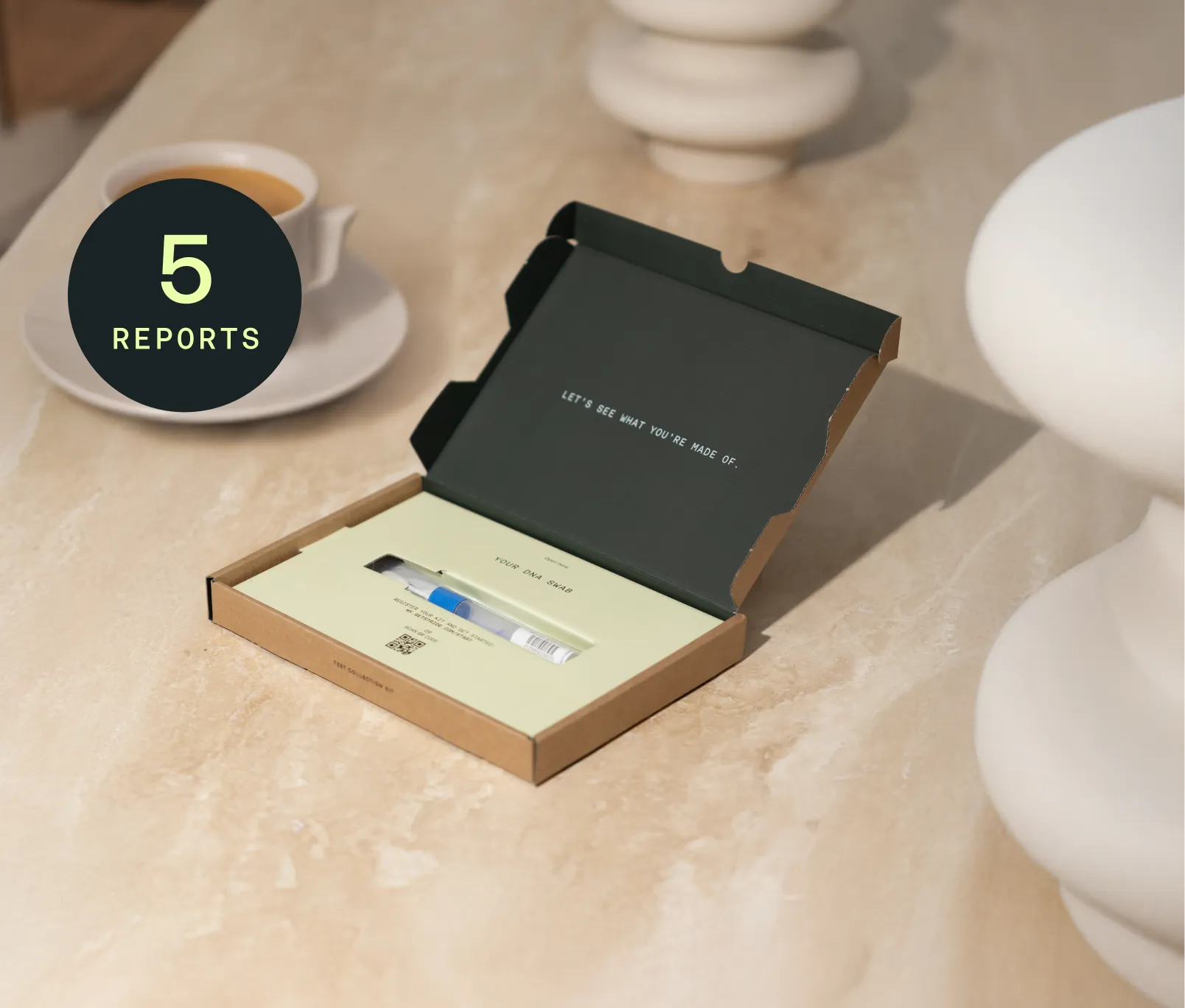
Health Tests
Core DNA Methylation Test
5 reports: Methylation profile reports
From $229 $183.20
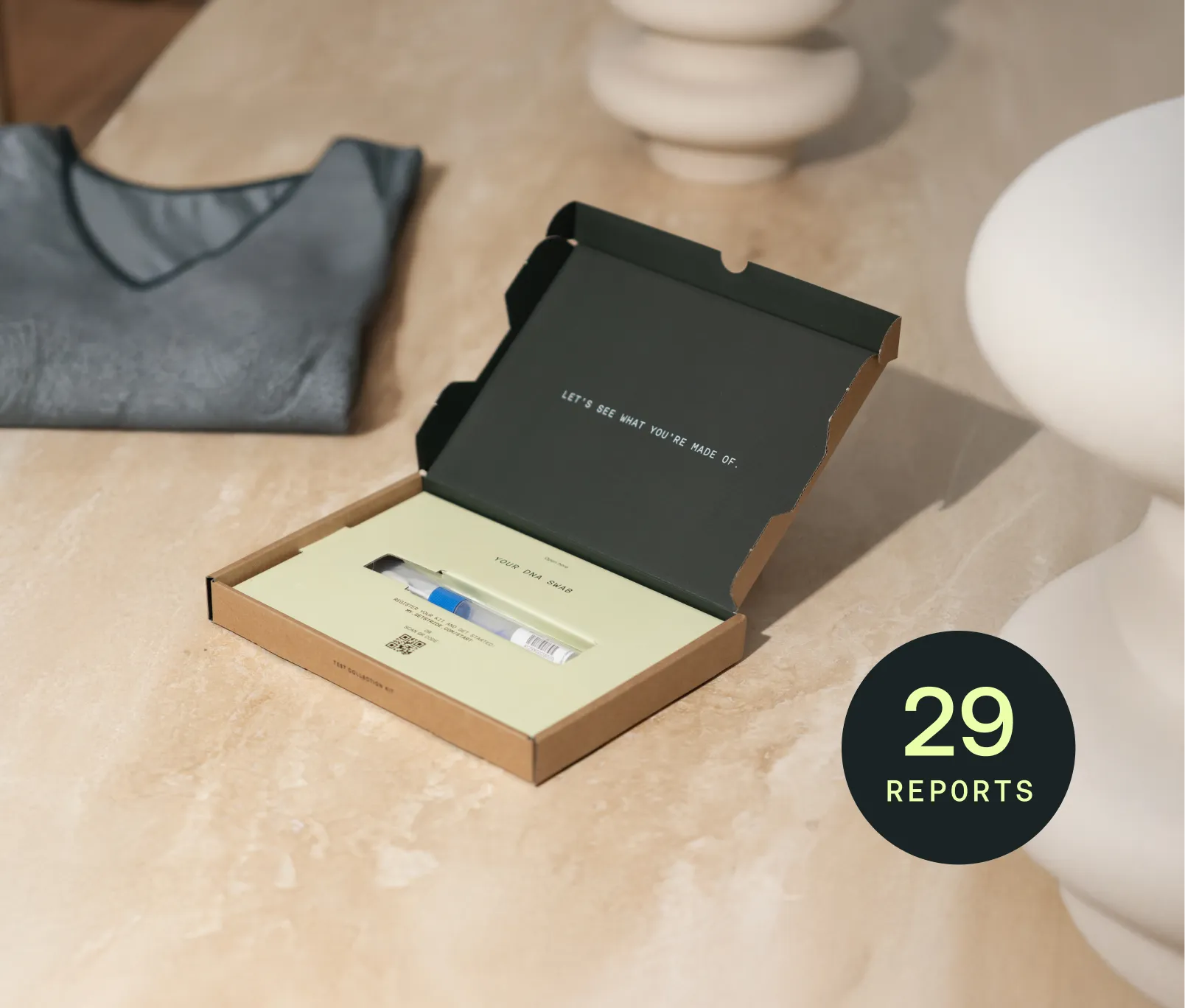
Health Tests
Advanced DNA & Methylation Test
29 reports: Methylation profile and nutrigenetic reports
From $349 $279.20
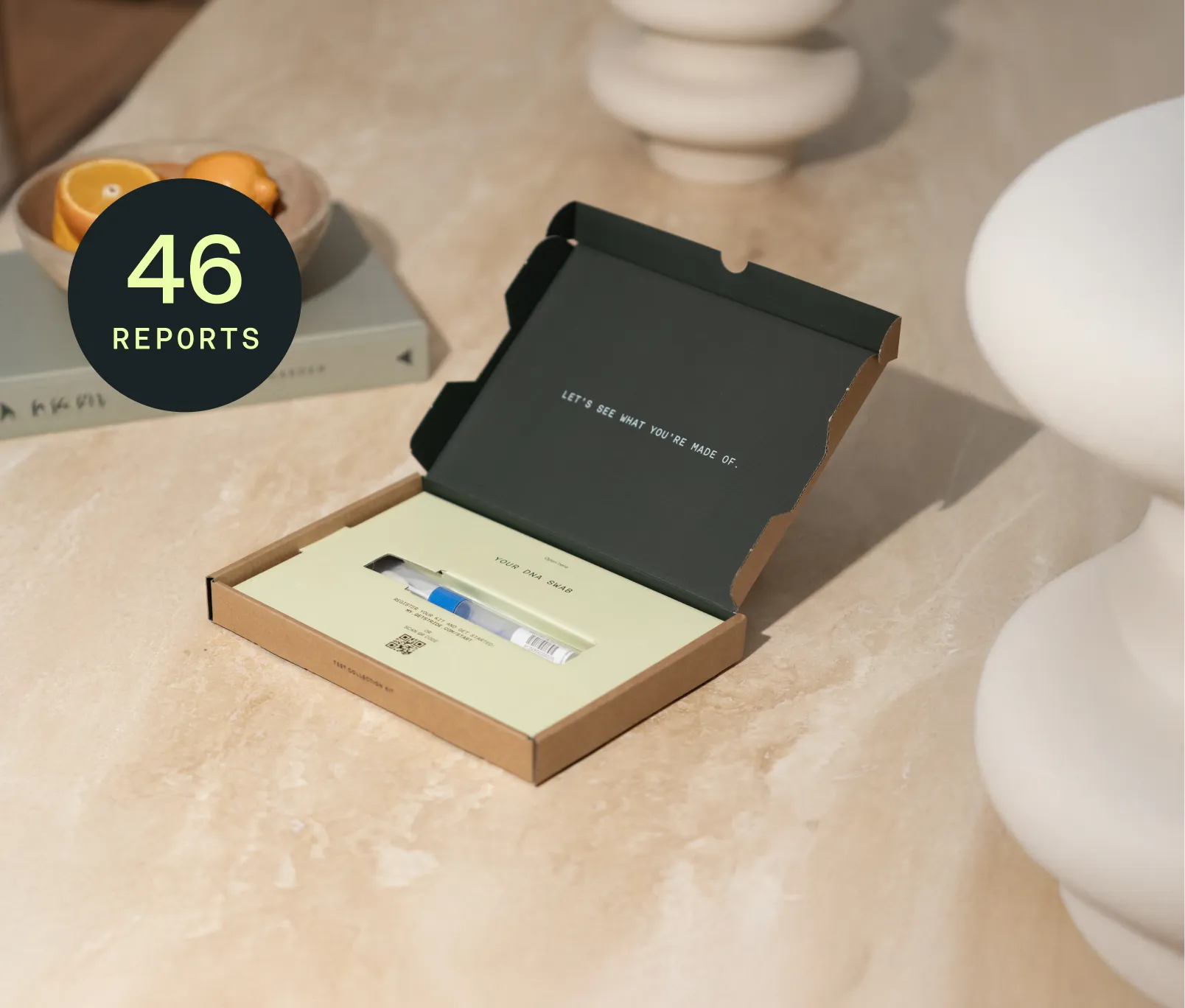
Health Tests
Optimal DNA & Methylation Test
46 reports: Methylation profile, nutrigenetic, fitness, sleep, stress and skin reports
From $479 $383.20
FAQs
What is the CLOCK gene test?
The CLOCK gene test analyses your DNA (from blood or saliva) for variants in the circadian clock gene, particularly the common rs1801260 (3111 T/C) polymorphism and related circadian SNPs. These variants help predict your natural sleep-wake preference (chronotype), influence how your body times metabolism and appetite, and can inform long-term strategies around sleep, eating, and metabolic health optimisation.
What does a CLOCK T/C result mean?
The CLOCK rs1801260 result tells you about your genetic chronotype predisposition:
- TT genotype: Associated with morning-type preference, earlier natural sleep and wake times, and (in some studies) lower obesity risk.
- TC genotype: Intermediate morning-evening preference.
- CC genotype: Associated with evening-type preference, later natural sleep and wake times, and (when combined with late eating or circadian-disruptive schedules) higher metabolic risk.
None is inherently "good" or "bad" — the key is how well your actual schedule aligns with your preference.
Do CLOCK variants always cause sleep problems or obesity?
No. CLOCK variants describe your predisposition and natural rhythm but do not guarantee disease. Many people with "evening-chronotype" CLOCK variants sleep well and maintain healthy weight by aligning their schedule with their preference. Conversely, people without these variants can develop sleep disorders or gain weight due to schedule misalignment, stress, poor sleep hygiene, or other factors.
Is CLOCK testing recommended for everyone?
Routine CLOCK testing is not universally recommended, but it becomes highly valuable if you:
- Struggle with chronic sleep problems, especially if they resist standard sleep hygiene advice.
- Are gaining weight despite apparent healthy eating, particularly if you also experience evening food cravings or late-night eating.
- Have a career or lifestyle requiring shift work or frequent schedule changes.
- Want to understand and optimise your natural energy, sleep, and eating rhythms for longevity and performance.
In these contexts, CLOCK can help shift your strategy from "fighting your biology" to "working with it."
Can CLOCK variants explain why I'm not a "morning person"?
Partly. Your CLOCK genotype influences your natural sleep-wake preference, but many other factors shape whether you are actually able to be a morning person in practice — including cumulative sleep debt, evening light exposure, meal timing, and the consistency of your schedule. CLOCK explains the underlying biological tendency, while lifestyle reveals your current functional reality.
Do I need to fast for CLOCK testing?
No. DNA-based CLOCK testing does not require fasting. If CLOCK testing is combined with fasting-sensitive circadian metabolic markers (for example timed ghrelin or GLP-1, or glucose measured at a specific time of day), your provider may ask you to fast or arrive at a particular time. Follow the instructions provided with your specific test package.
How can I use my CLOCK results to improve sleep and metabolism?
CLOCK results are most powerful when used to align your life with your biology:
- Honour your natural chronotype in scheduling when feasible.
- Optimise light exposure to gently shift your rhythm if chronotype-environment misalignment is unavoidable.
- Time your meals (especially breakfast and carbohydrate-rich foods) to sync with your circadian metabolic peaks.
- Maintain consistent sleep-wake and eating times, even if those times are later than population averages.
- Track your sleep quality, energy, mood, and metabolic markers over 2–3 months to see how alignment changes your biology.
The goal is to stop fighting your natural rhythm and start leveraging it — so you can optimise your energy, sleep, and longevity without constant struggle.