
Menu
-
Shop All
Contact
hey@getstride.com
Stride Health Group
Stride Health Group Ltd
Company No 05158025
Lamas Road
Badersfield
Norwich
England
NR10 5FB
UK
Extra 10% Off | Enter code GIFT at checkout





CBS Gene Test (Cystathionine Beta Synthase)
The CBS gene test analyses DNA for variants in cystathionine beta synthase that can alter how efficiently you convert homocysteine into cystathionine in the transsulfuration pathway, using vitamin B6 as a cofactor. Understanding your CBS status adds genetic context to homocysteine regulation, sulfur amino acid balance, antioxidant capacity, and methylation demand so you can personalise B vitamin support and long term prevention, rather than relying on population averages.
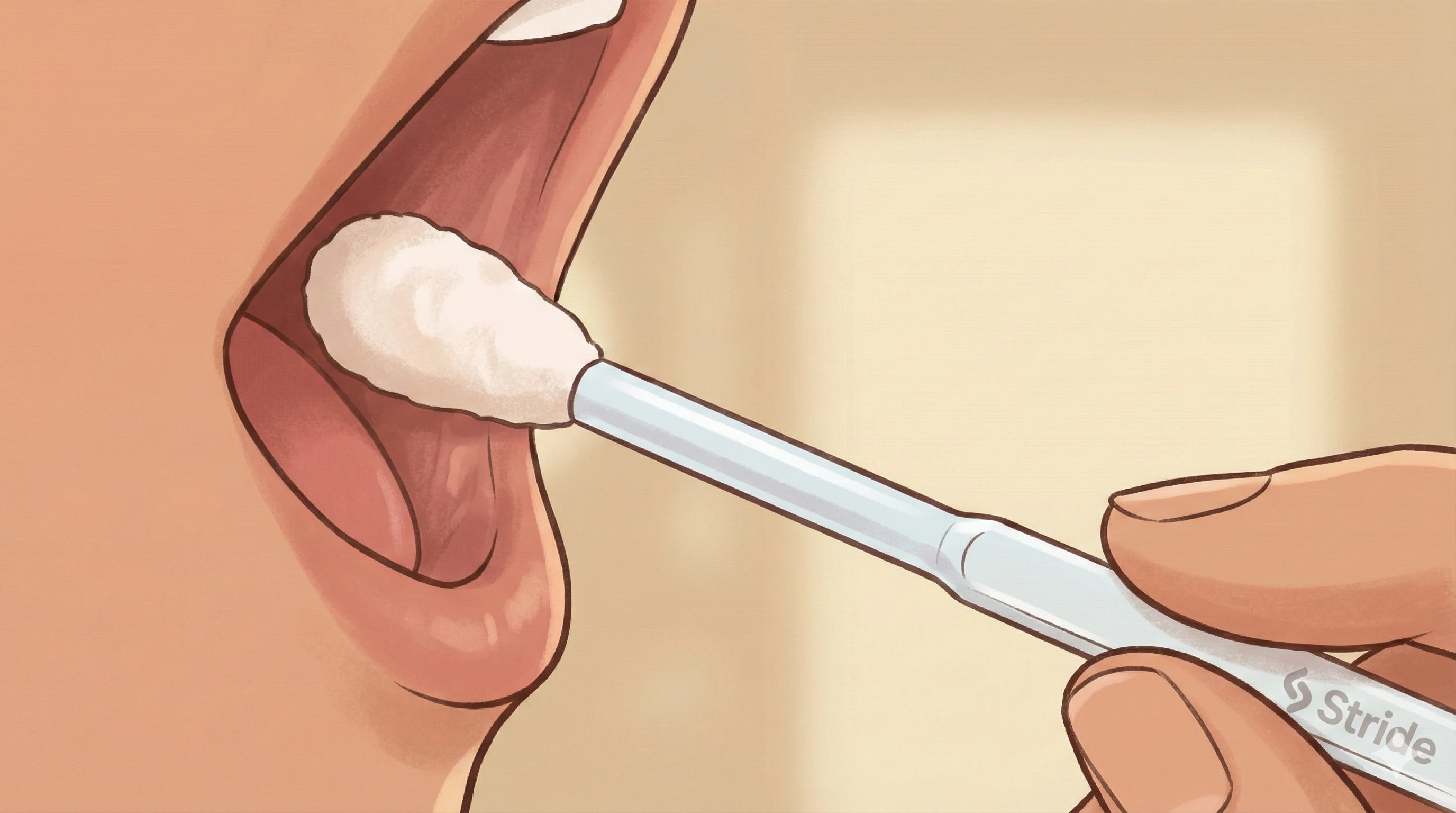

Sample type
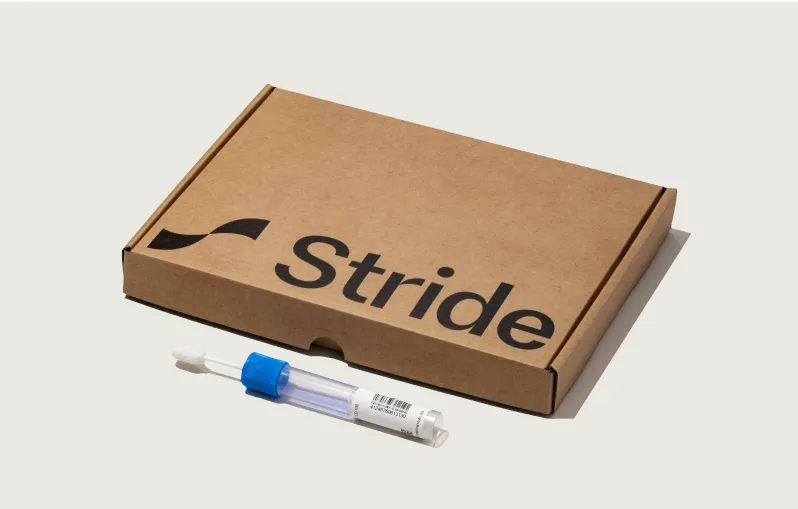
Cheek swab, Blood sample

Collection
At-home

Often paired with
Homocysteine, folate, vitamin B12, vitamin B6, methylmalonic acid, glutathione or redox markers, methylation panel, cardiovascular and eye health assessments

Fasting required
Not required for DNA testing; follow clinical guidance for any accompanying blood tests
What is the CBS gene?
The CBS gene encodes cystathionine beta synthase, a pyridoxal phosphate dependent enzyme that catalyses the condensation of homocysteine and serine to form cystathionine. This is the first and rate limiting step in the transsulfuration pathway, which ultimately converts homocysteine to cysteine.
CBS is expressed in liver, brain, and many other tissues, and forms a homotetramer that is allosterically activated by S adenosylmethionine. Rare, severe loss of function mutations in CBS cause classical homocystinuria, an autosomal recessive disorder characterised by very high homocysteine and methionine, lens dislocation, skeletal changes, thrombosis, and neurological involvement. More common CBS polymorphisms, including variants like 844ins68 and others, mainly exert subtler effects on homocysteine patterns and risk profiles.
What does CBS do?
CBS sits at a key junction where the body decides whether to recycle homocysteine back to methionine via remethylation or direct it into the transsulfuration pathway to form cystathionine and then cysteine. By converting homocysteine and serine to cystathionine, CBS supports the production of cysteine, which is used for protein synthesis and glutathione production, central to antioxidant defence.
When CBS activity is reduced, homocysteine can accumulate and less cystathionine and cysteine are produced, which can strain methylation and antioxidant systems. When CBS activity is appropriate and vitamin B6 is sufficient, the transsulfuration pathway helps clear homocysteine, supports glutathione, and connects methylation to sulfur amino acid metabolism. In classical homocystinuria, severe CBS deficiency leads to markedly elevated homocysteine and characteristic clinical features.
Why is CBS important for health?
CBS contributes to three interconnected systems: homocysteine clearance, sulfur amino acid and glutathione metabolism, and methylation balance. Together, these pathways influence cardiovascular risk, connective tissue integrity, eye health, bone density, and neurological function.
In classical homocystinuria, inactivating CBS mutations cause very high homocysteine and methionine levels and markedly increase risk for thromboembolism, lens dislocation, skeletal deformities, and developmental issues. Milder CBS polymorphisms, such as 844ins68 and others, have been studied for their impact on fasting and post methionine load homocysteine and possible associations with vascular disease, neural tube defects, and other outcomes, often in combination with MTHFR and MTRR variants. For most people, the impact of these common variants is modest and strongly shaped by B vitamin status and lifestyle.
CBS vs MTHFR: what is the difference?
It is easy to assume that all homocysteine related genes do the same thing, but CBS and MTHFR sit in different branches of one carbon metabolism. MTHFR helps generate 5 methyltetrahydrofolate for remethylating homocysteine back to methionine, supporting methylation. CBS diverts homocysteine away from remethylation into the transsulfuration pathway, leading to cystathionine and cysteine production.
This distinction matters because reduced MTHFR activity can raise homocysteine by limiting remethylation, while reduced CBS activity can raise homocysteine by limiting transsulfuration. A person can have variations in both genes, and the combined effect on homocysteine and methylation will depend on B vitamin status, diet, and overall health. Looking at the network (MTHFR, MTR, MTRR, CBS and others) gives a clearer picture than focusing on a single gene.
What factors modify the effects of CBS variants?
The influence of CBS variants is shaped far more by nutrient status and overall health than by the gene alone. Several modifiable factors can buffer or amplify CBS related tendencies.
- Vitamin B6 status: CBS is B6 dependent, so adequate B6 intake supports its activity and helps clear homocysteine along transsulfuration. Low B6 can make CBS related tendencies more apparent, while appropriate B6 status (and, in classical homocystinuria, B6 responsiveness) is central to management.
- Folate, B12, and methylation capacity: When remethylation via folate and B12 is under pressure, more homocysteine may need to move through CBS. Supporting folate and B12 alongside B6 provides multiple paths to maintain healthy homocysteine.
- Dietary methionine and sulfur load: High methionine intake from protein and added methyl donors can increase homocysteine load. In those with CBS variants and limited B vitamin support, this may make homocysteine more likely to rise. Balanced protein intake and attention to overall methylation demand can help.
- Kidney and liver function: Homocysteine handling depends on kidney and liver health. Impairment in these organs can raise homocysteine independently of CBS genotype, and can compound any genetic effects when present.
- Oxidative stress and inflammation: Because CBS connects homocysteine to glutathione, high oxidative stress or inflammation increases demand on this pathway. Supporting antioxidant defences through diet and lifestyle can reduce strain, regardless of genotype.
Can you have CBS variants without symptoms?
Yes, and that is very common. Many people carry CBS polymorphisms such as 844ins68 or silent variants without any clear symptoms or significant homocysteine issues, especially when B vitamin status and overall health are good.
Symptoms of classical CBS deficiency, such as lens dislocation, tall marfanoid habitus, early thrombosis, and developmental delay, are usually linked to rare, severe mutations and high homocysteine, and are distinct from the milder polymorphisms reported on most preventive genetic panels. Mild variations in homocysteine associated with common CBS polymorphisms often respond well to targeted nutrition and lifestyle support.
CBS genotypes: how do common variants differ?
Common CBS genotypes differ mainly in how they modulate enzyme activity or regulation and how strongly they influence homocysteine under nutritional or metabolic stress. Understanding your pattern can help refine B vitamin and lifestyle strategies.
- Loss of function mutations (classical homocystinuria): Rare, usually recessive mutations lead to severe CBS deficiency, very high homocysteine and methionine, and classical homocystinuria. Management requires specialist care, B6 responsiveness testing, dietary methionine restriction, and often betaine and targeted supplementation.
- 844ins68 and other polymorphisms: The 844ins68 insertion and other CBS variants have been studied for their impact on homocysteine and cardiovascular risk. Some combinations with MTHFR variants may be associated with altered homocysteine patterns, particularly under methionine loading, but effect sizes are modest and context dependent.
- Silent and promoter variants (for example 699C>T, 1080C>T, promoter repeats): These variants may be in linkage disequilibrium with functional changes but often show limited independent effect on fasting homocysteine. Their relevance is greatest when combined with other risk factors in research settings.
How do I prepare for a CBS test?
For DNA based CBS testing, preparation is simple because genotype remains stable. The important step is clarifying whether the goal is to diagnose classical homocystinuria or to understand subtler risk patterns in homocysteine handling for preventive purposes.
Standalone CBS genotyping using blood or saliva does not require fasting, since it analyses DNA rather than current homocysteine or B6 levels. If CBS testing is bundled with homocysteine, folate, B12, B6, lipids, or coagulation markers, follow any fasting or timing instructions so results are consistent and useful for follow up comparisons.
Do I need a CBS test?
A CBS test is most valuable when the result will influence how you and your clinician approach homocysteine management, B vitamin support, and, in rare cases, diagnosis and treatment of classical homocystinuria. It is less helpful as a stand alone test without homocysteine, B vitamin, and clinical context.
- Suspected classical homocystinuria: In people (especially children) with very high homocysteine, lens dislocation, thrombosis, or marfanoid features, CBS sequencing is part of the diagnostic workup and guides treatment, including B6 responsiveness and dietary strategy.
- Persistent hyperhomocysteinaemia: When homocysteine remains elevated despite apparently adequate folate and B12 support, CBS genotyping alongside MTHFR, MTR, and MTRR can help clarify whether transsulfuration dynamics are contributing and whether B6 and sulfur amino acid strategies should be tailored.
- Cardiovascular and eye health risk profiling: In individuals focused on cardiovascular prevention or with a family history of early thrombosis or lens dislocation, CBS testing can add nuance to risk assessment, though it should not replace standard risk factor management.
- Comprehensive methylation and redox mapping: For those investing in deep methylation and antioxidant profiling, CBS genotyping contributes to understanding how homocysteine is split between remethylation and glutathione production and how this interacts with B vitamins and lifestyle.
Stride tests that include CBS


Health Tests
Core DNA Methylation Test
5 reports: Methylation profile reports
From $229 $183.20

Health Tests
Advanced DNA & Methylation Test
29 reports: Methylation profile and nutrigenetic reports
From $349 $279.20

Health Tests
Optimal DNA & Methylation Test
46 reports: Methylation profile, nutrigenetic, fitness, sleep, stress and skin reports
From $479 $383.20
FAQs
What is the CBS gene test?
The CBS gene test analyses your DNA from blood or saliva to look for variants in the cystathionine beta synthase gene that influence how efficiently you convert homocysteine and serine into cystathionine in the transsulfuration pathway.
What does a CBS variant mean?
Rare, severe CBS mutations cause classical homocystinuria with very high homocysteine and a distinctive clinical picture, while more common polymorphisms have modest effects on homocysteine and risk patterns, especially when B vitamin status or lifestyle are not optimised.
Do CBS variants always cause high homocysteine or disease?
No. Many people with CBS polymorphisms maintain healthy homocysteine when folate, B12, B6, kidney and liver function, and lifestyle are supportive. Classical homocystinuria arises from specific, usually recessive, mutations and requires specialist diagnosis and management.
Can CBS affect heart disease or clotting risk?
CBS influences homocysteine, and elevated homocysteine is one of several markers associated with vascular risk. Supporting CBS with adequate B6 and broader B vitamin and lifestyle strategies helps keep homocysteine in a healthier range as part of overall cardiovascular prevention.
Can CBS affect eye, bone, or neurological health?
In classical CBS deficiency, very high homocysteine and methionine can cause lens dislocation, bone changes, and neurological issues. Common polymorphisms do not usually cause these features on their own but may contribute to risk in combination with other factors when homocysteine is not well controlled.
Do I need a CBS test?
You might consider a CBS test if results would change how you and your clinician interpret and manage homocysteine, B6, and related risk patterns, or if there is a clinical suspicion of classical homocystinuria, ideally as part of a comprehensive assessment rather than a stand alone explanation.
Do I need to fast for CBS testing?
Fasting is not required for DNA based CBS testing, although fasting homocysteine, lipids, glucose, and related blood tests may have specific preparation instructions that help keep results comparable over time.
How can I support CBS related pathways?
Rather than trying to change the gene, focus on optimising B6, folate, and B12 intake, supporting kidney and liver health, maintaining balanced protein and methionine intake, and prioritising movement, sleep, and oxidative stress management so your homocysteine and transsulfuration pathways can perform well over the long term, whatever your CBS genotype.