
Menu
-
Shop All
Contact
hey@getstride.com
Stride Health Group
Stride Health Group Ltd
Company No 05158025
Lamas Road
Badersfield
Norwich
England
NR10 5FB
UK
Extra 10% Off | Enter code GIFT at checkout


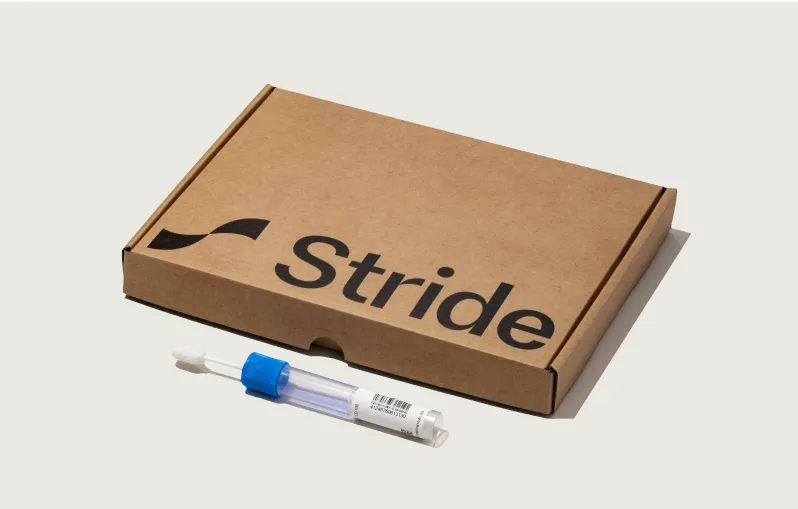




CAT Gene Test (Catalase)
The CAT gene test analyses DNA for common genetic variants in the catalase gene that can influence how efficiently your cells break down hydrogen peroxide, a reactive oxygen species that contributes to oxidative stress. Understanding your CAT status adds genetic context to antioxidant capacity so you can personalise nutrition, recovery strategies, and long-term prevention plans instead of guessing.
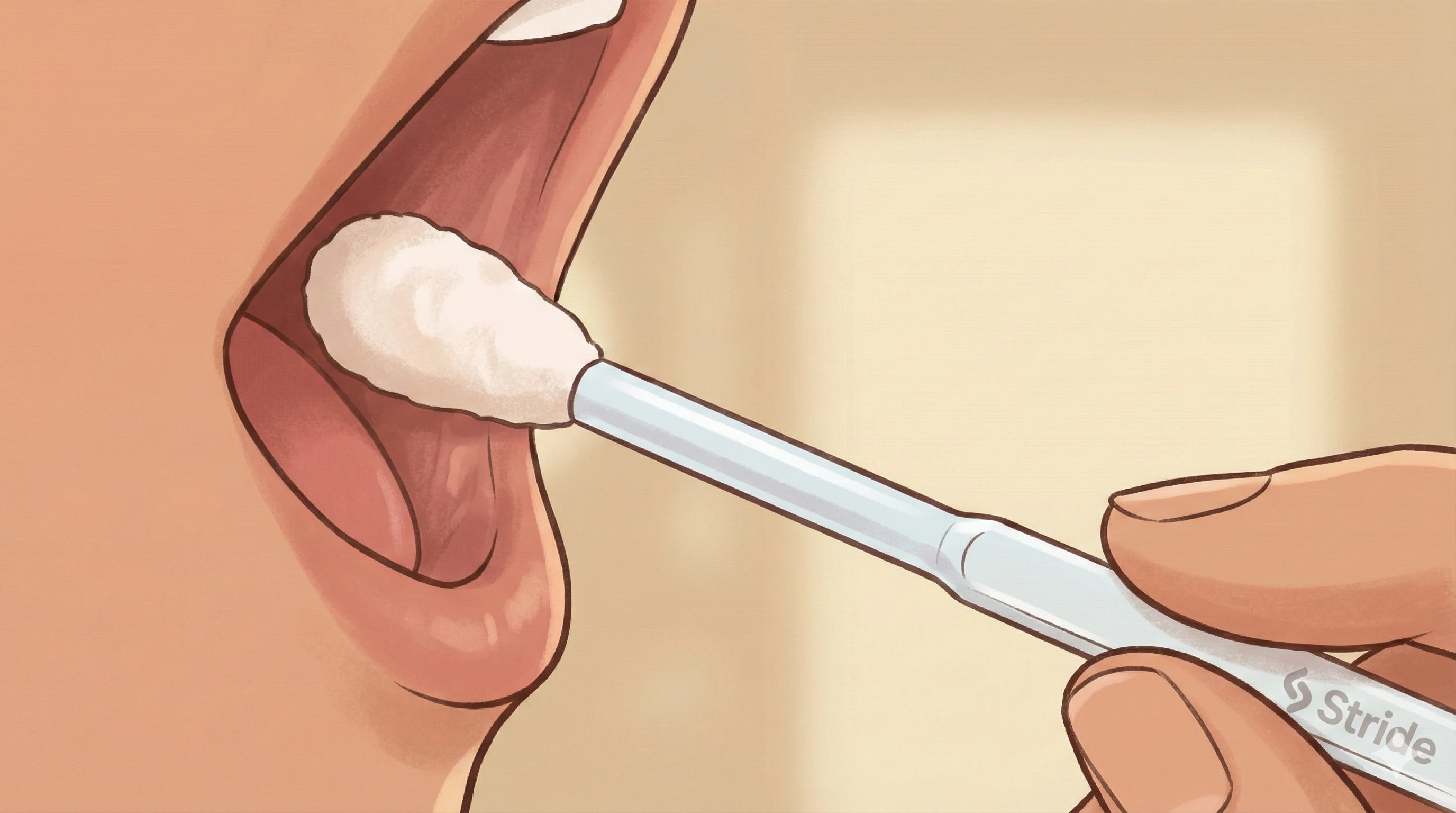

Sample type
Cheek swab, Blood sample

Collection
At-home

Often paired with
SOD2 and GPX1 variants, high-sensitivity CRP, fasting glucose and HbA1c, lipid panel, liver enzymes, uric acid

Fasting required
Not required
Key benefits of testing CAT
- Identify whether you carry CAT promoter or coding variants that may reduce catalase activity and increase reliance on other antioxidant systems to keep hydrogen peroxide within a healthy range.
- Help explain a tendency toward higher oxidative stress markers, impaired recovery, or "inflamed" blood work despite a lifestyle that appears well supported on paper.
- Inform personalised antioxidant and lifestyle strategies, from diet and supplementation choices to training load and recovery planning, especially in the context of cardiometabolic or neurodegenerative risk.
- Provide genetic context when using medications or exposures that increase oxidative load, supporting tailored monitoring and antioxidant support alongside clinical advice.
- Clarify your baseline oxidative defence capacity alongside other biomarkers, so redox and longevity strategies can be built on both genetics and real-time blood data over the long term.
What is the CAT gene?
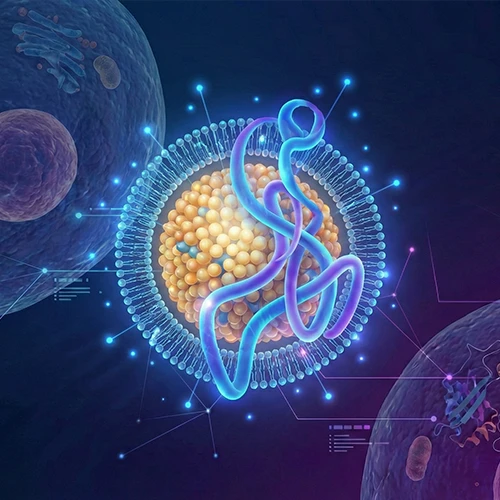
Catalase (CAT) is a key antioxidant enzyme that catalyses the breakdown of hydrogen peroxide into water and oxygen, helping protect cellular components from oxidative damage. The CAT gene provides the instructions for building this heme-containing enzyme, which is highly expressed in the liver, kidney, and red blood cells, and localised mainly in peroxisomes.
Variants in the CAT gene, particularly in promoter regions such as C-262T and A-21T, can alter catalase expression and activity, leading to subtle differences in how individuals handle oxidative stress. Rarely, severe loss-of-function mutations cause acatalasemia, a condition where catalase activity drops to less than 10 percent of normal and hydrogen peroxide can build up to damaging levels in certain tissues.
What does CAT do?
CAT sits at a central point in the antioxidant defence network by converting hydrogen peroxide, generated by normal metabolism and upstream enzymes like superoxide dismutase (SOD), into harmless water and oxygen. This reaction helps prevent hydrogen peroxide from participating in Fenton chemistry, which can produce highly reactive hydroxyl radicals that damage lipids, proteins, and DNA.
Because catalase works alongside glutathione peroxidases and other redox systems, changes in CAT activity can influence how resilient cells are to oxidative challenges such as intense exercise, chronic inflammation, hyperglycaemia, or toxin exposure. When CAT activity is reduced by genetics, low nutrient status, or high oxidative load, hydrogen peroxide can accumulate, increasing background oxidative stress and subtly influencing vascular function, insulin signalling, and tissue ageing.
Why is CAT important for health?
CAT contributes to three interconnected systems: antioxidant defence, metabolic and vascular health, and brain and tissue ageing. By controlling hydrogen peroxide levels, catalase helps stabilise redox balance, which underpins mitochondrial function, endothelial health, and cell signalling across multiple organs.
Research has explored links between CAT polymorphisms and susceptibility to oxidative-stress-related conditions such as diabetes, cardiovascular disease, certain cancers, and neurodegenerative disorders, often in combination with other genes and lifestyle factors. The real-world impact of common CAT variants is typically modest and context dependent, with risk rising when diet, sleep, physical activity, and metabolic health are not optimised.
CAT vs other oxidative stress markers
It is easy to assume that CAT testing and oxidative stress blood markers tell you the same story, but they capture different layers of your biology. CAT genotyping looks at inherited capacity for catalase activity, whereas markers such as high-sensitivity CRP, oxidised lipids, or specific oxidative damage assays reflect real-time inflammatory and redox status under current lifestyle conditions.
This distinction matters because you can carry a CAT variant associated with lower enzyme activity and still maintain balanced oxidative stress if your diet, sleep, and metabolic health are well supported. Conversely, oxidative stress markers can be elevated in people without notable CAT variants due to factors such as chronic inflammation, high blood sugar, smoking, or environmental exposures, which often respond well to targeted lifestyle and clinical support.
What factors modify the effects of CAT variants?
The influence of CAT variants is shaped more by environment and habits than by the gene alone, which means you have meaningful room to change the trajectory. Several modifiable factors can either buffer genetic effects or amplify them.
- Nutrient and antioxidant status: Adequate intake of vitamin C, vitamin E, carotenoids, polyphenols, and supportive minerals helps buffer hydrogen peroxide and other reactive species, often offsetting much of the functional impact of lower catalase activity. Diets low in whole plant foods or high in ultra-processed options tend to exacerbate redox imbalance.
- Metabolic and cardiovascular health: Hyperglycaemia, insulin resistance, central adiposity, and chronic low-grade inflammation independently raise oxidative stress. When these are present, CAT-related tendencies to lower hydrogen peroxide clearance can become more clinically relevant, particularly for vascular and retinal health.
- Co-occurring antioxidant genes: CAT acts in concert with SOD2, GPX1, GSTP1, and regulators such as NFE2L2, so the combined genetic architecture shapes overall antioxidant capacity. Interpreting CAT within a broader DNA and blood biomarker panel gives a more realistic picture than focusing on one gene in isolation.
- Lifestyle and exposures: Smoking, high alcohol intake, air pollution, and occupational exposures increase oxidative load and can make any CAT-related vulnerability more pronounced. In contrast, regular moderate exercise, good sleep, and stress management practices tend to improve redox balance over time.
- Infections and chronic conditions: Autoimmune diseases, chronic infections, and inflammatory conditions all drive ROS production. In these contexts, CAT variants may subtly influence how tissues cope with ongoing oxidative challenges and may guide more aggressive antioxidant and lifestyle support in partnership with clinicians.
- Training load and recovery: High-intensity or high-volume training increases reactive oxygen species generation in muscle and mitochondria. For someone with lower catalase activity, strategically periodised training, recovery days, and nutrient support can help translate this stress into adaptation rather than burnout.
Can you have CAT variants without symptoms?
Yes, and that is the norm. Most people with common CAT variants never experience obvious symptoms directly attributable to catalase and only discover their status through DNA or methylation panels completed for prevention, performance, or longevity.
Many experiences often associated with "oxidative stress," such as fatigue, brain fog, or achiness, are non-specific and can reflect sleep disruption, low mood, iron imbalance, thyroid issues, deconditioning, or overtraining. Severe catalase deficiency causing acatalasemia is rare and usually identified through characteristic oral lesions or incidental findings, and it is distinct from the common variants reported on consumer DNA tests.
CAT genotypes: how do common variants differ?
Common CAT genotypes mainly differ in how much they influence promoter activity and overall enzyme levels, especially under oxidative stress, and how strongly they nudge redox balance when combined with lifestyle factors. Understanding your pattern can help tailor antioxidant, nutrition, and training strategies rather than labelling you as having a "good" or "bad" genotype.
- Promoter variants with higher activity: Genotypes associated with preserved or higher CAT expression provide relatively robust basal hydrogen peroxide clearance, so oxidative stress is driven more by lifestyle, metabolic health, and co-existing conditions than by the gene itself. In this group, optimising habits usually keeps redox markers within an optimal range.
- Promoter variants with lower activity (for example C-262T T allele): These patterns can be associated with reduced catalase transcription and lower enzyme activity, particularly under stress. In the presence of poor diet, smoking, or metabolic dysfunction, this can modestly shift risk towards oxidative-stress-related complications, making proactive lifestyle and testing strategies more important.
- Compound patterns with other oxidative genes: Some individuals carry a combination of CAT variants and changes in SOD2, GPX1, or GSTP1 that together lower antioxidant capacity more noticeably. Here, a coordinated approach focusing on diet, movement, sleep, and targeted supplementation often produces meaningful biomarker shifts over time.
- Rare loss-of-function mutations: Very rare CAT mutations can cause acatalasemia with marked reductions in catalase activity and characteristic clinical features. These are usually evaluated in specialist settings and are not the focus of standard preventative health DNA panels.
How do I prepare for a CAT test?
For DNA-based CAT testing, preparation is simple because your genotype does not change day to day with meals, exercise, or sleep. The key step is selecting a panel that places CAT within a wider oxidative stress, methylation, and metabolic context, so you get practical guidance rather than a single isolated data point.
Standalone CAT genotyping using blood or saliva does not require fasting, since it analyses stable DNA rather than dynamic blood levels. If CAT is bundled with tests such as hs-CRP, glucose, lipids, or other oxidative stress markers, your clinician or testing instructions may recommend specific fasting windows or consistent collection conditions so you can track changes reliably over time.
Do I need a CAT test?
A CAT test is most valuable when the result will influence how you personalise antioxidant strategies, metabolic prevention, or training and recovery decisions as part of a broader oxidative stress and longevity plan. It is less helpful when run in isolation without access to inflammatory markers, metabolic panels, and clinical context.
- Cardiometabolic or neurodegenerative family history: If you have a strong family history of type 2 diabetes, cardiovascular disease, or neurodegenerative conditions, CAT testing alongside other oxidative and metabolic markers can add context to how proactive you may want to be with diet, movement, and supplementation.
- High oxidative load or demanding lifestyle: For people exposed to high training volumes, shift work, urban pollution, or high chronic stress, CAT status can help fine-tune antioxidant and recovery strategies and prioritise which lifestyle levers are likely to move the needle most.
- Existing inflammatory or autoimmune conditions: If you are living with chronic inflammation or autoimmune disease, CAT genotyping combined with serial biomarker tracking can guide a more personalised approach to diet, supplementation, and environmental exposures in partnership with your care team.
- Building a redox and longevity roadmap: For those investing in preventative testing, CAT genotyping alongside related genes, blood markers, and microbiome insights provides a durable piece of information that can be revisited at key life stages and during major changes in health status or medication use.
Stride tests that include CAT


Health Tests
Core DNA Methylation Test
5 reports: Methylation profile reports
From $229 $183.20
FAQs
What is the CAT gene test?
The CAT gene test analyses your DNA from blood or saliva to look for common variants in the catalase gene that can influence how efficiently you break down hydrogen peroxide and manage oxidative stress.
What does a CAT variant mean?
Common CAT variants, particularly in promoter regions, may modestly reduce catalase expression and activity, which can slightly shift your baseline antioxidant capacity and influence how sensitive you are to oxidative load when lifestyle and metabolic health are not optimised.
Do CAT variants always cause health problems?
No; most people with CAT variants never develop clear health problems driven solely by this gene, and oxidative stress markers can remain in a healthy range when diet, body composition, sleep, and inflammation are well supported.
Is CAT testing recommended for cancer or chronic disease screening?
CAT testing is not usually recommended as a standalone screen for cancer or chronic disease, because genotype alone has limited predictive power without broader clinical and lifestyle context. It is more useful as part of a multi-marker preventative or optimisation strategy.
Can CAT affect ageing or brain health?
Catalase plays a role in controlling oxidative damage that accumulates with age, and research has explored links between CAT polymorphisms and age-related or neurological conditions. In practice, overall redox balance, metabolic health, and lifestyle still drive the majority of risk and are highly modifiable.
Do I need a CAT test?
You might consider a CAT test if the results would change how you approach antioxidant support, training load, metabolic prevention, or long-term brain and cardiovascular health, especially in the context of family history, demanding lifestyles, or existing inflammatory conditions.
Do I need to fast for CAT testing?
Fasting is not required for DNA-based CAT testing, although accompanying blood tests such as glucose, lipids, inflammatory markers, or oxidative stress panels may have specific preparation instructions that are worth following for consistent tracking.
How can I optimise my health if I carry CAT variants?
Rather than trying to treat the gene, focus on building a nutrient-dense diet rich in colourful plants, supporting metabolic health through movement and strength training, protecting sleep, and working with your care team on targeted supplementation and retesting so you can see how your biomarkers respond over time.