
Menu
-
Shop All
Contact
hey@getstride.com
Stride Health Group
Stride Health Group Ltd
Company No 05158025
Lamas Road
Badersfield
Norwich
England
NR10 5FB
UK
Extra 10% Off | Enter code GIFT at checkout



Bilirubin Blood Test
A bilirubin blood test measures the level of bilirubin, a yellow pigment produced when your body breaks down old red blood cells. Bilirubin is processed by the liver and excreted in bile, so abnormal levels can signal problems with red blood cell breakdown, liver function, or bile flow well before symptoms like jaundice appear.
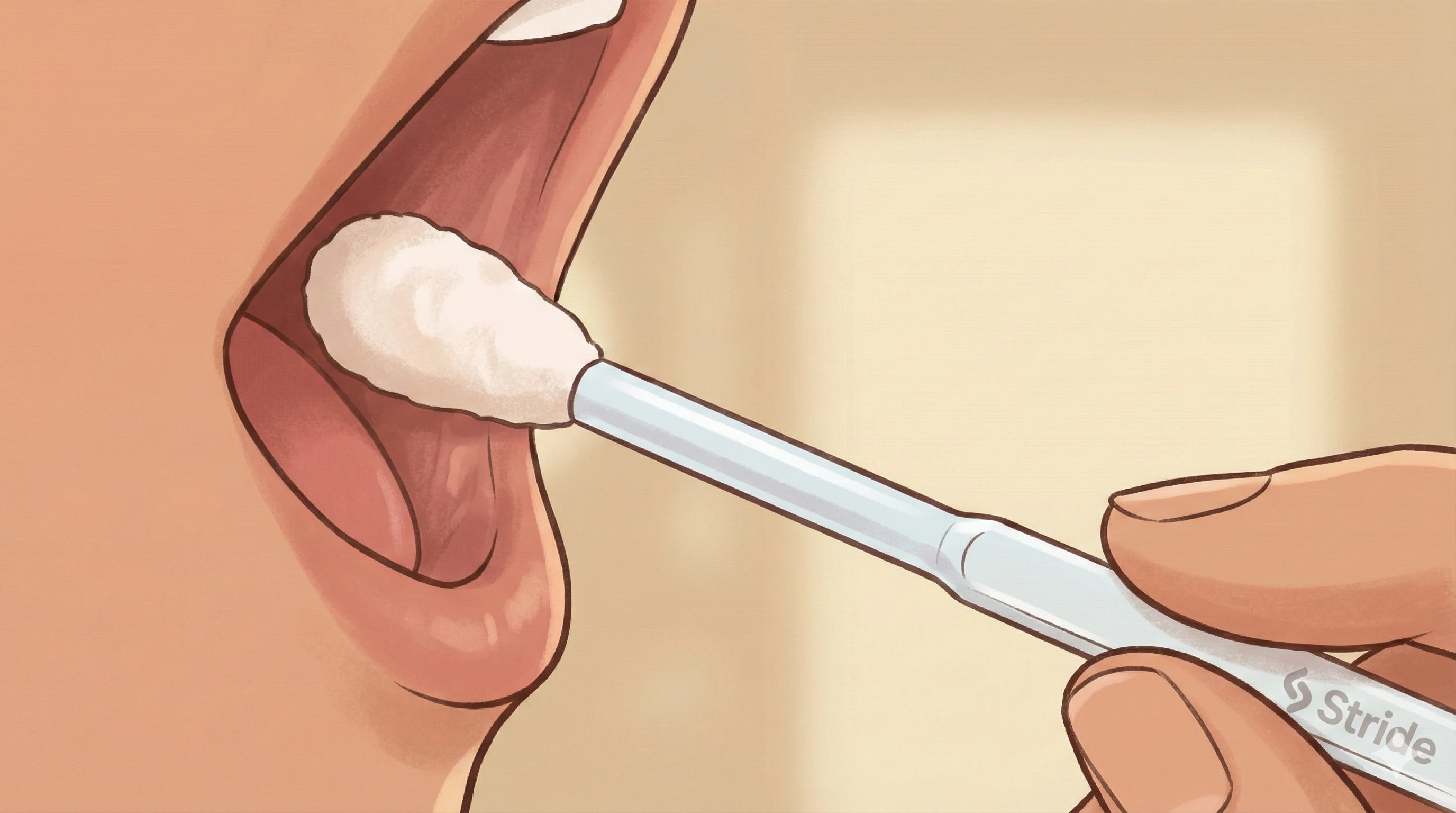

Sample type
Blood sample

Collection
At-home

Often paired with
ALT, AST, ALP, GGT, albumin, full blood count, reticulocyte count, haptoglobin, LDH, direct and indirect bilirubin fractions

Fasting required
1
Key benefits of testing bilirubin
A bilirubin blood test can help you:
- Investigate yellowing of the skin or eyes jaundice, dark urine, pale stools, or upper abdominal pain.
- Screen for and monitor liver diseases such as hepatitis, cirrhosis, and fatty liver.
- Detect bile duct problems such as gallstones or narrowing that block bile flow.
- Help diagnose conditions where red blood cells break down too quickly, such as haemolytic anaemia.
- Monitor known liver conditions and treatment over time.
What is bilirubin
Bilirubin is a yellow pigment formed when haemoglobin from old red blood cells is broken down in the spleen and other tissues. This unconjugated indirect bilirubin is:
- Not water soluble.
- Carried in the bloodstream bound to albumin to the liver.
In the liver, bilirubin is:
- Conjugated direct bilirubin by attaching it to glucuronic acid, making it water soluble.
- Secreted into bile, passes into the intestine, and is ultimately excreted in stool and, to a lesser extent, urine.
A standard bilirubin test often reports:
- Total bilirubin.
- Direct conjugated bilirubin.
- Indirect unconjugated bilirubin derived from total minus direct.
What does bilirubin do in the body
Bilirubin itself is mainly a waste product rather than a hormone or enzyme.
Key roles and features:
- It is a marker of how efficiently your body is clearing the breakdown products of red blood cells.
- At normal levels, bilirubin is harmless and contributes to the colour of bile and stool.
- When levels rise above about 2 mg/dL or roughly above 34 µmol/L, the pigment can deposit in skin and eyes, causing visible jaundice.
Because bilirubin metabolism involves red blood cells, liver cells, and bile ducts, disruptions at any point can alter blood levels.
Why is bilirubin important for liver and blood health
Bilirubin is important because:
- Raised bilirubin can signal pre hepatic problems, such as increased red blood cell breakdown haemolysis, leading mainly to raised indirect bilirubin.
- Liver diseases such as hepatitis, cirrhosis, drug injury, and inherited processing defects can impair conjugation or secretion and raise bilirubin.
- Post hepatic problems such as gallstones, bile duct strictures, or pancreatic masses can block bile flow and raise direct bilirubin.
Patterns of direct and indirect bilirubin, along with liver enzymes and blood counts, help distinguish:
- Haemolytic causes pre hepatic.
- Hepatocellular causes intra hepatic.
- Cholestatic or obstructive causes post hepatic.
Bilirubin vs ALT vs ALP vs full blood count: what is the difference
These tests focus on different parts of the system:
- Bilirubin reflects how red cell breakdown products are processed and excreted.
- ALT and AST reflect damage to liver cells hepatocytes.
- ALP and GGT reflect bile duct and cholestatic processes.
- Full blood count and reticulocyte count show how red blood cells are being produced and destroyed.
Examples of combined patterns:
- High indirect bilirubin, normal ALP and GGT, and features of haemolysis suggest pre hepatic causes like haemolytic anaemia.
- Raised direct bilirubin with high ALP and GGT suggests bile flow obstruction.
- Mixed direct and indirect bilirubin with raised ALT and AST suggests primary liver cell injury.
What factors affect bilirubin levels
Bilirubin levels are influenced by red blood cell turnover, liver function, bile flow, and genetics. Key factors include:
1. Red blood cell breakdown
- Haemolytic anaemias, sickle cell disease, large bruises or haematomas being reabsorbed can increase indirect bilirubin.
- Rapid breakdown produces more bilirubin than the liver can clear, even if the liver is healthy.
2. Liver conjugation and processing
- Hepatitis, cirrhosis, drug induced liver injury, and inherited conditions such as Gilbert syndrome or Crigler Najjar syndrome affect how bilirubin is conjugated or transported.
- Mild unconjugated bilirubin elevation with normal liver function tests is common in Gilbert syndrome and often benign.
3. Bile flow and obstruction
- Gallstones, bile duct narrowing, pancreatitis, or tumors blocking bile ducts cause conjugated bilirubin to build up in blood.
- This is often accompanied by pale stools, dark urine, and itching.
4. Medications, alcohol, and toxins
- Certain drugs, medicinal herbs, and long term alcohol use can injure liver cells or bile ducts and alter bilirubin handling.
5. Fasting and illness
- Fasting, intercurrent illness, or stress can transiently raise bilirubin in people with Gilbert syndrome.
Can bilirubin be high if I feel well
Yes. Mildly raised bilirubin is sometimes found in people who feel well, particularly in:
- Gilbert syndrome, a common inherited condition where unconjugated bilirubin is slightly higher but liver function is otherwise normal.
- Early stages of liver or bile duct disease before clear symptoms appear.
In these cases, the pattern of direct versus indirect bilirubin, other liver tests, and history guide whether this is benign or needs further workup.
Normal vs high bilirubin: what is the difference
Reference ranges vary slightly between laboratories, but for adults:
- Total bilirubin is typically up to about 21 µmol/L or around 1.2 mg/dL.
- Direct bilirubin is usually up to about 5 to 7 µmol/L or 0.3 mg/dL.
Broad interpretation:
- Mild elevation often up to about 2 times the upper limit may be seen in Gilbert syndrome, mild haemolysis, or early liver disease.
- Higher levels, especially with symptoms, suggest more significant liver, bile duct, or haemolytic problems and warrant prompt evaluation.
Do I need to fast for a bilirubin blood test
Fasting is sometimes recommended for bilirubin testing because:
- Recent food intake and certain medications can influence some components of liver tests.
- A standardised fasting sample makes results easier to interpret and compare over time.
If fasting is requested:
- You will usually avoid food and drink except water for about 8 to 12 hours before your test.
- You may be asked about or advised regarding specific medications that affect bilirubin.
How can abnormal bilirubin be managed clinician guided
Managing bilirubin is about identifying and treating the underlying cause, not just changing the number. Depending on your situation, clinician guided steps may include:
- Taking a detailed history and examination focused on liver risk factors, alcohol, medications, travel, family history, and haemolytic conditions.
- Repeating bilirubin with fractionation direct and indirect and full liver panel, plus full blood count, reticulocyte count, and haemolysis markers where needed.
- Using ultrasound or other imaging if bile duct obstruction is suspected.
- Testing for viral hepatitis, autoimmune liver disease, metabolic and genetic disorders where indicated.
- Treating underlying causes, such as gallstones, hepatitis, haemolytic anaemia, or drug induced injury, and monitoring bilirubin as part of response tracking.
Stride tests that include Bilirubin
FAQs
What is the bilirubin blood test
The bilirubin blood test measures the level of bilirubin, a yellow pigment produced when red blood cells are broken down. It helps assess liver function, bile flow, and red blood cell turnover and is a key part of investigating jaundice and abnormal liver tests.
What is a normal bilirubin level
In adults, a typical normal range for total bilirubin is from 0 to about 21 µmol/L or roughly 0.1 to 1.2 mg/dL, with direct bilirubin in a lower subrange. Your report will show the exact reference range used and where your result sits within it.
What is an optimal bilirubin level for health
Optimal bilirubin is a stable level within the normal range, without symptoms such as jaundice, itching, dark urine, or pale stools and with other liver and blood tests in healthy ranges. Some people with Gilbert syndrome have a slightly higher but stable bilirubin that is still compatible with good health.
Is bilirubin better than liver enzymes for checking liver health
Bilirubin and liver enzymes provide different information. Liver enzymes ALT, AST, ALP, GGT show cell and bile duct injury, while bilirubin reflects processing and excretion of red cell breakdown products. The most useful assessment of liver health comes from interpreting bilirubin and enzymes together, along with history and imaging where needed.
Can bilirubin be high if my liver is otherwise healthy
Yes. Conditions such as Gilbert syndrome or haemolytic anaemia can raise bilirubin when liver structure and function are otherwise normal. This is why fractionated bilirubin, full blood count, haemolysis markers, and other liver tests are needed to understand the cause of a raised result.
Do I need bilirubin testing
You may benefit from a bilirubin test if you have yellowing of the skin or eyes, dark urine, pale stools, itching, abdominal pain, suspected liver or gallbladder problems, or signs of anaemia or red cell breakdown. It is also routinely measured as part of many liver and health panels to catch early changes.
Do I need to fast for a bilirubin test
Some services ask you to fast and to avoid certain medicines before a bilirubin test, especially if it is part of a full liver or metabolic panel. If fasting is requested, you will typically avoid food and drink except water for several hours before your blood draw and follow any medication guidance provided.
How can I improve my bilirubin result
Improving bilirubin depends on the cause. It may involve treating liver or bile duct conditions, addressing haemolytic anaemia, adjusting medicines that affect the liver, moderating alcohol, and supporting healthy weight and metabolic health. As the underlying issue improves, bilirubin often moves back toward a healthier range.
Do I need a bilirubin blood test
If you want a clear view of how your liver, bile ducts, and blood are working together, or you have symptoms or risk factors for liver or haemolytic disease, discussing a bilirubin test as part of a comprehensive panel is a practical step. Within StrideOne, bilirubin is measured alongside hundreds of other biomarkers, helping you see exactly how this pigment fits into your liver health and long term risk profile.