
Menu
-
Shop All
Contact
hey@getstride.com
Stride Health Group
Stride Health Group Ltd
Company No 05158025
Lamas Road
Badersfield
Norwich
England
NR10 5FB
UK
Extra 10% Off | Enter code GIFT at checkout






BHMT Gene Test (Betaine-Homocysteine Methyltransferase)
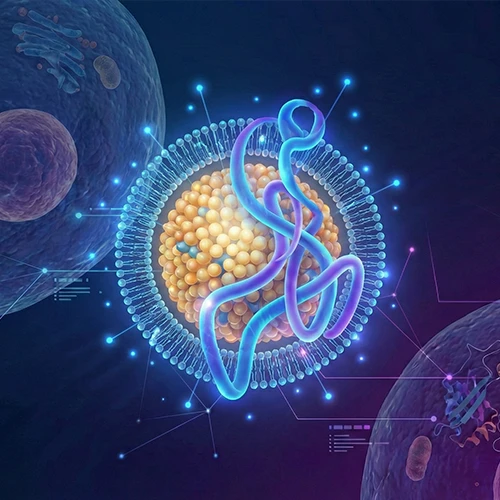
The BHMT gene test analyses DNA for variants in betaine--homocysteine methyltransferase that can alter how efficiently you remethylate homocysteine to methionine using betaine as a methyl donor, particularly in the liver and kidney. Understanding your BHMT status adds genetic context to homocysteine regulation, methylation resilience, and choline and betaine needs so you can personalise nutrition and long term cardiovascular and developmental prevention rather than relying on population averages.

Sample type
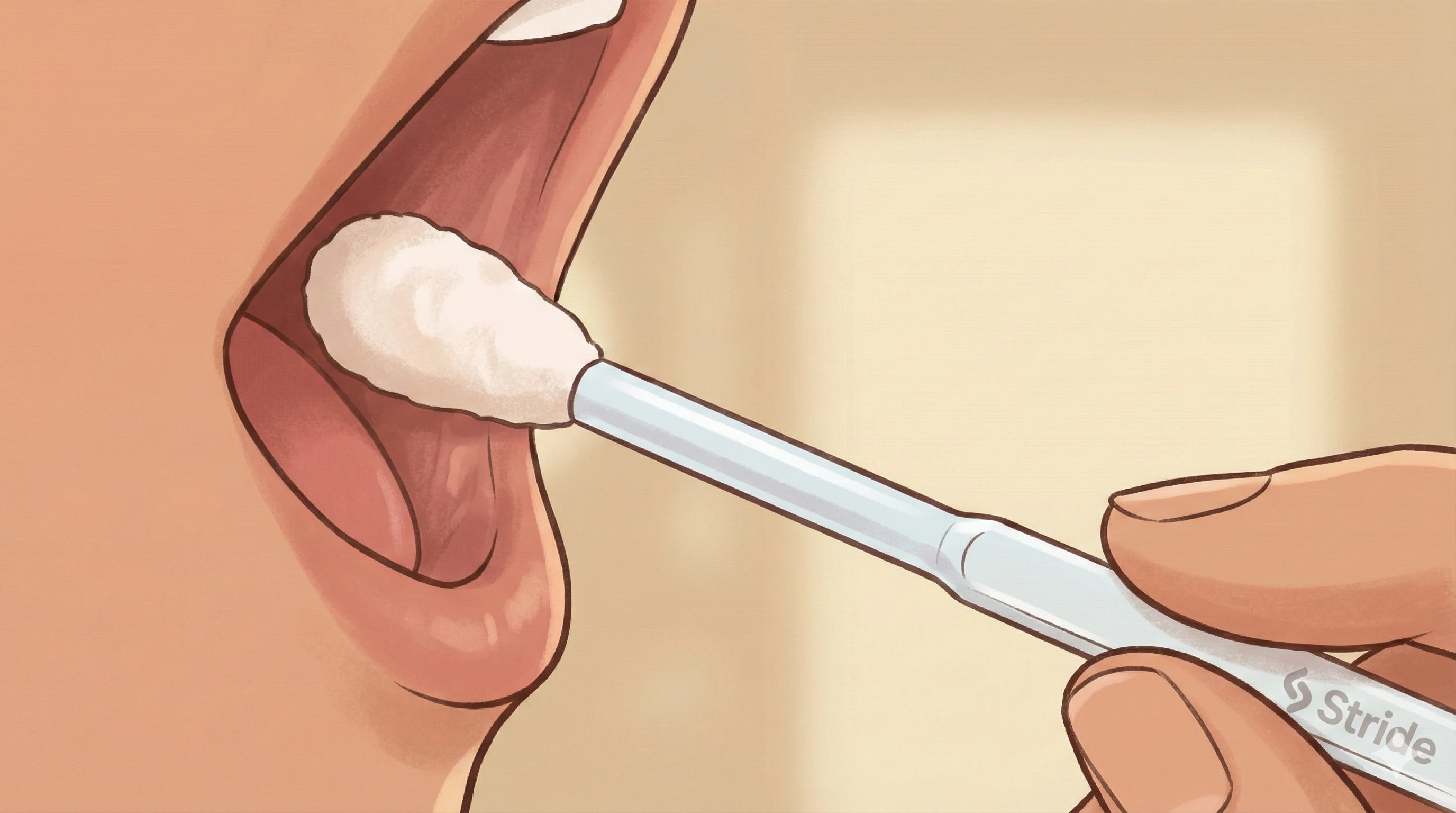
Cheek swab, Blood sample

Collection
At-home

Often paired with
MTHFR, MTR, MTRR, homocysteine, folate, vitamin B12, choline and betaine intake review, lipid and liver panels, cardiovascular risk markers

Fasting required
Not required for DNA testing; follow clinical guidance for any accompanying blood tests
What is the BHMT gene?
The BHMT gene encodes betaine--homocysteine S methyltransferase, a cytosolic zinc dependent enzyme that catalyses the transfer of a methyl group from betaine (trimethylglycine) to homocysteine, forming dimethylglycine and methionine. BHMT is expressed mainly in the liver and kidney, where it handles a substantial share of homocysteine remethylation, complementing the folate and B12 dependent methionine synthase route.
The human BHMT gene spans about 20 kilobases on chromosome 5q13.1--q15 and contains eight exons. Common BHMT polymorphisms, including 742G>A (rs3733890) and promoter variants, have been studied in relation to homocysteine levels, cardiovascular disease, neural tube and cardiac defects, and various cancers. Overall, their individual effects are modest and strongly shaped by diet, choline and betaine intake, and other methylation genes.
What does BHMT do?
BHMT catalyses one of the two major remethylation routes for homocysteine, using betaine as the methyl donor. In this reaction, betaine donates a methyl group to homocysteine to regenerate methionine, producing dimethylglycine in the process. This "short route" bypasses folate and B12, providing an alternative path to keep homocysteine controlled and sustain methionine and S adenosylmethionine production.
In the liver, BHMT is estimated to account for a substantial proportion of homocysteine remethylation capacity, especially when betaine and choline intake are adequate. When BHMT function is reduced by genetics or low betaine availability, homocysteine may rise more readily under stress, placing greater reliance on folate and B12 dependent remethylation and transsulfuration pathways to maintain balance.
Why is BHMT important for health?
BHMT contributes to three interconnected systems: homocysteine regulation, methylation capacity via methionine and S adenosylmethionine supply, and choline and betaine utilisation in the liver. These pathways influence cardiovascular risk, liver health, pregnancy outcomes, and overall methylation resilience.
Elevated homocysteine is associated with higher risk of cardiovascular disease and some pregnancy and developmental complications. BHMT variants have been studied in relation to homocysteine levels, cardiovascular markers, certain cancers, and congenital heart and neural tube defects in offspring, often in combination with maternal diet. Many studies show small, sometimes inconsistent effects, reinforcing that betaine and choline intake, folate and B12 status, kidney function, and lifestyle usually matter more than genotype alone.
BHMT vs MTR: what is the difference?
It is easy to assume that all homocysteine remethylation is driven by a single pathway, but BHMT and MTR work in parallel. MTR (methionine synthase) is a folate and B12 dependent enzyme that uses 5 methyltetrahydrofolate to remethylate homocysteine, while BHMT uses betaine as the methyl donor and operates independently of folate and B12.
This distinction matters because BHMT provides a backup and complementary route when folate or B12 are limited, and also ties methylation capacity to choline and betaine intake. A person with reduced BHMT activity may be more sensitive to low betaine and choline intake or high methylation demand, while someone with MTR or MTHFR variants may rely more heavily on BHMT to buffer homocysteine, particularly when diet supports it.
What factors modify the effects of BHMT variants?
The influence of BHMT variants is shaped more by diet, liver health, kidney function, and overall methylation demand than by the gene alone. Several modifiable factors can buffer or amplify BHMT related tendencies.
- Choline and betaine intake: Choline and betaine rich foods (such as eggs, fish, whole grains, and beetroot) provide substrate for the BHMT reaction. Low intake can make BHMT related limitations more visible, while adequate intake can help keep homocysteine under control even with modest genetic reductions in activity.
- Folate, B12, and B6 status: The folate dependent MTR route and the transsulfuration pathway rely on these B vitamins. When folate or B12 are low, the BHMT route becomes more important; when BHMT is genetically less efficient, optimising folate and B12 helps share the load.
- Liver and kidney function: Because BHMT is expressed largely in liver and kidney, conditions affecting these organs can change how effectively the enzyme works and how homocysteine is cleared. Supporting liver and kidney health often moves the needle more than genotype alone.
- Overall methylation demand and stress load: Periods of high methylation demand, such as rapid growth, pregnancy, intensive training, or chronic inflammation, increase the need for robust homocysteine recycling and methionine supply. Adequate nutrient support and recovery are key in these states, whatever your BHMT genotype.
- Other methylation genes (MTHFR, MTR, MTRR, DHFR): BHMT does not operate in isolation. Variants in other one carbon metabolism genes can shift reliance between the betaine route and folate dependent routes, meaning the combined pattern across the network gives a more accurate functional picture than any single SNP.
Can you have BHMT variants without symptoms?
Yes, and that is common. Many people with BHMT polymorphisms such as rs3733890 never develop clear homocysteine related problems, and only discover their genotype through DNA or methylation panels.
Homocysteine elevation and related symptoms, such as vascular issues or pregnancy complications, usually result from a combination of genes, diet, kidney function, lifestyle, and coexisting conditions. No single common BHMT variant by itself is sufficient to cause these outcomes, and many carriers maintain healthy homocysteine with appropriate nutrition and lifestyle support.
BHMT genotypes: how do common variants differ?
Common BHMT genotypes mainly differ in how they modulate enzyme activity or expression and how strongly they influence homocysteine and methylation under dietary and physiological stress. Understanding your pattern can help you tailor betaine, choline, and broader methylation support.
- 742G>A (rs3733890) variants: This coding polymorphism changes an amino acid (arginine to glutamine) and has been studied in relation to homocysteine levels and cancer risk. Meta analyses suggest limited impact on most cancers, with some signals for uterine cervical cancer risk modulation and context dependent effects.
- Promoter and other regulatory variants: Variants in regulatory regions may alter BHMT expression and interact with diet or pregnancy demands to influence homocysteine and developmental outcomes such as ventricular septal defects in offspring.
- Reference or "typical" genotypes: Individuals without functionally significant BHMT variants usually have full enzyme capacity, so homocysteine and methylation performance depend more on choline and betaine intake, folate and B12 status, and organ function than on BHMT itself.
How do I prepare for a BHMT test?
For DNA based BHMT testing, preparation is simple because genotype does not change day to day. The key is specifying a panel that includes key BHMT polymorphisms relevant to methylation and homocysteine handling and understanding how those results will be integrated with blood biomarkers and diet.
Standalone BHMT genotyping using blood or saliva does not require fasting, since it examines stable DNA sequence rather than current homocysteine or vitamin levels. If BHMT is bundled with tests like homocysteine, folate, B12, lipids, or glucose, your clinician or testing provider may recommend specific fasting windows or sampling times so follow up results are easier to compare.
Do I need a BHMT test?
A BHMT test is most useful when the results will influence how you and your clinician personalise homocysteine, methylation, and choline and betaine support as part of a broader prevention or treatment strategy. It is less useful when ordered in isolation without homocysteine, folate, B12, and lifestyle context.
- Persistent homocysteine elevation: If homocysteine remains high despite apparently adequate folate and B12 support, BHMT genotyping alongside MTHFR, MTR, and MTRR can clarify whether the betaine dependent route may need extra nutritional support.
- Preconception and pregnancy planning: For people planning pregnancy or with a history of homocysteine related pregnancy complications or congenital heart or neural tube defects, BHMT testing can add nuance to folate and choline strategies, alongside standard preconception recommendations.
- Cardiovascular and liver health focus: In individuals with a strong focus on cardiovascular prevention or liver health, BHMT genotyping plus homocysteine, liver function, and lipid profiles can contribute to a more personalised approach to choline, betaine, and B vitamins.
- Comprehensive methylation profiling: For those investing in full methylation and one carbon metabolism mapping, BHMT testing sits alongside MTHFR, MTR, MTRR, DHFR, and others to show how different remethylation routes balance under real world conditions.
Stride tests that include BHMT


Health Tests
Core DNA Methylation Test
5 reports: Methylation profile reports
From $229 $183.20

Health Tests
Advanced DNA & Methylation Test
29 reports: Methylation profile and nutrigenetic reports
From $349 $279.20

Health Tests
Optimal DNA & Methylation Test
46 reports: Methylation profile, nutrigenetic, fitness, sleep, stress and skin reports
From $479 $383.20
FAQs
What is the BHMT gene test?
The BHMT gene test analyses your DNA from blood or saliva to look for variants in the betaine--homocysteine methyltransferase gene that influence how efficiently you use betaine to remethylate homocysteine to methionine.
What does a BHMT variant mean?
Common BHMT variants such as rs3733890 can modestly change enzyme activity or expression and nudge homocysteine, methylation balance, or cancer and developmental risk patterns, but they do not act as a diagnosis on their own and must be interpreted with blood tests and lifestyle context.
Do BHMT variants always cause high homocysteine or disease?
No. Many people with BHMT variants maintain healthy homocysteine and good health when choline and betaine intake, folate and B12 status, kidney function, and lifestyle are well supported. Risk arises from the combination of genes, nutrition, and environment rather than the gene alone.
Can BHMT affect heart disease risk?
BHMT influences homocysteine handling, and raised homocysteine is one marker associated with cardiovascular risk. Supporting BHMT with adequate betaine and choline intake, together with folate and B12, can help keep homocysteine in a healthier range as part of a wider prevention plan.
Can BHMT affect pregnancy or baby development?
Some studies suggest that maternal BHMT variants, in combination with diet, may contribute to risk patterns for ventricular septal defects or other congenital heart defects, likely via homocysteine and methylation pathways. Building strong folate, B12, choline, and betaine status before and during early pregnancy is a key strategy for everyone, regardless of genotype.
Do I need a BHMT test?
You might consider a BHMT test if results would change how you and your clinician approach homocysteine management, choline and betaine intake, cardiovascular prevention, or preconception care, ideally as part of a comprehensive assessment rather than a single explanation for risk.
Do I need to fast for BHMT testing?
Fasting is not required for DNA based BHMT testing, although accompanying blood tests such as homocysteine, lipids, glucose, or liver markers may have specific preparation instructions to keep results consistent over time.
How can I support BHMT related pathways?
Rather than trying to "fix" the gene, focus on getting sufficient choline and betaine from food, supporting folate and B12, looking after liver and kidney health, and maintaining regular movement and sleep so your homocysteine and methylation systems can perform well over the long term, whatever your BHMT genotype.