
Menu
-
Shop All
Contact
hey@getstride.com
Stride Health Group
Stride Health Group Ltd
Company No 05158025
Lamas Road
Badersfield
Norwich
England
NR10 5FB
UK
Extra 10% Off | Enter code GIFT at checkout


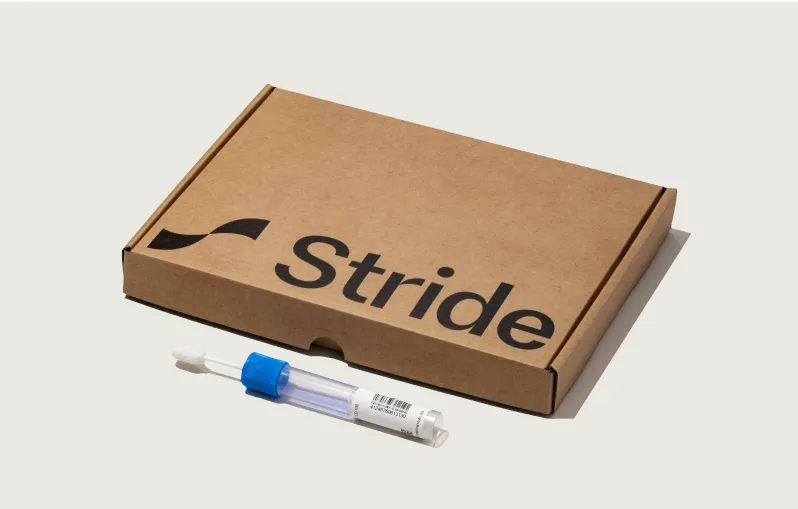





BDKRB2 Gene Test (Bradykinin Receptor B2)
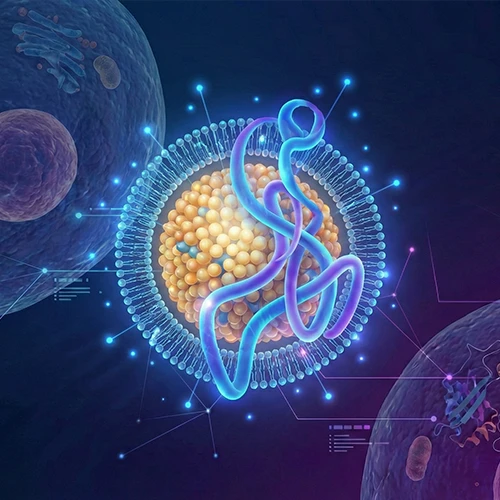
The BDKRB2 gene test analyses DNA for variants in the bradykinin receptor B2 gene that influence how strongly your blood vessels dilate, how efficiently muscles are perfused and how you handle blood pressure and metabolic stress during exercise. Understanding your BDKRB2 status adds genetic context to endurance capacity, cardiovascular health and responses to training, sodium and blood-pressure-lowering strategies.

Sample type
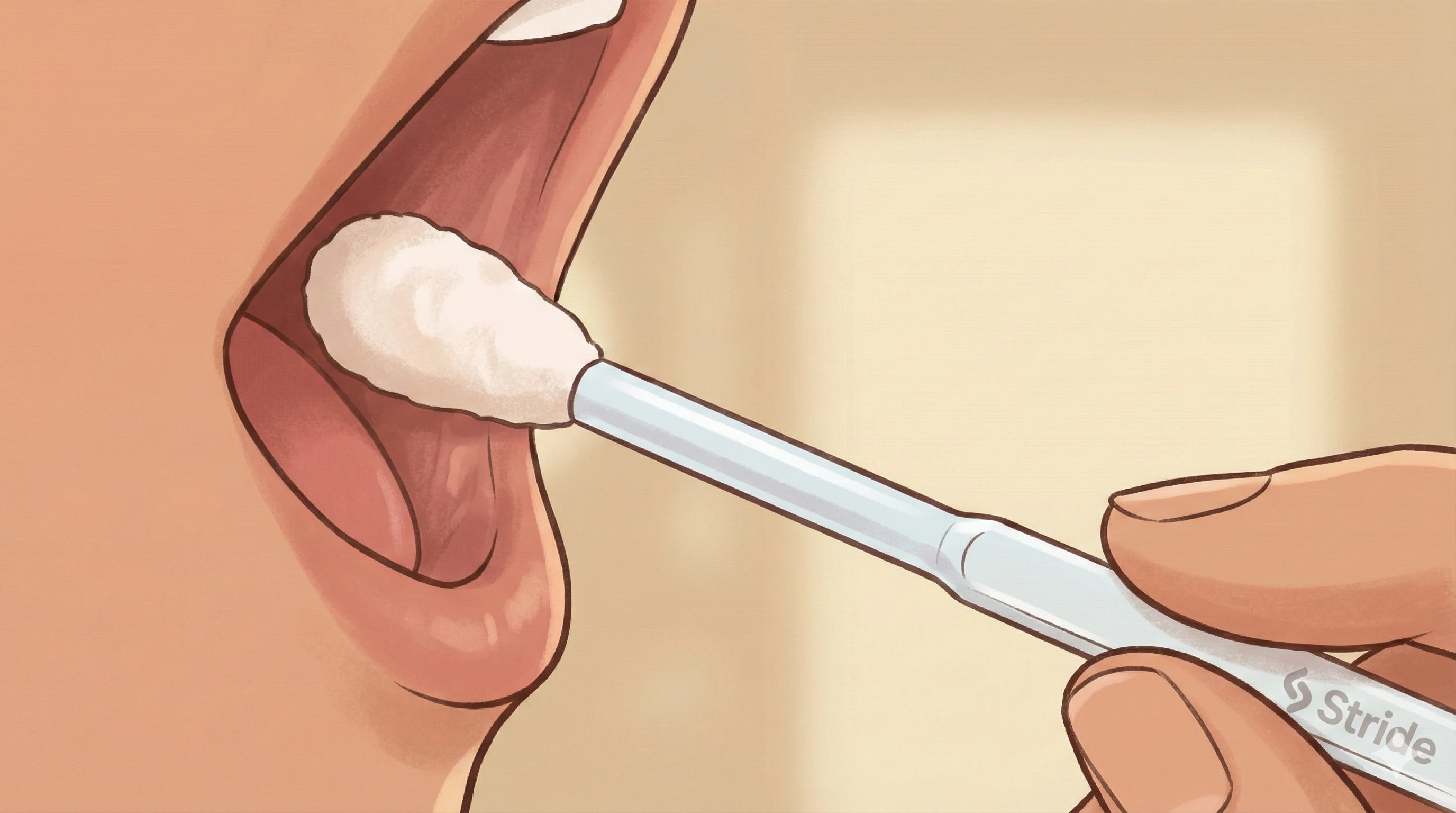
Cheek swab, Blood sample

Collection
At-home

Often paired with
Blood pressure and arterial stiffness measures, resting and exercise heart-rate and VO2max testing, lipid profile, fasting glucose and HbA1c, renal function, nitric oxide-related genes, ACE and endothelial genes, broader cardiometabolic panels

Fasting required
Not required
Key benefits of testing BDKRB2
- Identify whether you carry BDKRB2 variants such as the +9/−9 (rs5810761) polymorphism that influence receptor expression, vasodilation and skeletal‑muscle blood flow, with links to endurance performance and blood pressure patterns.
- Help explain why your blood pressure, exercise tolerance or recovery behave differently from peers with similar training and lifestyle, and why you may thrive on specific training intensities or volumes.
- Inform personalised strategies around training distribution, recovery, sodium intake, hydration and cardiovascular prevention based on your vasodilatory capacity.
- Provide context for susceptibility to hypertension, endothelial dysfunction and possibly hereditary angioedema or exaggerated edema responses in the right clinical settings.
- Clarify how your bradykinin pathway interacts with the renin--angiotensin system, nitric oxide and exercise adaptations, so performance and prevention plans can be better targeted.
What is the BDKRB2 gene?
BDKRB2 encodes the bradykinin receptor B2, a G protein‑coupled receptor that serves as the primary receptor for bradykinin, a nine‑amino‑acid peptide produced from kininogen during activation of the kallikrein--kinin system. Bradykinin is generated in response to trauma, inflammation, ischemia and exercise, among other stimuli.
The B2 receptor is constitutively expressed on endothelial cells, smooth‑muscle cells and many other tissues, where it mediates most of bradykinin's physiological actions. BDKRB2 genetic variants, including the commonly studied +9/−9 insertion/deletion, alter receptor expression and function and have been associated with blood pressure traits, endothelial reactivity and endurance performance in several cohorts.
What does BDKRB2 do?
BDKRB2 sits at a key junction of vascular regulation and exercise physiology. When bradykinin binds to B2 receptors on endothelial cells, it activates Gq/11 proteins and phospholipase C, leading to increased intracellular calcium, activation of endothelial nitric oxide synthase, and release of nitric oxide and prostacyclin. These mediators relax vascular smooth muscle, causing vasodilation and increased blood flow.
In skeletal muscle, bradykinin and B2 signalling enhance blood flow and glucose uptake during and after exercise, supporting oxygen delivery and metabolic efficiency. B2 activation also contributes to increased capillary permeability, edema and pain fibre stimulation in inflammatory states. Overexpression or underactivity of B2 receptors can shift the balance between beneficial vasodilation and problematic edema or blood‑pressure dysregulation.
Why is BDKRB2 important for health?
BDKRB2 contributes to three interconnected systems: blood pressure regulation and vascular tone, skeletal‑muscle perfusion and endurance, and inflammatory and edema responses. In the cardiovascular system, bradykinin acting through B2 receptors counterbalances vasoconstrictor pathways and supports endothelial health and nitric oxide production.
Genetic variation in BDKRB2 has been associated with differences in resting and exercise blood pressure, reflex vasodilation during training and responses to ACE inhibitors, which increase bradykinin availability. The −9 allele of the +9/−9 polymorphism has been linked in several studies to higher gene activity, greater skeletal‑muscle vasodilation and improved endurance capacity, while certain patterns may be associated with higher blood pressure in some populations. Bradykinin B2 signalling also plays a central role in hereditary angioedema and other edema‑related conditions.
BDKRB2 vs VO2max, blood pressure and nitric oxide markers
It is easy to assume that BDKRB2 genotyping, VO2max tests and blood pressure readings measure the same underlying capacity, but they capture different elements. BDKRB2 genotyping reveals inherited differences in bradykinin receptor expression and signalling potential and remains constant throughout life. It helps explain individual differences in vasodilation and some aspects of endurance adaptation.
VO2max, lactate threshold and performance tests show your current cardiovascular and muscular capacity under your present training, health and environment. Blood pressure, arterial stiffness and nitric oxide‑related markers reveal how your vascular system is functioning now. You can carry "endurance‑favourable" BDKRB2 variants but be deconditioned if you train little, and you can achieve high performance without them through structured training and lifestyle. Combining genotype with performance testing and vascular measures gives a much richer picture.
What factors modify the effects of BDKRB2 variants?
The influence of BDKRB2 variants is shaped by training, body composition, diet, endothelial health and other genetic and environmental factors. Several modifiable levers can either amplify a favourable pattern or buffer a less favourable one.
- Training volume and intensity: Regular aerobic and interval training enhance endothelial function, bradykinin responses and nitric oxide availability. Without training, genetic advantages in BDKRB2 may not translate into real‑world performance.
- Blood pressure and vascular health: Hypertension, dyslipidaemia, smoking and chronic inflammation damage the endothelium and blunt vasodilatory responses, including those mediated by bradykinin. Managing these risk factors is critical regardless of BDKRB2 genotype.
- Body composition and metabolic health: Obesity and insulin resistance impair vascular function and nitric oxide availability, potentially reducing the benefits of favourable BDKRB2 variants on exercise performance and blood pressure.
- Salt intake and kidney function: High sodium intake and impaired renal function can increase blood pressure and volume load, altering how bradykinin‑mediated vasodilation affects overall pressure and edema.
- ACE activity and medications: ACE both generates angiotensin II and degrades bradykinin. ACE inhibitors increase bradykinin levels and may interact with BDKRB2 background to influence cough risk, blood‑pressure response and vascular benefits.
- Inflammation and injury: Acute and chronic inflammatory states change bradykinin production and receptor regulation, which can shift the impact of BDKRB2 variants on edema, pain and tissue healing.
Can you have BDKRB2 variants without symptoms?
Yes. Many people with BDKRB2 variants associated with higher endurance or different blood‑pressure profiles never notice specific symptoms. In most individuals, the kinin, renin--angiotensin and nitric oxide systems work together with redundancy to maintain overall vascular balance.
BDKRB2 variants tend to shift probabilities and responses rather than determine a clear clinical picture on their own. Differences may only become evident under stress, such as heavy training, heat, high altitude, high‑salt diets or co‑existing cardiovascular risk factors.
BDKRB2 genotypes: how do common variants differ?
BDKRB2 genotypes mainly differ in regulatory polymorphisms that alter receptor expression and, in rare cases, coding variants that affect receptor structure. The best‑studied marker is the +9/−9 polymorphism in exon 1 (often referred to by rs5810761).
- +9/−9 insertion/deletion (rs5810761): The −9 allele removes a nine‑base‑pair sequence and has been linked in several studies to higher BDKRB2 expression, greater muscle blood flow, increased skeletal‑muscle metabolic efficiency and higher representation among endurance athletes. Conversely, some cohorts suggest the +9 allele may associate with slightly higher blood pressure under certain conditions.
- Other regulatory variants: Additional promoter and intronic polymorphisms can fine‑tune expression and receptor responsiveness, though their individual effects are often modest and context‑specific.
- Rare coding variants: Rare changes in the receptor's coding region can impact ligand binding or signalling and may contribute to uncommon vascular or edema phenotypes, often in combination with other genes and triggers.
- Combined vascular genotypes: BDKRB2 acts alongside ACE, eNOS and adrenergic receptors, so combined genotype patterns can be more predictive of performance and blood‑pressure phenotypes than BDKRB2 alone.
How do I prepare for a BDKRB2 test?
For DNA‑based BDKRB2 testing, preparation is simple because genotype does not change with training status, diet, medications or current blood pressure. The key step is being clear on how you will use the information, for instance to shape endurance training, cardiovascular prevention or both.
Cheek swab, saliva or blood‑based BDKRB2 genotyping does not require fasting. If you are also having blood pressure assessments, VO2max testing or blood panels on the same day, follow the preparation instructions for those tests, such as avoiding caffeine, nicotine and very intense exercise immediately beforehand and sitting quietly before blood‑pressure readings.
Do I need a BDKRB2 test?
A BDKRB2 test is most useful when the result will influence how you design training, recovery and cardiovascular prevention strategies. It is most informative when interpreted alongside performance metrics, blood pressure, vascular risk factors and other relevant genes.
- Endurance performance focus: If you are serious about endurance sports or high‑volume mixed training, BDKRB2 status can help explain how strongly you might respond to specific training patterns and how to balance intensity and volume.
- Blood pressure or vascular concerns: In the context of borderline or established hypertension, family history of cardiovascular disease or endothelial dysfunction, BDKRB2 may add nuance to how you approach salt intake, training, weight management and medication discussions.
- ACE inhibitor responses: For individuals already on ACE inhibitors or similar therapies, BDKRB2 status can provide context on bradykinin‑mediated effects such as vasodilation or cough, although treatment decisions remain clinical.
- Comprehensive performance and longevity planning: Within broader DNA and biomarker programmes, BDKRB2 anchors the bradykinin--vascular side of your endurance and cardiovascular health strategy.
Stride tests that include BDKRB2


Health Tests
Core DNA Methylation Test
5 reports: Methylation profile reports
From $229 $183.20
FAQs
What is the BDKRB2 gene test?
The BDKRB2 gene test analyses your DNA from blood or saliva to look for variants in the bradykinin receptor B2 gene that influence vasodilation, muscle blood flow and vascular responses to stress and exercise, with implications for endurance performance and cardiovascular risk.
What does a BDKRB2 variant mean?
Common BDKRB2 polymorphisms such as the +9/−9 insertion/deletion alter receptor expression and have been associated in research with differences in blood pressure, endothelial reactivity and endurance performance. The −9 allele is often linked to greater vasodilation and endurance potential, though effects depend on training and overall health.
Do BDKRB2 variants always determine blood pressure or performance?
No. BDKRB2 variants shift probabilities but do not fix outcomes. Many people with "favourable" endurance genotypes are untrained, and many high performers lack them. Similarly, blood pressure is heavily influenced by salt intake, weight, stress, medications and other genes, not just BDKRB2.
Is BDKRB2 testing used to diagnose disease?
BDKRB2 testing is not a diagnostic tool for a specific disease. It is a trait and risk marker that adds context when evaluating cardiovascular risk, blood‑pressure profiles and endurance potential, especially alongside clinical assessments and standard tests.
Do I need a BDKRB2 test?
You might consider a BDKRB2 test if you are focused on endurance or hybrid performance, have borderline or established hypertension or strong cardiovascular family history, or if you are building a detailed prevention and performance plan where vascular function is a central focus.
How can I optimise my vascular health and performance if I carry BDKRB2 variants?
Rather than trying to change the gene, focus on structured endurance and strength training, blood‑pressure management, a nutrient‑dense diet with appropriate sodium and potassium, not smoking, moderating alcohol, protecting sleep and stress balance, and tracking blood pressure, performance and cardiometabolic markers over time so you can see how consistent, targeted changes reshape your endurance capacity and cardiovascular risk profile.