
Menu
-
Shop All
Contact
hey@getstride.com
Stride Health Group
Stride Health Group Ltd
Company No 05158025
Lamas Road
Badersfield
Norwich
England
NR10 5FB
UK
Extra 10% Off | Enter code GIFT at checkout






BCMO1 Gene Test (Beta-Carotene Monooxygenase 1)
The BCMO1 gene test analyses DNA for variants in beta-carotene monooxygenase 1, the key enzyme that converts plant provitamin A carotenoids such as beta carotene into active vitamin A. Understanding your BCMO1 status adds genetic context to vitamin A status, response to plant based vitamin A, skin and immune health, and body weight regulation so you can personalise nutrition instead of guessing.

Sample type
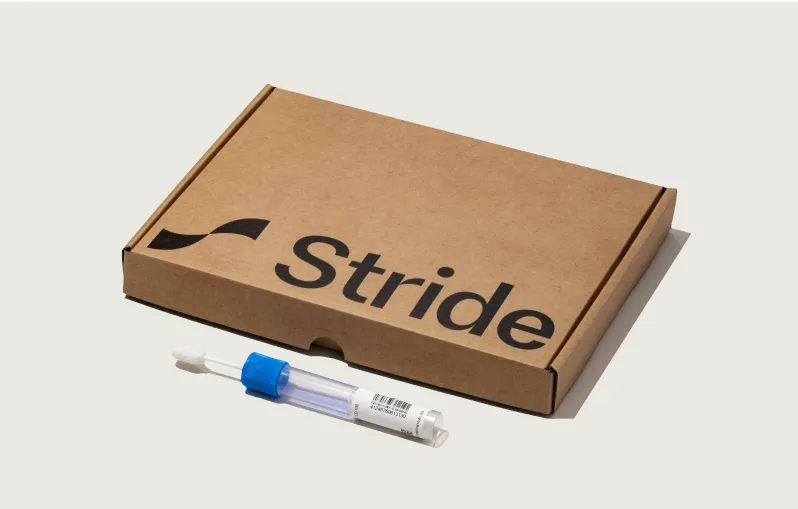
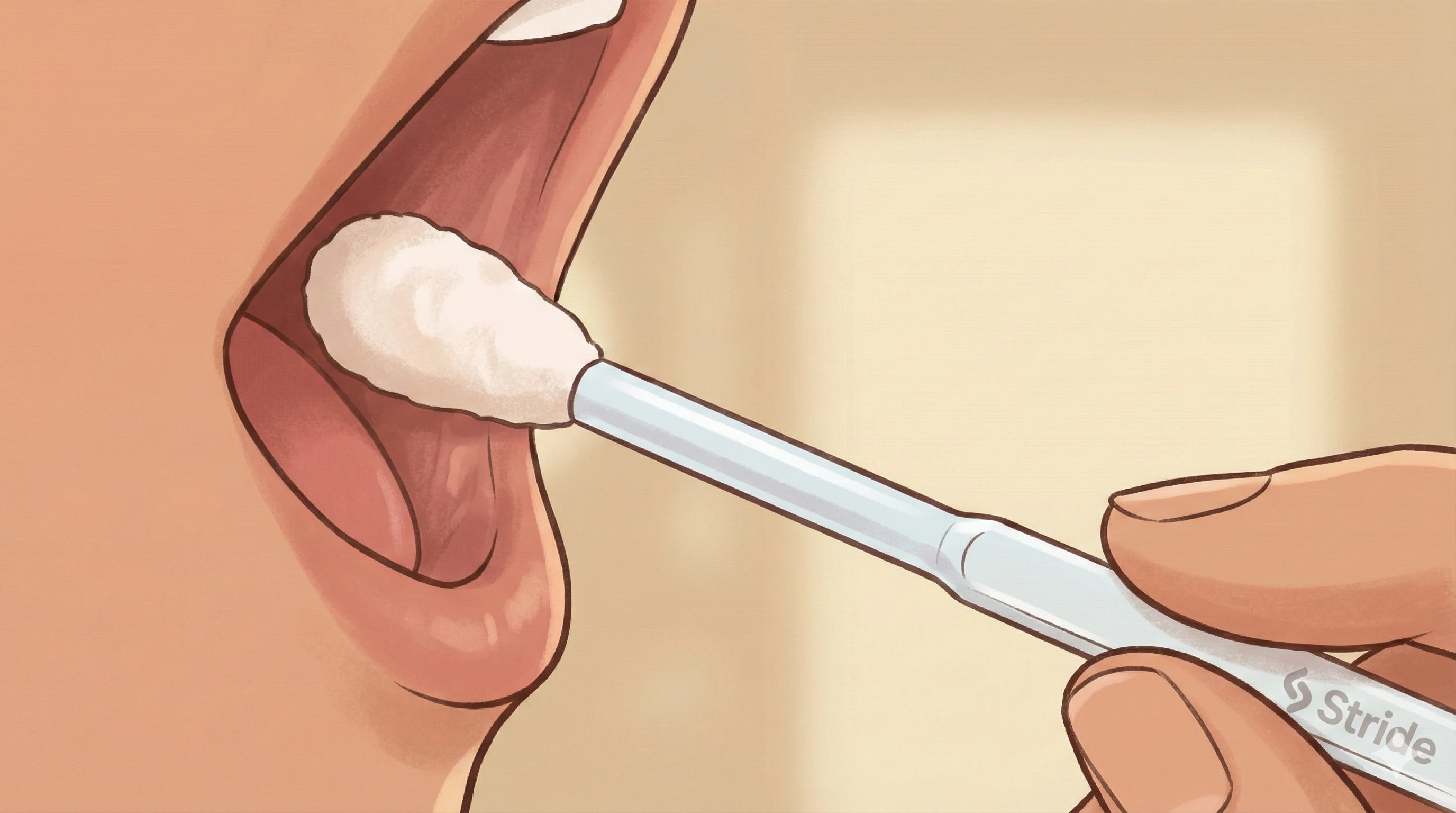
Cheek swab, Blood sample

Collection
At-home

Often paired with
Dietary intake assessment, serum vitamin A (retinol) and carotenoids, liver function tests, eye and skin health review, immune and infection history, body composition and weight trajectory

Fasting required
Not required
Key benefits of testing BCMO1
- Identify whether you carry common BCMO1 variants such as R267S (rs12934922) and A379V (rs7501331) or upstream regulatory SNPs that significantly reduce conversion of beta carotene to retinal, creating "low converter" phenotypes who get less vitamin A from plant sources.
- Help explain patterns such as high beta carotene levels but low or marginal vitamin A, dry skin, poor night vision, or immune fragility in people who rely heavily on plant based vitamin A rather than preformed retinol from animal foods or supplements.
- Add context to weight and adiposity in research and advanced prevention settings, since BCMO1 mediated production of retinoids in adipose tissue influences PPARγ activity and can affect fat storage, leptin levels, and adipocyte size in animal models.
- Inform personalised strategies around plant versus animal sources of vitamin A, carotenoid rich foods, supplement choice and dosing, and monitoring of vitamin A status, particularly for people following vegetarian or vegan dietary patterns.
- Clarify your baseline provitamin A carotenoid conversion capacity alongside diet and blood tests, so long term eye, skin, immune, and metabolic health plans can be built on both genetics and current biology.
What is the BCMO1 gene?
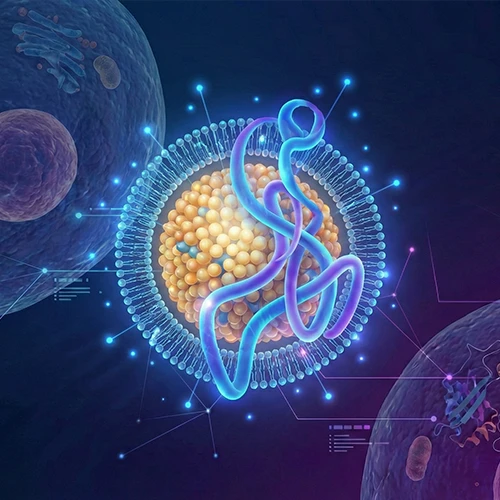
BCMO1 encodes beta‑beta carotene 15,15′‑monooxygenase 1, also known as beta carotene 15,15′‑dioxygenase or BCO1. This cytosolic enzyme centrally cleaves provitamin A carotenoids at the 15,15′ double bond to yield two molecules of all‑trans retinal, the immediate precursor of retinol and retinoic acid.
BCMO1 is expressed in the intestinal mucosa, where most dietary beta carotene is converted, and in several extraintestinal tissues including liver, adipose tissue, and others. In these tissues it supports local retinoid metabolism, which plays roles in embryogenesis, epithelial differentiation, immune regulation, and lipid metabolism. BCMO1 works alongside BCDO2, a mitochondrial carotenoid cleavage enzyme with broader substrate specificity, but BCMO1 is considered the key enzyme for converting dietary provitamin A carotenoids into vitamin A.
What does BCMO1 do?
BCMO1 catalyses oxidative cleavage of the central 15,15′ double bond of provitamin A carotenoids such as beta carotene, alpha carotene, and beta cryptoxanthin. This reaction produces two molecules of all‑trans retinal, which can then be reduced to retinol for storage and transport or oxidised to retinoic acid for nuclear receptor signalling.
In the intestine, BCMO1 activity largely determines how much vitamin A is obtained from plant carotenoids. Genetic variation, tissue regulation, and dietary factors can shift this conversion efficiency across a wide range, contributing to "high responders" and "low responders" to beta carotene. In adipose tissue, BCMO1 derived retinoids modulate PPARγ activity and the expression of lipogenic genes, influencing adipocyte differentiation and fat storage in animal models, and may participate in crosstalk between vitamin A and lipid metabolism in humans.
Why is BCMO1 important for health?
BCMO1 is central to vitamin A nutrition from plant foods and to local retinoid signalling in multiple tissues. People with reduced BCMO1 activity rely more on preformed vitamin A from animal sources or supplements to maintain adequate vitamin A status, especially when dietary beta carotene is their main source. Common nonsynonymous BCMO1 variants such as R267S and A379V and certain upstream regulatory SNPs are associated with significantly reduced catalytic activity, up to about 69 percent lower conversion in some combined genotypes, and markedly higher circulating beta carotene for a given intake.
Vitamin A is essential for vision, immune function, reproduction, and epithelial integrity. Low vitamin A can contribute to poor night vision, dry eyes and skin, impaired barrier function, and higher susceptibility to infections. At the same time, excess retinol can be toxic, so understanding whether you are a low converter of beta carotene can help balance plant based sources with safe levels of preformed vitamin A. Animal and cell studies also show that BCMO1 influences adipose tissue biology and inflammatory responses, suggesting that carotenoid and retinoid interactions in fat and lung may impact body adiposity and tissue inflammation.
BCMO1 vs other vitamin A & skin/eye markers
It is easy to assume that BCMO1 testing and blood vitamin A or carotenoid levels tell you the same story, but they capture different layers of your biology. Serum retinol and carotenoids show current status and intake; eye exams, skin assessments, and infection history show how tissues are functioning; BCMO1 genotyping reveals inherited differences in your capacity to convert provitamin A carotenoids into retinoids whenever you consume them.
This distinction matters because you can have normal vitamin A on a mixed diet but run into issues if you switch to a very plant heavy diet as a low converter, and you can carry low converter variants yet maintain good vitamin A status if you eat preformed vitamin A or supplement appropriately. BCMO1 status adds nuance to dietary planning, particularly for people relying on carotenoids for vitamin A.
What factors modify the effects of BCMO1 variants?
The influence of BCMO1 variants is shaped by diet, gut health, liver function, and overall nutrient status rather than by the gene alone, which means you have meaningful room to change the trajectory. Several modifiable factors can either buffer or amplify any genetic tendency.
- Dietary vitamin A pattern: The balance between provitamin A carotenoids (from orange, yellow, and dark green vegetables) and preformed retinol (from liver, eggs, dairy, and supplements) strongly influences whether reduced BCMO1 activity leads to low vitamin A status. Low converters who eat little or no animal‑source vitamin A are at higher risk.
- Fat intake and absorption: Vitamin A and carotenoids are fat soluble, so adequate dietary fat and healthy fat digestion and absorption are needed for uptake. Gut disorders, pancreatic insufficiency, bile acid problems, or very low fat diets can impair absorption and interact with BCMO1 variants to reduce vitamin A supply.
- Overall nutrient and antioxidant status: Zinc, protein, and other micronutrients interact with vitamin A metabolism and retinol binding, and oxidative stress can influence carotenoid stability. Broad nutrient adequacy supports retinoid biology regardless of BCMO1 genotype.
- Inflammation and liver health: Chronic inflammation and liver disease can alter retinol transport and storage. In these settings, relying heavily on beta carotene conversion may be less reliable, especially in low converter genotypes.
- Adiposity and metabolism: In obesity and metabolic dysfunction, changes in adipose tissue BCMO1 expression and carotenoid storage may modify how BCMO1 variants show up at the whole body level. Weight and metabolic health support more predictable carotenoid and retinoid handling.
Can you have BCMO1 variants without symptoms?
Yes, and this is common. Many people carry BCMO1 variants that reduce beta carotene conversion yet never develop overt vitamin A deficiency, particularly if they consume adequate preformed vitamin A from food or supplements. Low converter genotypes change efficiency rather than guaranteeing deficiency.
Conversely, individuals with apparently "normal" BCMO1 genotypes can still become vitamin A deficient if intake is inadequate, absorption is impaired, or liver function is compromised. BCMO1 status is one part of a broader vitamin A and carotenoid picture and should always be interpreted alongside diet, blood markers, and clinical context.
BCMO1 genotypes: how do common variants differ?
Common BCMO1 genotypes mainly differ at nonsynonymous coding variants and regulatory SNPs that alter enzyme activity and expression and thereby shift beta carotene conversion.
- Reference or high conversion pattern: Individuals without key low conversion variants typically show more efficient beta carotene to retinol conversion and lower circulating beta carotene for a given intake. They can usually obtain sufficient vitamin A from a mix of plant and animal sources without special adjustments beyond general guidelines.
- R267S (rs12934922) and A379V (rs7501331) low conversion variants: These coding changes reduce catalytic activity of BCMO1. In combination, such as carrying T alleles at both sites, conversion can fall by around two thirds compared with reference, leading to substantially higher circulating beta carotene and lower vitamin A yield from the same intake of provitamin A carotenoids.
- Upstream regulatory SNPs near BCMO1: Several SNPs upstream of the gene have been associated with higher circulating beta carotene and reduced BCMO1 activity, further contributing to "low responder" phenotypes. These variants fine tune expression and can act additively with coding variants.
How do I prepare for a BCMO1 test?
For DNA based BCMO1 testing, preparation is straightforward because your genotype does not change with diet or supplementation. The key step is clarifying whether you will use the result to adjust dietary vitamin A sources, supplement strategy, or monitoring plan, especially if you follow or plan a plant heavy or vegan diet.
BCMO1 genotyping from blood or saliva does not require fasting. If you are also measuring serum vitamin A, carotenoids, liver function, or other nutrients, follow the preparation instructions for those blood tests, which may include fasting and avoiding high dose supplements for a defined period beforehand.
Do I need a BCMO1 test?
A BCMO1 test is most valuable when the result will change how you approach vitamin A and carotenoid intake and monitoring. It is less helpful when ordered out of curiosity without changes in diet or follow up planned.
- Vegetarian, vegan, or plant heavy diets: If you rely heavily on plant sources of vitamin A, BCMO1 testing can clarify whether you are likely to be a low converter and may need either careful planning of intake or some preformed retinol from fortified foods or supplements.
- Borderline vitamin A status or symptoms: In people with marginal vitamin A levels, night vision issues, dry skin and mucosa, or recurrent infections, BCMO1 status can help explain why plant heavy diets are not fully correcting status and support targeted interventions.
- High carotenoid levels with unclear significance: When blood tests show very high beta carotene, BCMO1 genotyping can identify low conversion genotypes that make higher beta carotene levels expected and shift focus to retinol and clinical markers rather than worrying about carotenoid toxicity.
- Precision nutrition and longevity planning: In detailed prevention programmes, BCMO1 sits alongside other nutrient metabolism genes to refine recommendations on plant versus animal vitamin A, carotenoid emphasis, and antioxidant strategies.
Stride tests that include BCMO1


Health Tests
Core DNA Methylation Test
5 reports: Methylation profile reports
From $229 $183.20
FAQs
What is the BCMO1 gene test?
The BCMO1 gene test analyses your DNA from blood or saliva to look for variants in beta‑carotene monooxygenase 1 that influence how efficiently you convert provitamin A carotenoids such as beta carotene into active vitamin A (retinal and retinol).
What does a BCMO1 low conversion variant mean?
Carrying variants such as R267S and A379V, especially together, can significantly reduce BCMO1 enzyme activity, leading to higher circulating beta carotene and lower vitamin A yield from plant sources, so you may need more focus on preformed retinol or carefully planned carotenoid intake.
Do BCMO1 variants always cause vitamin A deficiency?
No; many low converters maintain adequate vitamin A status by eating some animal‑source vitamin A or using supplements. Deficiency risk increases when low conversion genotypes combine with low dietary retinol intake, poor absorption, or increased demands.
Is BCMO1 testing recommended for routine nutrition assessment?
BCMO1 testing is not essential for everyone, but it can be very useful in precision nutrition, in people relying heavily on plant based diets, or in those with unexplained low vitamin A status or high beta carotene despite good intake.
Can BCMO1 affect weight or inflammation?
Animal studies show that BCMO1 mediated retinoid production in adipose tissue influences PPARγ activity, adiposity, and leptin levels, and that BCMO1 deficiency can alter inflammatory responses in tissues such as lung. In humans, these effects are still being clarified but support a role for carotenoid and retinoid signalling in metabolic health.
Do I need a BCMO1 test?
You might consider a BCMO1 test if you follow or plan a vegetarian or vegan diet, have borderline vitamin A status or related symptoms, see unusually high beta carotene on blood tests, or are engaged in detailed nutrition and longevity planning where vitamin A and carotenoid handling will guide concrete dietary and supplement decisions.
Do I need to fast for BCMO1 testing?
Fasting is not required for DNA based BCMO1 testing, although any accompanying vitamin A or carotenoid blood tests often require a fasting sample and avoidance of high dose supplements for a short period so results are accurate and comparable.
How can I optimise BCMO1 related pathways?
Rather than trying to change the gene, focus on matching your vitamin A sources to your likely conversion capacity, eating a variety of carotenoid rich vegetables with adequate healthy fats, including appropriate amounts of preformed vitamin A if needed, supporting gut and liver health, and monitoring vitamin A and carotenoid status when making major dietary changes so your eyes, skin, and immune system remain well supported whatever your BCMO1 genotype.