
Menu
-
Shop All
Contact
hey@getstride.com
Stride Health Group
Stride Health Group Ltd
Company No 05158025
Lamas Road
Badersfield
Norwich
England
NR10 5FB
UK
Extra 10% Off | Enter code GIFT at checkout


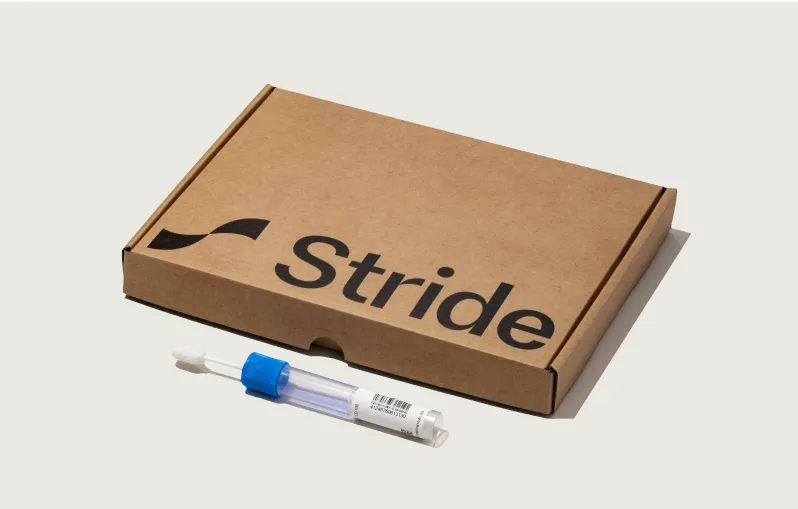





Basophils (count and %) Blood Test
A basophils blood test measures how many basophils you have in your blood, reported as both a percentage of white blood cells and an absolute count. Basophils are the rarest white blood cells, but they play a key role in allergy, parasite defence, and inflammatory signalling, so changes in basophil levels can provide early clues about immune, inflammatory, and bone marrow health.
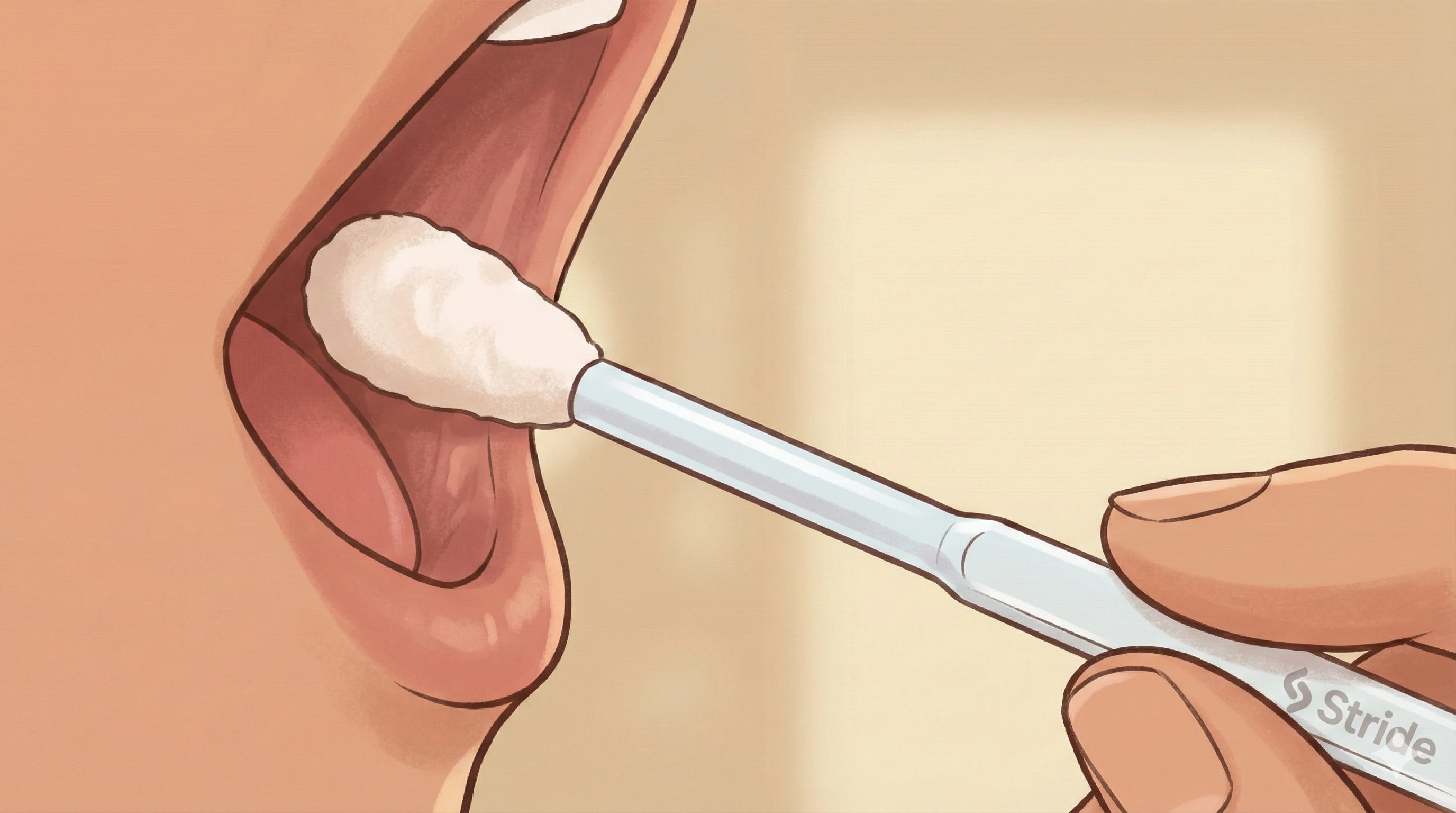

Sample type
Blood sample

Collection
At-home

Often paired with
Full blood count FBC with differential, eosinophils, neutrophils, lymphocytes, monocytes, CRP, ESR, IgE, thyroid function, liver and kidney function, iron studies, vitamin B12 and folate

Fasting required
0
Key benefits of testing basophils (count and %)
A basophils blood test can help you:
- Assess immune and allergic activity as part of a full blood count with differential.
- Detect basophilia high basophil count, which can be associated with allergies, chronic inflammation, infections, and some bone marrow disorders.
- Recognise basopenia very low basophil count in the context of acute infection, severe allergic reactions, or some immune and endocrine conditions.
- Provide supporting information when investigating rashes, itching, hives, asthma, chronic sinus issues, or unusual fatigue and weight changes.
- Guide when more detailed tests such as serum IgE, allergy testing, or bone marrow studies may be needed.
What are basophils (count and %)
Basophils are a subtype of white blood cell granulocyte produced in the bone marrow. They:
- Normally make up around 0 to 1 percent of circulating white blood cells.
- Are rich in granules containing histamine, heparin, and cytokines that are released during allergic and inflammatory reactions.
- Are measured in blood tests in two ways: Basophil percentage: the proportion of basophils among all white blood cells. Absolute basophil count: the actual number of basophils per microlitre of blood.
The absolute basophil count is often more informative than the percentage, because the percentage can shift when other white cell types change.
What do basophils do in the immune system
Basophils take part in several immune functions:
- Allergy and hypersensitivity: they bind IgE antibodies and, when triggered by allergens, release histamine and other mediators that contribute to itching, swelling, and bronchoconstriction.
- Parasite defence: they help coordinate responses against certain parasites, often alongside eosinophils.
- Inflammation and tissue repair: they release cytokines such as IL 4 and IL 13 that shape longer term immune responses and tissue repair or scarring.
Although basophils are few in number, their granules and cytokines can have outsized effects on allergic symptoms, asthma, and chronic inflammatory processes.
Why are basophils important for allergy, inflammation, and bone marrow health
Basophils matter because:
- High basophils basophilia can point toward ongoing allergic stimulation, chronic inflammatory disease, certain infections, or myeloproliferative neoplasms where the bone marrow overproduces blood cells.
- Very low basophils basopenia may be seen when basophils rapidly move into tissues during acute allergic reactions, in some infections, in hyperthyroidism, or with certain medications and chronic urticaria.
- Persistently abnormal basophil counts, especially alongside other abnormal blood cells, can be an early clue to bone marrow or systemic disease.
Basophils (count and %) vs other white cells: what is the difference
A full blood count with differential breaks down all major white cell types:
- Neutrophils fight bacterial infections and are the most numerous white cells.
- Lymphocytes coordinate immune memory and virus defence.
- Monocytes become tissue macrophages and help with cleanup and chronic inflammation.
- Eosinophils respond to parasites and allergic and eosinophilic diseases.
- Basophils are the least numerous and specialise in allergy and certain inflammatory processes.
Compared with other white cells:
- Basophil percentage is usually very low, commonly 0 to 1 percent, so small absolute changes can look large in percentage terms.
- The absolute basophil count is more reliable when assessing basophilia or basopenia than the percentage alone.
What factors affect basophil count and percentage
Basophil levels are influenced by immune activity, bone marrow function, hormones, and medications. Key factors include:
1. Allergic disease and IgE mediated conditions
- Hay fever, allergic rhinitis, asthma, eczema, food or drug allergies, and chronic urticaria can be associated with higher basophil counts or increased basophil activation.
- Acute allergic reactions can also cause basophils to migrate into tissues, sometimes lowering blood basophils temporarily.
2. Chronic inflammation and autoimmune disease
- Chronic inflammatory conditions such as inflammatory bowel disease, rheumatoid arthritis, psoriasis, and some thyroid autoimmune diseases can raise basophils as part of a broader inflammatory pattern.
3. Infections and parasites
- Certain viral and bacterial infections, and some parasitic infections, can increase basophils, often alongside eosinophilia and raised inflammatory markers.
- Other acute infections may transiently lower basophils basopenia as cells move into tissues or are used up.
4. Bone marrow and blood disorders
- Myeloproliferative neoplasms including chronic myeloid leukaemia and some other bone marrow diseases can produce marked basophilia.
- Marked and persistent basophilia, especially with other abnormal blood counts, merits specialist evaluation.
5. Hormones, stress, and medicines
- Hyperthyroidism can be associated with low basophils, while some endocrine and stress states also influence white cell patterns.
- Corticosteroids and some other medicines can lower basophils, while certain treatments or drugs may raise them.
What is a normal basophil count and percentage
Reference ranges vary between laboratories, but typical adult basophil ranges include:
- Basophil percentage: usually about 0 to 1 percent of white blood cells, with some ranges extending to 2 or 3 percent.
- Absolute basophil count: often 0 to about 0.2 × 10⁹/L or 0 to 200 cells per microlitre.
Interpretation:
- Basophilia is usually defined as an absolute basophil count above the upper reference limit in your lab.
- Basopenia is an absolute count below the lower limit often close to zero in many reports, especially if persistent and confirmed.
Because basophils are naturally rare, small technical and biological variations are common, so trends and context are crucial.
Do I need to fast for a basophils (count and %) blood test
Fasting is not usually required for a basophils test.
You may be asked to:
- Fast if your basophil count is being measured as part of a larger panel that requires fasting.
- Avoid unusual stress, infections, or new medications just before routine monitoring where possible, as they can temporarily alter white cell patterns.
How can abnormal basophil results be managed clinician guided
Managing basophil changes focuses on understanding and treating the underlying cause rather than the basophil number alone. Depending on your situation, clinician guided steps may include:
- Reviewing your history of allergies, asthma, rashes, chronic sinus or gut issues, joint symptoms, weight change, night sweats, and infections.
- Repeating the full blood count with differential to confirm the pattern and assess other white cells, red cells, and platelets.
- Checking CRP, ESR, thyroid tests, liver and kidney function, IgE, and sometimes specific autoimmune or infection markers.
- Considering serum protein electrophoresis or bone marrow evaluation if basophilia is marked and persistent or if other blood abnormalities are present.
- Optimising management of allergies, asthma, autoimmune disease, infection, or bone marrow conditions where identified.
Stride tests that include Basophils
FAQs
What is the basophils (count and %) blood test
The basophils blood test measures how many basophils you have in your blood, expressed both as a percentage of total white blood cells and as an absolute count. It is part of a full blood count with differential and helps assess allergic activity, chronic inflammation, infections, and some bone marrow conditions.
What is a normal basophil count and percentage
In most adults, basophils usually make up about 0 to 1 percent of white blood cells, with some ranges extending to 2 or 3 percent, and an absolute basophil count typically ranges from 0 to about 0.2 × 10⁹/L or up to around 200 cells per microlitre. Your lab report will show the specific reference range used.
What is an optimal basophil level for health
Optimal basophil levels are those that sit stably within the normal range for your lab and are consistent with good control of allergies, infections, and inflammatory conditions. Rather than targeting a single number, the aim is a balanced white cell profile that fits with how you feel and your broader health markers.
Is basophil percentage or absolute basophil count more important
The absolute basophil count is usually more informative, because the percentage can change when other white cell counts change even if the actual number of basophils stays similar. Both values are reported, but absolute basophil count is generally used to define basophilia or basopenia.
Can basophils be high if I only have mild allergies
Yes. Even mild or seasonal allergies can be associated with slightly higher basophil levels in some people, especially when combined with other allergic conditions such as eczema or asthma. However, significant or persistent basophilia requires careful assessment to exclude other causes, including chronic inflammation and bone marrow disorders.
Do I need a basophils (count and %) test
You are likely to have a basophils test whenever you have a full blood count with differential, which is widely used in health checks and investigations. It is particularly relevant if you have allergies, asthma, chronic rashes, recurrent infections, suspected autoimmune disease, or unexplained changes in other blood counts.
Do I need to fast for a basophil test
Fasting is not usually needed for a basophil count. If it is part of a fasting panel, you will follow the fasting instructions for that panel and basophils will be measured at the same time.
How can I improve my basophil result
Improving basophil levels involves managing the underlying drivers such as controlling allergies and asthma, treating chronic infections and inflammatory or autoimmune conditions, optimising thyroid health, and reviewing medicines that may affect your immune system. As these factors are brought under better control, basophil counts often move closer to your personal baseline.
Do I need a basophils (count and %) blood test
If you want a clearer picture of how your immune system is behaving, especially around allergies, chronic inflammation, or unexplained symptoms, discussing a full blood count with differential including basophils with your clinician is a practical step. Within StrideOne, basophil count and percentage sit alongside hundreds of other biomarkers, helping you see exactly how this small but influential white cell type fits into your immune and long term health story.