
Menu
-
Shop All
Contact
hey@getstride.com
Stride Health Group
Stride Health Group Ltd
Company No 05158025
Lamas Road
Badersfield
Norwich
England
NR10 5FB
UK
Extra 10% Off | Enter code GIFT at checkout


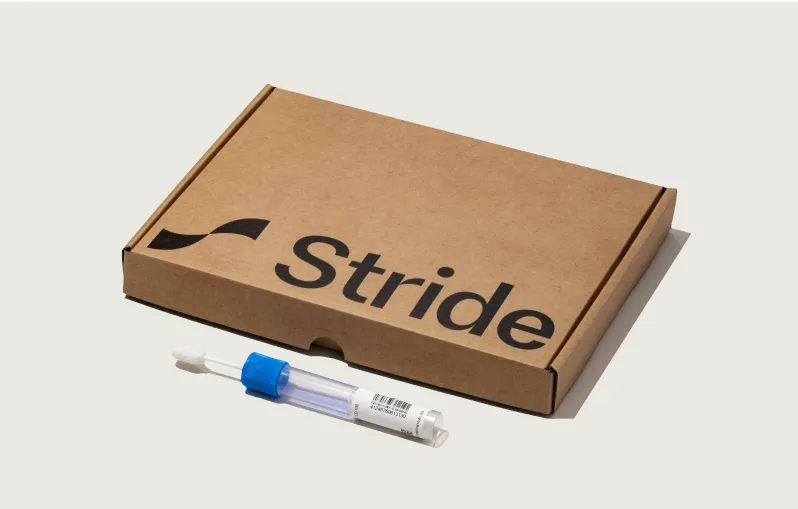





AST Blood Test (Aspartate Transferase)
Aspartate transferase AST, also called aspartate aminotransferase, is an enzyme found in your liver, heart, and muscles. An AST blood test is a core part of liver panels and is also influenced by muscle health, so raised levels can signal liver injury, heavy exercise, or muscle damage that may not yet have obvious symptoms.


Sample type
Blood sample

Collection
At-home

Often paired with
ALT, ALP, GGT, bilirubin, albumin, creatine kinase CK, LDH, full blood count, lipid panel, HbA1c, ferritin, hepatitis screens

Fasting required
Not always. AST itself does not require fasting, but you may be asked to fast if it is part of a wider metabolic or lipid panel, and to avoid very strenuous exercise and alcohol in the days before testing.
Key benefits of testing AST
An AST blood test can help you:
- Detect liver injury related to fatty liver, alcohol, viral hepatitis, medications, or toxins.
- Provide context for muscle damage from intense training, injury, or muscle disease, especially when CK is also measured.
- Monitor liver safety when you are taking medicines or supplements that can affect the liver.
- Track how lifestyle changes, weight loss, or alcohol reduction influence liver and metabolic health over time.
- Refine the picture of liver disease when interpreted with ALT, ALP, GGT, and bilirubin.
What is aspartate transferase (AST)
AST is an enzyme that helps transfer amino groups between aspartate and alpha ketoglutarate, producing oxaloacetate and glutamate. This reaction is part of amino acid metabolism and the urea and energy cycles.
Where AST is found:
- High levels in liver cells hepatocytes, heart muscle, and skeletal muscle.
- Lower levels in kidneys, brain, and red blood cells.
When these cells are damaged, AST leaks into the bloodstream, which is why AST is used as a marker of tissue injury.
What does AST do in the body
Inside cells, AST:
- Supports energy production and amino acid metabolism, especially in tissues with high metabolic demand like liver and muscle.
- Helps shuttle nitrogen between tissues as part of the malate aspartate shuttle and the urea cycle.
In blood tests, AST is not acting as a hormone but as a sign that cells containing it have been stressed or injured.
Why is AST important for liver, muscle, and long term health
AST matters because:
- Raised AST is commonly seen in liver conditions such as metabolic dysfunction associated steatotic liver disease MASLD, alcohol related liver disease, viral hepatitis, drug induced liver injury, and advanced scarring or cirrhosis.
- AST is also released from muscle, so it can rise after heavy exercise, trauma, muscle inflammation myositis, or conditions such as rhabdomyolysis.
- Persistently raised AST, especially alongside other abnormal liver or muscle markers, can signal processes that increase long term risk of liver failure, cardiovascular events, or functional limitation if not addressed.
AST vs ALT vs ALP vs CK: what is the difference
These tests reflect different tissues and processes:
- AST is present in liver and muscle, so raised levels can come from either or both.
- ALT alanine transferase is more liver specific and tends to reflect hepatocellular injury more directly.
- ALP alkaline phosphatase is more linked to bile ducts and bone turnover than to liver cells or muscle.
- CK creatine kinase is highly specific to muscle and is used to distinguish muscle driven AST rises from liver driven patterns.
Typical patterns:
- Raised AST and ALT with normal CK usually indicates liver injury.
- Raised AST and CK with relatively normal ALT suggests muscle injury or heavy exercise.
- AST higher than ALT with a raised GGT can point to alcohol related liver patterns in the right context.
What factors affect AST levels
AST is influenced by liver health, muscle status, medications, lifestyle, and acute illness. Important factors include:
1. Liver disease
- MASLD and steatohepatitis, often associated with central weight gain, insulin resistance, and raised triglycerides.
- Alcohol related liver disease, where AST may be more elevated than ALT, especially if the AST ALT ratio is greater than about 2.
- Viral hepatitis, autoimmune hepatitis, and drug or toxin induced injury, which can cause moderate to very high AST elevations.
2. Muscle injury and exercise
- Strenuous exercise, marathons, heavy resistance training, or muscle trauma can raise AST and CK for several days.
- Muscle diseases, myositis, or rhabdomyolysis can cause marked AST and CK elevation.
3. Heart and other organs
- Heart attacks and severe cardiac strain can raise AST, although more specific markers troponins are now preferred.
- Severe systemic illness, shock, or low oxygen states can raise AST through multi organ stress.
4. Medications and supplements
- Some statins, antibiotics, antifungals, anti seizure medicines, and herbal or bodybuilding supplements can injure liver or muscle and increase AST.
- Alcohol and some recreational drugs can also contribute.
5. Hemolysis and sampling issues
- Breakdown of red blood cells in or around the time of sampling can release AST and modestly raise measured levels.
Can AST be raised if I feel well
Yes. Mild to moderate AST elevation is frequently found in people who feel well.
Examples include:
- MASLD in people with central weight gain, prediabetes, or raised triglycerides but no obvious liver symptoms.
- Regular heavy exercise or recent intense workouts, particularly resistance or endurance events.
- Medication related changes picked up during routine monitoring.
This is one reason AST is included in routine panels it can highlight potential issues early, before symptoms appear.
Normal vs high AST: what is the difference
Reference ranges vary between labs, age, and sex, but commonly:
- Typical adult AST ranges are around 10 to 40 U/L or up to about 35 to 45 U/L depending on the laboratory, with slightly lower upper limits for women in some ranges.
Broad categories of elevation:
- Mild around 1 to 3 times the upper limit, often seen in fatty liver, moderate alcohol use, or after intense exercise.
- Moderate around 3 to 10 times the upper limit, as with active hepatitis, more significant liver inflammation, or substantial muscle injury.
- Marked more than 10 times the upper limit, as in acute viral hepatitis, severe toxin exposure, major ischemic events, or severe rhabdomyolysis.
Patterns over time and the combination with other markers matter more than any single number.
Do I need to fast for an AST blood test
Fasting is not usually required for AST itself. You can often have the test at any time of day.
However:
- If AST is part of a comprehensive metabolic or lipid panel, fasting may be requested for those other markers.
- You may be advised to avoid heavy exercise and alcohol for 24 to 72 hours before testing if the aim is to understand your baseline liver status without transient exercise effects.
Always follow the specific preparation guidance provided.
How can raised AST be managed (clinician guided)
Managing raised AST focuses on clarifying its source and addressing the underlying cause. Depending on your situation, clinician guided steps may include:
- Taking a detailed history of alcohol intake, medications, supplements, exercise patterns, and family liver or muscle disease.
- Repeating AST alongside ALT, GGT, ALP, bilirubin, CK, and sometimes LDH to differentiate liver from muscle patterns.
- Supporting weight loss, waist reduction, and insulin sensitivity in MASLD through tailored nutrition, movement, and sleep strategies.
- Reducing or stopping alcohol, with support where needed, if alcohol related injury is suspected.
- Reviewing and adjusting medicines or supplements that may affect the liver or muscle.
- Investigating for viral hepatitis, autoimmune liver disease, muscle disease, or inherited conditions when indicated by the pattern and history.
Stride tests that include AST
FAQs
What is the aspartate transferase (AST) blood test
The AST blood test measures the level of aspartate transferase, an enzyme found in your liver, heart, and muscles. Raised AST suggests that cells in one or more of these tissues have been damaged or stressed and is most often used as part of a liver panel to assess liver health.
What is a normal AST level
Normal AST ranges differ between laboratories but commonly fall between about 10 and 40 U/L in adults, with some ranges extending slightly lower or higher and using sex specific cut offs. Your laboratory report will show the exact reference range used and whether your result is within, slightly above, or clearly above that range.
What is an optimal AST level for health
Optimal AST is a stable result within the normal range, ideally at the lower to middle end, without a rising trend over time. The best range for you depends on your age, sex, body composition, training load, and medical conditions and is best interpreted alongside ALT, liver function, and muscle markers.
Is AST better than ALT for checking the liver
AST and ALT are most powerful together. ALT is more specific to the liver, while AST is also present in muscle and heart. Patterns such as the AST ALT ratio, and the presence or absence of muscle markers like CK, help clinicians distinguish different causes of enzyme elevation.
Can AST be high from exercise or muscle damage
Yes. Intense or prolonged exercise, muscle injury, or muscle diseases can raise AST, often together with CK and sometimes ALT. In these situations liver tests apart from AST and ALT are often normal, and AST typically falls back toward baseline after a period of rest.
Do I need an AST test
You may benefit from an AST test if you have risk factors for liver disease such as central weight gain, type 2 diabetes, high triglycerides, regular alcohol intake, or you use medicines or supplements that can affect the liver, or if you have symptoms such as fatigue, abdominal discomfort, jaundice, or unexplained muscle pain or weakness. AST is also widely included in routine health checks as part of comprehensive panels.
Do I need to fast for an AST test
Fasting is not usually necessary for AST alone. If AST is part of a fasting metabolic or lipid panel, you will follow those fasting instructions. You may also be advised to avoid very strenuous exercise and alcohol in the day or two before testing to reduce transient effects.
How can I lower a raised AST result
Lowering AST means removing sources of liver and muscle stress. Practical steps can include moderating or avoiding alcohol, improving diet quality and body composition, adjusting training load and recovery, reviewing medicines and supplements with your clinician, and treating any underlying liver, metabolic, or muscle conditions identified on further testing.
Do I need an aspartate transferase (AST) blood test
If you want to understand how your liver and muscles are coping with your current lifestyle and training, or you have existing fatty liver, raised liver enzymes, or unexplained muscle symptoms, discussing an AST test as part of a comprehensive panel is a practical step. Within StrideOne, AST is measured alongside hundreds of other biomarkers, helping you see exactly how this enzyme fits into your liver, performance, and long term health strategy.