
Menu
-
Shop All
Contact
hey@getstride.com
Stride Health Group
Stride Health Group Ltd
Company No 05158025
Lamas Road
Badersfield
Norwich
England
NR10 5FB
UK
Extra 10% Off | Enter code GIFT at checkout


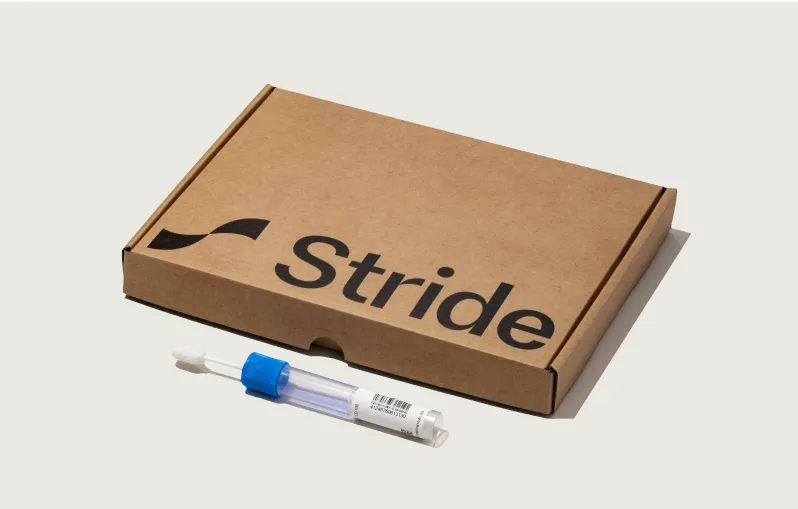






APOC3 Gene Test (Apolipoprotein C3)
The APOC3 gene test analyses DNA for variants in the apolipoprotein C3 gene that influence how your body handles triglyceride-rich lipoproteins and remnant particles. Understanding your APOC3 status adds genetic context to fasting and post-meal triglycerides, remnant lipoproteins, and cardiovascular risk so you can personalise nutrition, lipid strategy, and prevention instead of guessing.


Sample type
Cheek swab, Blood sample

Collection
At-home

Often paired with
Fasting lipids (including triglycerides, HDL, LDL, non-HDL), apolipoproteins, remnant cholesterol, liver enzymes, glucose and HbA1c, inflammatory markers, other lipid genes (APOE, APOA5, LPL)

Fasting required
Not required
Key benefits of testing APOC3
- Identify whether you carry APOC3 variants that influence apolipoprotein C3 levels and activity, including rare loss-of-function changes that lower triglycerides and cardiovascular risk, and common variants linked to higher triglycerides.
- Help explain why your triglycerides may be higher than expected for your lifestyle, or why they respond strongly or weakly to diet, weight change, or medication.
- Inform personalised strategies for fat and carbohydrate intake, meal timing, alcohol, and postprandial triglyceride management.
- Provide context for residual cardiovascular risk driven by triglyceride-rich lipoproteins and remnants, even when LDL appears well controlled.
- Clarify your baseline triglyceride-handling profile alongside lipids, inflammation, and metabolic markers, so long-term heart and metabolic health plans can be anchored to your biology.
What is the APOC3 gene?
APOC3 encodes apolipoprotein C3, a small protein component of triglyceride-rich lipoproteins, including very-low-density lipoproteins, chylomicrons, and their remnants. ApoC-III circulates on the surface of these particles and has multiple roles in triglyceride homeostasis.
It is mainly produced by the liver and intestine. APOC3 sits in a gene cluster on chromosome 11 with several other apolipoprotein genes, and both common regulatory variants and rare coding variants significantly influence plasma apoC-III levels and triglyceride concentrations.
What does APOC3 do?
APOC3 sits at a key junction in triglyceride metabolism by modulating both production and clearance of triglyceride-rich lipoproteins. ApoC-III promotes hepatic secretion of VLDL particles and inhibits the activity of lipoprotein lipase and hepatic lipase, enzymes that normally hydrolyse triglycerides in circulating lipoproteins.
By slowing lipolysis and delaying clearance of triglyceride-rich remnants, higher apoC-III levels increase fasting and postprandial triglycerides and prolong exposure of vessel walls to remnant lipoproteins. Conversely, loss-of-function APOC3 variants reduce apoC-III concentration, enhance lipolysis, lower triglycerides, and decrease remnant burden. These effects help explain why APOC3 is a focus of emerging triglyceride-lowering therapies.
Why is APOC3 important for health?
APOC3 contributes to three interconnected systems: triglyceride homeostasis, remnant lipoprotein burden, and longer-term cardiovascular and metabolic risk. Elevated apoC-III and triglyceride-rich lipoproteins are linked to higher risk of coronary artery disease, pancreatitis when very high, and features of metabolic syndrome.
Genetic studies show that people with lifelong APOC3 loss-of-function variants tend to have substantially lower triglycerides, lower post-meal triglyceride excursions, more favourable HDL patterns, and substantially reduced risk of coronary heart disease. By contrast, common APOC3 variants that raise apoC-III levels are associated with higher triglycerides and, in some cohorts, increased atherosclerotic risk, particularly when combined with insulin resistance, obesity, or other lipid disturbances.
APOC3 vs triglyceride and cholesterol blood tests
It is easy to assume that APOC3 testing and standard lipid panels give the same information, but they capture different aspects of lipid biology. APOC3 genotyping identifies inherited tendencies in apoC-III levels and function and remains stable throughout life. It helps explain why two people with similar lifestyles can have very different triglyceride patterns and responses to diet.
Standard triglyceride and cholesterol tests show your current lipid profile under your present diet, weight, alcohol intake, medications, and activity. They fluctuate with behaviour and health status. Someone with an APOC3 loss-of-function variant can still acquire unfavourable lipids through poor lifestyle, and someone with risk variants can maintain relatively good profiles with optimal behaviours. Combining genotype with serial lipid measurements provides a richer, more actionable picture.
What factors modify the effects of APOC3 variants?
The influence of APOC3 variants is strongly shaped by diet, body composition, metabolic health, and alcohol intake, which means you have real scope to change your trajectory. Several modifiable factors can either buffer genetic effects or amplify them.
- Dietary fat and carbohydrate pattern: High intake of refined carbohydrates, sugars, and excess calories increases VLDL production and triglycerides, especially when APOC3 promotes slower clearance. Diets rich in whole foods, fibre, and balanced fats support better triglyceride handling.
- Weight and visceral fat: Central adiposity and insulin resistance boost VLDL secretion and raise triglycerides. In carriers of higher-APOC3 activity variants, this can lead to particularly pronounced fasting and postprandial triglycerides.
- Alcohol intake: Alcohol increases hepatic triglyceride synthesis and VLDL secretion. In APOC3-driven slow clearance, heavy or frequent alcohol can markedly worsen triglycerides and remnant burden.
- Physical activity: Regular movement improves insulin sensitivity and enhances triglyceride clearance, partially offsetting genetically slower lipolysis and remnant removal. Sedentary behaviour magnifies APOC3-related risk.
- Co-existing lipid genes: Variants in APOA5, LPL, APOE, and other lipoprotein genes interact with APOC3. For example, combining higher-risk APOC3 and LPL variants can increase hypertriglyceridaemia susceptibility, while protective variants can partially counterbalance.
- Overall metabolic control: Glucose control, liver health, and thyroid status all influence triglycerides. Poor control across these axes adds additional load on top of any APOC3-related predisposition.
Can you have APOC3 variants without symptoms?
Yes. Many people with APOC3 risk or protective variants never notice symptoms and may only discover their genotype through DNA testing. Symptoms arise indirectly through long-term consequences of elevated or favourable triglyceride patterns, such as cardiovascular events or, at very high triglyceride levels, pancreatitis.
In day-to-day life, APOC3-related differences show up in laboratory patterns and post-meal responses rather than in feelings. Even in carriers of loss-of-function variants with cardioprotective profiles, poor lifestyle choices can erode much of the natural advantage, whereas supportive habits can compound the benefit.
APOC3 genotypes: how do common patterns differ?
APOC3 genotypes mainly differ in how they affect apoC-III levels and activity, which in turn shape triglyceride metabolism and remnant clearance. Understanding your pattern helps tailor diet, monitoring, and, where relevant, therapy choices.
- Loss-of-function or null variants: Rare APOC3 loss-of-function mutations reduce or abolish apoC-III production, leading to lower fasting and postprandial triglycerides, more favourable lipid profiles, and lower risk of coronary heart disease in genetic studies.
- Common regulatory and coding variants that raise apoC-III: These variants are associated with higher apoC-III and higher triglycerides, and in some populations with increased cardiovascular risk, particularly when combined with insulin resistance or obesity.
- Neutral or reference patterns: Individuals without notable APOC3 variants have typical apoC-III levels, but triglyceride responses still vary based on lifestyle, other genes, and metabolic context.
- Multi-gene lipid profiles: APOC3 results are often interpreted alongside APOA5, LPL, APOE, and other lipid genes for a more complete view of triglyceride and remnant lipoprotein biology.
How do I prepare for an APOC3 test?
For DNA-based APOC3 testing, preparation is straightforward because your genotype does not change with meals, exercise, or recent lipid levels. The key step is deciding how you will use the results, for example to inform triglyceride and cardiovascular strategies, or to understand why you respond a certain way to diet and medications.
Cheek swab, saliva, or blood-based APOC3 genotyping does not require fasting. If APOC3 testing is combined with fasting lipids, remnant cholesterol, or postprandial testing, follow the specific preparation instructions for those blood tests, which usually include fasting and sometimes standardised meal challenges.
Do I need an APOC3 test?
An APOC3 test is most helpful when the result will influence how you approach triglyceride management, cardiovascular prevention, or therapy choice, rather than as an isolated curiosity. It becomes particularly informative when interpreted alongside lipids, metabolic markers, and family history.
- Elevated fasting or postprandial triglycerides: If triglycerides are persistently high, or spike strongly after meals, APOC3 genotyping can help explain why and guide the intensity of diet and treatment strategies.
- Family or personal history of premature cardiovascular disease: In families with early heart attacks or strokes, especially with hypertriglyceridaemia, APOC3 and other lipid genes contribute to a more complete risk picture and can support earlier, more targeted prevention.
- Hypertriglyceridaemia or pancreatitis risk: In those with episodes of very high triglycerides or pancreatitis, APOC3 status can inform long-term strategies for triglyceride control and therapy selection.
- Comprehensive prevention and performance planning: For individuals using broad DNA and blood testing, APOC3 helps define how central triglycerides and remnants should be as a lever in their cardiometabolic and longevity plan.
Stride tests that include APOC3


Health Tests
Core DNA Methylation Test
5 reports: Methylation profile reports
From $229 $183.20
FAQs
What is the APOC3 gene test?
The APOC3 gene test analyses your DNA from blood or saliva to look for variants in the apolipoprotein C3 gene that influence apoC-III levels, triglyceride metabolism, and triglyceride-rich lipoprotein clearance, with implications for cardiovascular and metabolic risk.
What does an APOC3 variant mean?
Loss-of-function APOC3 variants are associated with lower apoC-III, lower triglycerides, and reduced risk of coronary heart disease, while other variants can raise apoC-III and triglycerides and modestly increase atherosclerotic risk, especially when combined with adverse lifestyle and metabolic profiles.
Do APOC3 variants always cause high or low triglycerides?
No. APOC3 variants shift your baseline tendency and response, but actual triglyceride levels depend heavily on diet, weight, alcohol, activity, and other genes. Protective variants can be blunted by poor lifestyle, and risk variants can be mitigated by targeted behaviours and therapies.
Is APOC3 testing used to diagnose heart disease?
APOC3 testing is not a standalone diagnostic for heart disease, but it adds useful context when evaluating triglyceride patterns, residual cardiovascular risk, or hypertriglyceridaemia, especially alongside lipid profiles, other genes, and clinical assessment.
Do I need an APOC3 test?
You might consider an APOC3 test if you have elevated or difficult-to-control triglycerides, a personal or family history of premature cardiovascular disease or severe hypertriglyceridaemia, or if you are building a detailed prevention and performance plan where triglycerides and remnants are key levers.
Do I need to fast for APOC3 testing?
Fasting is not required for DNA-based APOC3 testing. If fasting lipids or postprandial tests are done at the same time, follow the preparation guidance for those specific blood tests.
How can I optimise my health if I carry APOC3 risk variants?
Rather than trying to change the gene, focus on keeping body weight and waist in a healthy range, following a whole-food, lower-sugar diet with smart fat choices, moderating alcohol, moving regularly, supporting liver health and glucose control, and tracking triglycerides, remnants, and inflammatory markers over time so you can see how consistent, targeted changes reshape your long-term cardiovascular and metabolic risk.