
Menu
-
Shop All
Contact
hey@getstride.com
Stride Health Group
Stride Health Group Ltd
Company No 05158025
Lamas Road
Badersfield
Norwich
England
NR10 5FB
UK
Extra 10% Off | Enter code GIFT at checkout


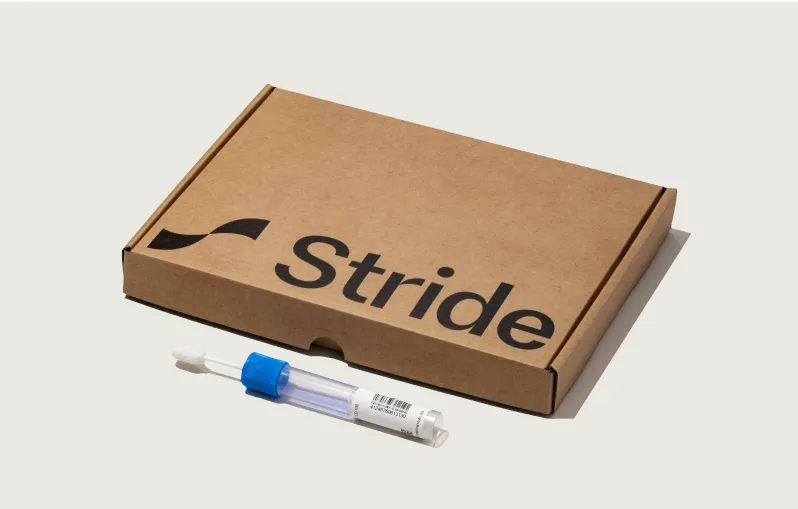





Anti-TG Blood Test (Thyroglobulin Antibodies)
Anti-TG (thyroglobulin antibodies) is a thyroid autoimmunity marker that detects antibodies directed against thyroglobulin, the protein your thyroid uses to build thyroid hormones T3 and T4. When these antibodies are raised, they can signal that your immune system is targeting thyroid tissue, often before standard thyroid hormone tests become abnormal.

Sample type
Blood sample

Collection
At-home

Often paired with
TSH, Free T4, Free T3, Anti-TPO (thyroid peroxidase antibodies), thyroid ultrasound, inflammatory markers

Fasting required
Not usually required (follow your test instructions)
Key Benefits of Testing Anti-TG
- Detects thyroid autoimmunity that can precede changes in TSH, T4 and T3
- Helps differentiate autoimmune thyroid conditions from non-autoimmune causes of thyroid dysfunction
- Supports interpretation of thyroglobulin levels in people monitored after thyroid cancer treatment
- Clarifies the picture when symptoms suggest thyroid issues but routine thyroid function tests are in range
- Informs long-term monitoring and risk of progression to underactive thyroid, especially alongside Anti-TPO
What are Anti-TG (Thyroglobulin Antibodies)?
Thyroglobulin is a storage protein inside the thyroid gland that acts as the backbone for building thyroid hormones. Anti-TG are antibodies produced by the immune system that specifically target this protein.
In a healthy thyroid, thyroglobulin stays within the gland and is not something the immune system reacts against. When anti-thyroglobulin antibodies are present, it suggests the immune system has started to recognise thyroid components as something to attack, which is the hallmark of autoimmune thyroid disease.
What does Anti-TG do in the body?
Anti-TG themselves do not perform a useful physiological role. Instead, they act as a marker that your immune system is interacting with thyroglobulin and potentially damaging thyroid tissue.
When these antibodies are present, they can contribute to inflammation in the thyroid and gradual destruction of thyroid cells over time. They can also interfere with blood tests that measure thyroglobulin, which is important in people who have had treatment for thyroid cancer and use thyroglobulin as a tumour marker.
Why are Anti-TG important for thyroid health?
Thyroid function tests like TSH and Free T4 tell you how your thyroid is performing today. Anti-TG helps reveal whether there is an underlying autoimmune process that may change thyroid function over time.
Raised Anti-TG levels are often seen in Hashimoto's thyroiditis and can also occur in Graves' disease. They can be present years before significant changes in TSH or T4, which makes them useful for prevention-focused health tracking and early detection of risk. In those monitored after thyroid cancer treatment, Anti-TG is important because it can mask or modify thyroglobulin results, changing how those results are interpreted.
Anti-TG vs Anti-TPO: What is the difference?
Anti-TG and Anti-TPO are both thyroid antibodies but they target different structures. Anti-TG target thyroglobulin, the protein scaffold used to build thyroid hormones. Anti-TPO target thyroid peroxidase, the key enzyme that helps iodine attach to thyroglobulin during hormone synthesis.
Both antibodies are frequently raised in autoimmune thyroid disease, often together. Anti-TPO tends to be more commonly positive in Hashimoto's, while Anti-TG is especially relevant when interpreting thyroglobulin results and for some patterns of autoimmune thyroiditis. Measuring both provides a more complete view of thyroid autoimmunity than either test alone.
What factors affect Anti-TG levels?
Anti-TG reflects an immune response to thyroid tissue, not day-to-day lifestyle choices alone. These are the main factors that influence levels:
Genetics and autoimmunity susceptibility
- Family history of thyroid disease or other autoimmune conditions can increase the likelihood of developing Anti-TG
- Certain genetic profiles make some people more prone to thyroid-directed immune responses
Thyroid tissue damage or exposure
- Inflammation within the thyroid, such as in Hashimoto's thyroiditis, can expose thyroglobulin to the immune system
- Thyroid surgery, radioiodine treatment or significant thyroid injury can change how much thyroglobulin the immune system sees and may influence antibody levels
Other autoimmune conditions
- People with one autoimmune diagnosis, such as type 1 diabetes, coeliac disease or autoimmune gastritis, are more likely to develop thyroid autoantibodies
- Anti-TG can be part of a broader autoimmune pattern rather than an isolated finding
Iodine intake and environmental factors
- Very high or very low iodine intake can stress the thyroid and may influence autoimmunity risk in susceptible people
- Smoking, infections, stress and hormonal shifts may modulate immune activity around the thyroid in complex ways
Time and disease course
- Anti-TG levels can rise and fall over months or years as the autoimmune process evolves
- In long-standing autoimmune disease, antibodies may gradually decrease even if thyroid function remains altered
Normal vs optimal Anti-TG levels
Laboratories provide a reference range that typically distinguishes between negative and positive Anti-TG. A result within the reference range means antibodies are not detected or are present at very low levels. A result above the cut-off is usually reported as positive, suggesting an autoimmune response against thyroglobulin.
From an optimisation perspective, the aim is generally to keep thyroid antibodies as low as possible while preserving stable thyroid function and wellbeing. The exact thresholds and implications should always be interpreted in context of TSH, Free T4, Free T3, imaging and your clinical history. What is considered acceptable or concerning can differ depending on whether you are being monitored for autoimmune thyroid disease, thyroid cancer, or general preventive health.
How is the Anti-TG test done and do I need to fast?
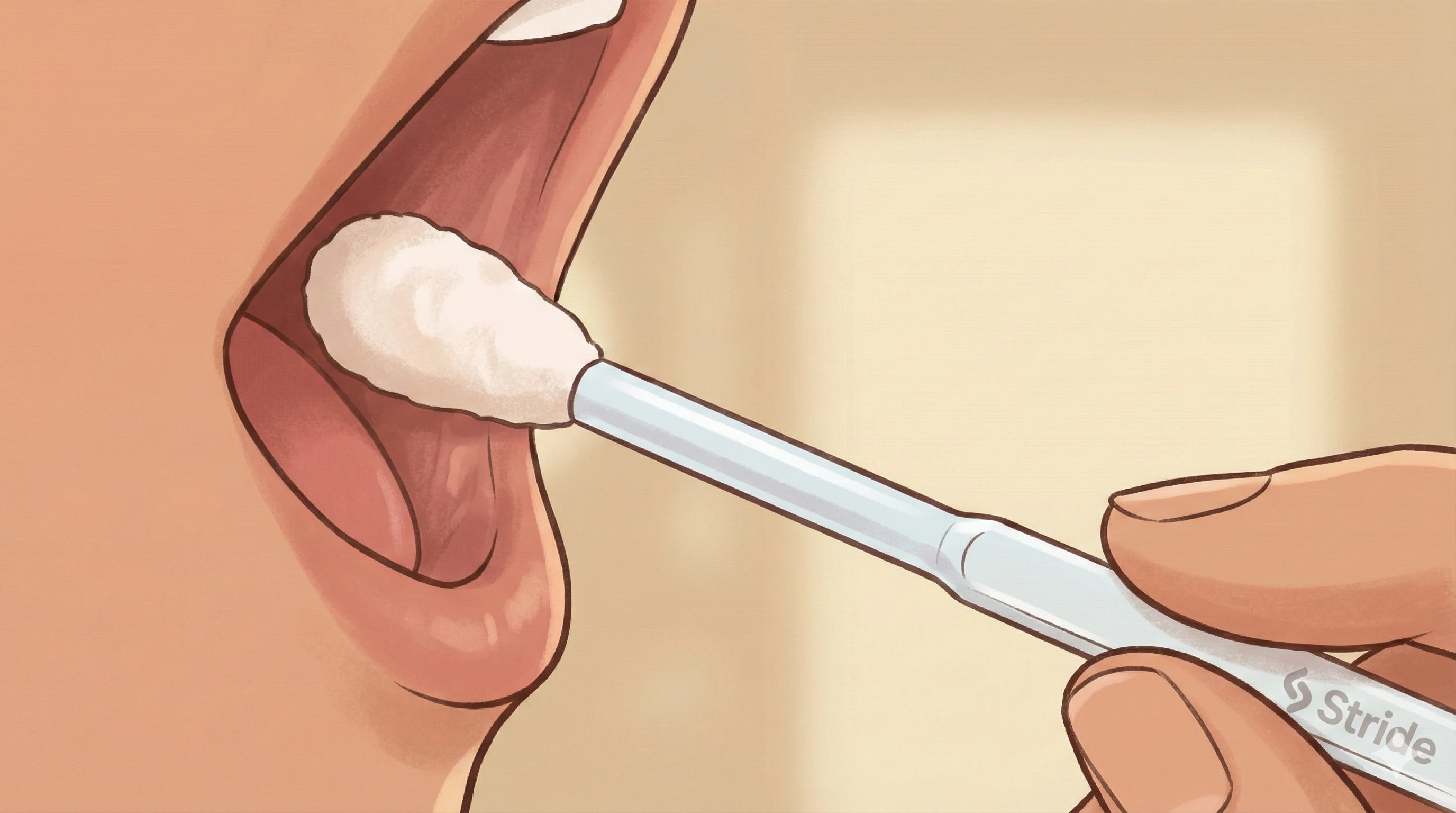
Anti-TG is measured from a standard blood sample using immunoassay methods. For most people, no special preparation or fasting is necessary. You can usually have the test at any time of day, although some clinics may bundle it with other bloods that require fasting.
If Anti-TG is being measured alongside a broader panel that includes lipids or glucose, you may be asked to fast so all markers are comparable over time. Always follow the preparation guidance provided with your specific test so your results are reliable and repeatable.
What can raise Anti-TG levels?
Anti-TG levels are primarily driven by immune system behaviour, not by one single food or habit. Potential contributors include:
- Autoimmune thyroiditis such as Hashimoto's disease or, less commonly, Graves' disease
- Thyroid injury, surgery or radioiodine therapy, especially when combined with an underlying immune tendency
- Coexisting autoimmune conditions that signal a more globally activated immune system
- Genetic susceptibility in combination with environmental triggers such as large shifts in iodine intake
Because Anti-TG is not a lifestyle marker in the same way as lipids or glucose, changes over time are best viewed as part of your broader autoimmune and thyroid story rather than a direct response to a single behaviour.
How can Anti-TG be supported over time?
There is no single protocol that reliably normalises Anti-TG for everyone, and treatment decisions should be clinician-led. In practice, the focus is usually on:
- Monitoring thyroid function (TSH, Free T4, Free T3) alongside antibodies to spot shifts early
- Addressing iodine intake so it is appropriate but not excessive, in line with professional advice
- Screening for and managing related autoimmune conditions when indicated
- Supporting overall metabolic health, sleep, stress and nutrient status so the immune system is as stable as possible
In people with clear autoimmune thyroid disease, clinicians may use thyroid hormone replacement, targeted medication or additional investigations. The goal is symptom control, stable thyroid function and reduction of long-term complications, rather than chasing a specific antibody number in isolation.
Stride tests that include Anti-TG
FAQs
What is the Anti-TG blood test?
The Anti-TG blood test measures antibodies directed against thyroglobulin, the protein your thyroid uses to build thyroid hormones, and helps identify thyroid autoimmunity.
What does a positive Anti-TG result mean?
A positive Anti-TG result means thyroglobulin antibodies are detectable, which often indicates an autoimmune process involving the thyroid, especially when combined with other thyroid or antibody changes.
Can Anti-TG be raised with normal TSH and T4?
Yes. Anti-TG can be raised even when TSH and thyroid hormones look normal, which is why it is useful in prevention-focused care to show early immune activity before overt hypothyroidism develops.
Do I need an Anti-TG test?
You might consider Anti-TG testing if you have symptoms suggestive of thyroid issues, a family history of thyroid or autoimmune disease, or if you want a more complete picture than TSH alone can provide. It is also important in some people who have had thyroid cancer or significant thyroid treatment.
Can Anti-TG levels go down?
Anti-TG levels can fluctuate over time and may decrease as the autoimmune process stabilises or as thyroid tissue is reduced after treatment. The clinical focus is usually on how you feel and how your thyroid is functioning rather than the antibody number alone.
Do I need an Anti-TG (thyroglobulin antibodies) test with Stride?
If you are curious about your thyroid and autoimmune landscape, Anti-TG as part of the Stride panels can help you see beyond basic thyroid checks. It can show whether there is immune activity around your thyroid, how that sits alongside 500 plus other biomarkers, and whether your choices are moving the needle in the right direction over time.