
Menu
-
Shop All
Contact
hey@getstride.com
Stride Health Group
Stride Health Group Ltd
Company No 05158025
Lamas Road
Badersfield
Norwich
England
NR10 5FB
UK
Extra 10% Off | Enter code GIFT at checkout


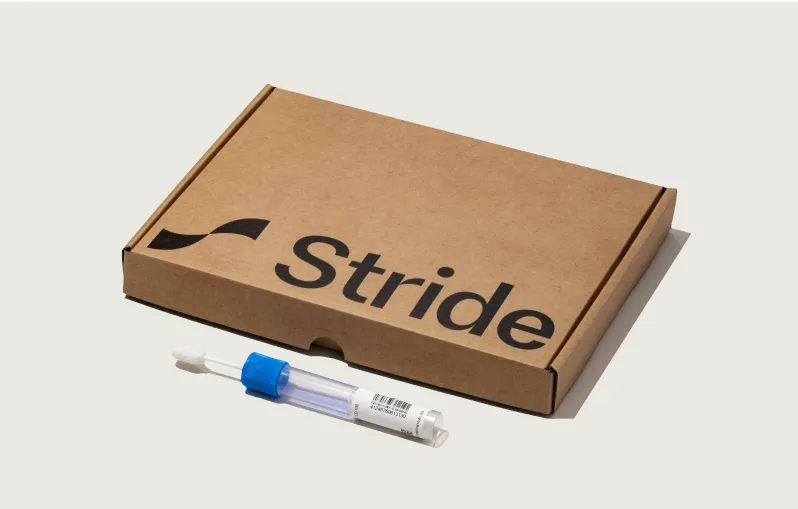






Alanine Transferase (ALT) Blood Test
Alanine transferase ALT, also called alanine aminotransferase, is an enzyme found mainly in your liver cells. An ALT blood test is one of the core liver health checks, helping to flag liver cell injury from fatty liver, alcohol, viral hepatitis, medications, and other causes, often long before you feel unwell.


Sample type
Blood sample

Collection
At-home

Often paired with
AST, GGT, alkaline phosphatase ALP, bilirubin, albumin, INR, full blood count, lipid panel, HbA1c, ferritin, hepatitis screens

Fasting required
0
Key benefits of testing ALT
An ALT blood test can help you:
- Detect silent liver injury from fatty liver, alcohol, viral hepatitis, or medications.
- Monitor liver safety when you start or change medicines that can affect the liver.
- Track how lifestyle changes such as weight loss, alcohol changes, or improved metabolic health affect liver inflammation.
- Provide context for raised lipids, blood sugar, or abdominal ultrasound findings.
- Guide when further tests imaging, autoimmune, viral, or iron studies are needed.
What is alanine transferase (ALT)
ALT is an enzyme that helps convert alanine an amino acid and alpha ketoglutarate into pyruvate and glutamate. This reaction is important in energy metabolism, especially in the liver.
Key points:
- ALT is found in highest concentrations in liver cells hepatocytes.
- Smaller amounts exist in kidneys, heart, and muscles, but liver is the main source for blood ALT.
- When liver cells are damaged, ALT leaks into the bloodstream, raising the measured level.
Because ALT is relatively liver specific compared with some other enzymes, it is a sensitive marker of liver cell injury hepatocellular damage.
What does ALT do in the body
Inside cells, ALT:
- Participates in amino acid metabolism and the glucose alanine cycle, helping match energy supply and demand between muscle and liver.
- Supports gluconeogenesis, the production of glucose from non carbohydrate sources, especially during fasting or exercise.
In blood tests, ALT does not have an active function. Instead, its level reflects how much has been released from damaged or stressed liver cells over recent days.
Why is ALT important for liver and whole body health
ALT is important because:
- Mildly or moderately raised ALT is often one of the earliest signs of metabolic dysfunction associated steatotic liver disease MASLD formerly called non alcoholic fatty liver disease, which is strongly linked to weight, insulin resistance, and cardiovascular risk.
- Higher ALT can indicate more active liver inflammation, including alcoholic liver disease, viral hepatitis, autoimmune hepatitis, drug induced liver injury, and less commonly, genetic or metabolic liver conditions.
- Long standing liver inflammation increases the risk of fibrosis and cirrhosis, which can progress for years with minimal symptoms.
ALT also has value in context:
- Combined with AST, the AST ALT ratio can suggest alcohol related patterns when AST is relatively higher.
- Combined with ALP and bilirubin, it helps distinguish predominantly hepatocellular injury from cholestatic patterns such as bile duct obstruction.
ALT vs AST vs ALP vs GGT: what is the difference
These liver related markers provide different, complementary information:
- ALT is most specific to liver cell injury. It tends to rise when hepatocytes are damaged.
- AST aspartate aminotransferase is found in liver, heart, muscle, and other tissues, so it is less specific but useful alongside ALT.
- ALP alkaline phosphatase is concentrated in bile ducts and bone. Raised ALP can suggest bile flow problems or high bone turnover.
- GGT gamma glutamyl transferase is a bile and enzyme marker that often rises with alcohol use, bile duct problems, or enzyme inducing medications.
In practice:
- Predominantly raised ALT and AST suggests hepatocellular injury.
- Predominantly raised ALP and GGT suggests cholestatic or biliary problems.
- Patterns and ratios, plus imaging and history, drive next steps.
What factors affect ALT levels
ALT is influenced by liver health, medications, lifestyle, and coexisting conditions. Important factors include:
1. Metabolic and lifestyle factors
- Excess body fat, especially around the abdomen, is a major driver of MASLD.
- Insulin resistance, type 2 diabetes, and high triglycerides frequently go hand in hand with raised ALT.
- Alcohol intake, even at levels some people consider moderate, can raise ALT in susceptible individuals.
2. Infections and inflammation
- Viral hepatitis A, B, and C are classic causes of ALT elevation.
- Autoimmune hepatitis and some systemic inflammatory conditions can also raise ALT.
3. Medications and toxins
- Paracetamol overdose, some antibiotics, statins, antifungals, anti seizure drugs, and herbal or bodybuilding supplements can all cause drug induced liver injury.
- Occupational or environmental toxins can occasionally contribute.
4. Iron and copper overload and rare genetic conditions
- Hereditary haemochromatosis iron overload and Wilson disease copper overload can cause liver injury and raised ALT.
- Alpha 1 antitrypsin deficiency, coeliac disease, and some muscle disorders can also be associated with raised ALT.
5. Exercise and muscle injury
- Very vigorous exercise or significant muscle damage can cause small transient ALT rises, usually with associated AST and muscle enzyme changes.
Can ALT be raised if I feel well
Yes. Many people with mildly or moderately raised ALT feel completely well.
Common scenarios include:
- Early or moderate MASLD in people with weight, waist circumference, or blood sugar concerns.
- Mild alcohol related liver changes in people who do not regard their intake as high.
- Slight medication related changes picked up on routine monitoring.
This silent pattern is exactly why routine health checks with liver markers are useful. It allows time to address risk factors and monitor trends before more advanced liver disease develops.
Normal vs high ALT: what is the difference
Reference ranges vary by lab, age, and sex, but typical adult ALT ranges are around:
- Men: up to about 45 to 50 U/L.
- Women: up to about 30 to 35 U/L.
Points to note:
- A single mildly raised ALT a little above the upper limit can be transient and may normalise on repeat, especially after illness, heavy exercise, or a fatty meal.
- Persistently raised ALT or levels more than about three times the upper limit usually warrant further investigation.
- In advanced cirrhosis, ALT may fall back toward normal or mildly raised, so a normal ALT does not always exclude significant chronic liver disease when other clues are present.
Do I need to fast for an ALT blood test
Fasting is not usually required for ALT specifically. You can often have the test at any time of day.
However:
- If ALT is being checked as part of a comprehensive metabolic panel, fasting may still be requested for the lipid and glucose components.
- You may be asked to avoid alcohol and very vigorous exercise shortly before sampling to reduce short term influences.
Always follow the preparation notes for your particular panel.
How can raised ALT be managed clinician guided
Managing raised ALT focuses on identifying and treating the underlying cause while supporting long term liver resilience. Depending on your situation, clinician guided steps may include:
- Reviewing alcohol intake and, if appropriate, recommending reduction or abstinence.
- Addressing weight, waist circumference, and insulin resistance through personalised nutrition, movement, and sleep strategies to improve MASLD.
- Reviewing and adjusting medications or supplements that may affect the liver.
- Testing for viral hepatitis, autoimmune liver disease, iron overload, coeliac disease, and other differentials when indicated.
- Using non invasive fibrosis tools and occasionally imaging or specialist referral to assess long term liver scarring risk.
Stride tests that include ALT
FAQs
What is the ALT alanine transferase blood test
The ALT blood test measures the level of alanine transferase, a liver enzyme, in your blood. Because ALT is mainly found in liver cells, higher levels usually mean there has been some degree of liver cell injury or stress, and the test is widely used to screen for and monitor liver disease.
What is a normal ALT level
Normal ALT ranges differ slightly between labs and by sex, but many use an upper limit around 45 to 50 U/L for men and 30 to 35 U/L for women. Your report will show the reference range used and whether your result is within, slightly above, or well above that range.
What is an optimal ALT level for health
Optimal ALT is a stable value within the normal range, ideally at the lower to mid end, without an upward trend over time. The best target for you depends on your age, sex, ethnicity, weight, metabolic health, and alcohol intake, and is best considered alongside other liver and metabolic markers rather than as a single number.
Is ALT better than AST for checking my liver
ALT is more specific to the liver than AST, so it is often given more weight when assessing liver cell injury. However, AST remains important, especially when looking at ratios and patterns that can suggest alcohol related damage, fatty liver, or other conditions. The most useful picture comes from interpreting ALT and AST together, alongside other liver tests.
Can ALT be high if I drink little or no alcohol
Yes. Alcohol is only one of many causes of raised ALT. Metabolic factors such as overweight, insulin resistance, high triglycerides, some medications, viral hepatitis, autoimmune disease, and genetic conditions can all raise ALT in people who drink very little or not at all.
Do I need an ALT test
You are likely to benefit from an ALT test if you have risk factors for fatty liver such as central weight gain, type 2 diabetes, high triglycerides, or regular alcohol intake, or if you are taking medicines that can affect the liver. It is also useful if you have unexplained fatigue, right upper abdominal discomfort, abnormal imaging, or a family history of liver disease.
Do I need to fast for an ALT test
Fasting is not usually required for ALT itself. If ALT is included in a wider panel that requires fasting, such as a lipid or metabolic panel, you will be asked to fast for those tests and ALT will simply be measured at the same time.
How can I lower a raised ALT
Lowering ALT usually means reducing liver stress. Practical steps include moderating or stopping alcohol, improving diet quality, reducing visceral fat through sustainable weight loss, increasing physical activity, checking and adjusting medications and supplements that can affect the liver, and treating any underlying viral, autoimmune, or metabolic conditions identified by your clinician.
Do I need an alanine transferase (ALT) test
If you want clear visibility on how your liver is coping with your current lifestyle, medications, and metabolic health, or you have existing fatty liver, hepatitis, or raised liver enzymes, discussing an ALT test as part of a full liver and metabolic panel is a sensible step. Within StrideOne, ALT is measured alongside hundreds of other biomarkers, helping you see exactly how liver health fits into your long term energy, weight, and disease risk strategy.