
Menu
-
Shop All
Contact
hey@getstride.com
Stride Health Group
Stride Health Group Ltd
Company No 05158025
Lamas Road
Badersfield
Norwich
England
NR10 5FB
UK
Extra 10% Off | Enter code GIFT at checkout


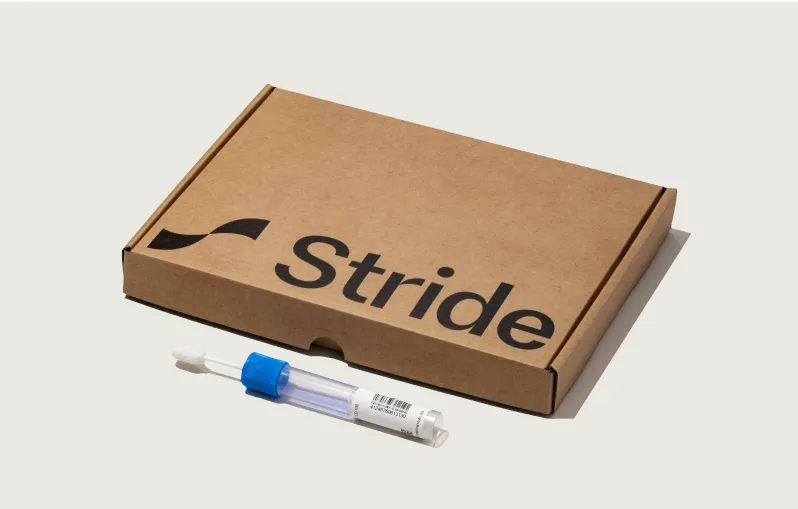





ALDOB Gene Test (Aldolase B)
The ALDOB gene test analyses DNA for variants in the aldolase B gene that control how your liver, kidney, and small intestine break down dietary fructose. Understanding your ALDOB status adds genetic context to fructose tolerance, blood sugar regulation, and liver risk so you can personalise nutrition and long-term prevention instead of guessing.


Sample type
Cheek swab, Blood sample

Collection
At-home

Often paired with
Liver enzymes, fasting glucose and HbA1c, uric acid, lactate, triglycerides, abdominal imaging or elastography, other carbohydrate metabolism and liver genes

Fasting required
Not required
Key benefits of testing ALDOB
- Identify whether you carry ALDOB variants that cause or increase risk for hereditary fructose intolerance, a condition where the body cannot safely metabolise fructose, sucrose, or sorbitol.
- Help explain otherwise unexplained nausea, vomiting, abdominal pain, or low blood sugar after eating fructose-containing foods and drinks, especially in infants and young children.
- Inform personalised nutrition strategies, including whether strict fructose and sucrose restriction is required, or whether more moderate fructose-aware patterns are most appropriate.
- Provide context for liver, kidney, and metabolic monitoring, particularly in people with raised liver enzymes, fatty liver concerns, or a family history of hereditary fructose intolerance.
- Clarify your baseline fructose-handling capacity alongside blood biomarkers and lifestyle data, so long-term nutrition and liver protection plans can be built around your biology.
What is the ALDOB gene?
ALDOB encodes aldolase B, one of three aldolase isoenzymes (A, B, and C) that catalyse key reactions in glycolysis and gluconeogenesis. While aldolase A is predominant in muscle and aldolase C in brain, aldolase B is the main isoform in adult liver, kidney, and small intestine.
Aldolase B cleaves fructose 1,6-bisphosphate in glycolysis and gluconeogenesis and, crucially, also cleaves fructose 1-phosphate in fructose metabolism. Variants that severely reduce aldolase B activity cause hereditary fructose intolerance, where fructose 1-phosphate accumulates in hepatocytes and other tissues, leading to cellular toxicity and metabolic disturbances.
What does ALDOB do?
ALDOB sits at a central junction between fructose metabolism and core glucose pathways. In glycolysis and gluconeogenesis, aldolase B catalyses the reversible cleavage of fructose 1,6-bisphosphate into glyceraldehyde 3-phosphate and dihydroxyacetone phosphate, allowing glucose to be broken down for energy or built up from precursors when needed.
In fructolysis, ALDOB acts on fructose 1-phosphate generated by ketohexokinase from dietary fructose. It splits fructose 1-phosphate into glyceraldehyde and dihydroxyacetone phosphate, which can then enter glycolysis, gluconeogenesis, glycogen synthesis, or lipid synthesis pathways. When ALDOB activity is impaired, fructose 1-phosphate builds up, trapping phosphate, impairing ATP production, and triggering downstream metabolic and organ damage.
Why is ALDOB important for health?
ALDOB contributes to three interconnected systems: fructose tolerance and carbohydrate metabolism, liver and kidney health, and broader metabolic and growth outcomes in infants and adults. With normal aldolase B function, dietary fructose is efficiently converted into usable energy and building blocks with minimal stress on the liver.
In hereditary fructose intolerance, usually due to biallelic pathogenic ALDOB variants, even modest amounts of fructose, sucrose, or sorbitol can cause hypoglycaemia, lactic acidaemia, abdominal symptoms, and progressive liver and kidney damage if not recognised. Milder or heterozygous variants may shape how well individuals tolerate high-fructose loads over time, which, together with overall diet and lifestyle, influences risk for fatty liver and metabolic disturbances.
ALDOB vs fructose breath tests and standard liver blood tests
It is easy to assume that ALDOB testing, fructose breath tests, and standard liver blood tests provide similar information, but they answer different questions. ALDOB genotyping shows whether you carry inherited variants that disrupt aldolase B structure or function and therefore alter the fundamental ability of your liver and intestine to metabolise fructose 1-phosphate.
By contrast, hydrogen or methane breath tests assess carbohydrate malabsorption and fermentation in the gut, not enzyme activity inside liver cells. Liver enzymes, bilirubin, clotting factors, and imaging show current organ health and injury but cannot distinguish hereditary fructose intolerance from other causes of liver disease without additional context. Together, ALDOB status, clinical history, and functional tests provide a much clearer picture than any single test alone.
What factors modify the effects of ALDOB variants?
The influence of ALDOB variants is shaped by diet, age at exposure, overall liver health, and co-existing metabolic and genetic factors. Several modifiable elements can either buffer genetic effects or amplify them.
- Fructose, sucrose, and sorbitol intake: In hereditary fructose intolerance, strict avoidance of fructose, sucrose, and sorbitol is essential to prevent acute symptoms and long-term liver and kidney damage. In milder contexts, high-fructose diets can exacerbate fatty liver and metabolic strain.
- Age and developmental stage: Infants typically present with hereditary fructose intolerance when fructose or sucrose containing solids, formula, or medications are introduced. Early recognition and dietary management dramatically improve outcomes and growth.
- Overall liver health: Alcohol intake, obesity, viral hepatitis, and other causes of liver stress can compound the consequences of impaired fructose metabolism. Protecting liver health is especially important in carriers of pathogenic ALDOB variants.
- Total sugar and energy load: Even with normal ALDOB, very high sugar intake, especially from sugary drinks and processed foods, contributes to fatty liver, uric acid elevation, and metabolic disturbances. In people with ALDOB-related vulnerability, this burden is magnified.
- Co-existing metabolic genes and pathways: Variants in other carbohydrate and lipid metabolism genes, and in uric acid handling pathways, can interact with ALDOB status to shape real-world risk. A whole-system view is more informative than ALDOB alone.
- Nutrient density and overall diet pattern: Diets rich in whole foods, fibre, and balanced macronutrients support liver resilience, whereas patterns dominated by processed foods and sweetened drinks increase strain on fructose metabolism and liver function.
Can you have ALDOB variants without symptoms?
Yes. Many people carry single or even mild ALDOB variants without evident symptoms, especially if overall fructose exposure is modest and liver health is otherwise good. Heterozygous carriers of hereditary fructose intolerance variants usually do not develop the condition.
Even some individuals with hereditary fructose intolerance may appear well between exposures if their diet unintentionally avoids fructose and sucrose. However, repeated or heavy exposure in the presence of pathogenic variants can lead to serious consequences, particularly in early life, including poor growth, recurrent vomiting, and progressive liver damage if not addressed.
ALDOB genotypes: how do common variants differ?
Common ALDOB genotypes primarily differ in whether aldolase B function is normal, partially reduced, or severely impaired. Understanding your pattern can help guide decisions about fructose intake and clinical monitoring rather than framing sugar tolerance in simplistic terms.
- Normal or reference pattern: Individuals without known pathogenic variants typically have full aldolase B activity, though overall fructose tolerance still depends on diet, liver health, and broader metabolic status.
- Heterozygous carriers of pathogenic variants: Carrying one pathogenic ALDOB variant generally maintains sufficient aldolase B activity to prevent hereditary fructose intolerance, but can still be important for family planning and may modestly shape tolerance to very high fructose loads in some contexts.
- Biallelic pathogenic variants (hereditary fructose intolerance): Two disease-causing variants, either identical or compound heterozygous, result in markedly reduced aldolase B function. This causes toxic accumulation of fructose 1-phosphate when fructose, sucrose, or sorbitol are ingested, and defines hereditary fructose intolerance.
- Other missense and regulatory variants: Some variants may subtly influence enzyme stability, substrate handling, or expression, with potential small effects on fructose metabolism. Their clinical significance is usually interpreted in the context of symptoms, biochemical findings, and other genetic data.
How do I prepare for an ALDOB test?
For DNA-based ALDOB testing, preparation is straightforward because your genotype does not change with diet, illness, or medications. The key step is understanding with your clinician why testing is being done, for example to investigate suspected hereditary fructose intolerance, clarify family risk, or support precision nutrition.
Cheek swab, saliva, or blood-based ALDOB testing does not require fasting. If ALDOB testing is bundled with liver function tests, metabolic markers, or imaging, your clinician may request specific preparation, such as fasting or avoiding alcohol for a short period, to improve interpretability of those additional investigations.
Do I need an ALDOB test?
An ALDOB test is most valuable when the result will influence diagnosis, dietary advice, and monitoring, rather than as a curiosity in isolation. It becomes particularly informative when combined with clinical history, biochemistry, and imaging.
- Infants or children with symptoms after fructose or sucrose: Recurrent vomiting, lethargy, hypoglycaemia, abdominal pain, or growth issues after exposure to fruit, sweetened foods, or sucrose-containing formulas or medications are key triggers for ALDOB testing.
- Unexplained liver disease or metabolic disturbances: Raised liver enzymes, unexplained hypoglycaemia, or lactic acidaemia, especially in younger individuals, can prompt evaluation for hereditary fructose intolerance as part of a broader workup.
- Family history of hereditary fructose intolerance: If a first-degree relative is diagnosed, ALDOB testing can clarify carrier status and inform early-life dietary and diagnostic strategies in children and family planning decisions in adults.
- Personalised nutrition and liver protection planning: In people actively structuring long-term diet and liver health strategies, knowing ALDOB status can help define how firm fructose and sucrose limits need to be and where monitoring should focus.
Stride tests that include ALDOB


Health Tests
Core DNA Methylation Test
5 reports: Methylation profile reports
From $229 $183.20
FAQs
What is the ALDOB gene test?
The ALDOB gene test analyses your DNA from blood or saliva to look for variants in the aldolase B gene that influence how your liver, kidney, and intestine break down fructose 1-phosphate, with implications for hereditary fructose intolerance and broader fructose tolerance.
What does an ALDOB variant mean?
Pathogenic ALDOB variants can reduce or abolish aldolase B activity. When inherited in both copies of the gene, they cause hereditary fructose intolerance, where fructose, sucrose, or sorbitol intake leads to toxic metabolite buildup and metabolic disturbance.
Do ALDOB variants always cause health problems?
No. Heterozygous carriers typically do not develop hereditary fructose intolerance, and some variants are benign. Clinical consequences depend on the specific variants, whether one or both copies are affected, and the level and timing of fructose exposure, especially in early life.
Is ALDOB testing used to diagnose hereditary fructose intolerance?
Yes, ALDOB gene analysis is a key tool in confirming hereditary fructose intolerance alongside clinical history and, where needed, biochemical testing. A confirmed diagnosis then guides lifelong avoidance of fructose, sucrose, and sorbitol and structured monitoring of liver and kidney health.
Can ALDOB affect how I should eat?
Yes. In hereditary fructose intolerance, strict avoidance of fructose, sucrose, and sorbitol is essential. In other ALDOB contexts, test results can guide how tightly to manage fructose intake, focus on whole-food carbohydrates, and protect liver health over time.
Do I need an ALDOB test?
You might consider an ALDOB test if you or your child develop symptoms after fructose or sucrose, have unexplained liver issues or hypoglycaemia, have a family history of hereditary fructose intolerance, or are building a detailed nutritional and liver health plan where fructose tolerance matters.
Do I need to fast for ALDOB testing?
Fasting is not required for DNA-based ALDOB testing. If accompanying blood tests such as liver enzymes, glucose, lactate, or uric acid are ordered, follow the preparation guidance provided for those tests.
How can I optimise my health if I carry ALDOB variants?
Rather than trying to change the gene, focus on the right level of fructose and sucrose restriction for your genotype, prioritise a nutrient-dense, liver-friendly diet, maintain or move toward a healthy body composition, stay active, limit alcohol, protect sleep and stress balance, and track liver and metabolic markers over time so you can see how small, consistent changes reshape your long-term health trajectory.