
Menu
-
Shop All
Contact
hey@getstride.com
Stride Health Group
Stride Health Group Ltd
Company No 05158025
Lamas Road
Badersfield
Norwich
England
NR10 5FB
UK
Extra 10% Off | Enter code GIFT at checkout


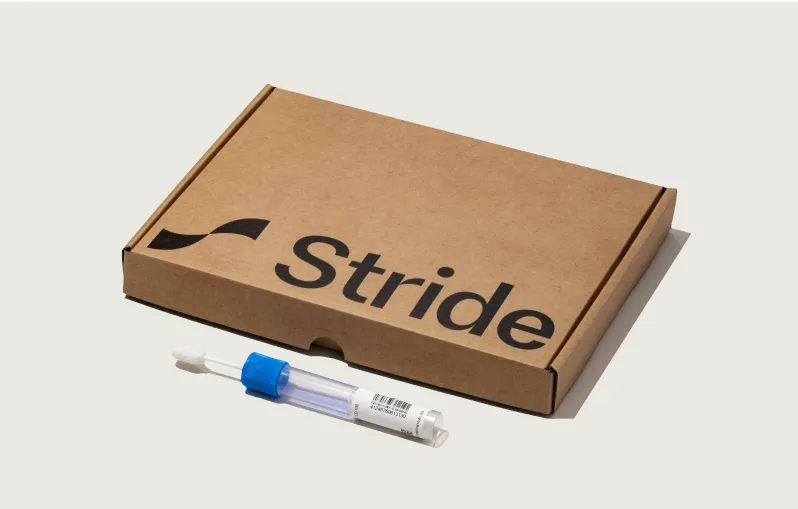






ADRB2 Gene Test (Beta-2 Adrenergic Receptor)
The ADRB2 gene test analyses DNA for common variants in the beta-2 adrenergic receptor gene that influence how your body responds to adrenaline and similar signals across the lungs, heart, blood vessels, and fat tissue. Understanding your ADRB2 status adds genetic context to bronchodilation, exercise and cardiovascular responses, and fat mobilisation so you can personalise prevention and performance strategies instead of guessing.


Sample type
Cheek swab, Blood sample

Collection
At-home

Often paired with
Lung function testing, asthma or COPD history, exercise performance metrics, blood pressure, heart rate response, lipid panel, body composition measures

Fasting required
Not required
Key benefits of testing ADRB2
- Identify whether you carry common ADRB2 variants such as Arg16Gly, Gln27Glu, or Thr164Ile that alter receptor regulation, downregulation, or signalling, and can subtly influence bronchodilator response, airway tone, and cardiovascular reactions.
- Help explain why you may experience more or less sustained bronchodilation with beta-2 agonist inhalers, or distinct heart rate and blood pressure patterns during heavy exercise compared with others.
- Inform personalised strategies for asthma or COPD management, exercise programming, and fat-loss approaches, by clarifying how your beta-2 signalling may affect airflow, cardiac output, and lipolysis under stress.
- Provide context for how you might respond to beta-2 agonist medications and sympathomimetic agents, supporting more tailored discussions with your clinician.
- Clarify your baseline adrenergic response profile alongside lung function, cardiovascular, and metabolic biomarkers, so you can build long-term prevention and performance plans around your biology.
What is the ADRB2 gene?
ADRB2 encodes the beta-2 adrenergic receptor, a seven-transmembrane G protein-coupled receptor that binds circulating catecholamines such as adrenaline. This receptor is highly expressed in bronchial smooth muscle, vascular smooth muscle, and also present in cardiac myocytes and adipocytes.
Upon activation, the beta-2 receptor couples to stimulatory G proteins, activates adenylyl cyclase, and raises intracellular cyclic AMP, which in turn activates protein kinase A and downstream targets, including L-type calcium channels and regulators of smooth muscle tone and metabolism. Multiple single nucleotide polymorphisms have been described in ADRB2, with Arg16Gly, Gln27Glu, and Thr164Ile among the best characterised for functional effects.
What does ADRB2 do?
ADRB2 sits at a key junction between sympathetic signalling and organ-level responses by mediating smooth muscle relaxation in the airways and vasculature, enhancing bronchodilation and vasodilation in response to catecholamines. In bronchial smooth muscle, activation of ADRB2 promotes airway widening, which is why inhaled beta-2 agonists are cornerstone therapies in asthma and COPD.
In the cardiovascular system, ADRB2 contributes to increases in heart rate, contractility, and peripheral vasodilation during exercise and stress, helping deliver more oxygen to working muscles. In adipose tissue, beta-2 signalling supports lipolysis and mobilisation of fatty acids during fasting and exercise, linking ADRB2 variants to subtle differences in energy metabolism and body composition in some studies.
Why is ADRB2 important for health?
ADRB2 contributes to three interconnected systems: respiratory function and bronchodilation, cardiovascular and exercise responses, and fat metabolism and energy mobilisation. Genetic differences at this locus can influence how strongly your airways respond to beta-2 agonists, how your heart and vessels react to catecholamines, and how readily fat stores are accessed during stress or exercise.
Research has explored associations between ADRB2 polymorphisms and asthma severity, bronchodilator response, obesity, exercise capacity, COPD exacerbations, and cardiovascular traits, with mixed but suggestive findings that specific haplotypes modulate receptor downregulation and signalling efficiency. Overall, genotype appears to fine-tune rather than dictate risk, with environment, disease status, and treatment strongly shaping outcomes.
ADRB2 vs lung function or fitness testing
It is easy to assume that ADRB2 testing and spirometry, peak flow, or fitness tests tell you the same story, but they capture different aspects of your biology. ADRB2 genotyping looks at inherited receptor variants that influence how your tissues respond to catecholamines and beta-2 agonists, whereas spirometry, bronchodilator testing, and exercise tests show your current respiratory and cardiovascular performance under real-world conditions.
This distinction matters because you can carry ADRB2 variants that alter receptor function yet have excellent lung function and exercise capacity with appropriate training and medical management. Conversely, you can have reduced lung function or limited fitness without high-risk ADRB2 variants due to environmental exposures, airway inflammation, deconditioning, or other genetic factors, many of which respond well to targeted lifestyle and clinical interventions.
What factors modify the effects of ADRB2 variants?
The influence of ADRB2 variants is shaped more by environment, disease status, and medications than by the gene alone, which means you have meaningful room to change your trajectory. Several modifiable factors can either buffer genetic effects or amplify them.
- Airway inflammation and asthma control: Levels of airway inflammation, allergen exposure, and adherence to controller therapies strongly determine how ADRB2-related differences in bronchodilator response show up in daily life. Good asthma control often reduces genotype-linked variability.
- Medication regimen: Frequent short-acting beta-2 agonist use, long-acting beta-2 agonists, and inhaled corticosteroids can interact with ADRB2 variants to affect receptor downregulation and treatment response, particularly in asthma and COPD.
- Smoking and environmental exposures: Tobacco smoke, air pollution, and occupational irritants can impair lung function and increase symptom burden irrespective of ADRB2 status, and may interact with receptor variants in shaping COPD exacerbation risk.
- Body weight and physical activity: Obesity and low cardiorespiratory fitness strain the cardiopulmonary system and can exacerbate dyspnoea or exercise intolerance, making subtle ADRB2 effects more noticeable. Regular training usually improves outcomes across genotypes.
- Stress and catecholamine load: Chronic stress and high catecholamine exposure alter adrenergic signalling and may interact with receptor variants to influence cardiovascular responses, heart rate, and blood pressure during exertion.
- Co-existing conditions: Cardiovascular disease, metabolic syndrome, sleep apnoea, and other comorbidities can change how adrenergic signals are handled by the heart, vessels, and lungs, often overshadowing modest genetic differences at ADRB2.
Can you have ADRB2 variants without symptoms?
Yes, and that is very common. Many people with ADRB2 variants never experience noticeable respiratory or cardiovascular symptoms attributable to this gene alone and only learn about their status through DNA testing.
Symptoms often associated with "sensitive lungs" or "poor fitness," such as breathlessness, wheeze, or rapid heart rate during exertion, are non-specific and can stem from asthma, deconditioning, anxiety, anaemia, cardiovascular disease, or other factors. Proper clinical assessment, including spirometry and, when appropriate, exercise testing, remains essential regardless of ADRB2 genotype.
ADRB2 genotypes: how do common variants differ?
Common ADRB2 genotypes mainly differ in how they influence receptor regulation, desensitisation, and signalling, particularly in airway and vascular smooth muscle and, to a lesser extent, cardiac and adipose tissues. Understanding your pattern can help tailor prevention, treatment, and training strategies rather than labelling you as having a "good" or "bad" genotype.
- Arg16Gly (rs1042713): Variants at codon 16 affect receptor downregulation and response to chronic agonist exposure. Some studies suggest Gly16 may be associated with more sustained bronchodilation after heavy exercise, whereas Arg16 may show greater downregulation with frequent agonist use; findings vary by context and population.
- Gln27Glu (rs1042714): Changes at codon 27 can alter receptor downregulation, with Glu27 in some work linked to relative resistance to downregulation and differences in airway or metabolic responses, though clinical results have been inconsistent.
- Thr164Ile: A rarer variant that can significantly impact receptor function and agonist affinity; carriers may show altered cardiovascular and respiratory responses, but this variant is uncommon in the general population.
- Haplotype combinations: The combined pattern of variants at codons 16, 27, and other sites appears more predictive of certain phenotypes than any single SNP alone, especially in asthma severity and bronchodilator response.
How do I prepare for an ADRB2 test?
For DNA-based ADRB2 testing, preparation is straightforward because your genotype does not change day to day with inhaler use, exercise, or sleep. The key step is selecting a panel that situates ADRB2 within a broader respiratory, cardiovascular, and metabolic context so insights can inform practical decisions.
Standalone ADRB2 genotyping using blood or saliva does not require fasting, since it analyses stable DNA rather than dynamic blood levels. If ADRB2 is bundled with lung function tests, cardiopulmonary exercise testing, or metabolic panels, your clinician or testing instructions may recommend specific preparation, such as withholding certain inhalers or avoiding strenuous exercise beforehand, to ensure reliable interpretation.
Do I need an ADRB2 test?
An ADRB2 test is most valuable when the result will influence how you approach asthma or COPD management, exercise planning, or stimulant and bronchodilator use, rather than as a curiosity in isolation. It becomes particularly informative when interpreted alongside lung function data, symptom patterns, and cardiovascular and metabolic markers.
- Asthma or COPD with variable bronchodilator response: If you or your clinician have noticed inconsistent responses to beta-2 agonist inhalers or frequent exacerbations despite guideline-based treatment, ADRB2 genotyping can provide extra context for treatment planning.
- Exercise limitation or cardiopulmonary focus: For individuals pushing aerobic performance or with disproportionate breathlessness during exertion, ADRB2 status, combined with cardiopulmonary testing, can help fine-tune training and, when appropriate, medical optimisation.
- Obesity, metabolic goals, and adrenergic response: Since ADRB2 participates in lipolysis and energy mobilisation, its variants may be one small piece of the puzzle in understanding how your body handles stress and exercise; lifestyle changes still dominate outcomes.
- Building a respiratory and cardiovascular roadmap: Within a broader preventative testing strategy, ADRB2 genotyping provides a durable anchor for understanding adrenergic response patterns that can be revisited as training loads, environments, and medications change.
Stride tests that include ADRB2


Health Tests
Core DNA Methylation Test
5 reports: Methylation profile reports
From $229 $183.20
FAQs
What is the ADRB2 gene test?
The ADRB2 gene test analyses your DNA from blood or saliva to look for common variants in the beta-2 adrenergic receptor gene that can influence how your airways, heart, vessels, and fat tissue respond to adrenaline and beta-2 agonist medications.
What does an ADRB2 variant mean?
Common ADRB2 variants such as Arg16Gly, Gln27Glu, and Thr164Ile can alter receptor regulation, desensitisation, or signalling, which may modestly affect bronchodilator response, airway tone, cardiovascular reactions to exercise, and lipolysis patterns in specific contexts.
Do ADRB2 variants always cause health problems?
No; most people with ADRB2 variants never develop clear respiratory or cardiovascular problems solely because of this gene. Asthma control, environmental exposures, fitness, and broader health status usually matter more for day-to-day symptoms and risk.
Is ADRB2 testing used to choose asthma or COPD medication?
ADRB2 testing is not yet standard of care for choosing inhaler therapy, but it can offer additional context when bronchodilator response is atypical or exacerbations remain frequent despite guideline-based treatment. Decisions should always be made with a respiratory clinician.
Can ADRB2 affect sports performance or fat loss?
Because ADRB2 influences bronchodilation, cardiac output, and lipolysis, variants may contribute modestly to differences in endurance performance or fat mobilisation in some settings, although training, nutrition, and overall health still drive the majority of performance and body composition outcomes.
Do I need an ADRB2 test?
You might consider an ADRB2 test if results would change how you approach asthma or COPD management, exercise planning, or stimulant and bronchodilator use, especially if you have variable inhaler response, unexplained exercise limitation, or a strong respiratory and cardiovascular family history.
Do I need to fast for ADRB2 testing?
Fasting is not required for DNA-based ADRB2 testing. If your clinician orders accompanying blood tests or exercise studies, they will advise any specific preparation needed to ensure accurate and comparable results.
How can I optimise my health if I carry ADRB2 variants?
Rather than trying to change the gene, focus on optimising asthma or COPD control if present, maintaining or building fitness, protecting lung health by avoiding smoke and pollutants, supporting cardiovascular and metabolic health, and working with your care team to fine-tune inhaler or medication use while tracking how your symptoms and performance evolve over time.