
Menu
-
Shop All
Contact
hey@getstride.com
Stride Health Group
Stride Health Group Ltd
Company No 05158025
Lamas Road
Badersfield
Norwich
England
NR10 5FB
UK
Extra 10% Off | Enter code GIFT at checkout


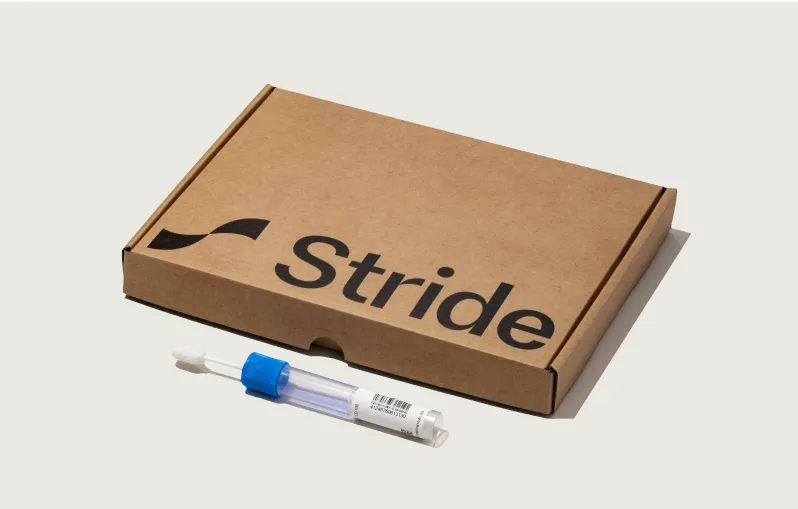




ADORA2 Gene Test (Adenosine A2A Receptor)
The ADORA2 gene test analyses DNA for variants in the adenosine A2A receptor gene that influence how your brain and body respond to adenosine and to caffeine, which blocks this receptor. Understanding your ADORA2 status adds genetic context to caffeine sensitivity, sleep quality, anxiety responses, and aspects of cardiovascular and immune function, so you can personalise intake and lifestyle instead of guessing.

Sample type
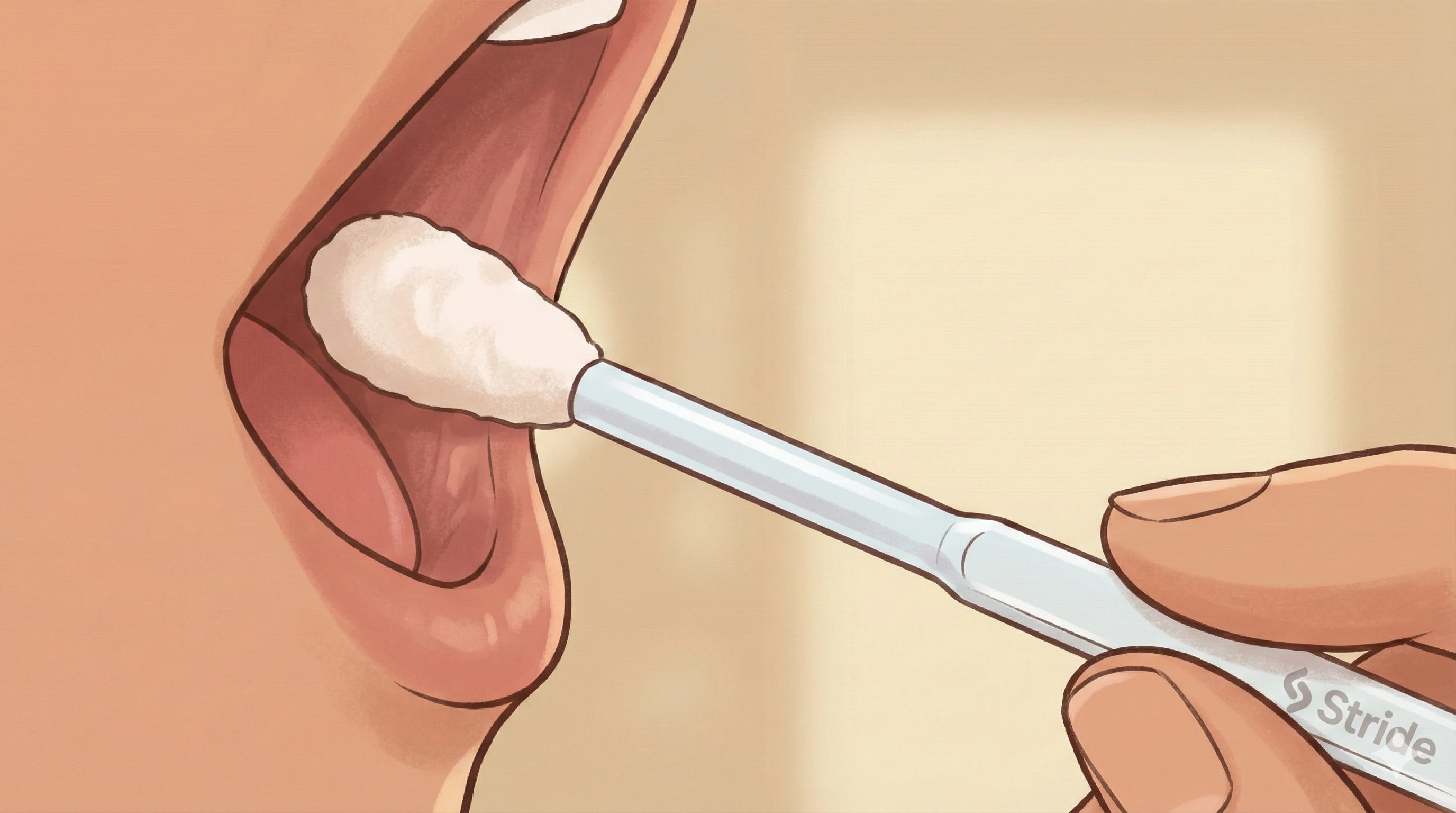
Cheek swab, Blood sample

Collection
At-home

Often paired with
Caffeine intake history, sleep duration and quality tracking, stress and anxiety questionnaires, heart-rate and blood-pressure monitoring, CYP1A2 genotyping (caffeine metabolism), mood and performance assessments

Fasting required
Not required
Key benefits of testing ADORA2
- Identify whether you carry ADORA2A variants such as rs5751876 (1976C>T) and related polymorphisms that are linked to caffeine‑induced anxiety, sleep disruption, and wakefulness.
- Help explain why caffeine makes you focused and calm, or jittery and anxious, at doses that other people tolerate, and why evening caffeine may or may not disturb your sleep.
- Inform personalised caffeine guidelines, including timing, dose and whether to favour or avoid caffeine for focus, training or mood.
- Provide context for baseline sleep quality, insomnia risk, and how stimulant use, stress and shift work interact with your biology.
- Clarify your adenosine‑receptor profile alongside caffeine metabolism (CYP1A2), sleep and mood data, so you can design routines that support stable energy, sleep and performance.
What is the ADORA2 gene?
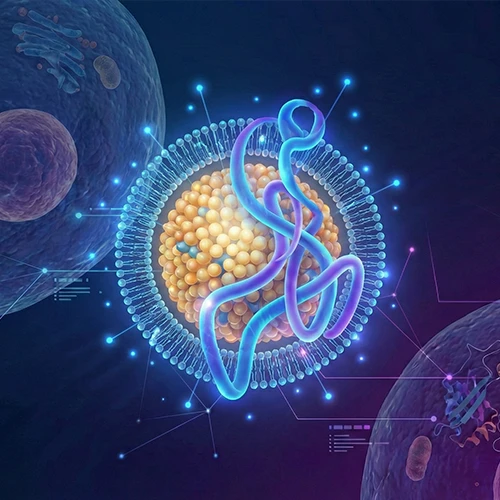
ADORA2 (commonly referred to as ADORA2A in humans) encodes the adenosine A2A receptor, a G protein‑coupled receptor that uses adenosine as its preferred endogenous ligand. This receptor couples mainly to Gs and Golf proteins, which activate adenylyl cyclase and increase intracellular cAMP when adenosine binds.
A2A receptors are highly expressed in the brain, especially in basal ganglia regions involved in motor control, motivation and reward, and are also found in the cardiovascular system, kidneys, immune cells and other tissues. Through these sites, ADORA2 signalling modulates sleep and wakefulness, anxiety, pain, vascular tone, immune function and inflammatory responses.
What does ADORA2 do?
ADORA2 sits at the heart of adenosine signalling for arousal and stress responses. As adenosine accumulates during wakefulness and metabolic activity, it binds to A2A receptors and promotes sleepiness and dampens alertness. Caffeine works largely by antagonising A2A (and A1) receptors, preventing adenosine from binding, which leads to increased alertness and reduced perceived fatigue.
In the brain, A2A receptors interact closely with dopamine receptors in basal ganglia circuits, influencing mood, anxiety, motivation and motor function. In the cardiovascular and immune systems, A2A activation contributes to vasodilation, regulation of blood flow and modulation of inflammatory responses. Variants in ADORA2A change receptor expression or function and modify how strongly people experience caffeine's wakefulness‑promoting and anxiogenic effects and how adenosine influences sleep and mood.
Why is ADORA2 important for health?
ADORA2 contributes to three interconnected systems: caffeine sensitivity and stimulant responses, sleep and circadian health, and mood and stress regulation. People with specific ADORA2A polymorphisms, notably rs5751876 and related variants, show consistent differences in caffeine‑induced anxiety, sleep disruption and brain electrical activity during sleep.
At one end of the spectrum, some individuals are highly sensitive to caffeine, experiencing anxiety, palpitations and insomnia at modest doses, often linked to specific ADORA2A patterns. At the other, some tolerate higher doses with little subjective effect. Over time, poorly aligned caffeine use can worsen sleep, anxiety, blood pressure and possibly long‑term cardiometabolic risk in susceptible individuals. ADORA2 also shapes how the brain responds to stress and reward, with research links to anxiety disorders, panic, and in some settings neurodegenerative conditions and pain modulation.
ADORA2 vs caffeine metabolism genes and sleep tracking
It is easy to assume that ADORA2 genotyping, CYP1A2 (caffeine metabolism) genotyping, and sleep tracking tell the same story, but each addresses a different layer. ADORA2 genotyping describes receptor sensitivity: how strongly your brain and body respond to adenosine blockade by a given caffeine level.
CYP1A2 and related genes describe how quickly your liver clears caffeine, which influences how long caffeine stays in your system but not how intense its effects feel at a given concentration. Sleep tracking shows how your current caffeine use, stress, environment and schedule are affecting actual sleep duration and architecture. A person may metabolise caffeine slowly but be relatively insensitive at the receptor level, or metabolise it quickly yet be highly sensitive, and both will show different sleep patterns depending on timing and dose.
What factors modify the effects of ADORA2 variants?
The influence of ADORA2 variants is shaped by caffeine dose and timing, other stimulants, sleep habits, stress and co‑existing conditions. Several modifiable factors can either buffer a sensitive genotype or reveal it.
- Total daily caffeine intake: Higher doses increase the likelihood of anxiety, palpitations and sleep disruption in ADORA2A‑sensitive individuals. Keeping intake low or moderate reduces risk.
- Timing of caffeine: Caffeine late in the day is more likely to disturb sleep in ADORA2A patterns that confer sleep sensitivity. Moving intake earlier can improve sleep even without reducing total dose.
- Caffeine source and pattern: Drinks with added sugar, energy drinks and irregular "spikes" in intake may aggravate anxiety and sleep problems more than consistent, moderate coffee or tea.
- Stress, anxiety and mood: Baseline anxiety, stress load and mood disorders can magnify caffeine's anxiogenic effects in ADORA2A‑sensitive individuals.
- Sleep hygiene and circadian rhythm: Irregular bedtimes, late‑evening light exposure and shift work can compound ADORA2‑related vulnerabilities to sleep disruption.
- Other genes and medications: CYP1A2, AHR and drugs that affect adenosine, dopamine or sleep all interact with ADORA2A background to shape overall response.
Can you have ADORA2 variants without symptoms?
Yes. Many people carry ADORA2A variants associated with caffeine‑induced anxiety or sleep changes but report no obvious problems, especially if they naturally limit caffeine, time it earlier in the day, or have robust sleep and stress routines.
Differences often emerge only when intake rises, when life is stressful, or when sleep is already fragile. For some, ADORA2A status explains why they instinctively avoid afternoon coffee or feel best with decaf, while others may discover a link only after structured tracking of caffeine, sleep and mood.
ADORA2 genotypes: how do common variants differ?
ADORA2A genotypes mainly differ in promoter, intronic and synonymous coding variants that alter receptor expression or coupling. Several single nucleotide polymorphisms have been studied in relation to caffeine response, sleep and anxiety.
- rs5751876 (1976C>T, formerly 1083T>C): A widely studied synonymous polymorphism strongly associated in multiple studies with caffeine‑induced anxiety and differences in EEG responses to caffeine. T allele carriers are more prone to anxiety after moderate caffeine doses and show specific sleep‑EEG patterns, while C carriers are linked to greater sleep disturbance in some contexts.
- c.1083T>C and linked SNPs (for example rs2298383, rs4822492): Combinations of ADORA2A variants in strong linkage have been associated with differences in total sleep time, insomnia risk and susceptibility to caffeine‑related sleep complaints, even at relatively low intakes in some groups.
- Other regulatory variants: Additional ADORA2A polymorphisms influence receptor expression and have been implicated in panic disorder, generalized anxiety, and emotional responses to caffeine, often in interaction with dopamine receptor genes such as DRD2.
- Haplotype patterns: Haplotypes combining several SNPs provide a more nuanced picture of caffeine sensitivity and sleep impact than single variants alone.
How do I prepare for an ADORA2 test?
For DNA‑based ADORA2 testing, preparation is straightforward because genotype does not change with caffeine habits, diet or medications. The key step is clarifying how you will act on the results, for example by adjusting caffeine timing, dose and role in your routine.
Cheek swab, saliva or blood‑based ADORA2 genotyping does not require fasting. If you are also undergoing sleep studies, heart‑rate or blood‑pressure monitoring or blood tests, follow the preparation guidance for those, which may include avoiding caffeine on test days or standardising intake beforehand.
Do I need an ADORA2 test?
An ADORA2 test is most useful when the result will influence how you manage caffeine and design your sleep and performance routines. It becomes particularly informative when considered alongside caffeine metabolism genes, sleep patterns, anxiety history and work demands.
- Caffeine‑induced anxiety or sleep problems: If caffeine seems to cause jitteriness, panic or insomnia even at low doses, ADORA2A testing can clarify underlying sensitivity and support targeted adjustments.
- Performance, shift work or night‑time work: People who use caffeine strategically for performance or shift work can use ADORA2A to fine‑tune timing and dose for benefit without compromising recovery.
- Anxiety, panic or insomnia history: In those with anxiety or sleep disorders, ADORA2A can flag how careful to be with stimulants as part of a broader treatment plan.
- Comprehensive performance and longevity planning: For individuals building a detailed, data‑driven lifestyle plan, ADORA2 sits alongside CYP1A2 and sleep and stress markers as a key lever for sustainable energy and recovery.
Stride tests that include ADORA2


Health Tests
Core DNA Methylation Test
5 reports: Methylation profile reports
From $229 $183.20
FAQs
What is the ADORA2 gene test?
The ADORA2 gene test analyses your DNA from blood or saliva to look for variants in the adenosine A2A receptor gene that influence how sensitive you are to adenosine and caffeine, with implications for alertness, sleep, anxiety and cardiovascular and immune responses.
What does an ADORA2 variant mean?
Common ADORA2A polymorphisms such as rs5751876 and linked variants can increase or decrease caffeine‑induced anxiety and sleep disruption and are associated with differences in brain electrical activity during sleep. Some patterns predispose to higher anxiety after caffeine, while others are more linked to sleep disturbance.
Do ADORA2 variants always cause caffeine sensitivity or sleep problems?
No. ADORA2 variants shift sensitivity but do not guarantee symptoms. Many people with "sensitive" genotypes manage well with low or well‑timed caffeine and good sleep and stress habits, and others with "less sensitive" patterns can experience anxiety or poor sleep if intake, timing or lifestyle load are unfavourable.
Is ADORA2 testing used to diagnose disease?
ADORA2 testing is not used to diagnose specific diseases. It is a trait and risk marker that adds useful context when evaluating caffeine‑related anxiety, sleep complaints and stimulant use in performance, health and longevity planning.
Do I need an ADORA2 test?
You might consider an ADORA2 test if you strongly suspect caffeine sensitivity, have anxiety or insomnia that seems linked to caffeine, rely heavily on caffeine for work or training, or are building a detailed, genetics‑informed plan for energy, sleep and performance.
How can I optimise my caffeine use and sleep if I carry ADORA2 variants?
Rather than trying to change the gene, adjust dose and timing of caffeine, favour earlier‑day use, consider low‑caffeine or caffeine‑free options when needed, support sleep with consistent routines and light management, address stress and baseline anxiety, and track symptoms and sleep metrics so you can see how consistent, targeted changes reshape your energy, mood and long‑term health.