
Menu
-
Shop All
Contact
hey@getstride.com
Stride Health Group
Stride Health Group Ltd
Company No 05158025
Lamas Road
Badersfield
Norwich
England
NR10 5FB
UK
Extra 10% Off | Enter code GIFT at checkout


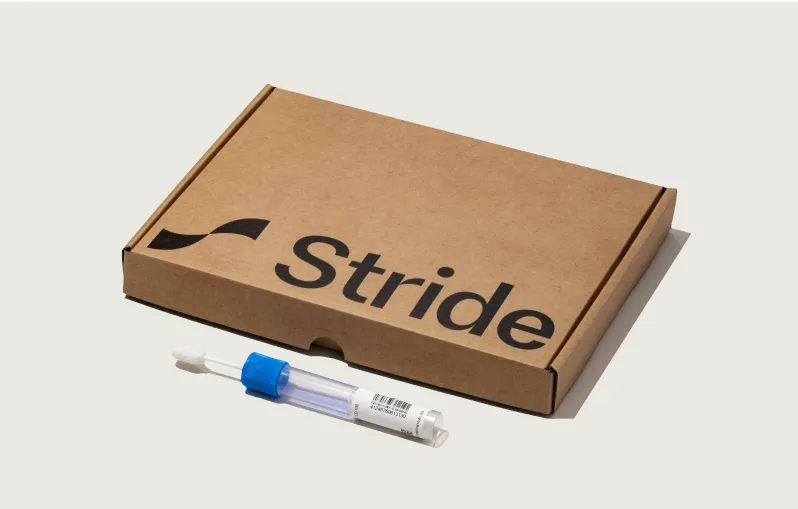
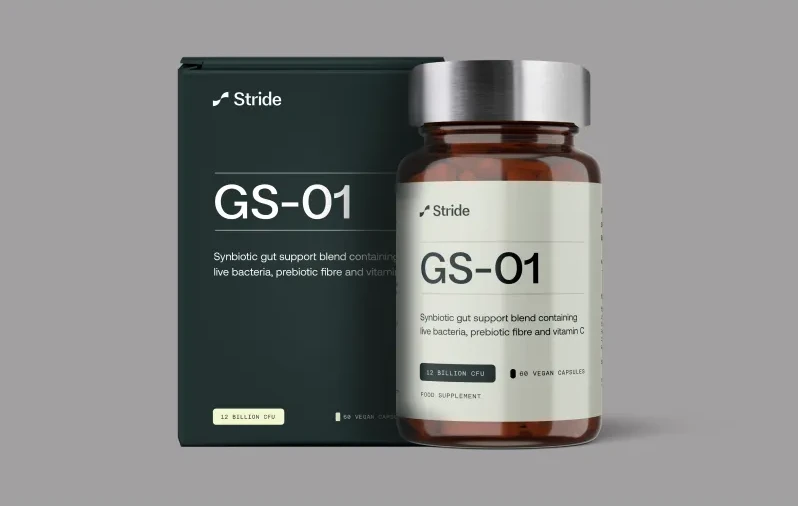



ADH1C Gene Test (Alcohol Dehydrogenase 1C)
The ADH1C gene test analyses DNA for common variants in the alcohol dehydrogenase 1C gene that influence how efficiently you convert ethanol into acetaldehyde and process other alcohols and retinoids in the liver and stomach. These variants help explain why people respond so differently to alcohol, from flushing and hangovers to longer-term liver strain, and add genetic context when you are looking to personalise alcohol intake, liver support, and long-term prevention strategies instead of guessing.
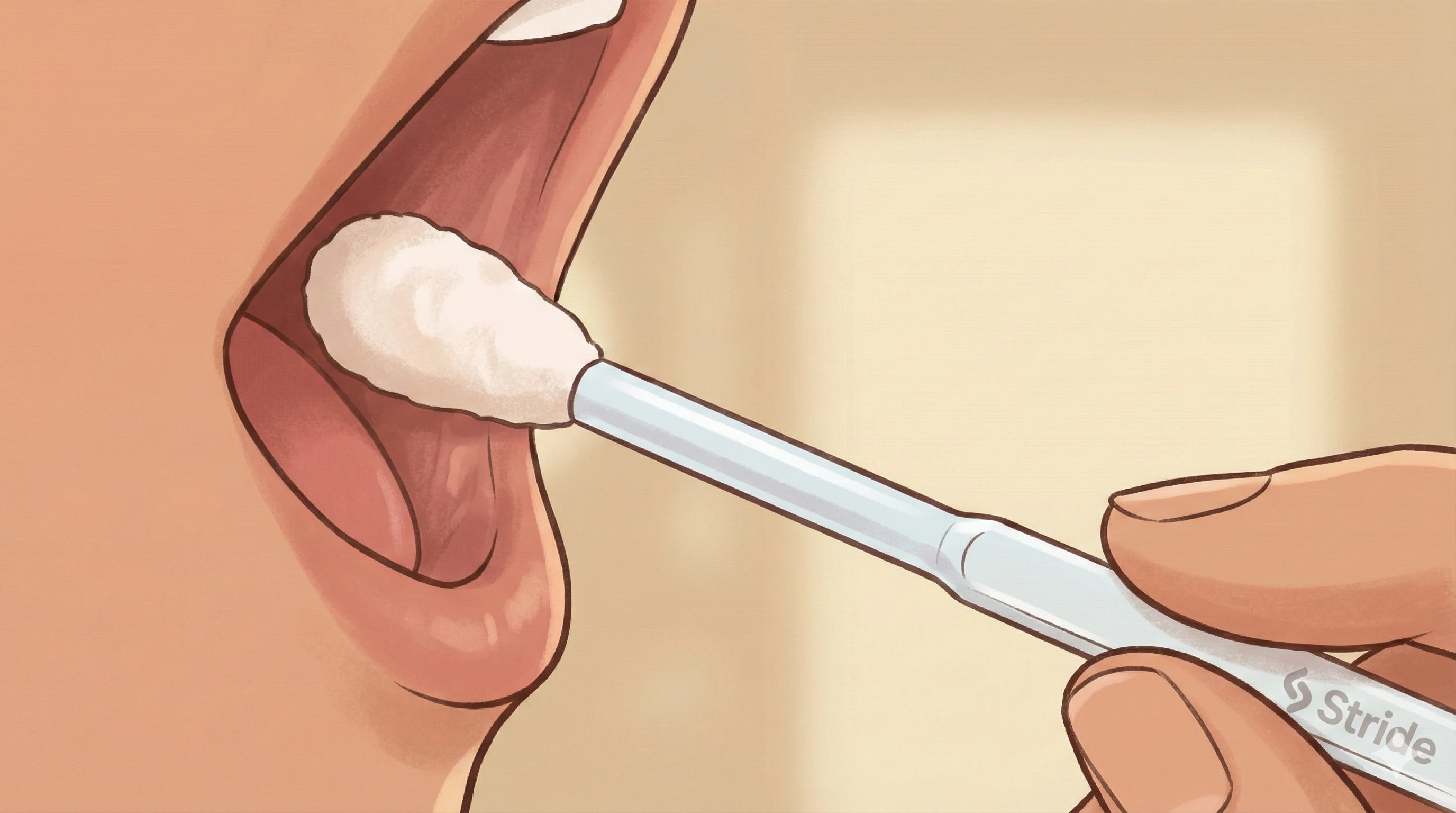

Sample type
Cheek swab, Blood sample

Collection
At-home

Often paired with
ADH1B and ALDH2 variants, gamma-glutamyl transferase (GGT), ALT, AST, bilirubin, lipid panel, fasting glucose and HbA1c, high-sensitivity CRP

Fasting required
Not required
Key benefits of testing ADH1C
- Identify whether you carry ADH1C variants linked to faster or slower ethanol breakdown, which can shape your risk of acetaldehyde build-up, flushing, and tolerance at a given alcohol intake.
- Help explain why you may experience stronger hangovers, nausea, or facial flushing at relatively low drinking levels, or why your liver markers drift outside the optimal range despite similar drinking patterns to others.
- Inform personalised alcohol strategies, from weekly intake limits to alcohol-free days and targeted liver support, especially if you have a family history of liver disease, metabolic syndrome, or alcohol dependence.
- Provide pharmacogenetic context when using medications metabolised by overlapping pathways, or when combining alcohol with drugs that stress the liver, supporting more tailored monitoring and lifestyle advice with your clinician.
- Clarify your baseline alcohol metabolism capacity alongside other biomarkers so liver health, metabolic health, and longevity plans are built on both genetics and real-time blood data over the long term.
What is the ADH1C gene?
ADH1C encodes one of the class I alcohol dehydrogenase subunits expressed primarily in the liver and gastric mucosa, where it helps catalyse the first step of ethanol oxidation to acetaldehyde. The gene sits in a cluster with other class I ADH genes and contributes to multiple enzyme isoenzymes built from different alpha, beta, and gamma subunit combinations, which together determine how quickly you clear a standard drink.
Common ADH1C polymorphisms, often referred to as ADH1C*1 and ADH1C*2 alleles, differ in catalytic activity so that some genotypes convert ethanol into acetaldehyde more rapidly than others at the same intake. Population studies show that these variants are frequent worldwide, with certain alleles enriched in specific ancestries, which can partly explain ethnic differences in alcohol tolerance and alcohol-related disease risk alongside environment and culture.
What does ADH1C do?
ADH1C contributes directly to the first step of alcohol metabolism, oxidising ethanol to acetaldehyde using nicotinamide adenine dinucleotide (NAD) as a cofactor, before aldehyde dehydrogenase (ALDH) enzymes convert acetaldehyde into acetate. This pathway is central to how quickly blood alcohol levels fall after a drink, how long acetaldehyde persists, and how strongly you experience flushing, palpitations, and hangover symptoms.
Beyond ethanol, ADH1C also participates in the metabolism of retinol (vitamin A) and other endogenous or environmental alcohols, which links it indirectly to oxidative stress, lipid peroxidation, and signalling pathways relevant to liver integrity, mucosal health, and some cancer pathways. When ADH1C activity is particularly fast in the context of slower ALDH function or high alcohol intake, acetaldehyde can build locally, which is one way genetic patterns can modify the impact of a given drinking pattern on long-term health.
Why is ADH1C important for health?
ADH1C sits at the intersection of three interconnected systems: alcohol metabolism, liver and gastrointestinal integrity, and broader metabolic and neurological health. Differences in ADH1C activity can shape how rewarding or aversive alcohol feels, how rapidly liver enzymes drift from optimal, and how susceptible you may be to alcohol-related issues when lifestyle and other genes are not well supported.
Research has linked ADH1C variants with differential risk of alcohol dependence, alcoholic liver disease, and some alcohol-related cancers in certain populations, usually in combination with ADH1B, ALDH2, folate pathways, and cumulative intake. Genotype alone rarely dictates outcome, but it can nudge risk in one direction or another, especially when heavy drinking, central obesity, poor diet, and smoking are present, which is why ADH1C is best viewed as one lens on how your biology responds to alcohol over time.
ADH1C vs other alcohol metabolism genes
It is easy to assume that ADH1C, ADH1B, and ALDH2 tell you the same story, but they highlight different layers of your alcohol metabolism. ADH1C and ADH1B both influence how quickly ethanol is converted to acetaldehyde, while ALDH2 controls how efficiently acetaldehyde is cleared to acetate, so different combinations of these variants can produce very different response patterns to the same number of drinks.
This matters because you can carry an ADH1C variant associated with faster ethanol clearance and still have a relatively comfortable experience if ALDH2 function is robust and your drinking is moderate. Conversely, a less active ADH1C pattern can coexist with other genetic or lifestyle factors that still drive liver strain, weight gain around the middle, or elevated triglycerides, which often respond better to targeted behaviour change than to focusing on one gene in isolation.
What factors modify the effects of ADH1C variants?
The impact of ADH1C polymorphisms is shaped more by environment and habits than by the gene alone, which means you have meaningful room to change your trajectory. Several modifiable factors can either buffer genetic effects or amplify them.
- Alcohol intake pattern: Total weekly units, frequency of heavy episodes, and whether you include alcohol-free days all strongly influence how any ADH1C pattern shows up in liver enzymes, sleep, weight, and day-to-day performance. Reducing binge episodes and capping weekly intake usually moves the needle more than genotype alone.
- Liver and metabolic health: Baseline liver fat, viral hepatitis status, insulin resistance, and central adiposity independently affect how resilient your liver is to alcohol. When fatty liver, raised GGT, or high triglycerides are present, even modestly unfavourable ADH1C patterns can become more clinically relevant at lower intakes.
- Co-occurring genetic variants: ADH1C acts in concert with ADH1B, ALDH2, and pathways involved in oxidative stress and folate metabolism, so the combined genetic architecture can either intensify acetaldehyde build-up or dilute it. Interpreting ADH1C in a multi-gene methylation and detox context gives a more realistic view of real-world risk.
- Diet and antioxidant status: Diets rich in whole foods, fibre, and antioxidants, and adequately supplying folate, B vitamins, and choline support alcohol metabolism and downstream repair processes. Nutrient-poor dietary patterns, high fructose intake, and frequent ultra-processed foods tend to exacerbate oxidative stress and make any ADH1C-related vulnerability more visible.
- Medications and toxins: Drugs that are hepatotoxic or that interact with alcohol metabolism pathways can change how safe a given alcohol pattern is for someone with an unfavourable ADH1C genotype. Environmental exposures and smoking add extra oxidative load, which is why your real-world risk picture always needs both genetic and exposure context.
- Sleep, stress, and training load: Poor sleep, high stress, and heavy training without recovery all reduce your capacity to buffer alcohol's impact on mood, cognition, and performance. For someone with an ADH1C-linked tendency to more intense hangovers, dialling these levers often helps more than focusing on alcohol alone.
Can you have ADH1C variants without symptoms?
Yes, and that is common. Many people with ADH1C variants never experience obvious symptoms beyond subtle differences in how they feel after one or two drinks, and only learn about their genotype through comprehensive DNA or methylation panels they complete for prevention and optimisation.
Many symptoms often blamed on alcohol intolerance, such as fatigue, low mood, anxiety, or brain fog after social drinking, are highly non-specific and can reflect sleep restriction, low mood, stress, blood sugar swings, or micronutrient gaps. Rarely, severe reactions to alcohol can signal other issues such as ALDH2 deficiency or histamine intolerance that deserve specific assessment, so ADH1C needs to be interpreted in the context of a full clinical picture.
ADH1C genotypes: how do common variants differ?
ADH1C genotypes mainly differ in how strongly they influence the rate of ethanol oxidation to acetaldehyde, especially at moderate to high intakes, and how that interacts with downstream clearance. Understanding your pattern can help tailor alcohol choices, liver support, and lifestyle decisions rather than labelling you as having a good or bad gene.
- ADH1C*1/*1: This pattern is usually associated with higher enzyme activity, so ethanol is converted into acetaldehyde more rapidly, which can feel protective against heavy drinking in some contexts but may also raise local acetaldehyde exposure if ALDH2 activity is not matched. People with this pattern often benefit from moderating total intake and supporting detox pathways to balance a naturally fast front-end.
- ADH1C*1/*2: Heterozygous carriers typically have intermediate enzyme activity, with context-dependent effects on tolerance and hangover severity that are strongly shaped by drinking pattern, body composition, and co-occurring variants. With supportive lifestyle changes, many people in this group see liver enzymes and performance markers stay within an optimal range over time.
- ADH1C*2/*2: This pattern tends to have lower ethanol-to-acetaldehyde conversion rate compared with ADH1C*1-dominant genotypes, which can influence how slowly blood alcohol falls and how rewarding alcohol may feel in the short term. In the presence of other risk factors, this can sometimes make it easier to exceed healthy drinking levels without early aversive feedback, which is why proactive intake boundaries and liver tracking matter.
- Other or rare variants: Less common ADH1C variants exist and may alter enzyme function in subtler ways; they are usually interpreted alongside the main *1/*2 framework and neighbouring ADH genes. In practice, your combined ADH and ALDH profile, plus real-time biomarkers like liver enzymes and triglycerides, gives the most meaningful insight into day-to-day risk.
How do I prepare for an ADH1C test?
For DNA-based ADH1C testing, preparation is straightforward because your genotype does not change from day to day with meals, alcohol, or training. The main focus is ensuring high-quality sample collection and choosing a panel that reports ADH1C in the context of methylation, detoxification, and metabolic health so you get a connected picture rather than a single data point.
Standalone ADH1C genotyping using blood or saliva does not require fasting, since it analyses stable DNA rather than fluctuating blood levels. If ADH1C is bundled with liver enzymes, lipids, glucose, or other metabolic markers, your clinician or the testing instructions may recommend specific fasting windows or alcohol-free days beforehand so you can track changes reliably over time.
Do I need an ADH1C test?
An ADH1C test is most valuable when the result will influence how you approach alcohol intake, liver monitoring, and broader metabolic or mental health strategies, rather than as a curiosity in isolation. It becomes particularly informative when paired with real-time liver markers, metabolic panels, and other alcohol metabolism genes as part of a preventative health or performance-focused strategy.
- Unexplained liver enzyme changes: If GGT, ALT, or AST remain slightly elevated despite moderate intake and generally healthy habits, ADH1C testing can clarify whether faster or slower ethanol metabolism might be contributing and whether further lifestyle or clinical steps are warranted.
- Concerns about alcohol dependence risk: For individuals with a strong family history of alcohol problems or those feeling out of control around alcohol, ADH1C alongside related genes can add context to how your brain and liver respond to alcohol. The focus remains on practical behaviour change, support networks, and sometimes professional help, rather than the gene alone.
- Performance, sleep, and recovery: If you are investing heavily in training or cognitive performance, and notice that even small amounts of alcohol disrupt sleep or recovery, ADH1C testing can help explain why and support more personalised rules around pre-race, pre-presentation, or weekday drinking.
- Building a liver and longevity roadmap: For those taking a long-term view of metabolic health, understanding ADH1C as part of a wider DNA, blood, and microbiome map provides a durable piece of information that can be revisited at key life stages, during medication changes, or when adjusting your relationship with alcohol.
Stride tests that include ADH1C


Health Tests
Core DNA Methylation Test
5 reports: Methylation profile reports
From $229 $183.20
FAQs
What is the ADH1C gene test?
The ADH1C gene test analyses your DNA from blood or saliva to look for common variants in the alcohol dehydrogenase 1C gene that can influence how efficiently you convert ethanol into acetaldehyde and handle related substrates in the liver and stomach.
What does an ADH1C variant mean?
Common ADH1C variants, often described using *1 and *2 alleles, change the catalytic activity of the enzyme so that some people generate acetaldehyde more quickly than others at the same alcohol intake, which can subtly shift tolerance, hangover intensity, and long-term risk when lifestyle is not optimised.
Do ADH1C variants always cause health problems?
No; most people with ADH1C variants never develop clear health problems solely due to this gene, and liver and metabolic markers can remain in a healthy range when alcohol intake, diet, body composition, and sleep are well supported.
Is ADH1C testing recommended for liver disease or alcohol problems?
Many guidelines do not recommend routine ADH1C testing as a standalone screen for alcoholic liver disease or alcohol dependence, because genotype alone has limited predictive power without broader clinical and behavioural context. It is more useful as part of a multi-marker preventative or optimisation strategy.
Can ADH1C affect cancer or neurological risk?
Research has explored links between ADH1C variants, alcohol-related cancers, and neurological outcomes in some populations, but the real-world impact is usually modest and tightly bound to lifetime alcohol exposure, diet, smoking, and other genes. Taking a whole-system approach to prevention still moves the needle more than focusing on ADH1C alone.
Do I need an ADH1C test?
You might consider an ADH1C test if results would change how you approach alcohol intake, monitor liver enzymes, manage performance or sleep around drinking, or personalise prevention efforts in the context of family history or existing liver and metabolic concerns, ideally in partnership with a clinician or health coach.
Do I need to fast for ADH1C testing?
Fasting is not required for DNA-based ADH1C testing, although accompanying blood tests such as liver enzymes, lipids, or glucose may have specific preparation instructions that are worth following for consistent tracking and meaningful comparison over time.
How can I optimise my health if I carry ADH1C variants?
Rather than trying to fix the gene, focus on defining clear alcohol boundaries, supporting liver and metabolic health through diet, movement, and sleep, and using targeted supplementation and retesting where appropriate so you can see how your internal markers respond over time.