
Menu
-
Shop All
Contact
hey@getstride.com
Stride Health Group
Stride Health Group Ltd
Company No 05158025
Lamas Road
Badersfield
Norwich
England
NR10 5FB
UK
Extra 10% Off | Enter code GIFT at checkout







ACTN3 Gene Test (Alpha-Actinin-3)
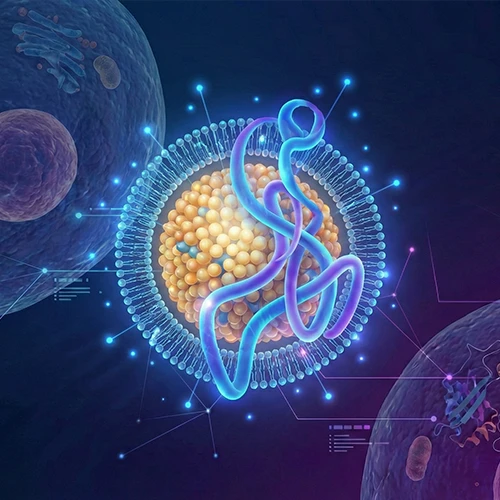
The ACTN3 gene test analyses DNA for variants in the ACTN3 gene that determine whether you produce alpha-actinin-3 in fast-twitch muscle fibres. Knowing your ACTN3 status adds genetic context to sprint and power potential, fatigue resistance, injury risk, and how you respond to strength and high-intensity training, so you can design training and recovery that match how your muscles are built.

Sample type
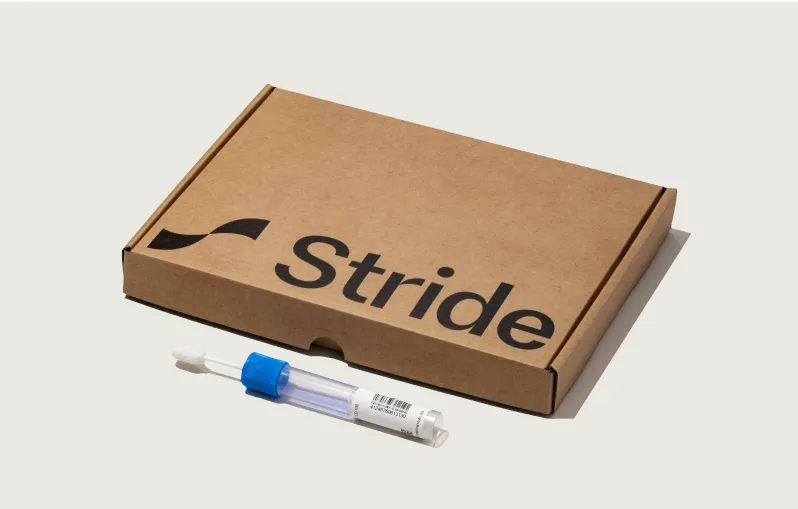
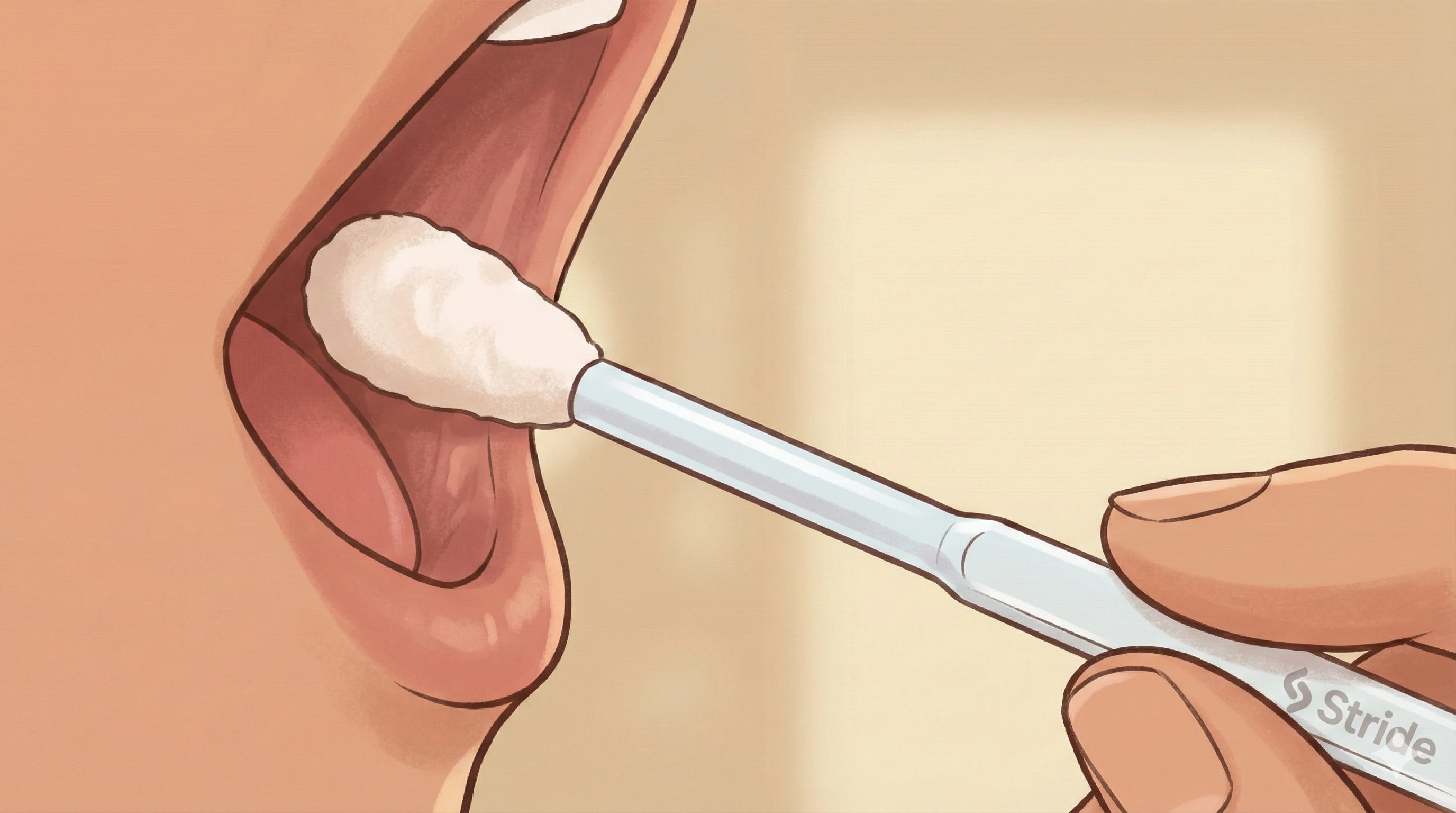
Cheek swab, Blood sample

Collection
At-home

Often paired with
Strength and power testing (1RM, jumps, sprints), VO2max and endurance tests, body composition, creatine kinase and recovery markers, injury history and biomechanics assessments, other performance-related genes (for example ACE, PPARGC1A)

Fasting required
Not required
Key benefits of testing ACTN3
- Identify whether you carry the ACTN3 R577X polymorphism (RR, RX or XX) that determines expression of alpha‑actinin‑3 in fast‑twitch muscle fibres.
- Help explain why you may naturally excel more at sprint, power and explosive movements, or at endurance and fatigue‑resistant efforts, compared with people who train similarly.
- Inform personalised programming for strength, power, sprint and endurance training, including volume, intensity, rest intervals and periodisation.
- Provide context for muscle mass, fatigue, recovery and potential injury patterns, especially around high‑load or high‑speed work.
- Clarify how your muscle fibre profile sits alongside fitness tests, performance metrics and injury history, so long‑term training and performance plans can lean into your strengths while protecting your weak points.
What is the ACTN3 gene?
ACTN3 encodes alpha‑actinin‑3, a structural protein located at the Z‑disc of fast‑twitch (type II) skeletal muscle fibres. It helps anchor actin filaments and stabilise the contractile apparatus during powerful, high‑velocity contractions. Alpha‑actinin‑3 is expressed almost exclusively in fast fibres and is absent from slow‑twitch (type I) fibres.
A common single nucleotide polymorphism in ACTN3, known as R577X (rs1815739), changes an arginine (R) codon to a stop (X) codon, producing a truncated, non‑functional protein. People with the XX genotype completely lack alpha‑actinin‑3 in their fast fibres, while RR individuals express it fully and RX individuals express it at intermediate levels.
What does ACTN3 do?
ACTN3 plays several roles in fast‑twitch fibres. Its primary function is structural, stabilising the sarcomere during rapid and forceful contractions and helping fibres tolerate repeated high‑load, high‑velocity work. It also influences fibre size, calcium handling and signalling pathways that regulate muscle metabolism and adaptation.
In individuals with the XX genotype, alpha‑actinin‑3 deficiency leads to a functional shift in fast fibres towards a more oxidative, fatigue‑resistant phenotype, with changes in mitochondrial enzyme activity and metabolic regulation. This can reduce peak power but may improve muscle efficiency and endurance characteristics. At the population level, RR and RX genotypes are enriched in elite sprinters and power athletes, while XX genotypes are relatively more common in endurance specialists and some longevity cohorts, although many other genes and factors are involved.
Why is ACTN3 important for health and performance?
ACTN3 contributes to three interconnected systems: muscle power and sprint performance, fatigue resistance and endurance traits, and muscle mass and adaptation to training and stress. In sport, ACTN3 has been dubbed the "speed gene" because RR and RX genotypes are over‑represented among elite power and sprint athletes and are associated with small but meaningful differences in sprint speed at the highest levels.
In the general population, ACTN3 status can influence how people respond to strength and power training, how quickly they fatigue during explosive efforts and how they adapt to different training modalities. ACTN3 also affects muscle metabolism and protein turnover, with alpha‑actinin‑3 deficiency linked to shifts in oxidative metabolism and altered responses to muscle‑wasting stimuli in experimental settings. These effects may become more relevant in ageing, long‑term health and resilience to inactivity or corticosteroid exposure.
ACTN3 vs muscle fibre testing, performance tests and body composition
It is easy to assume that ACTN3 genotyping, muscle fibre biopsies, performance tests and body composition scans measure the same thing, but they capture different layers. ACTN3 genotyping tells you whether you have the genetic capacity to produce alpha‑actinin‑3 in fast fibres and is fixed for life. It points to tendencies in fibre function rather than a complete picture of your current muscle profile.
Muscle biopsies or advanced imaging can directly assess fibre type distribution, which also reflects training history and other genes. Performance tests such as 1RM lifts, vertical jump, sprint times, repeated sprint ability and VO2max show how your neuromuscular and metabolic systems are performing now under your current training, health and environment. Body composition reveals muscle and fat mass but not how that muscle behaves. You can have a "power‑favourable" ACTN3 genotype and still lack strength or speed if you do not train accordingly, and you can be powerful with a less favourable genotype through targeted, consistent training.
What factors modify the effects of ACTN3 variants?
The influence of ACTN3 variants is heavily shaped by training, nutrition, recovery, injury history and other genes. Several modifiable factors can either reinforce a favourable pattern or compensate for a less favourable one.
- Training type and volume: Strength, power and sprint training maximise the advantages of RR and RX genotypes, while more endurance‑focused training can allow XX individuals to lean into their fatigue‑resistant traits. Mixed or hybrid training can work well for all types when structured carefully.
- Technique, neuromuscular coordination and skill: Good mechanics, reactive strength and movement efficiency are critical for speed and power, regardless of genotype. Poor technique can blunt the benefits of a favourable ACTN3 profile and increase injury risk.
- Recovery, sleep and load management: High‑intensity and high‑load work stresses fast fibres and connective tissues. Adequate recovery, sleep and periodisation are essential, especially for RR and RX individuals who push power and load ceilings.
- Nutrition and muscle support: Adequate protein, energy, creatine, and essential micronutrients support muscle growth, repair and performance in all genotypes. Specific supplementation can fine‑tune performance but does not override training and recovery.
- Injury history and connective tissue profile: Tendon and ligament genetics, joint structure and previous injuries shape how much power and loading is safe and sustainable, especially in high‑force, high‑velocity sports.
- Age, hormones and lifestyle: Age‑related changes in hormones, activity, sleep and recovery capacity alter how ACTN3 effects show up over time and how best to adjust training across the lifespan.
Can you have ACTN3 variants without symptoms or obvious effects?
Yes. Many people with RR, RX or XX genotypes never notice clear differences that they can attribute solely to ACTN3. The gene has a modest effect on performance at the population level, and its influence can be masked or amplified by training, health, opportunity and other genetics.
RR and RX individuals can still be poor sprinters if they do not train or if technique, motivation or other constraints limit expression. XX individuals can still develop impressive strength and power with well‑structured training and can be world‑class athletes in various sports, especially those with mixed demands. For most people, ACTN3 is best viewed as one informative piece of a broader performance and health puzzle.
ACTN3 genotypes: how do common variants differ?
ACTN3 genotypes are defined by the R577X polymorphism, which determines whether alpha‑actinin‑3 is present in fast‑twitch fibres. Each genotype has characteristic tendencies, but wide overlap exists.
- RR genotype: Two copies of the R allele, full expression of alpha‑actinin‑3 in fast fibres. Frequently enriched in elite sprint and power athletes. Associated with higher peak power, faster sprint times and better performance in explosive tasks in many studies, especially at the elite level.
- RX genotype: One R and one X allele, partial expression of alpha‑actinin‑3. Often shows intermediate characteristics, and is very common among both athletes and the general population. Many successful power and sprint athletes are RX.
- XX genotype: Two copies of the X allele, complete deficiency of alpha‑actinin‑3. Associated with a shift in fast fibres towards more oxidative, fatigue‑resistant metabolism, with modest reductions in peak power but possibly improved efficiency and resilience in some contexts. XX genotypes are under‑represented among elite power athletes and relatively more common among endurance specialists and some longevity cohorts.
How do I prepare for an ACTN3 test?
For DNA‑based ACTN3 testing, preparation is straightforward because your genotype does not change with training, diet or medications. The key step is clarifying how you plan to use the information, for example to shape your training focus, manage expectations, or refine performance and health strategies.
Cheek swab, saliva or blood‑based ACTN3 genotyping does not require fasting. If you are combining testing with performance assessments or blood panels, follow the guidance for those tests, such as avoiding exhaustive exercise immediately before certain blood draws and approaching performance tests rested and well fuelled.
Do I need an ACTN3 test?
An ACTN3 test is most useful when the result will influence how you design training, recovery and long‑term performance or health plans, rather than as a curiosity. It becomes particularly informative when interpreted alongside performance data, injury history and goals.
- Performance and talent development: Athletes and coaches can use ACTN3 information to refine event selection, training emphasis and long‑term development plans, while still focusing on skill, work ethic and opportunity.
- Training personalisation and plateaus: If you feel your progress in power or endurance is not matching your effort, ACTN3 and related genes can offer insight into where to lean in and how to structure blocks.
- Injury and recovery considerations: Understanding your fast‑fibre profile may help inform how aggressively to layer high‑force and high‑velocity work and what recovery strategies to emphasise.
- Comprehensive performance and longevity planning: For people building broad DNA and biomarker‑based strategies, ACTN3 is a central node in the muscle performance and ageing‑resilience picture.
Stride tests that include ACTN3


Health Tests
Core DNA Methylation Test
5 reports: Methylation profile reports
From $229 $183.20
FAQs
What is the ACTN3 gene test?
The ACTN3 gene test analyses your DNA from blood or saliva to look for the R577X polymorphism in the ACTN3 gene, which determines whether your fast‑twitch muscle fibres produce alpha‑actinin‑3, with implications for power, speed, endurance traits and training response.
What does an ACTN3 variant mean?
RR genotypes express alpha‑actinin‑3 in fast fibres and are enriched among elite sprinters and power athletes, RX genotypes are intermediate, and XX genotypes lack alpha‑actinin‑3 and show a shift towards more oxidative, fatigue‑resistant muscle metabolism. These patterns influence tendencies but do not fix performance outcomes.
Do ACTN3 variants always determine athletic ability?
No. ACTN3 status explains only a small percentage of performance differences, even at the elite level. Training quality, coaching, technique, mindset, health, opportunity and many other genes all play major roles. People of any genotype can become strong, fast and fit with appropriate training.
Is ACTN3 testing used to diagnose disease?
ACTN3 testing is not a diagnostic tool for disease. It is a trait and performance marker that offers insight into muscle fibre characteristics and training response, and may have relevance for long‑term muscle health and ageing in combination with other factors.
Do I need an ACTN3 test?
You might consider an ACTN3 test if you are serious about performance in strength, power, speed or endurance sports, if you are designing a highly personalised training and longevity plan, or if you are simply curious and plan to use the information to make practical changes to your training and recovery.
How can I optimise my training and health if I carry ACTN3 variants?
Rather than trying to change the gene, match your training to your tendencies while still building your weaker qualities: if you are RR or RX, lean into structured strength and power work while maintaining adequate endurance and recovery; if you are XX, develop strength and speed progressively while leveraging your fatigue resistance, support all genotypes with good technique, periodisation, nutrition, sleep and stress management, and track performance and health markers over time so you can see how consistent, targeted changes reshape your results and long‑term resilience.