
Menu
-
Shop All
Contact
hey@getstride.com
Stride Health Group
Stride Health Group Ltd
Company No 05158025
Lamas Road
Badersfield
Norwich
England
NR10 5FB
UK



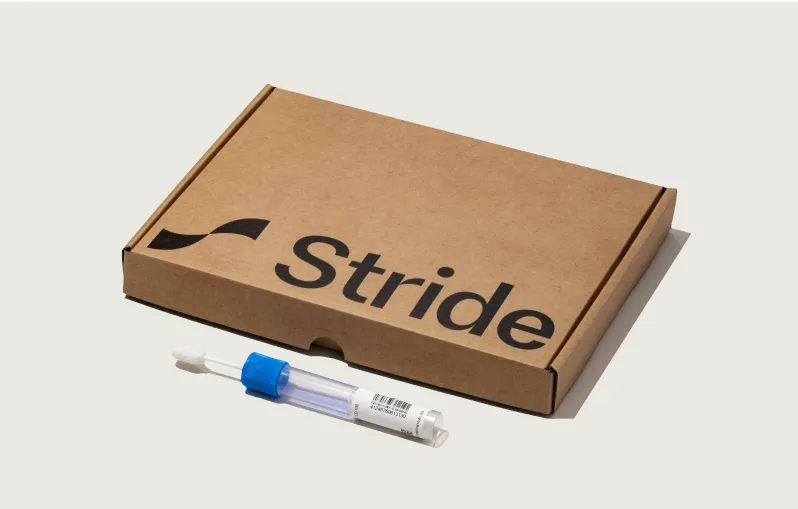







Coeliac disease: could gluten be the problem? Symptoms, genes and testing
Coeliac disease is an autoimmune condition in which gluten triggers an immune response that damages the lining of the small intestine, and a coeliac test UK is one of the most frequently searched health tests because the condition affects roughly 1 in 100 people in the UK yet remains significantly underdiagnosed. Symptoms overlap with IBS, fatigue, and nutrient deficiency, making coeliac disease easy to miss for years. Understanding whether gluten is driving your symptoms requires investigating both the immune response to gluten and the genetic predisposition that makes the condition possible in the first place.

What causes coeliac disease and why does gluten trigger it?
The genetic foundation: HLA-DQ2 and HLA-DQ8
Coeliac disease does not develop without a specific genetic context. Almost all confirmed coeliac disease patients carry variants of the HLA-DQ2 or HLA-DQ8 genes. These genes are found in roughly 30% of the general UK population, yet only around 1% develop coeliac disease, which means the genes are necessary but not sufficient. A negative result for both HLA-DQ2 and HLA-DQ8 essentially rules out coeliac disease with a very high degree of certainty. A positive result indicates genetic susceptibility and warrants further investigation through antibody blood testing, particularly if symptoms are present. The HLA-DQ2.5 variant carries the highest risk, present in approximately 90% of coeliac disease patients, while HLA-DQ8 accounts for most of the remaining cases.
The gluten intolerance immune mechanism
When someone with the coeliac genetic profile is exposed to gluten, a protein found in wheat, barley, and rye, their immune system produces antibodies against tissue transglutaminase (tTG), an enzyme in the gut lining. Over time, this immune response causes villous atrophy, the flattening of the tiny finger-like projections lining the small intestine that are responsible for nutrient absorption. The result is impaired absorption of iron, B12, folate, vitamin D, calcium, and zinc. The gluten intolerance test UK most commonly used in primary care measures tTG-IgA antibody levels as the first screening step.
Non-coeliac gluten sensitivity
Not everyone who experiences symptoms after eating gluten has coeliac disease. Non-coeliac gluten sensitivity produces similar bloating, brain fog, fatigue, and digestive discomfort without the autoimmune antibody response or intestinal damage. It cannot be diagnosed through blood testing but is typically identified by symptom improvement on a gluten-free diet after coeliac disease and wheat allergy have been excluded. The distinction matters for management: coeliac disease requires a strict lifelong gluten-free diet and monitoring for complications, while non-coeliac sensitivity requires dietary management but carries different long-term risks.
Nutrient deficiencies as a consequence of undiagnosed coeliac disease
Because coeliac disease damages the small intestine before diagnosis, many people present with nutrient deficiencies rather than classic digestive symptoms. Iron deficiency anaemia that fails to respond to supplementation is one of the most common presentations. Low ferritin, low B12, low folate, and low vitamin D are all frequently found in newly diagnosed coeliac patients. In some cases, these nutrient consequences are the only visible signal for years. A coeliac blood test at home UK is particularly relevant for people with unexplained iron deficiency anaemia or persistent fatigue when other causes have not been found.
Associated conditions and higher-risk groups
Coeliac disease is more common in people with a first-degree relative who has been diagnosed, with risk approximately 10% in that group. It is also more prevalent in people with type 1 diabetes, Down syndrome, autoimmune thyroid disease, and other autoimmune conditions. Having one autoimmune condition increases the likelihood of others because the underlying immune dysregulation often affects multiple systems. Hashimoto's thyroiditis and coeliac disease, in particular, are found together more frequently than chance would predict. If you have one autoimmune diagnosis and unexplained gut symptoms, coeliac screening is a logical next step.
Dermatitis herpetiformis and extra-intestinal presentations
Coeliac disease does not always present with digestive symptoms. Dermatitis herpetiformis is a blistering itchy skin rash caused by the same immune mechanism as intestinal coeliac disease and responds to a gluten-free diet. Neurological symptoms including peripheral neuropathy and ataxia, as well as mouth ulcers, joint pain, and reproductive health issues, are all recognised extra-intestinal manifestations. These presentations make coeliac disease particularly easy to miss when clinicians focus only on gastrointestinal symptoms.
How to test for coeliac disease
The current UK pathway for coeliac investigation involves antibody blood testing followed by intestinal biopsy in most adults to confirm the diagnosis. Genetic testing plays an important complementary role in specific situations.
tTG-IgA antibody testing is the primary blood screening test. Elevated tTG-IgA in someone eating a gluten-containing diet is highly specific to coeliac disease. It will not be elevated if you have already started a gluten-free diet, which means it is important to continue eating gluten before testing.
Total IgA is measured alongside tTG-IgA because approximately 2-3% of the population have IgA deficiency. In these individuals, tTG-IgA will appear normal even if coeliac disease is present, and an alternative antibody test is required.
Iron, Ferritin, Vitamin D, Vitamin B12, and Folate testing identifies the nutrient deficiencies that accompany undiagnosed coeliac disease and reveals how much damage has already occurred to absorptive capacity.
If a coeliac screen through blood testing is positive, the standard NHS pathway leads to referral for a gastroscopy and intestinal biopsy to confirm the diagnosis before a formal gluten-free diet is recommended. DNA genetic testing can guide this process by confirming whether the genetic predisposition is present, particularly if antibody results are borderline or testing is being done after dietary gluten has already been removed.
Evidence-based strategies for managing coeliac disease
The gluten-free diet and what strict adherence means in practice
The only established treatment for coeliac disease is a lifelong gluten-free diet that excludes all wheat, barley, and rye. Even small amounts of gluten, below the threshold of noticeable symptoms, can trigger ongoing intestinal damage and perpetuate nutrient malabsorption. Cross-contamination in food preparation is a significant source of inadvertent gluten exposure. Strict adherence typically allows the intestinal lining to heal over 12 to 24 months, with nutrient levels normalising as absorption recovers. Tracking ferritin, B12, vitamin D, and folate through regular retesting is the most objective way to confirm that the gut is healing and absorption is improving.
Correcting nutrient deficiencies that accumulated before diagnosis
People newly diagnosed with coeliac disease often begin with significant deficits in iron, B12, folate, and vitamin D built up over years of impaired absorption. Dietary correction alone may be insufficient in the short term, and supplementation guided by blood test results is frequently required. B12 status is particularly important because deficiency can cause neurological symptoms that are reversible if addressed early but become harder to resolve the longer they persist. Tracking biomarker shifts over the first year of a gluten-free diet provides reassurance that absorption is recovering as it should.
Gut microbiome support during and after treatment
The intestinal damage caused by coeliac disease alters the composition of the gut microbiome, and some of this dysbiosis persists even after the gluten-free diet is established. Research suggests that the microbiome of people with coeliac disease differs from healthy controls even when the intestinal mucosa has healed. A varied, fibre-rich gluten-free diet that includes naturally gluten-free whole grains such as oats (for those who tolerate them), quinoa, and brown rice supports microbiome recovery. Fermented foods that introduce live cultures, where tolerated, contribute to bacterial diversity during the gut healing process.
Monitoring for associated conditions over time
Coeliac disease increases the long-term risk of osteoporosis because of calcium and vitamin D malabsorption, particularly when diagnosis is delayed. Bone density assessment, vitamin D tracking, and adequate dietary calcium are all relevant long-term management considerations. Fertility is also affected by undiagnosed coeliac disease, with improvement typically seen after diagnosis and dietary adherence. Annual blood testing that includes bone markers, nutrient status, and inflammatory markers gives the clearest picture of how the body is responding to treatment over time.
Stride tests that can help with Coeliac disease

Health Tests
DNA & Methylation Test
Genetic methylation testing, three levels
From $269 $174.85
Biomarkers
| Biomarker | What it measures | Why it matters | Relevance |
|---|---|---|---|
| HLA-DQ2/DQ8 Gene Test (Coeliac Disease Risk Haplotypes) | Genetic susceptibility markers | Rules in or out the genetic predisposition necessary for coeliac disease | 5 |
| Ferritin Blood Test | Iron storage levels | Iron deficiency anaemia is among the most common presentations of undiagnosed coeliac | 5 |
| Vitamin D Blood Test (25-OH) | 25-OH vitamin D status | Deficiency from impaired gut absorption; raises long-term bone health risk | 4 |
| Active B12 Blood Test (Holotranscobalamin) | Active B12 status | Malabsorbed in coeliac disease; deficiency produces fatigue and neurological symptoms | 4 |
| Folate (Vitamin B9) Blood Test | Folate status | Low in coeliac due to malabsorption; relevant for methylation and pregnancy health | 4 |
| hsCRP Blood Test (High Sensitivity C-Reactive Protein) | Systemic inflammation | Elevated in active gut inflammation associated with ongoing gluten exposure | 3 |
| TSH Blood Test (Thyroid Stimulating Hormone) | Thyroid function | Autoimmune thyroid disease coexists with coeliac more frequently than chance | 3 |
| LDL Cholesterol Blood Test | Cardiovascular risk marker | Coeliac and its related nutrient deficiencies affect lipid metabolism | 2 |
FAQs
What is the difference between coeliac disease and gluten sensitivity or intolerance?
Coeliac disease is a specific autoimmune condition in which gluten triggers an immune response that damages the lining of the small intestine, measurable through tTG-IgA antibodies and confirmed by intestinal biopsy. Non-coeliac gluten sensitivity produces similar symptoms, including bloating, fatigue, and brain fog, without the autoimmune antibody response or intestinal damage. There is no blood test that diagnoses non-coeliac gluten sensitivity: it is identified by excluding coeliac disease and wheat allergy and confirming that symptoms improve on a gluten-free diet. The distinction matters because coeliac disease requires strict lifelong adherence to avoid serious long-term complications, while gluten sensitivity requires dietary management without the same urgency.
How do you test for coeliac disease at home in the UK?
The tTG-IgA antibody test is the primary screening method and requires a blood sample taken while you are still eating gluten regularly. Several private providers offer home coeliac blood test options in the UK. It is important to continue eating gluten for at least six weeks before testing, as antibody levels fall rapidly on a gluten-free diet and a false negative result can delay diagnosis. A genetic coeliac test for HLA-DQ2 and HLA-DQ8 can be done regardless of diet and is particularly useful if you have already gone gluten-free. A negative genetic result on both variants effectively rules out coeliac disease.
Can coeliac disease be present with no digestive symptoms?
Yes. Coeliac disease is notoriously variable in how it presents. Many people with confirmed coeliac disease have no significant digestive symptoms at all and instead present with unexplained iron deficiency anaemia, low ferritin that does not respond to supplementation, mouth ulcers, joint pain, fatigue, neurological symptoms, or a blistering skin rash called dermatitis herpetiformis. This is one reason the average delay between symptoms starting and diagnosis in the UK is estimated to be over a decade. If you have persistent unexplained iron deficiency, recurring mouth ulcers, or a family history of coeliac disease, a coeliac screen is warranted regardless of whether gut symptoms are prominent.
Am I at higher risk of coeliac disease if a family member has it?
Yes. First-degree relatives of people with coeliac disease have a risk of approximately 10% compared with 1% in the general population. The risk is transmitted genetically through the HLA-DQ2 and HLA-DQ8 variants: siblings who share the same HLA genotype as a coeliac family member have the highest risk. Genetic testing provides the clearest picture of susceptibility: a negative result for both HLA-DQ2 and HLA-DQ8 essentially rules out the possibility, while a positive result indicates that blood antibody testing and ongoing vigilance are appropriate.
Is coeliac disease genetic and will it always develop if I have the genes?
The HLA-DQ2 and HLA-DQ8 genes that predispose to coeliac disease are found in around 30% of the UK population, yet only approximately 1% develop the condition. This means the genes are necessary but not sufficient: additional environmental and immunological triggers are required for the condition to become active. Factors such as infections, gut microbiome changes, and significant life stressors have been proposed as potential triggers in genetically susceptible individuals, though the full mechanism remains incompletely understood. Carrying the genes does not mean coeliac disease will develop, but it does mean ongoing vigilance and awareness of symptoms is warranted.
Why does my coeliac blood test keep coming back negative if I feel better without gluten?
A negative tTG-IgA result most commonly reflects one of three things: you have already reduced or eliminated gluten from your diet before testing, meaning antibody levels have normalised; you have an IgA deficiency that makes the standard tTG-IgA test unreliable; or the condition present is non-coeliac gluten sensitivity rather than autoimmune coeliac disease. To get an accurate tTG-IgA result, you need to be eating gluten regularly for at least six weeks before the blood draw. A genetic test for HLA-DQ2 and HLA-DQ8 remains valid regardless of dietary status and can help clarify whether coeliac disease is possible or can be excluded.
What nutrient deficiencies are most common in undiagnosed coeliac disease?
Iron and ferritin deficiency is the most commonly identified nutrient deficiency in undiagnosed coeliac disease, often presenting as iron deficiency anaemia that does not respond to supplementation. Vitamin D deficiency follows closely, with significant implications for bone health over the long term. B12 and folate are malabsorbed in the damaged small intestine, contributing to fatigue, neurological symptoms, and in women of reproductive age, risks during pregnancy. Zinc and magnesium deficiency are also common but less frequently tested. Comprehensive nutrient testing alongside the coeliac screen provides a complete picture of how much nutritional impact the condition has had.
How long after starting a gluten-free diet do coeliac symptoms improve?
The timeline for improvement varies. Digestive symptoms such as bloating, diarrhoea, and abdominal pain often begin to improve within days to weeks of removing gluten. However, full intestinal healing, as confirmed by normal biopsy findings, typically takes one to two years of strict adherence in adults. Nutrient levels in blood, particularly ferritin, B12, and vitamin D, begin to recover as absorption improves but may take six to twelve months to normalise. Retesting nutrient markers at six months and twelve months after diagnosis confirms that the gut is healing and supplements can be adjusted or discontinued as appropriate.
Can coeliac disease affect fertility and pregnancy?
Yes. Undiagnosed coeliac disease is associated with reduced fertility in both men and women, as well as higher rates of miscarriage, intrauterine growth restriction, and low birth weight. The mechanisms include nutrient deficiencies that are essential for reproductive health, including folate, iron, and vitamin D, as well as systemic inflammation affecting hormonal signalling. Diagnosis and adherence to a gluten-free diet prior to conception significantly improves pregnancy outcomes. MTHFR gene variants related to folate and methylation metabolism are particularly relevant to assess alongside coeliac investigation in women planning pregnancy, given the interaction between folate metabolism and both coeliac disease and neural tube development.
Find out what your body is actually trying to tell you.
Answer 8 quick questions and get a free personalised report - covering which area of your biology is most worth looking at first, what testing in that area reveals, and what actions become available once you have that data.
Where do you feel you're operating below your potential right now?
Methylation & Cellular Health
Your biology is signalling a methylation upgrade - here’s what that means and what to do about it.