
Menu
-
Shop All
Contact
hey@getstride.com
Stride Health Group
Stride Health Group Ltd
Company No 05158025
Lamas Road
Badersfield
Norwich
England
NR10 5FB
UK








Maintaining muscle mass: what your biomarkers reveal about muscle health
Maintaining muscle mass is not simply a question of how much you train or how much protein you eat. The biology of muscle maintenance is governed by a network of hormones, inflammatory signals, and nutrients that interact continuously, and that shift in ways most people are unaware of from their mid-thirties onwards. When training stops producing results, or when muscle loss accelerates despite consistent effort, the answer is often found in the biomarkers driving that imbalance. Understanding what your body's signals actually show requires looking at the markers most relevant to muscle health, and this is where targeted testing becomes useful.
What causes muscle loss?
Declining testosterone and anabolic hormones
Testosterone is the most well-studied hormonal driver of muscle mass. It directly stimulates muscle protein synthesis, supports the growth and proliferation of satellite cells (the stem cells that repair and grow muscle tissue), and has anti-catabolic and anti-inflammatory effects on muscle. Research shows testosterone levels decline at approximately 1% per year in total testosterone and 2% per year in free testosterone from the mid-to-late twenties onwards. By their seventies, 40 to 70% of men are likely to have clinically low testosterone levels. This progressive anabolic decline creates an imbalance where the rate of muscle breakdown begins to outpace the rate of repair and synthesis. In women, the hormonal picture is more complex but equally relevant: declining androgens, including testosterone and DHEA, contribute to age-related muscle loss at twice the rate in women compared with men, when adjusted for initial muscle mass.
Falling IGF-1 (insulin-like growth factor 1)
IGF-1 is the principal downstream mediator of growth hormone's effects on muscle tissue. It directly stimulates muscle protein building and repair, and lower IGF-1 is strongly linked to reduced protein synthesis, slower recovery from training, and higher sarcopenia risk. Research shows that the rate of myosin heavy chain synthesis, a key contractile protein in muscle, begins declining at age 50, and that this decline correlates with falling levels of IGF-1 and DHEAS. IGF-1 occupies the somatotropic axis of the anabolic hormone system alongside growth hormone, meaning that interventions supporting sleep quality and resistance training, both of which stimulate natural growth hormone release, also influence IGF-1 levels over time.
Chronic systemic inflammation
Sarcopenia, the age-related loss of skeletal muscle mass and strength, is now understood as having a significant inflammatory component. Chronically elevated inflammatory markers, including CRP and interleukin-6, create a catabolic environment that tilts muscle protein metabolism toward breakdown rather than synthesis. This is sometimes called "inflammaging," the low-grade inflammatory state that accelerates tissue loss with age. Elevated CRP in the context of muscle loss is not just a marker of inflammation but an active driver of it. Tracking CRP over time, alongside interventions including resistance training, dietary changes, and gut health optimisation, gives an objective picture of whether the inflammatory burden is shifting in the right direction.
Vitamin D and muscle receptor function
Skeletal muscle tissue contains vitamin D receptors, and the evidence for vitamin D's role in maintaining muscle function is compelling. Deficiency is associated with reduced muscle fibre size, impaired muscle cell differentiation, and lower muscle strength across age groups. Vitamin D also stimulates IGF-1 production, creating a mechanistic link between a widely prevalent deficiency and two of the most important drivers of muscle mass. In people over 50, subclinical vitamin D insufficiency is extremely common and is rarely investigated in the context of unexplained muscle weakness or slower than expected training response.
Protein status and albumin
Albumin is the primary protein circulating in blood and reflects overall protein nutritional status and systemic inflammation. Low albumin, or low-normal albumin, indicates that the body may not have the protein reserves required to support muscle synthesis and repair. This is most relevant in people who are dieting, under-eating protein, or experiencing significant physiological stress. Research involving sarcopenia biomarkers consistently identifies low albumin as associated with accelerated muscle loss and reduced physical performance. The relationship is bidirectional: insufficient protein drives low albumin, and low albumin reflects a state in which muscle maintenance is compromised.
Gut microbiome and muscle metabolism
The connection between gut health and muscle mass is increasingly well evidenced. The gut microbiome produces short-chain fatty acids that support muscle protein synthesis through IGF-1 and insulin signalling pathways. Gut dysbiosis is associated with elevated systemic inflammation, which directly drives catabolic muscle metabolism. Additionally, impaired gut integrity reduces the absorption efficiency of protein, amino acids, zinc, and other nutrients that the muscle maintenance system depends on. In people experiencing muscle loss alongside digestive symptoms or poor food tolerance, gut microbiome testing alongside a blood biomarker panel can reveal whether gut health is a primary contributor.
DNA and genetic predisposition
DNA methylation testing can reveal genetic variants that affect muscle metabolism, including variants in the ACTN3 gene (which governs muscle fibre type composition), genes involved in testosterone and DHEA metabolism, and methylation patterns that affect the efficiency of protein synthesis pathways. Understanding genetic predisposition helps personalise the nutrition and training strategy for muscle maintenance rather than applying population-average guidance to an individual biology.
How to test for muscle loss and declining muscle health
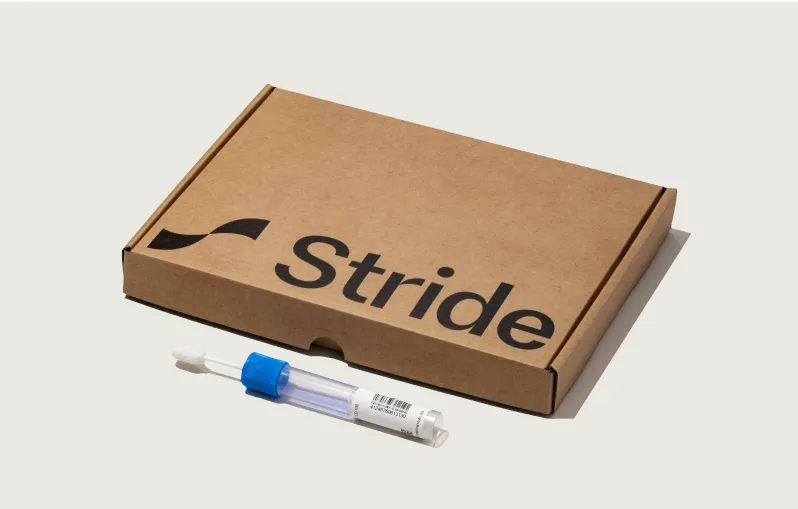
Standard GP testing is unlikely to assess any of the biomarkers most relevant to muscle maintenance. Testosterone may be measured in men reporting symptoms, but IGF-1, inflammation markers, vitamin D, and nutritional status are rarely assessed together in this context.
A comprehensive testing approach for muscle health should include:
Testosterone (total and free) measures the primary anabolic hormone driving muscle protein synthesis and satellite cell activity. Low testosterone is one of the most common and most treatable contributors to accelerated muscle loss.
IGF-1 reflects anabolic drive from the growth hormone axis. Lower levels are associated with reduced protein synthesis and higher sarcopenia risk, and can be influenced by sleep quality, resistance training, and dietary protein.
Vitamin D is consistently linked to muscle fibre quality, muscle strength, and IGF-1 production. Deficiency is common and directly affects the biological machinery of muscle maintenance.
CRP reveals the degree of systemic inflammation creating a catabolic environment. Tracking CRP over time maps the trajectory of the inflammatory driver of muscle loss.
Vitamin B12 and ferritin support the energy metabolism and oxygen delivery that muscle tissue requires for synthesis and repair. Deficiency in either contributes to fatigue and reduced training capacity that compounds muscle loss.
HbA1c reflects metabolic status. Insulin resistance and elevated average blood glucose are associated with accelerated sarcopenia, as insulin is an anabolic signal for muscle protein synthesis.
Home biomarker testing is most useful for people over 35 who are noticing a reduced training response or unexplained muscle loss, and for anyone wanting to build a baseline picture of their muscle health that can be tracked and compared at six-month intervals.
Evidence-based strategies for maintaining muscle mass
Resistance training as a non-negotiable foundation
Resistance training is the single most effective intervention for maintaining muscle mass at any age. It stimulates muscle protein synthesis, drives IGF-1 release, and creates the mechanical stimulus that signals the body to maintain and rebuild muscle tissue. Research consistently shows that two to three sessions per week of progressive resistance training is sufficient to maintain and increase muscle mass in adults of all ages, including those over 70. The key variable is progressive overload: gradually increasing the challenge over time. Tracking biomarkers including IGF-1 and testosterone gives an objective measure of whether the training stimulus is producing the expected anabolic hormonal response.
Protein intake and timing
Adequate protein is the nutritional foundation of muscle maintenance. Research suggests that older adults require 1.0 to 1.2 grams per kilogram of body weight per day to maintain muscle mass, with some evidence suggesting higher intakes of up to 1.6 grams per kilogram in those actively trying to build or preserve muscle. Protein timing matters: distributing intake across three to four meals, with each meal containing 25 to 30 grams of protein, creates a more sustained anabolic environment than concentrating intake in one or two large meals. Leucine, an amino acid particularly abundant in animal proteins, dairy, and certain plant sources including legumes and soy, is the primary trigger for muscle protein synthesis at the cellular level.
Addressing vitamin D and inflammation together
Vitamin D insufficiency and chronic inflammation frequently co-occur and compound each other's effect on muscle loss. Correcting vitamin D through testing-informed supplementation, and reducing systemic inflammation through dietary changes, improved sleep, and gut health support, addresses both drivers simultaneously. Tracking CRP and vitamin D at six-month intervals gives a clear picture of whether these interventions are producing measurable biological change rather than simply feeling better subjectively.
Sleep quality and hormone optimisation
Testosterone and growth hormone are predominantly secreted during deep sleep. Consistently poor or insufficient sleep directly suppresses the anabolic hormone environment that muscle maintenance depends on. The relationship between sleep and IGF-1 is well established: even one or two nights of reduced sleep quality produce measurable reductions in circulating growth hormone and its downstream effects. Optimising sleep quality and sleep timing, alongside testing the hormonal markers that reflect anabolic status, gives both the intervention and the objective measure of its effect.
Stride tests that can help with Maintaining muscle mass

Health Tests
DNA & Methylation Test
Genetic methylation testing, three levels
From €189 €122.85
Biomarkers
| Biomarker | What it measures | Why it matters | Relevance |
|---|---|---|---|
| Testosterone Blood Test | Primary anabolic sex hormone | Directly drives muscle protein synthesis and satellite cell activity; declines approximately 1% per year from the late twenties | 5 |
| Vitamin D Blood Test (25-OH) | 25-OH vitamin D status | Supports muscle fibre quality, muscle cell differentiation, and IGF-1 production | 5 |
| hsCRP Blood Test (High Sensitivity C-Reactive Protein) | Systemic inflammation | Chronic low-grade inflammation drives catabolic muscle metabolism; elevated CRP is an active driver of sarcopenia | 5 |
| HbA1c Blood Test (Glycated Haemoglobin) | Average blood glucose | Insulin resistance accelerates sarcopenia; HbA1c reveals whether metabolic status is supporting or undermining anabolic signalling | 4 |
| Active B12 Blood Test (Holotranscobalamin) | Active B12 status | Supports energy metabolism and cell replication required for muscle repair and maintenance | 4 |
| Ferritin Blood Test | Iron storage levels | Low ferritin impairs oxygen delivery to muscle tissue and compromises training capacity and repair | 3 |
| LDL Cholesterol Blood Test | Low-density lipoprotein | Metabolic health marker; patterns interact with testosterone metabolism and cardiovascular supply to muscle | 2 |
| ACTN3 Gene Test (Alpha-Actinin-3) | Genetic muscle fibre type and biological age | Reveals genetic predispositions affecting muscle fibre composition and methylation patterns influencing anabolic gene expression | 4 |
FAQs
What blood tests show muscle health?
The most relevant blood tests for muscle health cover four areas: anabolic hormone status (testosterone, IGF-1), systemic inflammation (CRP), nutritional support (vitamin D, ferritin, B12), and metabolic function (HbA1c). Testosterone is the most commonly tested of these, but in isolation it provides an incomplete picture. Someone with adequate testosterone but low vitamin D, elevated CRP, and borderline HbA1c will still experience accelerated muscle loss because the supporting systems are compromised. Testing all relevant markers together, and comparing them to your own baseline over time, is considerably more informative than any single result. DNA testing adds genetic context, including ACTN3 muscle fibre type variants and methylation patterns affecting anabolic gene expression.
Can low testosterone cause muscle loss?
Yes, low testosterone is one of the most direct hormonal causes of muscle loss. Testosterone stimulates muscle protein synthesis, supports the activity of satellite cells (the muscle stem cells that repair and grow tissue), and inhibits inflammatory cytokines that drive catabolism. The decline in testosterone that begins in the late twenties is gradual enough that most people do not notice its effect until the cumulative deficit becomes significant, typically in the forties and fifties. Testing both total and free testosterone together is important: total testosterone may appear in the normal range while free testosterone, the biologically active fraction, is considerably lower due to elevated sex hormone-binding globulin (SHBG), which binds testosterone and removes it from circulation. This pattern is more common than is generally recognised.
What causes muscle loss in women?
Muscle loss in women is driven by many of the same hormonal and nutritional factors as in men, but with some important differences. Women develop sarcopenia at twice the rate of men per unit of initial muscle mass, in part because they have lower baseline testosterone levels and therefore less hormonal buffer against age-related anabolic decline. Declining oestrogen during perimenopause and menopause also affects muscle by reducing insulin sensitivity and increasing inflammatory markers. DHEA, produced by the adrenal glands in both sexes, declines with age and contributes to muscle loss through effects on androgen and IGF-1 signalling. Vitamin D deficiency, elevated CRP, and low ferritin are common contributing factors in women that are frequently overlooked when muscle loss is attributed simply to ageing or reduced activity.
Does inflammation cause muscle loss?
Yes. Chronic systemic inflammation drives muscle loss through a direct catabolic mechanism. Inflammatory cytokines, including interleukin-6 and TNF-alpha, activate protein breakdown pathways in muscle tissue and suppress the anabolic signalling that drives synthesis. This inflammatory-driven muscle loss is distinct from the acute muscle damage that occurs during exercise, which triggers repair and growth. The problem is chronic, low-grade inflammation that persists without a recovery stimulus. CRP is the most accessible marker of this inflammatory burden. Reducing it through consistent dietary changes, improved sleep, gut health support, and resistance training directly improves the anabolic-catabolic balance in muscle tissue. Tracking CRP over time gives objective evidence of whether interventions are reducing the inflammatory driver of muscle loss.
How does gut health affect muscle mass?
The connection between gut health and muscle maintenance operates through several pathways. The gut microbiome produces short-chain fatty acids that support IGF-1 signalling and insulin sensitivity, both of which drive muscle protein synthesis. Gut dysbiosis is associated with elevated systemic inflammation, which creates the catabolic environment that accelerates muscle loss. The gut also governs the absorption of key muscle-supporting nutrients including protein, amino acids, zinc, and B vitamins. Even with a high protein intake, poor gut absorptive capacity can limit how much of that protein reaches muscle tissue in usable form. People experiencing muscle loss alongside digestive symptoms, poor food tolerance, or frequent illness should consider combining gut microbiome testing with a blood biomarker panel to identify whether gut health is a contributing factor.
Can you reverse age-related muscle loss?
Yes, age-related muscle loss is substantially reversible at most ages with the right combination of progressive resistance training, adequate protein intake, and correction of the underlying hormonal and nutritional factors driving it. Research consistently shows that resistance training produces meaningful increases in muscle mass and strength even in adults over 70. The key is identifying the specific biological obstacles in your individual case: is the limiting factor low testosterone, vitamin D deficiency, chronic inflammation, blood glucose instability, or a combination? Testing gives you the specific targets to address rather than applying generic strategies that may not match your biology. Tracking biomarkers including testosterone, CRP, and vitamin D at six-month intervals lets you see whether your interventions are moving the relevant markers and whether those marker changes correspond to the muscle mass outcomes you are tracking.
What is sarcopenia and when does it start?
Sarcopenia is the progressive, age-related loss of skeletal muscle mass, strength, and function. It is not simply a consequence of reduced physical activity, although inactivity accelerates it. The biological drivers include declining anabolic hormones (testosterone, IGF-1, growth hormone), rising inflammatory markers, insulin resistance, nutrient insufficiencies, and changes in muscle cell signalling with age. Sarcopenia can begin as early as the mid-thirties, with the rate of loss typically accelerating from the fifties onwards. At its most severe, sarcopenia is associated with reduced mobility, higher fall risk, impaired metabolic function, and increased cardiovascular risk. The significant opportunity is that the biological drivers of sarcopenia are measurable and many are modifiable, making early biomarker testing a practical tool for prevention rather than just diagnosis.
Does protein intake affect testosterone levels?
Dietary protein does not directly raise testosterone in people with adequate nutritional status, but protein insufficiency is associated with lower testosterone levels and accelerated muscle catabolism. Adequate protein is a precondition for the anabolic environment in which testosterone can do its work: without sufficient amino acid availability, muscle protein synthesis cannot proceed effectively even when testosterone is normal. Very high protein intakes in the absence of caloric adequacy (common in people dieting aggressively) are also associated with lower testosterone, because extreme caloric restriction reduces the substrate available for steroid hormone synthesis. The practical application is to maintain protein intake of at least 1.2 to 1.6 grams per kilogram of body weight, distribute it across meals, and track both testosterone and body composition over time to ensure the protein strategy is translating into the expected outcomes.
Find out what your body is actually trying to tell you.
Answer 8 quick questions and get a free personalised report - covering which area of your biology is most worth looking at first, what testing in that area reveals, and what actions become available once you have that data.
Where do you feel you're operating below your potential right now?
Methylation & Cellular Health
Your biology is signalling a methylation upgrade - here’s what that means and what to do about it.