
Menu
-
Shop All
Contact
hey@getstride.com
Stride Health Group
Stride Health Group Ltd
Company No 05158025
Lamas Road
Badersfield
Norwich
England
NR10 5FB
UK









Acne: could hormones or gut health be the root cause?
Acne causes go well beyond blocked pores. In adults especially, persistent acne that does not fully respond to topical treatments often has an underlying hormonal or metabolic driver that a skin examination cannot reveal but a blood test can. Whether it is elevated androgens, insulin resistance, gut dysbiosis, or a combination of these, the internal biology driving acne is now well characterised, and an acne blood test UK approach that covers hormones, metabolic markers, and gut health provides the clearest path to identifying what is actually causing the breakouts.
What causes adult acne?
Androgens and sebum production
Androgens (male sex hormones, including testosterone and its more potent derivative DHT) are the primary biological driver of acne in both men and women. Androgens activate sebaceous (oil) glands in the skin, increasing sebum production. Excess sebum combines with dead skin cells to block follicles, creating the environment in which Cutibacterium acnes bacteria proliferate and trigger inflammation, producing the papules, pustules, and cysts characteristic of acne. Even small increases in androgen levels, or increased skin sensitivity to normal androgen levels, can produce significant sebaceous gland activation.
In women, free testosterone (the biologically active fraction not bound to proteins) is particularly relevant. The amount of free testosterone available to androgen receptors in the skin is determined by both total testosterone and SHBG (sex hormone binding globulin). When SHBG is low, more testosterone is biologically active, even when total testosterone appears within normal range. This is why testing testosterone alongside SHBG is more informative than testosterone alone for understanding androgen-driven acne.
Insulin resistance and its effect on androgen production
Insulin resistance is one of the most important and most commonly overlooked contributors to adult acne. Elevated insulin drives the ovaries and adrenal glands to produce more androgens, directly worsening the hormonal picture that drives sebum production. In women with PCOS (polycystic ovary syndrome, which affects around 1 in 10 women in the UK), insulin resistance and elevated androgens operate together as a self-reinforcing cycle: insulin drives androgen production, androgens worsen insulin resistance, and both together produce acne, irregular periods, and other PCOS features.
The relationship between diet, insulin, and acne is well supported. High glycaemic load diets (those high in refined carbohydrates and sugar) produce significant post-meal insulin spikes that stimulate androgen production through the same mechanism. This is one reason why dietary change is often effective for acne, and why blood markers of insulin regulation (HbA1c, fasting glucose) are clinically relevant to a comprehensive acne assessment.
Gut dysbiosis and the skin-gut axis
The connection between gut health and skin health is mechanistically established. A disrupted gut microbiome (dysbiosis) contributes to acne through several pathways. Gut dysbiosis increases intestinal permeability, allowing bacterial components to enter circulation and trigger systemic inflammation that worsens skin inflammation. The gut microbiome also influences the metabolism and circulation of sex hormones: bacteria in the gut regulate the enterohepatic recycling of oestrogen and androgens, meaning that microbiome imbalances can alter circulating hormone levels independently of production. Research in the journal Frontiers in Endocrinology has found that elevated levels of specific bacterial genera (including Bacteroides) correlate with higher testosterone concentrations in women, pointing to a direct role for microbiome composition in androgen regulation.
Additionally, the gut produces a significant proportion of the body's serotonin and other neurotransmitters, and gut-brain axis disruption amplifies the stress response that worsens cortisol-driven sebaceous gland activity. People who notice their skin worsens under stress often have both elevated cortisol and gut dysbiosis working together.
PCOS and acne
PCOS is the most common hormonal cause of persistent adult acne in women. The Rotterdam criteria for PCOS diagnosis require two of three features: oligo-ovulation (irregular or absent periods), clinical or biochemical signs of androgen excess (including acne), and polycystic ovarian morphology on ultrasound. Acne alone, particularly in women with otherwise regular cycles, may reflect PCOS even without the other features being immediately apparent. Blood testing in suspected PCOS should include testosterone, SHBG, LH, FSH, and HbA1c as a minimum, with DHEA-S providing context for adrenal androgen contribution.
Between 50 and 80% of women with PCOS have insulin resistance, which is the central metabolic feature driving the androgen elevation. Testing the metabolic picture alongside the hormonal picture is essential because the most effective interventions for PCOS-related acne (dietary changes, weight management, and metformin in some cases) target the metabolic root cause rather than the skin directly.
Cortisol and stress-driven acne
The adrenal glands produce both cortisol and androgens, and sustained cortisol elevation stimulates adrenal androgen output alongside the primary stress hormone response. This is why stress produces acne flares even in people whose hormonal profile is otherwise well-balanced. Cortisol also worsens insulin resistance through its effects on blood glucose regulation, creating an additional pathway from stress to sebum production. Measuring cortisol alongside androgens and metabolic markers provides a more complete picture of the combined hormonal drivers.
Nutritional factors
Zinc plays a direct role in regulating sebaceous gland activity and has anti-inflammatory effects in skin tissue. Zinc deficiency has been associated with acne severity, and zinc supplementation in deficient individuals has shown benefit in some clinical studies. Vitamin D deficiency is associated with impaired immune regulation in the skin and higher rates of inflammatory acne. Both markers are worth including in an acne blood test panel, particularly for people whose diet is low in these nutrients or who have absorption impairments.
How to test for the hormonal and metabolic causes of acne
A GP assessment for acne rarely includes hormonal or metabolic testing beyond a basic check for PCOS if periods are irregular. For adults with persistent acne, particularly women with acne alongside other features such as irregular cycles, excess facial hair, or weight management difficulty, a comprehensive hormonal acne test provides the biological context for targeted rather than symptomatic treatment.
Testosterone establishes androgen levels. In women, total testosterone may appear normal while free testosterone (determined by SHBG) is elevated enough to drive sebaceous gland overactivity.
SHBG (sex hormone binding globulin) determines how much testosterone is biologically active. Low SHBG is common in PCOS and insulin resistance, and significantly amplifies androgenic effects on skin even when total testosterone is within range.
LH and FSH provide context for ovulatory function and the LH-to-FSH ratio that characterises PCOS.
HbA1c reflects average blood glucose over three months and provides the clearest picture of insulin regulation. Elevated HbA1c indicates insulin resistance, the metabolic driver that amplifies androgen production.
Cortisol measured in the morning establishes the baseline adrenal hormone output that contributes to both androgen production and insulin dysregulation.
CRP (C-reactive protein) measures systemic inflammation. In people whose acne is driven by gut dysbiosis and elevated intestinal permeability, CRP is often mildly elevated even in the absence of other inflammatory conditions.
Vitamin D and zinc (where available) complete the nutritional picture, since deficiency in either can worsen inflammatory acne.
Evidence-based lifestyle strategies for hormonal acne
Dietary glycaemic load reduction
The most consistently evidence-supported dietary intervention for acne is reducing dietary glycaemic load. Foods that produce rapid glucose spikes (white bread, processed cereals, sugar-sweetened foods and drinks) drive insulin peaks that stimulate androgen production and worsen sebum output. Replacing these with complex carbohydrates (oats, legumes, vegetables), adequate protein, and healthy fats reduces the insulin burden while maintaining energy. This is a sustained dietary pattern rather than a temporary elimination, and tracking HbA1c at 3 months provides an objective measure of whether blood sugar regulation is improving.
Supporting a diverse gut microbiome
Dietary diversity is the most evidence-supported strategy for improving gut microbiome composition. The 30 plants per week target, encompassing a varied range of vegetables, fruits, legumes, wholegrains, nuts, and seeds, provides the range of prebiotic fibres that different beneficial bacterial species require. Fermented foods including natural yoghurt, kefir, kimchi, and sauerkraut introduce beneficial bacteria and support microbiome diversity. Reducing ultra-processed food consumption reduces the dietary environment that promotes dysbiosis and the inflammation associated with it. Retesting gut microbiome composition after a 3-month dietary change provides an objective picture of how the microbiome has responded.
Stress management and cortisol regulation
For acne that flares predictably with stress, the adrenal androgen pathway is likely involved alongside direct cortisol-driven sebaceous gland activation. Interventions that measurably reduce cortisol output, including adequate sleep, structured recovery within the day, and practices that activate the parasympathetic nervous system, reduce the adrenal contribution to androgen production. Tracking cortisol at baseline and after a period of structured stress management quantifies whether the intervention is producing a biological response, independent of the subjective experience of feeling less stressed.
Zinc and vitamin D support
For people with confirmed zinc or vitamin D deficiency, supplementation has a more direct evidence base for acne improvement than for those with adequate levels. Zinc supplementation in deficient individuals at doses of 30-45mg of elemental zinc daily has shown benefit in several clinical studies. Correcting vitamin D deficiency supports immune regulation in the skin and reduces the inflammatory component of acne. Both should be tested before supplementation and retested at 3 months to confirm that target levels are being achieved.
Stride tests that can help with Acne
Health Tests
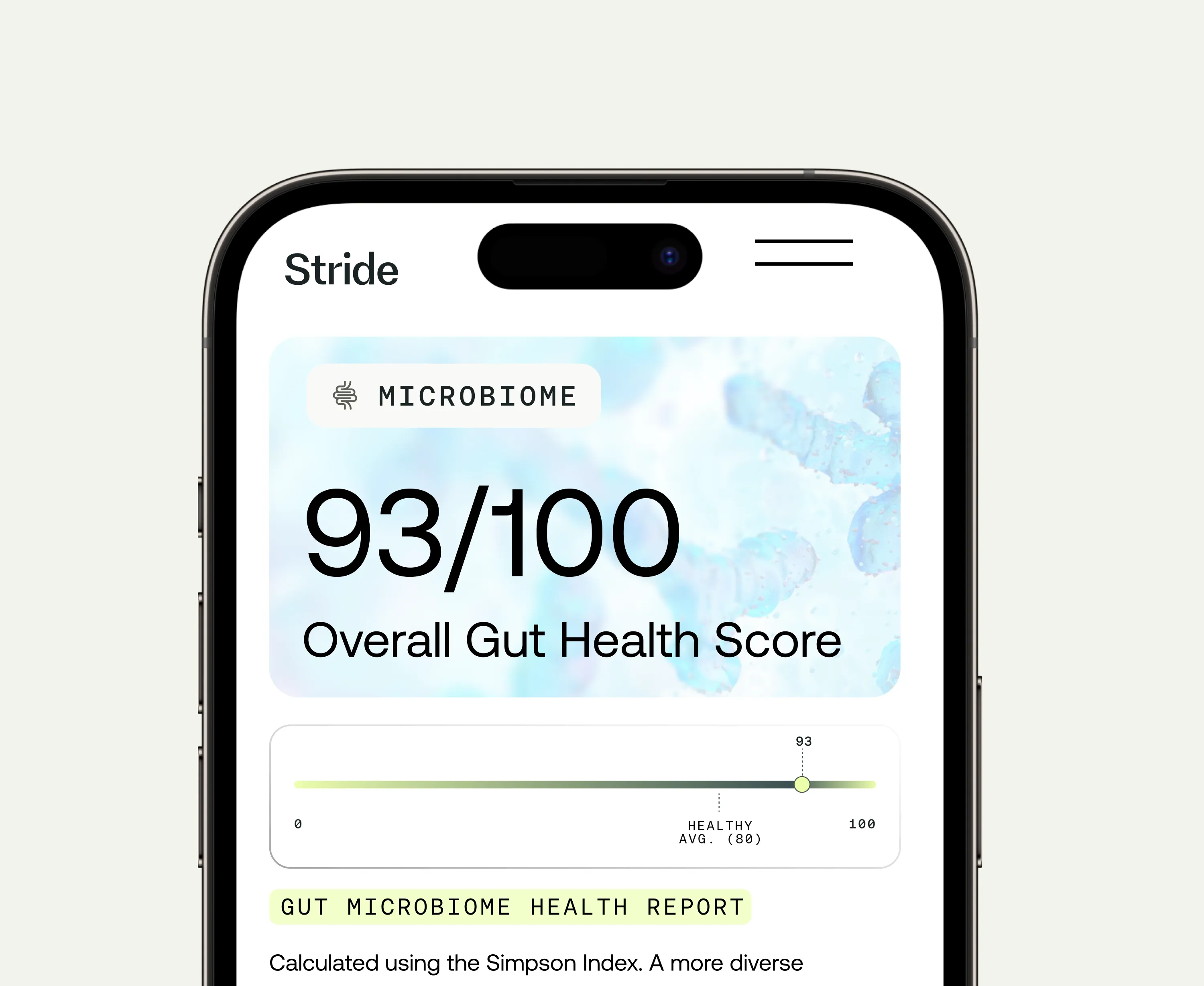
Optimal Biome
Gut microbiome test for comprehensive analysis & personalized health solutions
From €459 €321.30
Biomarkers
| Biomarker | What it measures | Why it matters | Relevance |
|---|---|---|---|
| Testosterone Blood Test | Androgen levels | Primary hormonal driver of sebum production; best interpreted alongside SHBG | 5 |
| Sex Hormone Binding Globulin (SHBG) Blood Test | Sex hormone binding globulin | Determines biologically active free testosterone; low SHBG amplifies androgenic acne | 5 |
| HbA1c Blood Test (Glycated Haemoglobin) | Average blood glucose over 3 months | Elevated levels indicate insulin resistance, the metabolic driver of androgen excess | 5 |
| Cortisol Blood Test | Adrenal stress hormone | Drives adrenal androgen production and worsens insulin resistance | 4 |
| Vitamin D Blood Test (25-OH) | 25-OH vitamin D status | Deficiency associated with impaired immune regulation in skin and more inflammatory acne | 4 |
| TSH Blood Test (Thyroid Stimulating Hormone) | Thyroid function | Thyroid disorders can co-occur with acne and hormonal imbalances | 3 |
| Active B12 Blood Test (Holotranscobalamin) | Active B12 status | B12 deficiency affects skin health; also relevant given that high-dose B12 supplementation can trigger acne in some people | 3 |
| Ferritin Blood Test | Iron storage levels | Iron deficiency co-occurs frequently with the hormonal causes of acne | 2 |
FAQs
Can a blood test diagnose hormonal acne?
A blood test cannot diagnose acne itself, which is a clinical diagnosis, but it can identify the internal hormonal and metabolic drivers that are causing or amplifying it. Testosterone, SHBG, HbA1c, LH, and FSH together reveal whether elevated androgens and insulin resistance are contributing. Cortisol provides context for the adrenal androgen pathway. CRP indicates whether systemic inflammation is part of the picture. This information changes treatment decisions: someone with confirmed insulin resistance and elevated free testosterone is more likely to benefit from dietary changes targeting blood sugar alongside hormonal management, rather than topical treatments alone.
How do you know if your acne is hormonal?
Several clinical patterns suggest a hormonal contribution to acne. In women, these include acne that flares predictably in the week before a period, acne concentrated along the jaw and lower face (the androgen-sensitive distribution), acne that did not respond to standard topical treatments or antibiotics, acne accompanied by irregular periods or excess facial hair, and acne that developed or worsened after stopping hormonal contraception. None of these patterns is diagnostic on their own, but their presence alongside an elevated free testosterone or low SHBG on a blood test provides strong evidence that androgens are the primary driver. HbA1c is also important because many women with apparent hormonal acne have underlying insulin resistance that is directly stimulating the androgen production.
Can gut health affect acne?
Yes. The gut-skin axis is mechanistically established and clinically relevant. Gut dysbiosis (imbalanced microbiome composition) increases intestinal permeability, allowing bacterial components to enter circulation and trigger systemic inflammation that worsens skin inflammation. The gut microbiome also influences the metabolism of sex hormones including oestrogen and androgens, meaning that microbiome composition can affect circulating androgen levels independently of production. Research has found correlations between elevated levels of specific bacterial genera and higher testosterone in women. People with acne frequently have altered gut microbiome profiles compared with controls, and improvements in microbiome diversity through dietary change or probiotic supplementation have shown acne-related benefits in some clinical studies.
Does PCOS always cause acne?
No. PCOS has a spectrum of presentations and acne is one feature, not a universal one. Some women with PCOS have acne as a prominent feature, while others present primarily with irregular periods or fertility concerns with minimal skin involvement. The features that predict an acne-prominent PCOS presentation include higher free testosterone, lower SHBG, and more pronounced insulin resistance, all of which increase the androgenic drive to sebaceous glands. Women with PCOS who do not have acne often have better SHBG levels that reduce the biological activity of their androgens at the skin level. Blood testing quantifies which features are present and to what degree, guiding which treatment approaches are most likely to help.
Can insulin resistance cause acne?
Yes. Elevated insulin stimulates androgen production in the ovaries (via LH sensitisation) and adrenal glands, and also reduces SHBG, increasing the proportion of testosterone that is biologically active. The net effect is increased androgen activity at sebaceous glands, driving excess sebum production and acne. This mechanism explains why high glycaemic diets (which produce sustained insulin spikes) worsen acne in susceptible individuals, and why interventions that improve insulin sensitivity (dietary change, resistance training, and in some cases metformin or GLP-1 medications for women with PCOS) can produce clinically meaningful acne improvement. HbA1c is the most practical blood marker for tracking improvement in insulin regulation over time.
What dietary changes help with hormonal acne?
The dietary changes with the most evidence for acne improvement target the insulin-androgen pathway. Reducing dietary glycaemic load (prioritising complex carbohydrates, limiting refined sugars and processed foods) reduces insulin spikes that drive androgen production. Adequate dietary zinc (from meat, shellfish, seeds, and legumes) supports sebaceous gland regulation. Omega-3 fatty acids (from oily fish, flaxseed, walnuts) reduce inflammatory activity in the skin. Fermented foods support gut microbiome diversity, which may indirectly reduce the gut-driven inflammation that worsens acne. Dairy remains a debated topic: some evidence suggests that skimmed milk in particular stimulates IGF-1 production and worsens acne in susceptible individuals, though the evidence is not consistent across all dairy types. The most useful approach is establishing a blood baseline (particularly HbA1c, testosterone, and SHBG), making consistent dietary changes, and retesting at 3 months to see whether the hormonal and metabolic drivers are shifting.
Can the gut microbiome be tested for acne?
Gut microbiome testing does not diagnose acne, but it can reveal whether the gut environment is contributing to systemic inflammation and hormonal dysregulation in ways that worsen skin outcomes. A comprehensive microbiome test identifies the composition and diversity of the gut bacterial community, markers of gut barrier function, and the presence or absence of bacterial species associated with short-chain fatty acid production (which supports gut barrier integrity and immune regulation). If acne is accompanied by digestive symptoms, bloating, irregular bowel habits, or significant stress sensitivity, gut microbiome testing alongside the hormonal blood panel provides a more complete picture of the biological drivers. Knowing whether gut dysbiosis is part of the acne picture guides whether gut-directed interventions (dietary fibre, probiotics, fermented foods) should be prioritised alongside hormonal management.
Why does adult acne get worse with stress?
Stress activates the HPA axis, causing the adrenal glands to produce more cortisol. The adrenal glands also produce androgens (particularly DHEA-S, which converts to testosterone), and cortisol elevation stimulates this adrenal androgen output alongside the cortisol response. This is one mechanism by which stress directly worsens acne. Cortisol also worsens insulin resistance by raising blood glucose (preparing the body for the energy demands of the perceived threat), which further amplifies androgen production through the insulin-androgen pathway described above. Additionally, chronic stress disrupts gut microbiome composition and increases intestinal permeability, adding the gut-skin inflammatory component. This is why stress-related acne flares can be severe and why both cortisol management and gut health support are relevant components of an integrated acne management approach.
Find out what your body is actually trying to tell you.
Answer 8 quick questions and get a free personalised report - covering which area of your biology is most worth looking at first, what testing in that area reveals, and what actions become available once you have that data.
Where do you feel you're operating below your potential right now?
Methylation & Cellular Health
Your biology is signalling a methylation upgrade - here’s what that means and what to do about it.