
Menu
-
Shop All
Contact
hey@getstride.com
Stride Health Group
Stride Health Group Ltd
Company No 05158025
Lamas Road
Badersfield
Norwich
England
NR10 5FB
UK









Symptoms of an underactive thyroid
Symptoms of an underactive thyroid is one of the most searched health questions in the UK, where hypothyroidism affects roughly 1 in 20 people. An underactive thyroid means the gland is not producing enough thyroid hormone, slowing the metabolic processes that regulate energy, mood, weight, body temperature, and cognition. The challenge is that many of these symptoms overlap with other conditions, making it easy to spend years attributing them to stress, poor sleep, or getting older. Understanding what is driving your symptoms specifically requires looking at the biomarkers most commonly involved, and this is where targeted testing becomes useful.
What causes an underactive thyroid?
Autoimmune disease (Hashimoto's thyroiditis)
The most common cause in the UK. The immune system generates antibodies, primarily anti-TPO (anti-thyroid peroxidase) and anti-Tg (anti-thyroglobulin), that gradually damage thyroid tissue and reduce hormone output over time. Hashimoto's can be active for years before TSH levels shift enough to register as abnormal on a standard thyroid function test. Testing for thyroid antibodies provides earlier visibility into this process, particularly in people with borderline results and a family history of thyroid disease.
Nutrient depletions affecting thyroid hormone production
Several micronutrients are essential for thyroid hormone synthesis and conversion. Selenium is required for the enzyme that converts T4 (the storage form) into T3 (the active form). Iron and ferritin deficiency impairs this same conversion pathway, contributing to persistent tiredness even when TSH appears within the normal range. Iodine is the raw material for thyroid hormone itself, and suboptimal intake, particularly in people avoiding dairy and seafood, can reduce output without triggering autoimmunity. A comprehensive thyroid blood test UK should include these co-factors, not just TSH.
Stress and cortisol dysregulation
Chronic stress elevates cortisol, which can suppress the pituitary's TSH signal and directly impair the T4-to-T3 conversion that happens in peripheral tissues, particularly the liver and gut. This creates a thyroid picture that looks borderline on standard panels but feels significantly symptomatic in the individual. It is one reason why many people with low-normal TSH still experience classic hypothyroid symptoms. Testing both the thyroid markers and a broader metabolic panel gives a more complete picture of what is driving the pattern.
Previous thyroid treatment or surgery
People who have received radioiodine therapy for hyperthyroidism, or had partial or total thyroid surgery, frequently develop hypothyroidism as a result. Their thyroid hormone levels typically require more frequent monitoring than the standard NHS review cycle provides, and many benefit from tracking Free T3 alongside TSH and Free T4 to assess how well conversion is working, not just how much T4 is being produced.
Medications and co-existing conditions
Lithium, amiodarone, and certain immunotherapy drugs can impair thyroid function as a side effect. Type 1 diabetes, coeliac disease, and other autoimmune conditions all carry an elevated risk of co-occurring thyroid disease, because the underlying immune dysregulation often affects multiple glands and tissues simultaneously. If you have one autoimmune condition, periodic thyroid screening is a reasonable precaution.
Ageing and hormonal transitions
Thyroid function naturally changes over time. Rates of subclinical hypothyroidism (elevated TSH with normal T4 and no obvious symptoms) increase with age. Perimenopause and menopause create additional complexity because oestrogen changes interact with thyroid hormone transport proteins, meaning that standard reference ranges can be less informative during this period. Tracking thyroid markers across time, rather than as a single snapshot, gives a clearer signal.
How to test for an underactive thyroid
Standard NHS testing typically measures TSH alone. If TSH is elevated, Free T4 is added in a second step. Free T3, thyroid antibodies, and the nutrient co-factors that directly affect thyroid hormone conversion are rarely included in a standard panel. This means that people with Hashimoto's in its early stages, subclinical hypothyroidism, or impaired T4-to-T3 conversion may receive results described as normal while continuing to experience symptoms.
A more comprehensive approach to thyroid function testing measures the full picture in a single draw:
TSH shows whether the pituitary is signalling for more thyroid hormone. An elevated TSH is usually the first sign that the thyroid is underperforming.
Free T4 measures how much of the storage form of thyroid hormone is circulating. It can be normal even when conversion to T3 is impaired.
Free T3 reflects the active, usable form of thyroid hormone at the tissue level. This is the marker most closely linked to how you actually feel. Many people have adequate T4 but low T3, which means standard panels miss the conversion problem entirely.
Anti-TPO antibodies identify autoimmune activity against the thyroid. A positive result, even with normal TSH, significantly changes the clinical picture and often explains why symptoms precede out-of-range hormone levels.
Ferritin, vitamin D, and B12 are key co-factors that interact directly with thyroid function. Their deficiency can mimic or worsen hypothyroid symptoms, and they are rarely included in a standard thyroid screen.
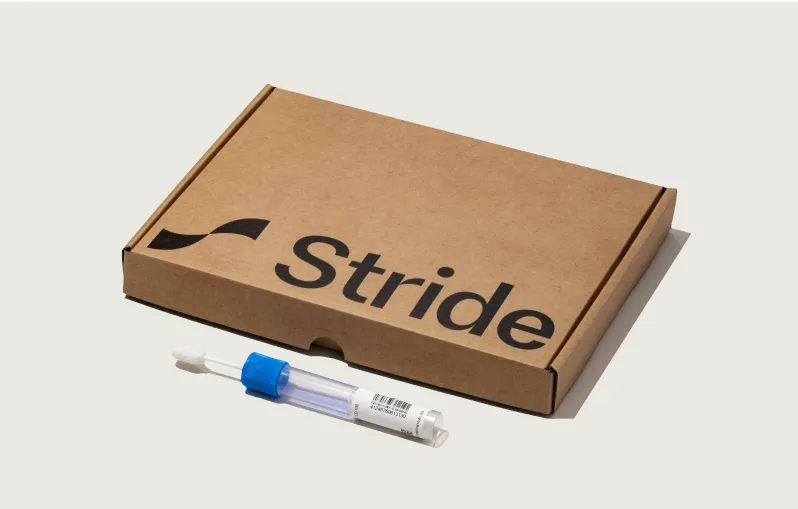
If your GP has already tested TSH and it is elevated, they will typically refer you to an endocrinologist or begin a trial of levothyroxine. Home thyroid testing is most useful for people whose symptoms are present but whose standard tests have returned borderline or normal results, and for those who want to monitor thyroid function and its co-factors more frequently than NHS appointments allow.
Evidence-based strategies to support thyroid health
Nutrition and thyroid-supportive micronutrients
Dietary iodine, selenium, iron, and zinc all have specific roles in thyroid hormone production and conversion. Good food sources of selenium include Brazil nuts (two per day provides a full daily dose), eggs, and oily fish. Iron-rich foods such as red meat, lentils, and fortified cereals support ferritin levels, which directly affect T4-to-T3 conversion. If you follow a plant-based diet, monitoring ferritin and iodine is particularly important given the reduced bioavailability from plant sources. Tracking these biomarkers over time is the most reliable way to know whether your dietary approach is keeping your levels in the range your thyroid needs.
Managing stress and cortisol
Consistently elevated cortisol impairs thyroid hormone conversion and TSH signalling. Practices that measurably reduce cortisol output, including regular low-intensity exercise, adequate sleep, and structured recovery time, have been shown to support more consistent thyroid function. These are not soft wellness suggestions: the HPA axis and HPT axis (hypothalamic-pituitary-thyroid) are directly connected at a biochemical level, and optimising one system creates conditions for the other to function more effectively.
Sleep quality and circadian rhythm
TSH secretion follows a circadian rhythm, peaking in the early hours of the morning and falling through the day. Disrupted sleep, particularly when combined with irregular sleep timing, interferes with this natural pulse and can contribute to suboptimal TSH patterns. Prioritising consistent sleep timing, alongside assessing sleep quality, is a meaningful lever for people with borderline thyroid results.
Gut health and thyroid hormone conversion
Approximately 20% of T4-to-T3 conversion happens in the gut, mediated by specific bacterial enzymes. Gut dysbiosis reduces conversion efficiency and may also increase intestinal permeability, which is associated with a higher rate of autoimmune thyroid conditions. If you have thyroid symptoms alongside digestive issues such as constipation, bloating, or irregular bowel habits, assessing your microbiome alongside your thyroid markers can reveal whether gut health is a contributing factor. Tracking biomarker shifts across both systems, over time, is how you understand whether the changes you are making are actually working for your biology.
Stride tests that can help with Underactive thyroid
Biomarkers
| Biomarker | What it measures | Why it matters | Relevance |
|---|---|---|---|
| TSH Blood Test (Thyroid Stimulating Hormone) | Pituitary signal for thyroid hormone production | The primary screening marker; elevated TSH indicates the thyroid is underperforming | 5 |
| FT4 (Free Thyroxine) Blood Test | Circulating storage form of thyroid hormone | Shows how much T4 is available; can be normal even when conversion to T3 is impaired | 5 |
| FT3 Blood Test (Free Triiodothyronine) | Active, usable form of thyroid hormone | The marker most closely linked to symptoms; often missed by standard panels | 5 |
| TPO Antibodies (Thyroid Peroxidase Antibodies) Blood Test | Autoimmune activity against thyroid tissue | Identifies Hashimoto's thyroiditis; can be elevated years before TSH shifts | 4 |
| Ferritin Blood Test | Iron storage levels | Low ferritin impairs T4-to-T3 conversion and independently causes fatigue | 4 |
| Vitamin D Blood Test (25-OH) | 25-OH vitamin D status | Deficiency is associated with higher rates of autoimmune thyroid disease | 4 |
| Active B12 Blood Test (Holotranscobalamin) | Active B12 status | Often depleted alongside hypothyroidism; contributes to fatigue and cognitive symptoms | 3 |
| LDL Cholesterol Blood Test | Low-density lipoprotein | Hypothyroidism elevates LDL; normalises with effective thyroid treatment | 3 |
| hsCRP Blood Test (High Sensitivity C-Reactive Protein) | Systemic inflammation marker | Chronic low-grade inflammation can impair thyroid hormone signalling | 2 |
FAQs
Can you have an underactive thyroid with a normal TSH result?
Yes. TSH is a useful screening marker, but it measures the pituitary's signal to the thyroid, not thyroid hormone activity at the tissue level. Several patterns can produce a normal TSH alongside genuine hypothyroid symptoms: impaired T4-to-T3 conversion (where T4 is produced but not adequately converted to active T3), early Hashimoto's disease (where antibodies are active but TSH has not yet shifted), and low ferritin or selenium reducing conversion efficiency. A comprehensive thyroid blood test that includes Free T3, Anti-TPO antibodies, and key nutrient co-factors alongside TSH provides a more complete picture than TSH alone.
What are the early symptoms of an underactive thyroid in women?
Early symptoms of an underactive thyroid in women are often subtle and easy to attribute to other causes: persistent fatigue despite adequate sleep, feeling cold when others are comfortable, heavier or more irregular periods, low mood, brain fog, and gradual unexplained weight gain. Hair thinning and dry skin are also common early signs. Women are five to eight times more likely to develop hypothyroidism than men, with peaks during perimenopause and after pregnancy. Because these symptoms overlap significantly with anaemia, depression, and hormonal changes, a thyroid blood test including TSH, Free T4, Free T3, and Anti-TPO antibodies is often needed to separate the causes.
What is the difference between an underactive thyroid and Hashimoto's disease?
Hashimoto's thyroiditis is the most common cause of an underactive thyroid in the UK. An underactive thyroid is the functional outcome (insufficient thyroid hormone production), while Hashimoto's is the underlying autoimmune mechanism that causes it. In Hashimoto's, the immune system produces Anti-TPO and Anti-Tg antibodies that attack thyroid tissue over time, gradually reducing the gland's ability to produce hormone. Not everyone with Hashimoto's has an underactive thyroid yet, but the antibody activity is often measurable years before TSH shifts out of range. This distinction matters for treatment options, dietary considerations such as gluten sensitivity, and long-term monitoring approach.
Can an underactive thyroid cause weight gain?
An underactive thyroid can contribute to weight gain, primarily through its effect on resting metabolic rate. When thyroid hormone levels fall, the body's metabolic processes slow down, reducing calorie burn at rest and increasing water retention. The weight gain associated with hypothyroidism is typically modest (2–5kg) unless the condition is severe and untreated. It is worth noting that weight gain attributed to thyroid function is often maintained or worsened by the fatigue, low mood, and reduced exercise capacity that accompany the condition, creating a compounding effect. Testing TSH, Free T3, and ferritin together helps determine whether thyroid function is contributing to a weight and energy pattern that is not responding to diet or exercise changes alone.
What does a thyroid function blood test actually measure?
A standard NHS thyroid function test measures TSH (thyroid stimulating hormone), with Free T4 added only if TSH is out of range. TSH reflects the pituitary's instruction to the thyroid, not thyroid hormone activity at the tissue level. A more comprehensive thyroid function blood test UK would also include Free T3 (the active form of thyroid hormone that directly affects how you feel), Anti-TPO antibodies (to assess autoimmune activity), and key nutrient co-factors including ferritin, selenium, and vitamin D that directly affect hormone production and conversion. Measuring only TSH is similar to assessing a car's performance by looking at the fuel gauge without checking whether the engine is using that fuel effectively.
Can stress cause an underactive thyroid or make symptoms worse?
Chronic stress does not directly cause hypothyroidism, but it can impair thyroid hormone activity in meaningful ways. Elevated cortisol suppresses TSH secretion from the pituitary and reduces the activity of the enzyme that converts T4 into the active T3 in peripheral tissues. This means someone under sustained stress may have adequate TSH and T4 on paper, but lower active T3 at the cellular level and an experience of classic hypothyroid symptoms: fatigue, brain fog, weight changes, and low mood. Measuring Free T3 alongside TSH and Free T4 makes this pattern visible. Managing the stress response, alongside testing, addresses both the mechanism and the symptom.
Is an underactive thyroid more common in women than men?
Yes, significantly. Women are five to eight times more likely to develop hypothyroidism than men. The reasons include higher rates of autoimmune conditions generally in women, the influence of oestrogen on thyroid hormone transport proteins and immune activity, and the additional burden of thyroid disruption during pregnancy and the postpartum period (postpartum thyroiditis affects around 5–10% of new mothers). Risk also increases with age in both sexes, with subclinical hypothyroidism becoming more prevalent from the mid-forties onwards. Regular thyroid screening is particularly relevant for women approaching or in perimenopause, given the overlap in symptoms between the two conditions and the way oestrogen shifts affect how standard results are interpreted.
Can vitamin D deficiency cause thyroid problems?
Vitamin D deficiency does not directly cause an underactive thyroid, but low vitamin D is consistently associated with a higher prevalence of autoimmune thyroid disease, including Hashimoto's. Vitamin D plays a regulatory role in immune function, and its deficiency appears to reduce the immune system's ability to maintain self-tolerance, which is the mechanism by which autoimmune thyroid conditions develop. Studies have found significantly lower vitamin D levels in people with Hashimoto's compared to healthy controls. Whether supplementing vitamin D improves thyroid antibody levels is still being researched, but maintaining optimal vitamin D status as part of a broader approach to thyroid and immune health is well-supported by the available evidence.
What foods should you avoid with an underactive thyroid?
The foods with the clearest evidence of thyroid interference are excessive raw cruciferous vegetables (cabbage, kale, broccoli) and soy, both of which contain compounds (goitrogens) that can reduce thyroid hormone production when consumed in very large quantities. In practice, normal dietary amounts are not a concern for most people, and cooking largely deactivates these compounds. More relevant for most people with hypothyroidism is the timing of food around thyroid medication (levothyroxine should be taken 30–60 minutes before eating, and separately from calcium, iron supplements, and coffee), and ensuring adequate dietary iodine, selenium, and iron. A blood test for thyroid function alongside nutrient markers gives a clearer steer on where dietary adjustments are likely to have the most impact for your biology specifically.
How do I know if my thyroid medication dose is correct?
The NHS standard for monitoring levothyroxine (T4 replacement) is TSH alone, with the target typically between 0.5–2.5 mIU/L once stabilised. However, some people continue to experience hypothyroid symptoms at doses that bring TSH into this range. This often reflects inadequate T4-to-T3 conversion: the body is receiving T4, but not converting enough of it to the active T3 that tissues can use. Testing Free T3 alongside TSH, and tracking ferritin and selenium as conversion co-factors, gives a more complete picture of whether your current dose and form of replacement are working effectively. Some people optimise better with combination T4/T3 therapy or a different medication form, a conversation best had with a GP or endocrinologist supported by comprehensive test data.
Find out what your body is actually trying to tell you.
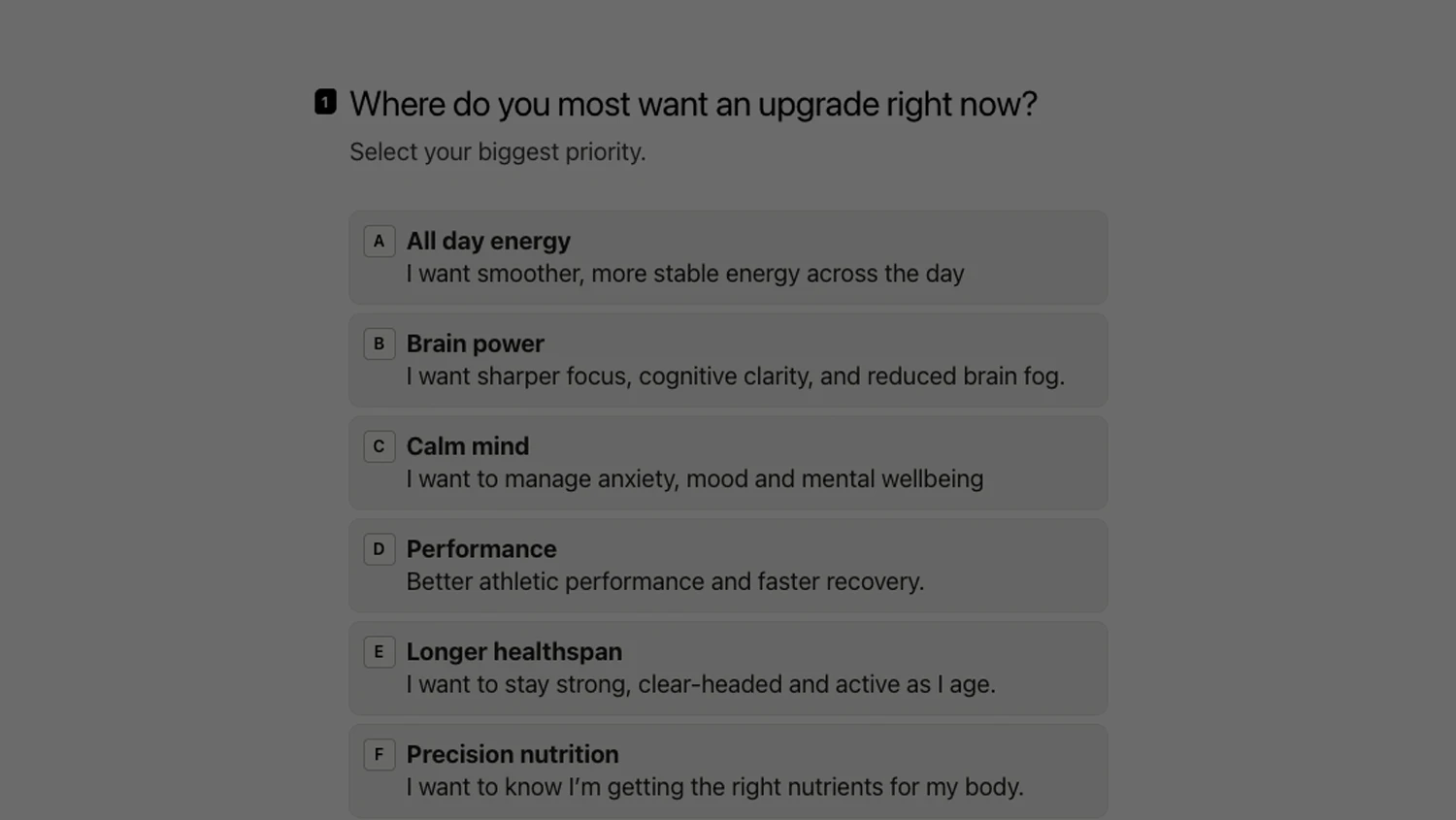
Answer 8 quick questions and get a free personalised report - covering which area of your biology is most worth looking at first, what testing in that area reveals, and what actions become available once you have that data.
Where do you feel you're operating below your potential right now?
Methylation & Cellular Health
Your biology is signalling a methylation upgrade - here’s what that means and what to do about it.