
Menu
-
Shop All
Contact
hey@getstride.com
Stride Health Group
Stride Health Group Ltd
Company No 05158025
Lamas Road
Badersfield
Norwich
England
NR10 5FB
UK



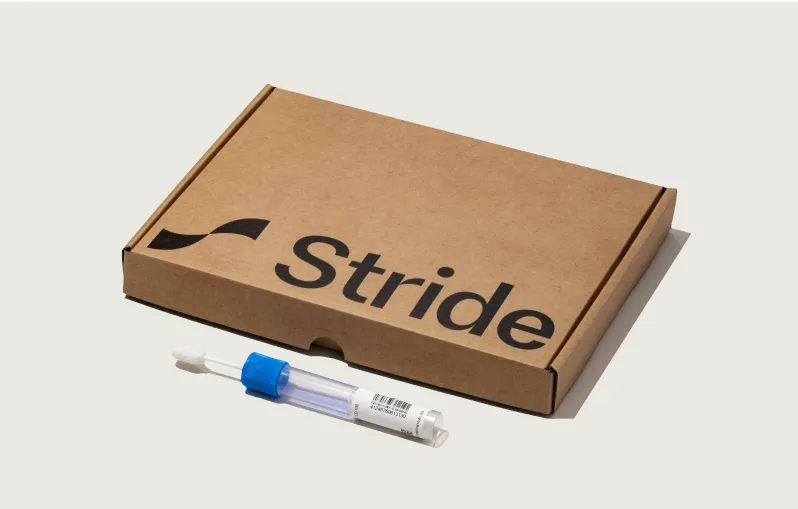
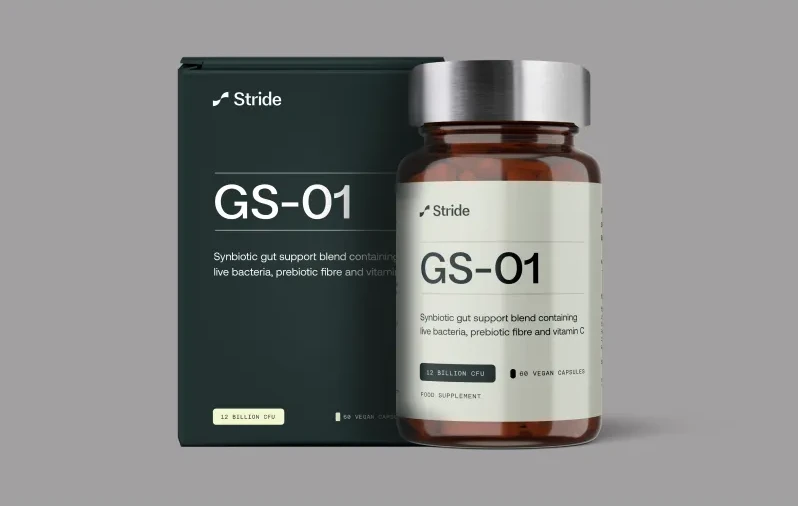







High cholesterol: causes, risks and what your blood test results mean
High cholesterol causes genuine cardiovascular risk for most people who have it, yet the condition produces no symptoms at all until damage has already accumulated in the arteries over years or decades. This is the fundamental challenge: the only way to know your cholesterol levels is a blood test, because nothing in how you feel will tell you. In the UK, around 60% of adults have total cholesterol above 5 mmol/L, placing them at statistically elevated cardiovascular risk compared to the population-optimal level. But understanding what your blood test results actually mean requires looking beyond the single total cholesterol number at the components that determine how cholesterol is travelling through your bloodstream and what damage it might be doing along the way.
What causes high cholesterol?
Diet, saturated fat, and the liver's cholesterol factory
The liver produces around 80% of the cholesterol circulating in your blood, with the remaining 20% coming from diet. This is why dietary cholesterol (from eggs, for example) has a smaller impact on blood cholesterol than was once thought. What has a more significant effect on LDL production is saturated fat, found in fatty meats, full-fat dairy, butter, palm oil, and coconut oil. Saturated fat reduces the liver's ability to clear LDL particles from the bloodstream by downregulating LDL receptors. Trans fats, found in many ultra-processed foods, have an even more adverse effect on the LDL-to-HDL ratio. Replacing saturated and trans fats with unsaturated fats from olive oil, nuts, seeds, and oily fish consistently improves the lipid profile in intervention studies.
Genetics and familial hypercholesterolaemia
For a significant minority of people, high LDL is not primarily driven by diet or lifestyle but by inherited genetic variants that impair the liver's ability to clear LDL from the blood. Familial hypercholesterolaemia (FH) is the most important of these, affecting around 1 in 250 people in the UK, many of whom are undiagnosed. People with FH typically have total cholesterol above 7.5 mmol/L and LDL above 4.9 mmol/L regardless of diet, and they carry a significantly elevated lifetime risk of premature cardiovascular disease. A family history of heart attacks or strokes before age 55 in a first-degree male relative or before age 65 in a first-degree female relative, combined with high LDL, should prompt a GP discussion about FH screening. FH can be confirmed through a genetic test.
Insulin resistance, triglycerides, and the metabolic lipid pattern
Insulin resistance produces a characteristic lipid signature that a standard cholesterol test may partially obscure: elevated triglycerides, reduced HDL, and a shift in LDL particle composition toward smaller, denser particles. Small dense LDL particles are more atherogenic than large buoyant LDL particles because they are more likely to enter arterial walls and trigger the inflammatory process that leads to plaque formation. The triglyceride-to-HDL ratio (TG/HDL) is a useful indicator of this pattern: a ratio above 2.5 is associated with increased cardiovascular and metabolic risk, often indicating a predominance of small dense LDL even when total LDL appears moderate. This is one reason why measuring only total cholesterol gives an incomplete picture for people with metabolic syndrome, diabetes, or obesity.
Thyroid and other medical causes
Hypothyroidism (underactive thyroid) raises LDL cholesterol and total cholesterol as one of its metabolic effects, because thyroid hormone is required for normal LDL receptor activity in the liver. A person with untreated hypothyroidism may have cholesterol that responds poorly to dietary changes and comes down significantly once thyroid treatment is started. This is why a TSH test is often done alongside a lipid panel when high cholesterol is first identified, to check whether a treatable thyroid condition is driving the picture. Kidney disease, liver disease, and certain medications (including some blood pressure treatments and steroids) can also raise cholesterol independent of diet.
Age, sex, and hormonal transitions
Cholesterol levels tend to rise with age, and the lipid profile shifts around major hormonal transitions. In women, the menopause transition is particularly significant: oestrogen has a protective effect on lipid metabolism, and as oestrogen levels decline, LDL tends to rise and HDL may fall. This is why the cardiovascular risk gap between men and women narrows significantly after menopause, and why baseline lipid testing around this transition is clinically useful. In men, the metabolic effects of testosterone decline (reduced muscle mass, increased visceral fat, worsening insulin resistance) also tend to worsen the lipid profile over time.
How to test your cholesterol and understand what the numbers mean
A standard cholesterol blood test UK (also called a lipid panel or lipid profile) measures four components, and it is the relationship between them, not just the individual numbers, that matters most for cardiovascular risk assessment.
Total cholesterol is the sum of all cholesterol components. In the UK, a level below 5.0 mmol/L is the population target, but total cholesterol in isolation is a poor predictor of individual risk because it combines both the beneficial and harmful forms.
LDL cholesterol (low-density lipoprotein) is the primary target for cardiovascular risk reduction. LDL particles carry cholesterol from the liver to tissues, and when in excess they accumulate in arterial walls, initiating the atherosclerotic process. UK guidelines suggest LDL below 3.0 mmol/L for the general population, with lower targets for people with established cardiovascular disease or diabetes.
HDL cholesterol (high-density lipoprotein) carries cholesterol back from tissues to the liver for processing. Higher HDL is generally protective. A level below 1.0 mmol/L in men and below 1.2 mmol/L in women is considered a risk factor.
Triglycerides are the most diet-sensitive of the lipid markers, rising with refined carbohydrate and alcohol intake and falling with exercise and dietary improvement. A level above 1.7 mmol/L is elevated; above 5.6 mmol/L carries additional risks beyond cardiovascular disease.
The total cholesterol-to-HDL ratio is often reported alongside the individual values and gives a more useful single number than total cholesterol alone. A ratio below 4.0 is generally considered favourable.
Evidence-based strategies to improve your cholesterol profile
Dietary fat quality and fibre intake
The most evidence-supported dietary changes for improving the lipid profile are replacing saturated fats with unsaturated fats (olive oil, avocado, nuts, oily fish) and increasing soluble fibre intake. Soluble fibre, found in oats, beans, lentils, apples, and psyllium husk, binds bile acids in the gut and reduces cholesterol reabsorption, which lowers LDL. A systematic review of dietary fibre trials found that increasing soluble fibre by 5-10 grams per day produces modest but consistent LDL reductions. Plant sterols and stanols (found in fortified foods and supplements) have a stronger effect, reducing LDL by approximately 10% when taken consistently.
Regular aerobic exercise and its effect on HDL
Sustained aerobic exercise is one of the most reliable ways to raise HDL and reduce triglycerides. Exercise increases the production of the enzymes that form HDL particles and improve lipid clearance from the bloodstream. The effect on LDL from exercise alone is more modest, though it compounds with dietary changes. Regular moderate-intensity aerobic exercise (150 minutes per week minimum) produces measurable improvements in triglycerides and HDL within 6-12 weeks, which is why retesting 3-6 months after initiating an exercise programme gives a meaningful signal of biological response.
Reducing refined carbohydrates and alcohol
Triglycerides respond more rapidly and dramatically to dietary changes than LDL or HDL. The primary dietary drivers of elevated triglycerides are refined carbohydrates (white bread, pasta, rice, sugar-sweetened drinks) and alcohol. Reducing these while increasing fibre and protein typically produces a visible improvement in triglycerides within weeks. Since elevated triglycerides (particularly with low HDL) are associated with small dense LDL even when the LDL number looks moderate, reducing triglycerides through diet is an important part of overall cardiovascular risk reduction beyond what the LDL number alone captures.
Stress, cortisol, and the lipid profile
Chronic stress raises cortisol, which promotes the release of free fatty acids from fat tissue and drives hepatic LDL synthesis. Consistently elevated cortisol also worsens insulin resistance, which compounds the unfavourable lipid pattern associated with metabolic syndrome. Managing chronic stress is not simply a general wellness recommendation but has a specific, measurable effect on both cortisol and the lipid markers that contribute to cardiovascular risk.
Stride tests that can help with High cholesterol
Biomarkers
| Biomarker | What it measures | Why it matters | Relevance |
|---|---|---|---|
| LDL Cholesterol Blood Test | Low-density lipoprotein | Primary treatment target; the main driver of atherosclerotic plaque formation | 5 |
| HDL Cholesterol Blood Test | High-density lipoprotein | Protective; removes cholesterol from arteries back to liver | 5 |
| Total Cholesterol Blood Test | Sum of all cholesterol types | Context marker; most useful as part of TC:HDL ratio | 4 |
| Triglycerides Blood Test (Heart Health & Metabolic Biomarker) | Blood fat level | Elevated levels indicate metabolic risk and shift LDL toward more atherogenic particles | 5 |
| HbA1c Blood Test (Glycated Haemoglobin) | 3-month blood sugar average | Insulin resistance drives the small dense LDL pattern and worsens cardiovascular risk | 4 |
| TSH Blood Test (Thyroid Stimulating Hormone) | Thyroid stimulating hormone | Hypothyroidism raises LDL; treating thyroid disease can substantially lower cholesterol | 4 |
| hsCRP Blood Test (High Sensitivity C-Reactive Protein) | Systemic inflammation | Inflammation amplifies atherosclerotic process; an independent cardiovascular risk predictor | 4 |
| Ferritin Blood Test | Iron storage | Very high ferritin (iron overload) associated with cardiovascular risk; low ferritin causes fatigue that impairs exercise | 2 |
| Vitamin D Blood Test (25-OH) | 25-OH vitamin D | Low vitamin D associated with worse lipid profiles in some studies | 2 |
FAQs
What are the symptoms of high cholesterol?
High cholesterol produces no symptoms. This is the defining clinical challenge of the condition: it causes progressive arterial damage over decades without producing pain, fatigue, or any other warning sign until an event like a heart attack or stroke occurs. The only way to detect high cholesterol is a blood test. UK guidelines recommend that adults have a cholesterol test at least every 5 years from age 40, and more frequently if previous results were elevated, a family history of premature cardiovascular disease is present, or other risk factors like diabetes, obesity, or high blood pressure exist. Home cholesterol test kits UK are now widely available, making it straightforward to test between routine appointments.
What is the difference between LDL and HDL cholesterol?
LDL cholesterol (low-density lipoprotein) carries cholesterol from the liver to tissues throughout the body. When LDL is elevated, it can accumulate in arterial walls and contribute to the formation of atherosclerotic plaques that narrow and harden arteries over time, increasing the risk of heart attack and stroke. HDL cholesterol (high-density lipoprotein) works in the opposite direction, collecting excess cholesterol from tissues and arterial walls and transporting it back to the liver for processing and excretion. Higher HDL is associated with lower cardiovascular risk. A helpful way to think about it: LDL delivers, HDL collects. Both numbers matter, which is why the ratio of total cholesterol to HDL gives a more useful risk signal than either number in isolation.
What level of cholesterol is considered high in the UK?
In the UK, the general population target is total cholesterol below 5.0 mmol/L and LDL below 3.0 mmol/L. A total cholesterol above 5.0 mmol/L is considered elevated; above 7.5 mmol/L raises the question of familial hypercholesterolaemia. For people with established cardiovascular disease, diabetes, or very high risk, targets are more stringent, with LDL targets typically below 1.8 mmol/L or even lower. Cholesterol levels are measured in millimoles per litre (mmol/L) in the UK, which differs from the mg/dL measurement used in the US (multiply mmol/L by 38.67 to convert). It is worth knowing that these thresholds represent population risk targets rather than individual precision points: a person at 5.1 mmol/L with no other risk factors is in a very different situation to someone at the same level who also has diabetes, hypertension, and a family history of heart disease.
What causes high cholesterol if I eat a healthy diet?
Several factors can raise cholesterol regardless of dietary quality. Genetics is the most significant: familial hypercholesterolaemia affects around 1 in 250 people and causes very high LDL through reduced LDL receptor function, entirely independently of diet. Hypothyroidism reduces LDL clearance and can cause significantly elevated cholesterol that responds poorly to dietary changes and comes down with thyroid treatment. Chronic kidney disease, certain medications (including some blood pressure treatments, corticosteroids, and antiretroviral medications), and sedentary lifestyle also raise cholesterol through mechanisms unrelated to dietary fat intake. If your cholesterol is high despite genuinely good dietary habits, testing thyroid function and genetic risk factors alongside the standard lipid panel helps clarify whether the driver is lifestyle or something that requires different management.
Can high cholesterol be reversed without medication?
For people with lifestyle-driven cholesterol elevation, dietary changes and exercise can produce meaningful and sometimes dramatic improvements in the lipid profile. Replacing saturated fat with unsaturated fat, increasing soluble fibre, reducing refined carbohydrates and alcohol, and engaging in regular aerobic exercise can together reduce LDL by 20-30% in people who make sustained changes. For many people, this is sufficient to reach their target range without medication. However, for people with familial hypercholesterolaemia, very high baseline LDL, or established cardiovascular disease, lifestyle changes alone are rarely sufficient and statins or other lipid-lowering medications are typically required alongside them. Retesting after 3-6 months of consistent lifestyle changes gives a clear signal of how much the biological response matches the effort.
Should I fast before a cholesterol blood test?
Current guidance from NHS and most UK testing providers does not require fasting for a standard lipid panel, because non-fasting measurements provide a reasonable cardiovascular risk assessment for most people. However, triglycerides are significantly affected by recent eating and drinking, rising for 6-8 hours after a meal and particularly after alcohol. If triglycerides are an important part of the assessment, fasting for 9-12 hours before the test (water only) gives the most accurate picture. Some private testing providers request fasting as standard to ensure the most comparable and consistent results across repeated tests. If you are monitoring your lipid profile over time, consistent testing conditions (same time of day, consistent fasting or non-fasting status) make your results more comparable than varying the conditions between tests.
What is ApoB and why might it matter more than LDL?
ApoB (apolipoprotein B) is a protein that is present on every atherogenic particle in the blood: LDL, VLDL, and other harmful lipoproteins each carry exactly one ApoB molecule. Measuring ApoB therefore gives a direct count of the number of potentially harmful particles circulating in the blood, regardless of how much cholesterol each carries. This is clinically important because LDL cholesterol measures the amount of cholesterol carried by LDL particles, not how many particles there are. Someone with many small dense LDL particles may have a moderately elevated LDL cholesterol level but a very high particle count (and high ApoB), meaning their true cardiovascular risk is greater than the LDL number suggests. Research consistently shows ApoB to be a more accurate predictor of cardiovascular events than LDL cholesterol, particularly in people with diabetes, metabolic syndrome, or obesity. Standard lipid panels in the UK do not routinely include ApoB, but it is available through private testing and is increasingly recommended by preventive cardiology guidelines as an additional risk marker.
How often should I test my cholesterol?
If your cholesterol is within the optimal range and you have no significant cardiovascular risk factors, retesting every 3-5 years is the standard recommendation. If you have elevated cholesterol and are making lifestyle changes to address it, retesting after 3-6 months gives a clear signal of whether the changes are working before a decision about medication is needed. If you are on statin or other lipid-lowering treatment, your levels should be checked 3 months after starting and then annually once stable. For anyone who is actively monitoring their metabolic health or tracking the effects of dietary and lifestyle changes, annual retesting as part of a comprehensive blood panel (including thyroid, inflammation, and blood sugar markers alongside lipids) gives the most complete picture of whether your cardiovascular trajectory is improving over time.
Find out what your body is actually trying to tell you.
Answer 8 quick questions and get a free personalised report - covering which area of your biology is most worth looking at first, what testing in that area reveals, and what actions become available once you have that data.
Where do you feel you're operating below your potential right now?
Methylation & Cellular Health
Your biology is signalling a methylation upgrade - here’s what that means and what to do about it.