
Menu
-
Shop All
Contact
hey@getstride.com
Stride Health Group
Stride Health Group Ltd
Company No 05158025
Lamas Road
Badersfield
Norwich
England
NR10 5FB
UK



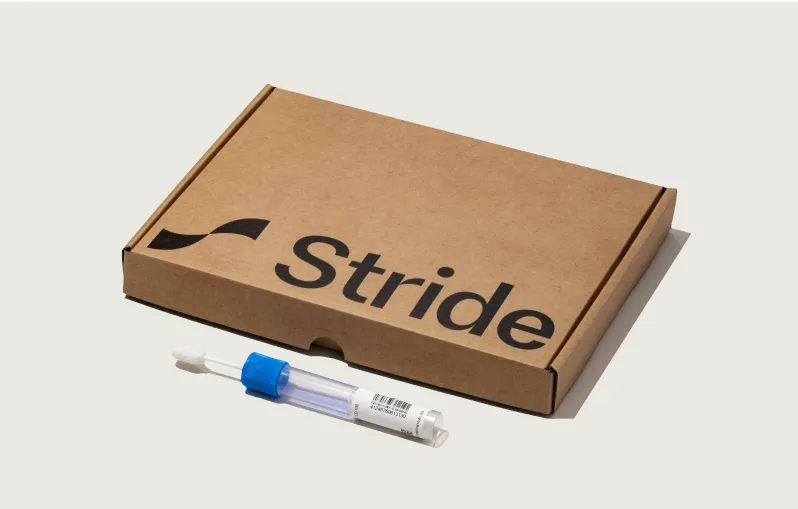
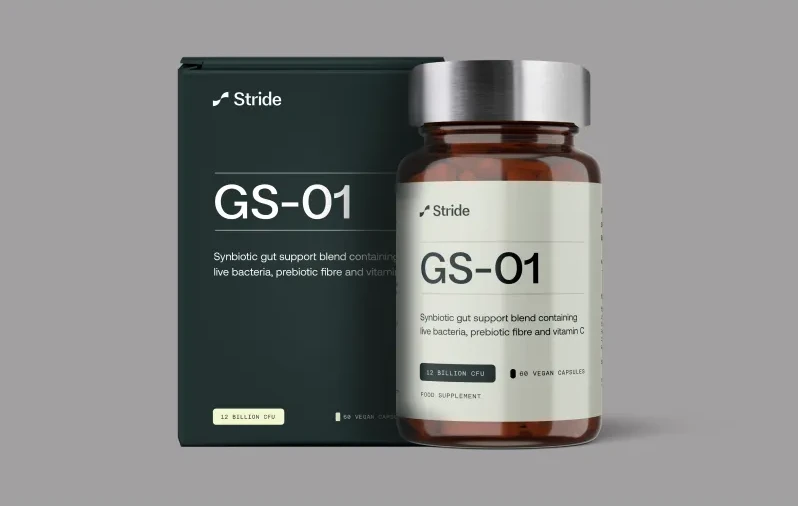






Anxiety: could your biology be a factor? Biomarkers worth investigating
Anxiety and biomarker testing are not terms that usually appear in the same sentence, but the research increasingly points to a biological layer beneath many anxiety presentations that is measurable, addressable, and routinely overlooked. Anxiety is one of the most prevalent mental health experiences in the UK, affecting an estimated one in four people at some point in their lifetime. For most people, anxiety has psychological, social, and biological contributors simultaneously. This page focuses specifically on the biological layer: the hormonal imbalances, nutrient deficiencies, and metabolic patterns that can mimic or substantially worsen anxiety, and that a blood test can identify. Understanding whether your biology is a factor does not replace psychological support; it adds a parallel investigation that may reveal something actionable.
This page does not diagnose or treat anxiety disorders. If you are experiencing significant anxiety, panic attacks, or anxiety that is substantially affecting your daily life, please speak with your GP or a qualified mental health professional.
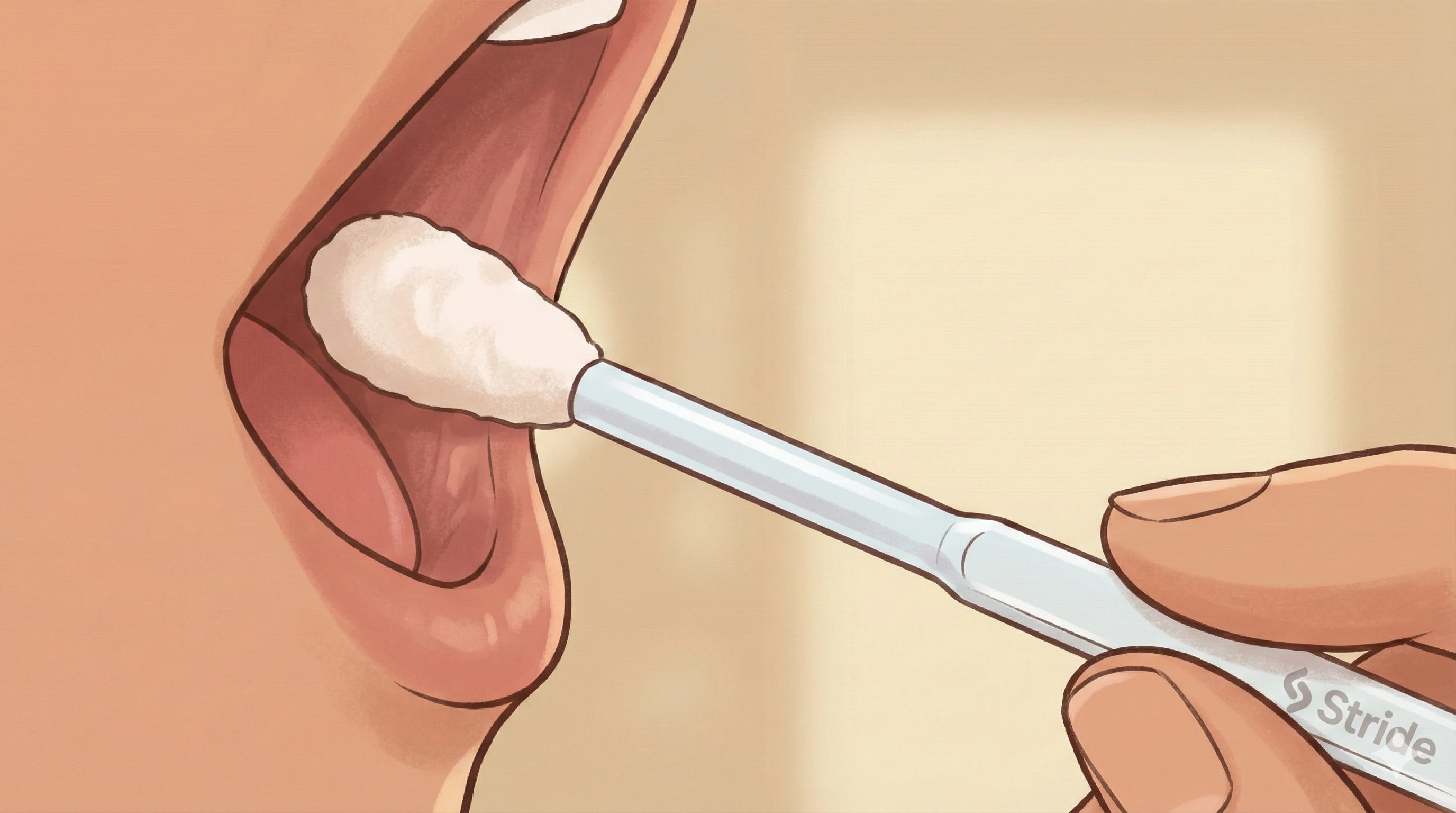
How biology can contribute to anxiety
Thyroid dysfunction
The link between thyroid function and anxiety is well established in research. An overactive thyroid (hyperthyroidism) produces symptoms that closely resemble an anxiety disorder: racing heart, tremor, sweating, difficulty sleeping, restlessness, and a sense of being unable to switch off. These symptoms are driven directly by excess thyroid hormone accelerating metabolic processes throughout the body. Even subclinical hyperthyroidism, where thyroid hormone levels are mildly elevated without a formal diagnosis, can produce significant anxiety-like symptoms. The UK Biobank prospective study, following nearly 350,000 participants, found significant associations between anxiety and subsequent thyroid disease risk, reflecting the bidirectional relationship between the two systems.
Equally, hypothyroidism does not always present as classically low-energy. In some people, particularly in early stages, the body's attempt to compensate for falling thyroid hormone can produce anxiety, palpitations, and emotional dysregulation before the more expected symptoms of fatigue and weight gain become dominant. Testing the full thyroid panel, including TSH, Free T4, Free T3, and thyroid antibodies, provides a more complete picture than TSH alone.
Magnesium deficiency
Magnesium is one of the most well-researched biological contributors to anxiety. It acts as a natural regulator of the nervous system, moderating the activity of NMDA receptors, which, when overactivated, contribute to a heightened stress response. Research consistently shows that magnesium deficiency is specifically and strongly associated with anxiety, more so than with depression or other mood presentations. Magnesium depletion is accelerated by chronic stress itself, creating a self-reinforcing cycle: stress depletes magnesium, low magnesium lowers the threshold for the stress response. Modern dietary patterns, particularly those low in leafy vegetables, legumes, and whole grains, combined with high caffeine and alcohol intake, which increase urinary magnesium excretion, make suboptimal magnesium status common.
Blood sugar instability
Drops in blood glucose trigger the release of adrenaline and cortisol, hormones that are also the primary drivers of the physiological anxiety response. This mechanism explains why some people experience sudden anxiety, racing heart, trembling, and a sense of impending doom in the mid-morning or mid-afternoon, patterns that correlate with glucose troughs rather than any external stressor. People with insulin resistance or reactive hypoglycaemia experience these episodes more intensely and frequently. Checking HbA1c alongside fasting glucose identifies whether metabolic instability is contributing to anxiety-like episodes.
Elevated cortisol and chronic stress activation
Cortisol, the primary stress hormone, follows a diurnal rhythm: it peaks shortly after waking and declines through the day, supporting energy and alertness. When chronic stress sustains cortisol at elevated levels, particularly in the evening when it should be low, the result is persistent physiological arousal, difficulty switching off, sleep disruption, and anxiety. Sustained high cortisol also suppresses TSH and impairs thyroid hormone conversion, creating thyroid-like symptoms even in the absence of primary thyroid disease. It also depletes magnesium, vitamin D, and B12 over time, creating multiple intersecting biological contributors to anxiety.
Vitamin D deficiency
Vitamin D receptors are found throughout the brain, including in regions that regulate the fear response and stress reactivity. Research has found associations between low vitamin D and anxiety, with some studies reporting that people with anxiety disorders have lower average vitamin D levels than age-matched controls. The proposed mechanism involves vitamin D's role in regulating serotonin production and moderating neuroinflammation, both of which affect anxiety threshold. In the UK, where sunlight-driven vitamin D synthesis is limited for six months of the year, deficiency is particularly common.
Gut health and the gut-brain axis
The gut produces approximately 90% of the body's serotonin, and the gut-brain axis, a bidirectional communication system between the enteric nervous system and the central nervous system, plays a significant role in anxiety regulation. Gut dysbiosis, an imbalanced microbiome, is associated with increased intestinal permeability, elevated systemic inflammation, and altered neurotransmitter production. Research using UK Biobank data found that anxious individuals showed higher levels of systemic inflammation markers, suggesting an inflammatory component in anxiety that may partly originate from gut dysfunction. People whose anxiety worsened after a period of gut illness, antibiotics, or dietary change may find that microbiome assessment adds useful information alongside a blood panel.
Anaemia and iron deficiency
UK Biobank data analysis found that anxious individuals showed higher rates of anaemia than non-anxious controls. Iron deficiency, even without frank anaemia, affects the synthesis of dopamine and serotonin, and the physiological effects of low ferritin, including heart palpitations, breathlessness on exertion, and increased heart rate, can trigger or worsen anxiety in people who are already predisposed. Checking ferritin as part of a comprehensive panel provides important context, particularly for women with heavy periods or anyone following a plant-based diet.
How to test for biological contributors to anxiety
Standard GP assessments for anxiety rarely include comprehensive blood testing. A basic blood count may identify severe anaemia, and TSH may be checked, but the most informative markers for a biological anxiety investigation are typically absent from routine panels.
A comprehensive blood panel for investigating biological contributors to anxiety covers:
Full thyroid panel including TSH, Free T4, Free T3, and Anti-TPO antibodies to assess for both hypo- and hyperthyroidism, early autoimmune thyroid disease, and impaired thyroid conversion.
Vitamin D to identify the most common UK deficiency and its relationship to neuroinflammatory and serotonergic pathways relevant to anxiety.
Ferritin to assess iron stores, which affect neurotransmitter synthesis and produce physiological symptoms that can worsen anxiety.
HbA1c and fasting glucose to assess whether blood sugar instability is driving episodic anxiety-like symptoms.
CRP and homocysteine to identify systemic inflammation and B-vitamin pathway disruption, which are independently associated with anxiety presentations.
Vitamin B12 and folate to assess the methylation capacity needed for neurotransmitter production.
For people who suspect their anxiety has a strong thyroid component, or whose anxiety significantly worsened during a period of high stress or poor nutrition, a blood panel is a practical first step. It provides information that informs rather than replaces any psychological or psychiatric support.
Evidence-based biological strategies for anxiety support
Optimise magnesium and key nutrients
Magnesium is among the most accessible and evidence-supported nutritional interventions for anxiety. Dietary sources include dark leafy vegetables (spinach, kale), legumes, nuts, seeds, and whole grains. Supplementation is typically well tolerated, with magnesium glycinate and magnesium malate being the forms most commonly used for anxiety rather than gut symptoms. Testing before supplementing, while not strictly necessary for magnesium given its safety profile, helps distinguish genuine deficiency from high-normal status and allows you to track whether dietary changes are sufficient.
Stabilise blood sugar
Reducing glucose variability through dietary choices has a direct bearing on the frequency and intensity of physiological anxiety episodes driven by blood sugar troughs. Eating protein with each meal, choosing lower glycaemic index carbohydrates, avoiding long gaps between meals, and limiting caffeine on an empty stomach are the most practical starting points. HbA1c provides a three-month average that tells you whether the pattern is changing.
Support thyroid and reduce cortisol load
If thyroid markers show early dysfunction, the co-factors that support healthy thyroid metabolism are worth addressing: selenium (found in Brazil nuts, eggs, and oily fish), iodine (found in dairy and seafood), and ferritin. For cortisol dysregulation, the most evidence-supported interventions are consistent sleep timing, regular moderate exercise, and reducing stimulant intake, particularly caffeine after midday. Neither yoga nor meditation appears on the list as a dismissal; both have measurable effects on HPA axis activation. The point is that cortisol patterns are trackable and responsive to consistent lifestyle changes.
Address gut health
Dietary patterns that support microbiome diversity, including 30 different plant foods per week, fermented foods, and adequate dietary fibre, are associated with reduced anxiety scores in prospective research. Reducing alcohol, which disrupts the gut lining and depletes magnesium, vitamin B1, and folate, addresses multiple biological anxiety contributors simultaneously. If gut dysbiosis is suspected as a primary contributor, microbiome testing provides a baseline from which to measure improvement.
Stride tests that can help with Anxiety
Biomarkers
| Biomarker | What it measures | Why it matters | Relevance |
|---|---|---|---|
| TSH Blood Test (Thyroid Stimulating Hormone) | Pituitary signal for thyroid hormone | Thyroid dysfunction (both over- and underactive) produces anxiety-like symptoms and bidirectionally interacts with anxiety | 5 |
| FT4 (Free Thyroxine) Blood Test | Circulating thyroid storage hormone | Elevated Free T4 (subclinical hyperthyroidism) is associated with restlessness and anxiety | 4 |
| FT3 Blood Test (Free Triiodothyronine) | Active thyroid hormone | Elevated Free T3 drives hypermetabolic symptoms; low Free T3 from poor conversion can produce anxiety alongside fatigue | 4 |
| TPO Antibodies (Thyroid Peroxidase Antibodies) Blood Test | Autoimmune thyroid activity | Hashimoto's thyroiditis is associated with emotional dysregulation and anxiety, even before TSH shifts | 4 |
| Vitamin D Blood Test (25-OH) | 25-OH vitamin D status | Deficiency associated with anxiety via serotonergic and neuroinflammatory pathways; common UK deficiency | 4 |
| Ferritin Blood Test | Iron storage levels | Low ferritin produces physiological symptoms (palpitations, breathlessness) that worsen anxiety; also required for neurotransmitter synthesis | 4 |
| HbA1c Blood Test (Glycated Haemoglobin) | Long-term blood sugar control | Blood sugar instability triggers adrenaline and cortisol, mimicking the anxiety stress response | 4 |
| hsCRP Blood Test (High Sensitivity C-Reactive Protein) | Systemic inflammation | Anxious individuals show higher systemic inflammation in large population studies | 3 |
| Active B12 Blood Test (Holotranscobalamin) | Active B12 status | Required for methylation and neurotransmitter synthesis; deficiency can produce or worsen anxiety and emotional instability | 3 |
FAQs
Can blood tests show anxiety?
Blood tests cannot diagnose anxiety. What they can identify is whether a measurable biological imbalance is contributing to or worsening anxiety symptoms. This includes thyroid dysfunction (which produces anxiety-like symptoms), low vitamin D and magnesium, blood sugar instability, systemic inflammation, and anaemia. If blood tests are normal and anxiety persists, the cause is likely primarily psychological and situational, and psychological support is the appropriate next step.
Can thyroid problems cause anxiety?
Yes, and this is one of the most common and most missed biological contributors to anxiety. An overactive thyroid accelerates metabolism throughout the body, producing symptoms including racing heart, tremor, heat intolerance, difficulty sleeping, and a sense of persistent agitation that closely resembles generalised anxiety disorder. Even mild subclinical hyperthyroidism, where Free T4 and Free T3 are mildly elevated without a formal diagnosis, can produce significant anxiety. Hypothyroidism can also produce anxiety in some people, particularly in early stages. A full thyroid panel, not just TSH, is the most informative investigation for anyone whose anxiety has an unexplained physiological quality.
What is the connection between magnesium and anxiety?
Magnesium regulates NMDA receptor activity in the brain, and NMDA receptor overactivation is associated with a heightened, hair-trigger stress response. When magnesium is low, the threshold for the anxiety response drops: ordinary stressors produce a larger physiological reaction. Chronic stress depletes magnesium further, creating a self-reinforcing pattern. Research consistently identifies magnesium deficiency as specifically associated with anxiety rather than other mood presentations. Modern dietary patterns, combined with high caffeine and alcohol intake, make suboptimal magnesium status common in the UK. Dietary sources include dark leafy vegetables, nuts, seeds, legumes, and whole grains.
Can low vitamin D cause anxiety?
Research has found associations between low vitamin D and anxiety, with several studies reporting lower average vitamin D levels in people with anxiety disorders compared to non-anxious controls. The proposed mechanisms involve vitamin D's role in serotonin synthesis, its anti-inflammatory effects in neural tissue, and its influence on the HPA axis stress response. The evidence is consistent with an association rather than a simple causal relationship; vitamin D is one biological factor among several. In the UK, where sunlight-driven vitamin D synthesis is unavailable for much of the year, deficiency is extremely prevalent and checking vitamin D is a low-cost first step in any biological investigation.
Can blood sugar cause anxiety?
Yes, and this is a frequently overlooked mechanism. When blood glucose falls sharply, the body releases adrenaline and cortisol to raise it, and these hormones produce the same physiological state as anxiety: racing heart, sweating, trembling, a sense of impending doom, and difficulty concentrating. People with reactive hypoglycaemia, insulin resistance, or simply those who have gone many hours without eating are most susceptible. If your anxiety has a predictable timing pattern, occurring mid-morning, mid-afternoon, or in the first hour after waking, blood sugar instability is worth investigating. HbA1c provides a three-month picture of average glucose control.
Can gut health affect anxiety?
The gut-brain axis is a bidirectional communication system that significantly influences anxiety. The gut microbiome produces approximately 90% of the body's serotonin, and gut dysbiosis is associated with elevated systemic inflammation, altered neurotransmitter production, and increased intestinal permeability. Research using UK Biobank data found that anxious individuals had higher levels of systemic inflammatory markers, suggesting an inflammatory component in anxiety that may partly originate in gut dysfunction. People whose anxiety significantly worsened after gut illness, a course of antibiotics, or a major dietary change may find microbiome testing a useful complement to a blood panel investigation.
Can cortisol testing tell me if stress is causing my anxiety?
Cortisol testing provides a snapshot of the HPA axis stress response and its relationship to circadian rhythm. Sustained elevation of cortisol, particularly in the evening when it should be declining, is associated with persistent physiological arousal, difficulty switching off, disrupted sleep, and anxiety. However, single cortisol measurements are highly variable and must be interpreted in context. A pattern of repeated high evening cortisol or a blunted morning cortisol awakening response is more informative than a single reading. Cortisol testing works best as part of a broader panel that includes thyroid markers, vitamin D, magnesium, and inflammatory markers.
Is anxiety the same as a thyroid disorder?
No, but they overlap significantly in symptom presentation, and the two conditions can coexist. Hyperthyroidism produces anxiety-like symptoms through biological mechanisms (elevated thyroid hormone accelerating the entire metabolism), and hypothyroidism can produce emotional dysregulation including anxiety, particularly early in the disease course. A UK Biobank prospective study found significant associations between anxiety and subsequent risk of both hyperthyroidism and hypothyroidism, suggesting bidirectional relationships. The practical implication is that ruling out thyroid dysfunction is a sensible early step for anyone whose anxiety feels disproportionate, has a strong physical quality (racing heart, trembling), or did not respond as expected to psychological support.
Find out what your body is actually trying to tell you.
Answer 8 quick questions and get a free personalised report - covering which area of your biology is most worth looking at first, what testing in that area reveals, and what actions become available once you have that data.
Where do you feel you're operating below your potential right now?
Methylation & Cellular Health
Your biology is signalling a methylation upgrade - here’s what that means and what to do about it.