
Menu
-
Shop All
Contact
hey@getstride.com
Stride Health Group
Stride Health Group Ltd
Company No 05158025
Lamas Road
Badersfield
Norwich
England
NR10 5FB
UK






News
8 Minutes

Hay Fever vs. Histamine Intolerance
Summer is quickly approaching in the UK. The days are becoming longer and the nights shorter. People’s spirits are lifting and getting into that summery feeling. However, there is one feature of summer people are not looking forward to.

 17/06/2026
Hay fever season is here — but is it really just hay fever?
Summer is quickly approaching in the UK. The days are becoming longer, people's spirits are lifting, and that familiar warm-weather energy is returning. But for many, it also marks the return of sneezing, itchy eyes, and the daily antihistamine routine just to get through the day.
For some, pollen is the only culprit. For others, symptoms seem to go beyond a typical seasonal allergy — spilling into digestive issues, skin reactions, headaches, and year-round fatigue. This article explains:
Why is hay fever so common in the UK?
Hay fever affects around one in four people in the UK — a figure that continues to rise. Several factors explain why this country is particularly affected.
The UK's mild, wet climate creates ideal growing conditions for grasses, which are the most common pollen trigger for hay fever. The country's abundance of grassland means high pollen counts are almost guaranteed during spring and summer. Climate change is also extending pollen seasons, meaning sufferers are exposed for longer periods each year.
Modern lifestyles may be contributing too. The hygiene hypothesis suggests that reduced exposure to diverse microbes during early childhood — a result of cleaner living environments — may make the immune system more prone to overreacting to harmless substances like pollen. Combined with air pollution and genetic predisposition, this helps explain why seasonal allergies have become so widespread.
What is histamine — and why does it cause symptoms?
Histamine is a natural chemical produced by the body that plays several important roles. Understanding it is key to making sense of both hay fever and histamine intolerance.
Allergic responses
Released by immune cells when the body detects a threat — such as pollen or pet dander — triggering sneezing, itching, and swelling.
Digestion
Histamine signals the stomach to produce acid, making it an essential part of the digestive process.
Brain function
Acting as a neurotransmitter, histamine helps regulate wakefulness, attention, and other cognitive functions.
When histamine is released in response to an allergen, it binds to receptors on cells and causes blood vessels to widen (resulting in redness and swelling), increased mucus production, and nerve stimulation that produces the characteristic itch. This is why antihistamine medications work — they block histamine from binding to those receptors.
Hay fever vs. histamine intolerance: what's the difference?
Both conditions involve histamine, and both can cause overlapping symptoms — which is why they are so easily confused. However, their underlying mechanisms are quite different.
| Feature | Hay Fever | Histamine Intolerance |
|---|---|---|
| Cause | Immune response to allergens (pollen, mould, dust) | Reduced ability to break down histamine |
| Timing | Seasonal (spring and summer) | Year-round, triggered by food, stress, hormones |
| Triggers | Pollen, pet dander, mould spores | Aged cheese, fermented foods, alcohol, wine |
| Key symptoms | Sneezing, itchy eyes, runny nose, sore throat | Flushing, headaches, hives, digestive upset, fatigue |
| Nature | True allergic condition | Not a true allergy |
Hay fever (allergic rhinitis) is an immune-mediated condition. When the immune system detects airborne allergens, it triggers a histamine release that causes the familiar nasal, eye, and throat symptoms. It is most common in those with a personal or family history of allergic conditions such as eczema or asthma.
Histamine intolerance is not a true allergy. It is thought to occur when the body struggles to break down histamine efficiently, leading to a build-up that triggers allergy-like symptoms. This may be caused by reduced enzyme activity (particularly an enzyme called DAO), gut inflammation or dysbiosis, certain medications, nutrient deficiencies, or genetic factors affecting histamine metabolism. It is worth noting that the evidence around histamine intolerance is still evolving, and symptoms can overlap significantly with conditions such as IBS, reflux, or migraine disorders.
If any of the above resonate, it may be worth exploring histamine intolerance alongside — or instead of — a seasonal allergy diagnosis with a qualified healthcare practitioner.
“What looks like bad hay fever may sometimes be your body struggling to process histamine from multiple sources at once.”
The bucket analogy: understanding your histamine load
One of the most useful frameworks for thinking about histamine intolerance is the bucket analogy. It helps explain why the same food or exposure can cause a reaction on one day but not another.
The bucket (your capacity)
Your individual tolerance for histamine is like a bucket. Its size is determined by genetics, gut health, and baseline inflammation — and can shrink temporarily due to poor sleep, chronic stress, or hormonal shifts.
The water (what fills it)
Histamine enters your system from multiple sources simultaneously: high-histamine foods, environmental allergens like pollen or mould, and histamine produced internally in response to stress or illness.
The drain (your enzymes)
Enzymes — primarily Diamine Oxidase (DAO) in the gut — break histamine down and keep the bucket from filling. In histamine intolerance, this drain is partially blocked due to genetics, gut inflammation, or certain medications.
The overflow (symptoms)
When the bucket exceeds its capacity, symptoms appear: headaches, skin flushing, hives, anxiety, nasal congestion, or digestive upset. The overflow, not any single trigger, is what causes the reaction.
This is why you might eat sauerkraut without any issue one day, then react strongly to a single tomato later in the week — when stress, pollen exposure, and other histamine sources have already filled the bucket close to its brim.
Natural strategies that may help reduce symptoms
Whether your symptoms are driven by hay fever, histamine intolerance, or a combination of both, there are practical strategies that may help reduce the overall load on your system.
Reducing pollen exposure
Prevention is more effective than management after symptoms have taken hold. Simple changes to daily habits can make a meaningful difference:
Keep windows closed during early morning and on windy days, when pollen counts are highest.
Shower and wash your hair after time outdoors, as pollen clings to skin, hair, and clothing.
Dry clothes indoors during peak pollen season rather than on an outdoor line.
Use a HEPA air purifier in your bedroom if symptoms are severe.
Wear wraparound sunglasses outside to reduce pollen contact with your eyes.
Nasal saline rinse
A nasal saline rinse is one of the most effective non-drug options available. Rinsing with sterile saline physically removes pollen, mucus, and inflammatory mediators from the nasal passages. Many people notice meaningful improvements in congestion, sneezing, and post-nasal drip. Always use sterile, distilled, or previously boiled and cooled water for safety.
Dietary approaches
Certain nutrients and food compounds may support immune function and help modulate the inflammatory response:
For those with suspected histamine intolerance, reducing intake of high-histamine foods — such as aged cheeses, fermented foods, wine, beer, processed meats, and vinegar-containing foods — may help keep the bucket from overflowing.
Vitamin D status is worth considering, particularly in the UK where sunlight exposure is limited for much of the year. A blood test is the most reliable way to identify a deficiency. The StrideDNA test can help identify whether you may have a higher genetic predisposition to low vitamin D status, which could make monitoring your levels especially worthwhile.
FAQs
Can you have hay fever and histamine intolerance at the same time?
Yes. The two conditions can co-exist. In fact, for some people, pollen exposure during hay fever season fills their histamine bucket to a point where foods or other triggers that are normally tolerated begin to cause symptoms. If your seasonal allergy symptoms seem unusually severe or come with digestive, skin, or neurological symptoms, it may be worth considering whether histamine intolerance is also a factor.
How is histamine intolerance diagnosed?
There is currently no single definitive test for histamine intolerance. Diagnosis typically involves a careful review of symptoms, a detailed food and symptom diary, and a trial elimination of high-histamine foods under the guidance of a healthcare practitioner or registered dietitian. Some practitioners may also assess DAO enzyme activity. Because symptoms overlap with many other conditions, working with a qualified professional is strongly recommended rather than self-diagnosing.
Are antihistamines effective for histamine intolerance?
Antihistamines block histamine receptors and may offer some symptomatic relief for histamine intolerance, particularly for reactions involving the skin, nose, or eyes. However, they do not address the underlying cause — a reduced ability to break down histamine — so they are generally considered a short-term measure rather than a long-term solution. Managing dietary triggers, gut health, and overall histamine load tends to be more effective over time.
Which foods are highest in histamine?
Foods particularly high in histamine or known to trigger histamine release include aged and fermented cheeses, wine and beer, processed and cured meats, certain fish (especially tinned or smoked), fermented foods such as sauerkraut, kimchi, and kombucha, vinegar and vinegar-containing foods, and some fruits such as tomatoes, strawberries, and citrus. Histamine content in food can vary considerably depending on how the food is stored or prepared.
Can stress make hay fever or histamine intolerance worse?
Yes. Stress triggers the release of various inflammatory mediators and can itself stimulate histamine production in the body. This adds to your overall histamine load and can reduce your tolerance threshold, making it more likely that other triggers — such as pollen or certain foods — push symptoms over the edge. Managing stress through sleep, movement, and other lifestyle measures can therefore support symptom management alongside dietary and environmental approaches.
The bottom line
Hay fever and histamine intolerance can look remarkably similar because both involve histamine — but hay fever is an immune response to environmental allergens, while histamine intolerance reflects a reduced ability to break down histamine efficiently.
If your symptoms follow a clear seasonal pattern, hay fever is the most likely explanation. If they occur year-round and are linked to food, alcohol, stress, or hormonal changes, histamine intolerance may be worth exploring with a qualified healthcare practitioner.
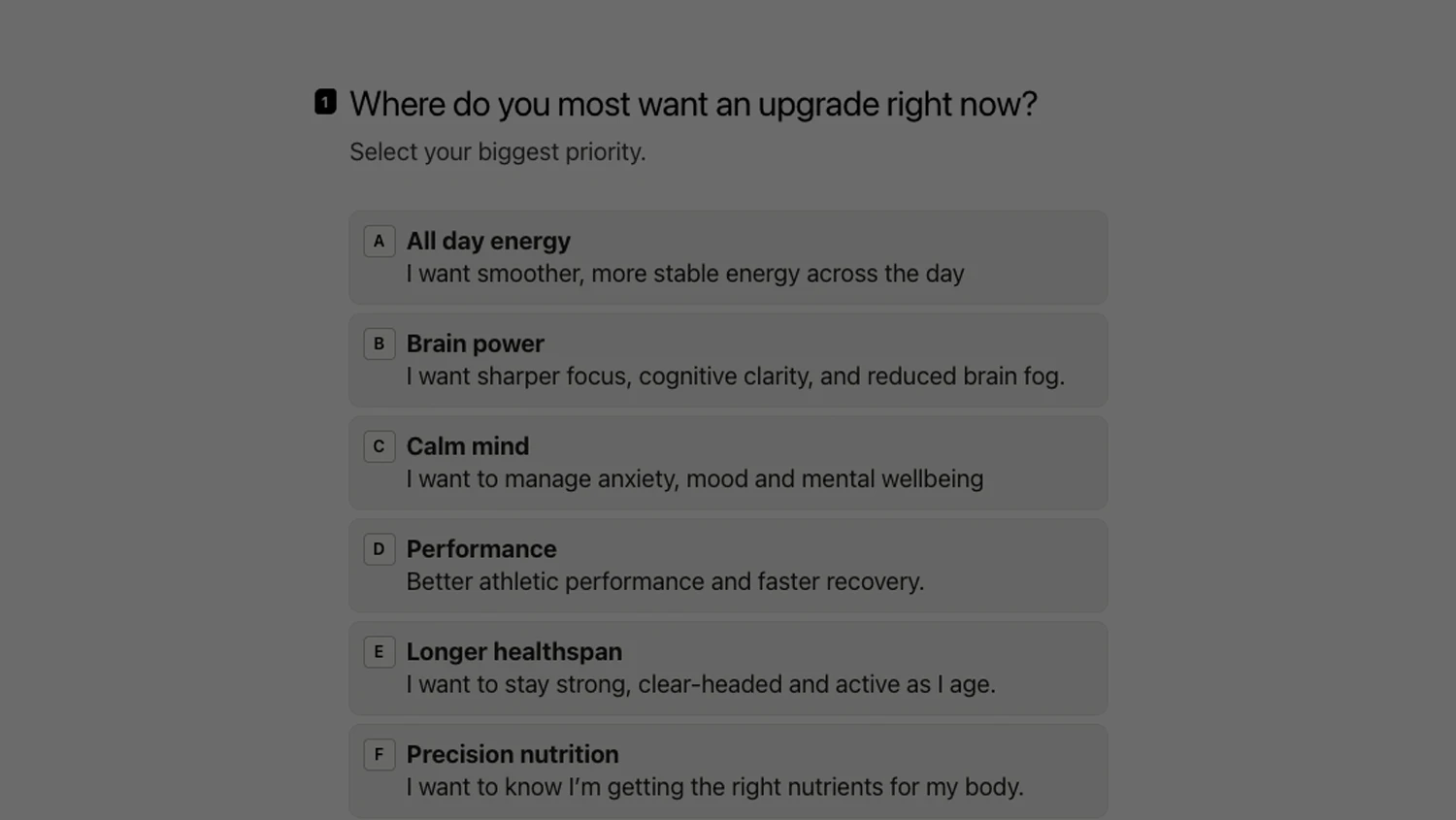
Find out what your body is actually trying to tell you.
Answer 8 quick questions and get a free personalised report - covering which area of your biology is most worth looking at first, what testing in that area reveals, and what actions become available once you have that data.
Where do you feel you're operating below your potential right now?
Methylation & Cellular Health
Your biology is signalling a methylation upgrade - here’s what that means and what to do about it.