
Menu
-
Shop All
Contact
hey@getstride.com
Stride Health Group
Stride Health Group Ltd
Company No 05158025
Lamas Road
Badersfield
Norwich
England
NR10 5FB
UK






Histamine intolerance: symptoms, DAO deficiency and how to test
Histamine intolerance symptoms are notoriously difficult to connect to a single cause because they resemble allergies, appear unpredictably across different foods and circumstances, and vary in severity from day to day. It is estimated to affect around 1% of the UK population, with the majority of those affected being middle-aged, and a significant majority of those are women. The underlying mechanism in most cases is a deficiency or reduced activity of diamine oxidase (DAO), the enzyme responsible for breaking down histamine in the gut. Understanding whether DAO deficiency is driving your symptoms requires targeted testing, not guesswork.
What causes histamine intolerance and why does it vary so much?
The role of diamine oxidase (DAO) enzyme in histamine breakdown
Histamine is a biogenic amine produced naturally in the body and consumed through food. In the gut, the primary defence against histamine accumulation is the DAO enzyme, which breaks down ingested histamine before it can enter the bloodstream. When DAO activity is low, histamine absorbed from food builds up in circulation and triggers a cascade of symptoms affecting multiple body systems, including the skin, gut, cardiovascular system, and nervous system. The condition is distinct from a histamine allergy: no IgE antibody response is involved, and the reaction reflects enzymatic capacity rather than immune sensitisation.
Why DAO deficiency is most often acquired rather than purely genetic
Unlike coeliac disease or lactose intolerance, histamine intolerance caused by DAO deficiency is usually an acquired condition rather than a straightforwardly genetic one. While certain SNPs in the DAO-encoding gene (AOC1) can reduce enzyme activity, the majority of people with reduced DAO levels develop the deficiency as a secondary consequence of gut damage or other health conditions. Inflammatory bowel conditions, SIBO, coeliac disease, and chronic gut inflammation all reduce DAO expression in intestinal epithelial cells. Certain medications, including some antihistamines, analgesics, and antidepressants, can block DAO activity. Alcohol inhibits both DAO and HNMT (the other major histamine-metabolising enzyme), which explains why wine, particularly red wine, is among the most common triggers.
The spectrum of foods high in histamine and biogenic amines
Foods trigger histamine intolerance reactions either because they are naturally high in histamine, because they provoke histamine release from mast cells in the body, or because they contain other biogenic amines that compete with histamine for DAO degradation. Histamine-rich foods include aged cheeses, cured and smoked meats, fermented products such as sauerkraut and miso, and certain fish (particularly tinned, smoked, or not-fresh fish). Foods that provoke histamine release from mast cells include alcohol, citrus fruits, tomatoes, chocolate, and egg white. The total histamine burden is cumulative: a combination of moderately histamine-rich foods on the same day can trigger reactions even if none would individually cross the threshold.
Why symptoms appear to vary day to day
The variability that makes histamine intolerance so confusing reflects several interacting factors. DAO activity fluctuates with oestrogen levels across the menstrual cycle, which is why women often notice that symptoms worsen at specific points in their cycle. Stress reduces DAO activity. Illness, gut inflammation, and SIBO can temporarily worsen DAO deficiency. Alcohol or medications that block DAO taken on the same day as high-histamine foods substantially lower the threshold for reactions. Individual sensitivity to the same food can therefore shift significantly across different days and contexts, even with identical intake.
The connection between gut health and histamine intolerance
The gut microbiome plays a bidirectional role in histamine intolerance. Some bacterial species, including certain Lactobacillus strains and enteric bacteria, produce histamine from dietary histidine. An imbalanced microbiome with elevated populations of histamine-producing bacteria increases the overall histamine burden in the gut, making DAO deficiency more symptomatic. At the same time, gut dysbiosis and inflammation reduce DAO expression by damaging the intestinal epithelium. A gut microbiome assessment that identifies bacterial populations involved in histamine production alongside DAO-relevant genetic variants provides a more complete picture than either test alone.
What histamine intolerance symptoms actually look like across body systems
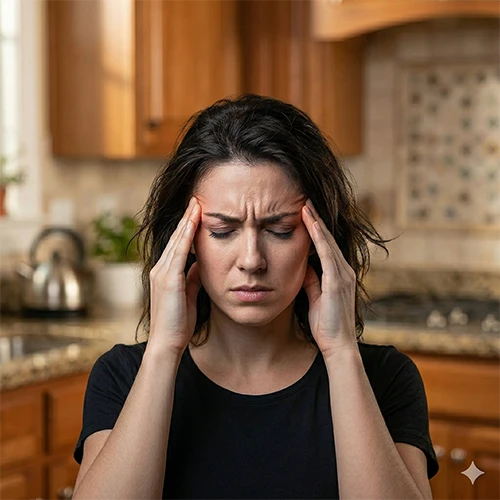
Symptoms extend well beyond the gut. Headache and migraine are among the most commonly reported, reflecting histamine's role as a vasodilator. Skin symptoms include flushing, hives, and itching. Gastrointestinal symptoms include bloating, diarrhoea, abdominal pain, and nausea. Cardiovascular symptoms can include low blood pressure, rapid heart rate, and dizziness. Nasal congestion and runny nose resemble allergy symptoms. Dysmenorrhea (painful periods) is frequently linked to histamine intolerance through the interaction between histamine and oestrogen, which mutually potentiate each other's effects. The systemic nature of these symptoms across multiple organ systems is the clinical hallmark of DAO deficiency.
How to test for histamine intolerance and DAO deficiency
Testing for histamine intolerance is not straightforward because the condition is not yet formally recognised by all medical authorities and no single test definitively confirms it. The most clinically useful approach combines assessment of DAO enzyme activity, gut microbiome composition, and relevant genetic variants.
DAO enzyme activity measurement from a blood sample is the most widely used diagnostic test. Reduced DAO levels, typically defined as below 10 units per millilitre in most laboratory reference ranges, in a symptomatic individual is consistent with histamine intolerance. The test is most accurate when performed on a non-histamine-restricted diet, as dietary restriction lowers the histamine burden and may not reveal a deficiency that is symptomatic at normal histamine intake. Serum DAO does not provide a definitive diagnosis on its own but is a meaningful additional piece of evidence when combined with clinical history and symptom patterns.
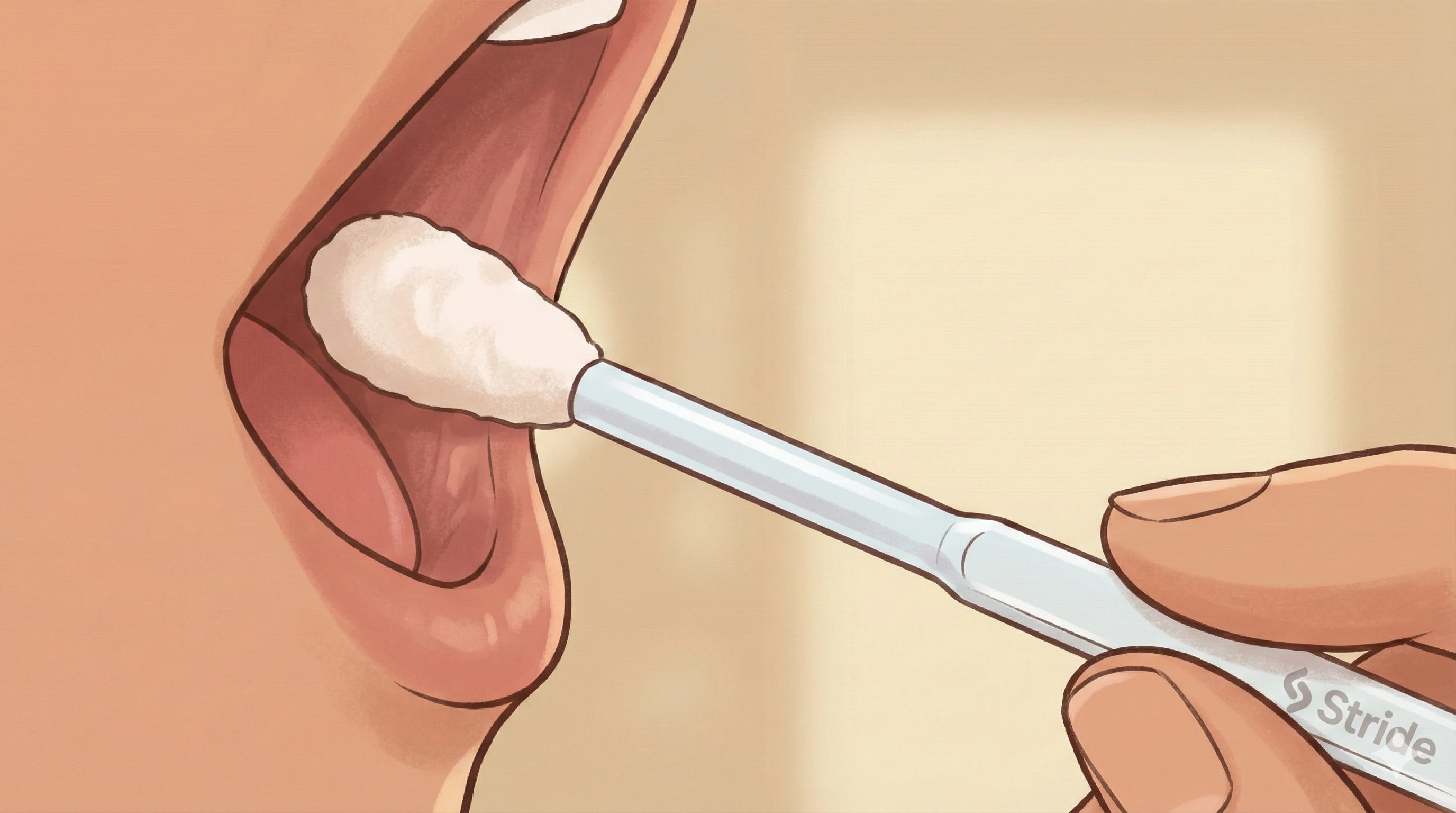
Gut microbiome testing reveals the bacterial composition relevant to histamine production and DAO-related mucosal damage. Identifying elevated populations of histamine-producing bacteria, or patterns consistent with dysbiosis that impairs DAO production, directs both dietary and microbiome-targeted interventions.
When histamine intolerance is suspected, ruling out other conditions with overlapping symptoms is a critical first step. A GP can test for mast cell activation syndrome, IgE-mediated allergies, SIBO, and coeliac disease, all of which can produce or worsen histamine-like symptoms. A brief low-histamine dietary trial, lasting two to four weeks, is often used diagnostically: if symptoms substantially improve with dietary histamine reduction and return on reintroduction, histamine intolerance is the likely diagnosis.
Evidence-based strategies for managing histamine intolerance
A low-histamine diet as a starting point, not an endpoint
A low-histamine elimination diet for two to four weeks establishes whether dietary histamine is driving symptoms. The goal is not permanent restriction but identification of individual thresholds. Key high-histamine foods to reduce during the trial include aged cheeses, cured meats, wine and beer, fermented foods, canned or smoked fish, tomatoes, spinach, and chocolate. After the trial period, systematic reintroduction helps identify which foods trigger symptoms at what quantities, allowing a sustainable diet to be constructed without unnecessary restriction of nutritious foods.
Addressing the gut microbiome as the root cause
Because most DAO deficiency is secondary to gut conditions, treating the underlying gut issue is the most durable approach to histamine intolerance. If SIBO is identified through breath testing or microbiome analysis, treating it can restore DAO expression as the intestinal epithelium recovers. Reducing populations of histamine-producing bacteria through dietary change and targeted probiotic support can lower the overall histamine burden. Research suggests that certain Lactobacillus strains actively degrade histamine and are beneficial for histamine intolerance, while others (particularly Lactobacillus casei and Lactobacillus bulgaricus) produce histamine and should be avoided in histamine-intolerant individuals until the microbiome is better understood.
Nutritional cofactors that support DAO enzyme activity
DAO enzyme activity depends on several nutritional cofactors, particularly vitamin B6, vitamin C, and copper. Deficiencies in these nutrients can reduce DAO function independently of genetic or gut-related factors. A blood panel that includes these micronutrients alongside markers of gut health and inflammation identifies whether nutritional support of DAO is relevant. Foods rich in vitamin B6 include poultry, fish, potatoes, and bananas. Vitamin C from fresh fruits and vegetables supports both DAO activity and histamine clearance. Ensuring adequate copper intake through nuts, seeds, and wholegrains completes the nutritional picture.
Managing medications and lifestyle factors that block DAO
Several commonly used medications block DAO activity, including diclofenac and other non-steroidal anti-inflammatories, metoclopramide, and some antidepressants. Reviewing medication lists with a GP is relevant if histamine intolerance symptoms appeared or worsened after starting a new medication. Alcohol is one of the most potent inhibitors of both DAO and HNMT and has a dose-dependent effect on histamine clearance. Stress management is mechanistically relevant because psychological stress activates mast cells, which release endogenous histamine regardless of dietary histamine intake.
Stride tests that can help with Histamine intolerance

Health Tests
DNA & Methylation Test
Genetic methylation testing, three levels
From $269 $175
Health Tests
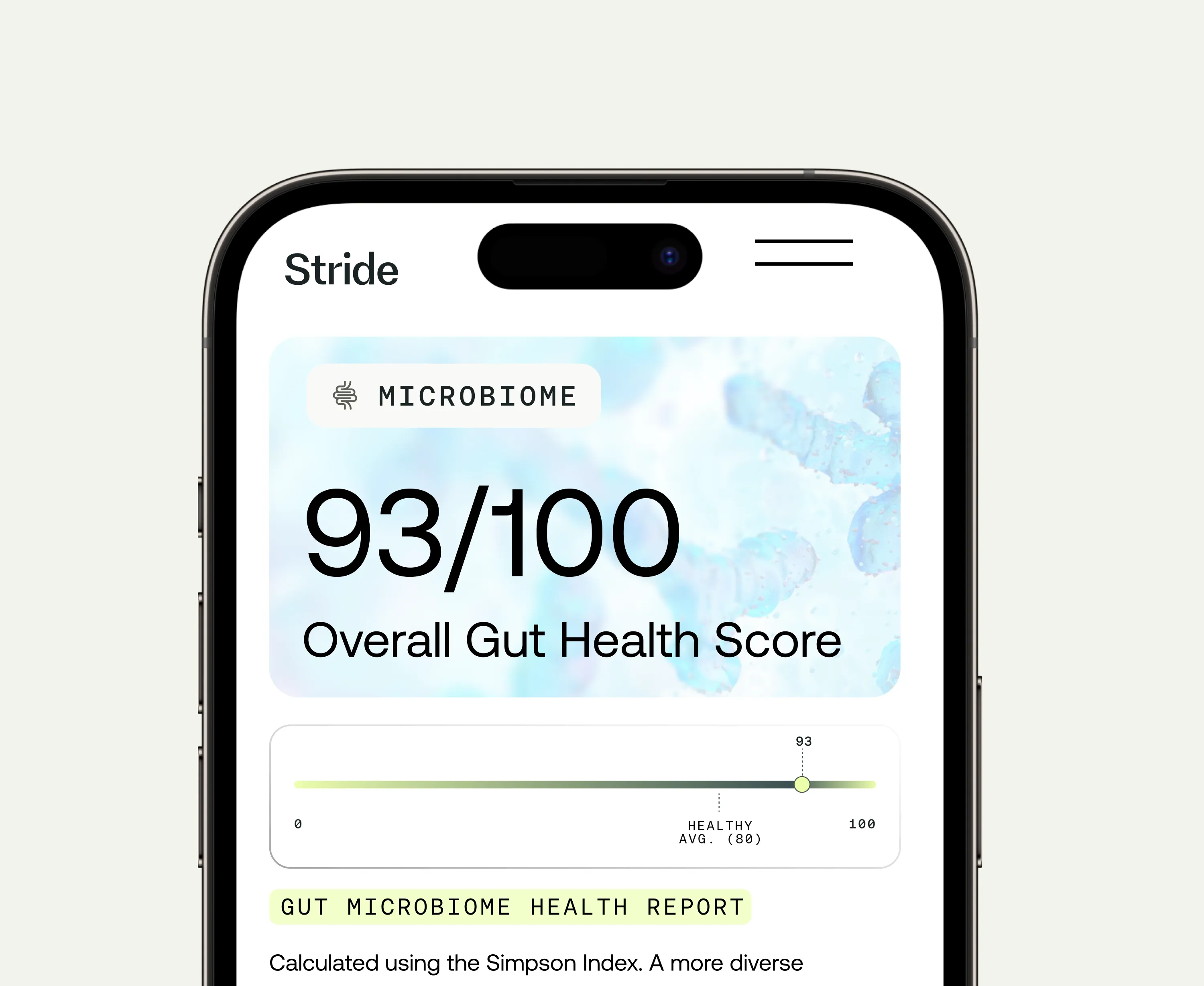
Optimal Biome
Gut microbiome test for comprehensive analysis & personalized health solutions
From $539 $350
Biomarkers
| Biomarker | What it measures | Why it matters | Relevance |
|---|---|---|---|
| hsCRP Blood Test (High Sensitivity C-Reactive Protein) | Systemic inflammation | Gut inflammation reduces DAO expression; elevated CRP reflects relevant mucosal damage | 4 |
| Vitamin D Blood Test (25-OH) | 25-OH vitamin D status | Deficiency is associated with gut permeability and dysbiosis that impairs DAO | 3 |
| Active B12 Blood Test (Holotranscobalamin) | B12 status | Nutritional cofactor for histamine metabolism and methylation pathways | 3 |
| Ferritin Blood Test | Iron storage | Rules out coeliac disease or malabsorption as secondary causes of gut DAO deficiency | 3 |
FAQs
What are the most common symptoms of histamine intolerance from food?
Histamine intolerance from food produces symptoms across multiple body systems because histamine receptors are present throughout the body. The most commonly reported symptoms are headache and migraine, skin flushing, hives, and itching. Gastrointestinal symptoms include bloating, diarrhoea, abdominal cramps, and nausea. Cardiovascular symptoms can include a rapid or irregular heartbeat, low blood pressure, and dizziness. Nasal congestion, runny nose, and sneezing mimic allergy symptoms. Headache is actually the most frequently reported single symptom, occurring in more than half of those with confirmed DAO deficiency. Symptoms typically appear within 30 minutes to two hours of eating high-histamine foods and may vary in intensity depending on the total histamine load consumed on that day.
What is the difference between histamine intolerance and a food allergy?
Histamine intolerance involves an enzymatic deficiency in histamine breakdown, not an immune system reaction to a specific food protein. There are no IgE antibodies involved and no risk of anaphylaxis. Reactions depend on the total histamine dose and are therefore cumulative and variable rather than immediate and consistent. A food allergy, in contrast, involves an IgE-mediated immune response to a specific protein. Even tiny amounts of the allergen can trigger rapid and potentially life-threatening reactions. The distinction matters clinically: histamine intolerance can be managed through dietary adjustment and gut treatment, while food allergies require strict avoidance of the triggering protein and, in severe cases, an adrenaline auto-injector.
Can histamine intolerance cause migraines and is there a test for it?
Yes. Histamine is a potent vasodilator that acts on H1 receptors in cerebral blood vessels, producing vascular headaches. Research confirms that migraine patients have elevated plasma histamine levels both during and between attacks, and that histamine infusion reliably triggers headache. Some studies report that DAO enzyme supplementation reduces migraine frequency in people with confirmed DAO deficiency. A blood test measuring DAO enzyme activity provides evidence of whether DAO deficiency is contributing to migraine vulnerability. This is a particularly useful avenue if migraines appear to correlate with wine consumption, aged cheese, or other high-histamine foods and drinks.
Which foods are highest in histamine and should be avoided first?
The foods with the highest histamine content are: aged and fermented cheeses (parmesan, roquefort, brie); cured and smoked meats (salami, pepperoni, smoked ham); fermented products (sauerkraut, kimchi, miso, soy sauce); alcoholic drinks, particularly red wine and beer; canned, smoked, and not-fresh fish (tinned tuna, mackerel, anchovies); and vinegar-containing condiments. Foods that trigger histamine release from mast cells but are not high in histamine themselves include alcohol, citrus fruits, tomatoes, strawberries, chocolate, and egg white. A low-histamine elimination trial reduces intake across both categories and systematically reintroduces foods to identify individual triggers and thresholds.
Why does histamine intolerance seem worse before my period and during perimenopause?
Oestrogen and histamine have a bidirectional relationship that explains cycle-related symptom fluctuations. Oestrogen stimulates mast cells to release histamine, increasing overall histamine load. At the same time, histamine stimulates oestrogen production, creating a feedback loop. DAO enzyme activity also varies across the menstrual cycle, peaking in the luteal phase under progesterone influence and falling during menstruation and the follicular phase when oestrogen is dominant. The result is that histamine intolerance symptoms are often at their worst in the days before menstruation and during perimenopause when oestrogen levels fluctuate more dramatically.
Is histamine intolerance the same as mast cell activation syndrome?
No, though the two conditions can coexist and produce overlapping symptoms. Histamine intolerance from DAO deficiency primarily reflects impaired breakdown of dietary histamine in the gut. Mast cell activation syndrome (MCAS) involves dysregulated mast cells throughout the body releasing excessive histamine and other mediators in response to a wide range of triggers, including foods, stress, temperature changes, and physical activity. MCAS typically produces more severe and unpredictable reactions across more diverse triggers than dietary histamine intolerance alone. A physician familiar with both conditions can help distinguish them, as the diagnostic criteria and management approach differ significantly.
Can probiotics help with histamine intolerance?
Probiotics have a complex relationship with histamine intolerance. Some bacterial strains, particularly Lactobacillus rhamnosus and Bifidobacterium species, actively degrade histamine and have been shown to improve symptoms in some people with histamine intolerance. However, other commonly used probiotic strains, notably Lactobacillus casei and Lactobacillus bulgaricus, produce histamine and can worsen symptoms in histamine-intolerant individuals. This means that a generic probiotic supplement is not reliably beneficial and may make things worse. Selecting probiotics specifically based on their histamine metabolism profile, ideally after a gut microbiome assessment has identified the existing bacterial landscape, is the more targeted approach.
How does alcohol worsen histamine intolerance symptoms?
Alcohol affects histamine metabolism through several mechanisms simultaneously. It directly inhibits both DAO and HNMT, the two main enzymes responsible for histamine breakdown, reducing histamine clearance capacity. Alcohol also triggers histamine release from mast cells in the gut wall, adding to the histamine load from food. Many alcoholic drinks, particularly red wine, beer, and champagne, contain significant quantities of histamine and other biogenic amines including tyramine and putrescine, which compete with histamine for DAO degradation. The combination of enzymatic inhibition, mast cell stimulation, and direct histamine load from alcohol itself makes it among the most potent triggers of histamine intolerance reactions.
Find out what your body is actually trying to tell you.
Answer 8 quick questions and get a free personalised report - covering which area of your biology is most worth looking at first, what testing in that area reveals, and what actions become available once you have that data.
Where do you feel you're operating below your potential right now?
Methylation & Cellular Health
Your biology is signalling a methylation upgrade - here’s what that means and what to do about it.