
Menu
-
Shop All
Contact
hey@getstride.com
Stride Health Group
Stride Health Group Ltd
Company No 05158025
Lamas Road
Badersfield
Norwich
England
NR10 5FB
UK







News
8 Minutes
The Gut-Skin Axis: How Your Gut Health Affects Your Skin
What the gut-skin axis is, how research links it to acne, rosacea, eczema and psoriasis, and the food, lifestyle and testing steps worth trying.

 07/04/2026
What the gut-skin axis is
The gut-skin axis is the two-way connection between your gut, including the trillions of microbes that live in it, and your skin. Researchers use the term for the ways the gut can influence inflammation, oil production and healing in the skin, and for the ways stress and skin inflammation can feed back to the gut.
It's a genuine area of research, but it attracts a lot of overstatement. Most of the evidence shows that gut and skin problems tend to turn up together. Much less of it shows that fixing one will fix the other.
This article explains:
How your gut and skin communicate
Your skin and your gut lining do a similar job. Both are barriers between your body and the outside world, home to their own microbes and full of immune cells. The gut is the far larger surface: about 32 square metres in an adult, according to a 2014 estimate, against under 2 square metres of skin.
Researchers have described several routes between the two:
Immune signalling
A large share of your immune tissue lines the gut. Inflammation there can send immune messengers called cytokines around the body, including to the skin.
Microbial metabolites
Gut bacteria ferment fibre into short-chain fatty acids (SCFAs) such as butyrate, which feed the gut lining and help keep inflammation in check.
The gut barrier
If the gut lining becomes more permeable, bacterial fragments such as lipopolysaccharide (LPS) can reach the bloodstream and add to low-grade inflammation.
Nutrients and hormones
Skin relies on zinc, vitamin A and essential fats absorbed in the gut. Gut bacteria also help recycle oestrogen, and swings in insulin can affect oil production.
Where stress comes in
Doctors suspected a link long before anyone could sequence a gut microbe. In 1930, the American dermatologists John Stokes and Donald Pillsbury proposed that worry and low mood could upset the gut and its bacteria, and show up as skin inflammation. Parts of their theory have held up. Stress hormones can alter gut bacteria and gut permeability, and stress is a common trigger for flares of acne, eczema, psoriasis and rosacea. You'll see this called the gut-brain-skin axis.
Skin conditions linked to gut health
Research has connected the gut with several common skin conditions. Most of the evidence comes from observational and animal studies, so it shows a link rather than proving cause. The gut is also only one factor, alongside genetics, hormones, skin bacteria and stress.
Acne
Small studies have found lower gut bacterial diversity in people with acne, but the stronger evidence is about diet. In a 2007 Australian trial of 43 young men, a low-glycaemic-load diet cut acne lesions more than a higher-glycaemic diet over 12 weeks, although the low-glycaemic group also lost more weight. Foods that raise blood sugar quickly push up insulin and a related hormone, IGF-1, which can increase oil production. NICE doesn't recommend a specific diet for acne because the evidence is limited, and advises general healthy eating instead.
Rosacea
A Danish study of almost 50,000 people with rosacea found they were more likely than the general population to have coeliac disease, Crohn’s disease, ulcerative colitis or IBS. A small Italian trial found small intestinal bacterial overgrowth (SIBO) was more common in people with rosacea, and that clearing it improved their skin. That was one small study, though, and treating SIBO isn’t a standard rosacea therapy.
Eczema (atopic dermatitis)
Babies who go on to develop eczema tend to have less diverse gut bacteria in their first weeks of life. That has fuelled interest in probiotics during pregnancy and infancy, covered in the probiotics section below.
Psoriasis
People with psoriasis are more likely than average to develop inflammatory bowel disease, especially Crohn's disease. The two conditions share some genes and immune signalling (the IL-23 and IL-17 pathways that several biologic drugs target). Gut bacteria in people with psoriasis also differ from those in people without it, although studies haven't agreed on a consistent pattern.
The clearest gut-skin link is dermatitis herpetiformis, an intensely itchy, blistering rash caused by coeliac disease. It improves on a strict gluten-free diet, often with medication at first. If you suspect coeliac disease, keep eating gluten until you've been tested, or the results may be unreliable.
How to support your gut and skin
No diet clears skin on its own, and food changes work best alongside skin treatment rather than in place of it. These habits support a healthier gut, and some have evidence for skin too.
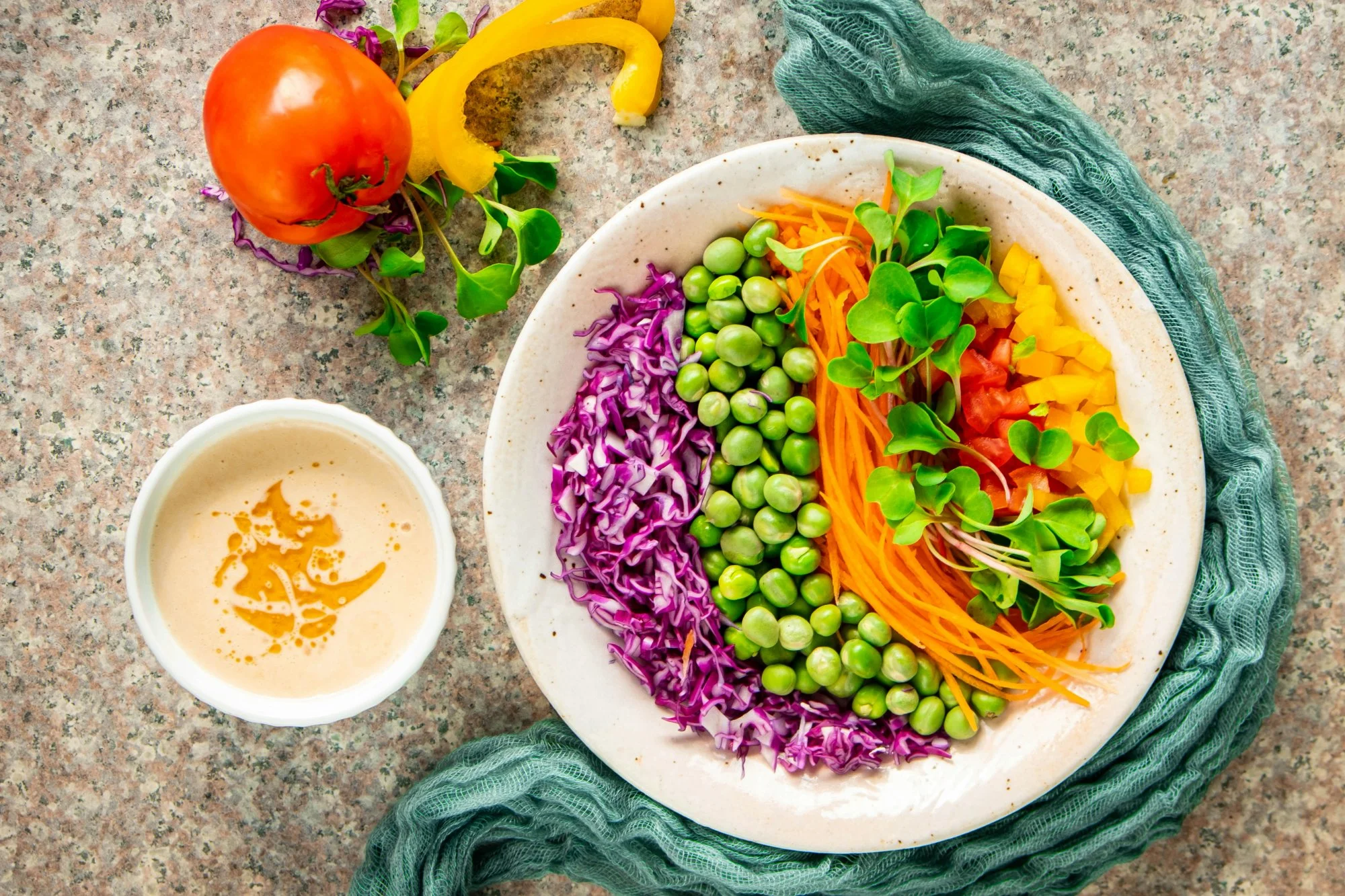
Eat a wide range of plants. Fibre feeds the bacteria that make SCFAs. The UK guideline is 30 g a day, and most adults fall short. In the American Gut Project, people who ate more than 30 different plant foods a week had more diverse gut bacteria than those who ate 10 or fewer.
Add fermented foods. Try live yoghurt, kefir, sauerkraut or kimchi. In a small 10-week Stanford study, eating more fermented foods increased gut bacterial diversity and lowered several inflammatory markers.
Cut back on fast-releasing carbs if you're prone to acne. Swap some sugary drinks, sweets and white bread for oats, pulses and whole grains.
Eat oily fish. Salmon, mackerel and sardines provide omega-3 fats, which help regulate inflammation. The NHS suggests at least one portion of oily fish a week. Evidence for omega-3 supplements in skin conditions is limited.
Get zinc and vitamin A from food. Both contribute to the maintenance of normal skin. Zinc comes from shellfish, meat, dairy, pulses and seeds. Vitamin A comes from eggs, dairy and oily fish, and your body makes it from the beta-carotene in carrots, sweet potato and leafy greens.
Avoid high-dose vitamin A supplements. If you're pregnant or trying to conceive, NHS advice is to avoid liver and any supplement containing vitamin A (retinol) unless your GP advises otherwise.
Sleep, stress and skincare
Poor sleep and ongoing stress affect both systems at once, so regular sleep, daylight and exercise all count (we cover the gut side in how stress, sleep and the nervous system shape your microbiome). Look after your skin from the outside too. A gentle cleanser, a moisturiser that suits you and daily sun protection support the skin's own barrier, and no amount of gut-friendly eating replaces them.
What probiotics can and can't do for skin
Probiotics get most of the attention in gut-skin marketing, but their effects are strain-specific. A result for one strain of Lactobacillus says little about another, let alone about a different product.
| Use | What the research shows | Evidence |
|---|---|---|
| Preventing eczema in babies at high risk of allergy | Some trials of probiotics in late pregnancy, breastfeeding or infancy show fewer cases. The World Allergy Organization supports this conditionally, on very low-quality evidence. | Possible benefit |
| Treating existing eczema | A 2018 Cochrane review found probiotics probably make little or no difference to symptoms. | Little or no effect |
| Acne | A handful of small trials, some promising, often alongside standard treatment. | Early |
| Rosacea and psoriasis | Very few controlled trials so far. | Too early to say |
If you'd like to try one, choose strains that have been studied for your goal, give it two to three months, and keep using any treatment you've been prescribed. If you're pregnant or have a weakened immune system, check with your GP or midwife first.
Can a gut microbiome test help your skin?
No stool test can tell you that your gut is causing your skin problem, so be wary of any company that suggests it can. What a microbiome test can show is the state of your gut: how diverse your bacteria are, whether SCFA producers are well represented, and any signs of imbalance (dysbiosis) or inflammation. That makes it a useful baseline before you change your diet.
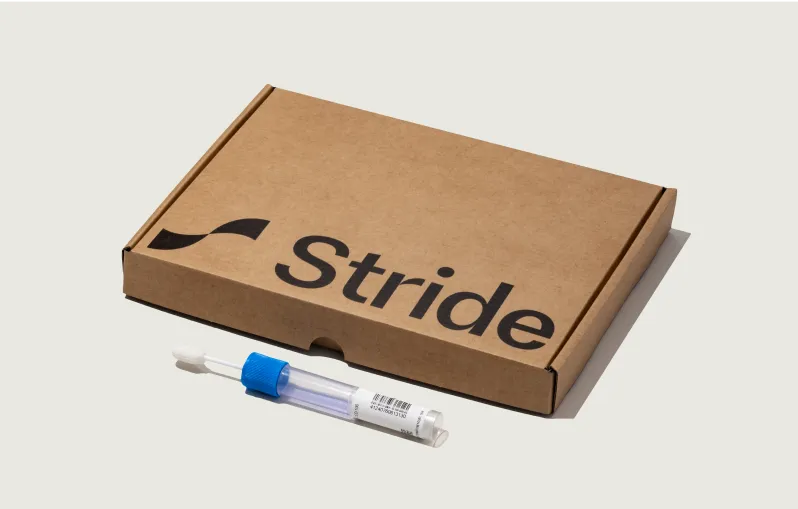
Stride's Optimal Biome test analyses an at-home stool sample for more than 300 gut bacteria, with diversity and SCFA scores, gut-brain markers and signs of inflammation or dysbiosis. It comes with tailored recommendations and the option to retest, and is currently available in the UK only.
Some skin problems call for blood tests through your GP as well. Acne with irregular periods or extra hair growth, for example, can point to a hormonal cause such as PMOS, previously called PCOS.
When to see a GP or dermatologist
Gut-friendly eating is worth trying alongside treatment. Acne, eczema, psoriasis and rosacea all have effective treatments, and starting early can prevent scarring and reduce flares. A pharmacist can help with mild symptoms. See your GP if you have:
Get help the same day from your GP or NHS 111 if eczema suddenly becomes very painful with clusters of blisters, or you feel feverish and unwell, as this can signal an infection called eczema herpeticum. If you have gut and skin symptoms together, mention both, as coeliac disease and inflammatory bowel disease each have recognised skin signs.
FAQs
What is the gut-skin axis?
It's the two-way connection between your gut, including its microbes, and your skin. They communicate through the immune system, substances made by gut bacteria, the gut barrier, nutrient absorption and hormones, and stress affects both.
Can an unhealthy gut cause acne?
It may play a part. Acne has been linked with differences in gut bacteria and with diets high in fast-releasing carbohydrates, but hormones, genetics and skin bacteria are the main drivers. Painful or scarring acne needs proper treatment, so speak to your GP or pharmacist.
Do probiotics help eczema?
Probably not for eczema you already have: a 2018 Cochrane review found probiotics make little or no difference to symptoms. Probiotics in late pregnancy and infancy may lower eczema risk in babies from allergic families, but the evidence is low quality and depends on the strain.
What should I eat for gut and skin health?
A varied, fibre-rich diet with plenty of different plants, some fermented foods and at least one portion of oily fish a week. If you're prone to acne, cutting back on sugary and refined foods may also help.
Can a gut microbiome test explain my skin problems?
Not on its own. It shows the diversity and balance of your gut bacteria and signs of inflammation, which can guide diet changes and track progress, but it can't diagnose a skin condition or prove that your gut is the cause.
The bottom line
Your gut and skin are connected through the immune system, the substances gut bacteria make, nutrients, hormones and stress. Acne, rosacea, eczema and psoriasis have all been linked with changes in the gut, although for most of them cause and effect hasn't been proven.
A varied, fibre-rich diet with fermented foods and oily fish, decent sleep and manageable stress are good for your gut and may help your skin. Keep your expectations of probiotics modest, and if a skin problem is persistent or severe, get it checked by your GP rather than relying on diet alone.
Find out what your body is actually trying to tell you.
Answer 8 quick questions and get a free personalised report - covering which area of your biology is most worth looking at first, what testing in that area reveals, and what actions become available once you have that data.
Where do you feel you're operating below your potential right now?
Methylation & Cellular Health
Your biology is signalling a methylation upgrade - here’s what that means and what to do about it.